🌟 Best in Travel 2026 is here!
Sarajevo
cityEurope
4.88 / 5.0

Sarajevo

The resilient Jerusalem of Europe where East meets West in timeless harmony.

Advertisement
Editorial Guide

About Sarajevo

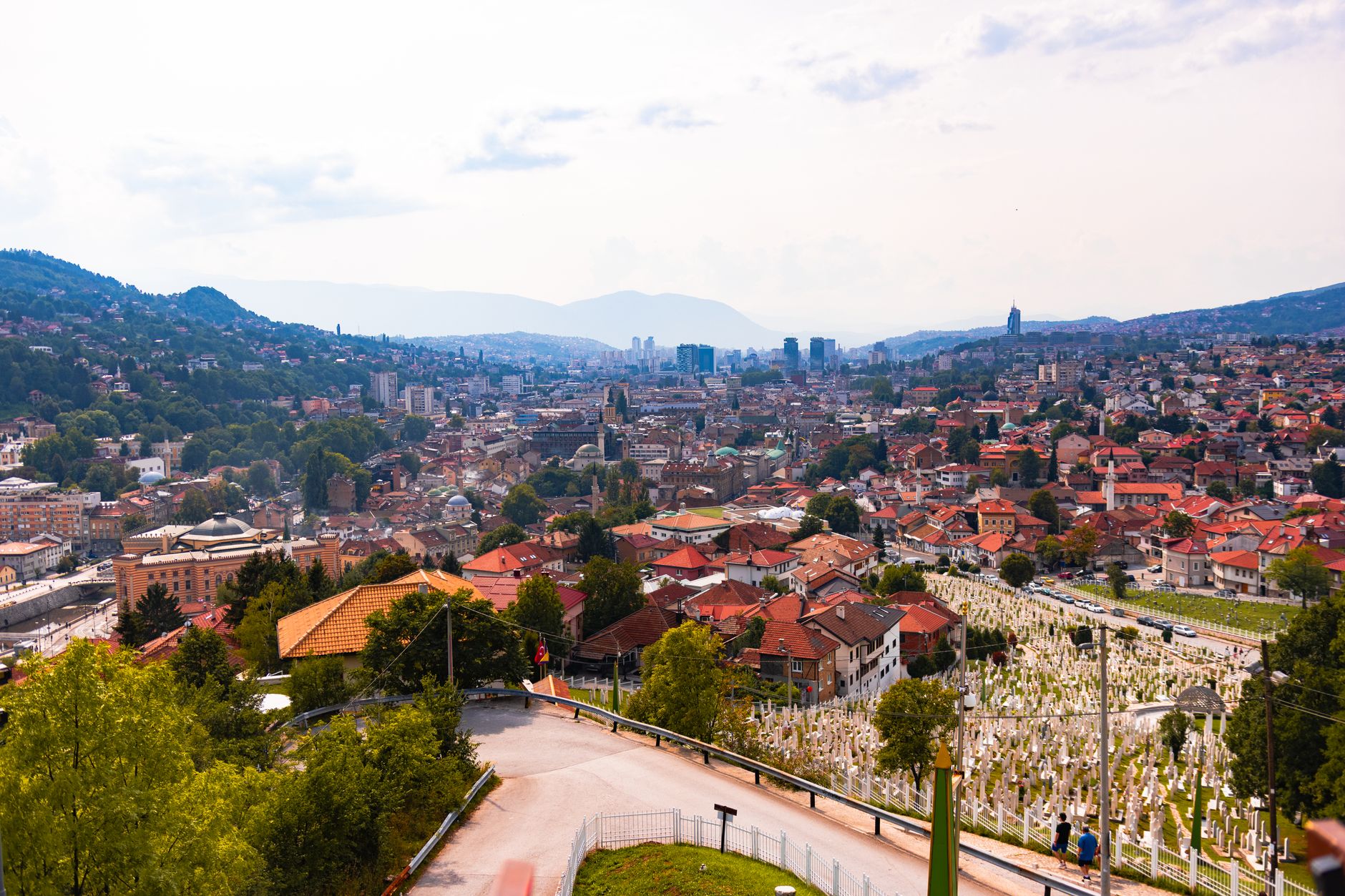
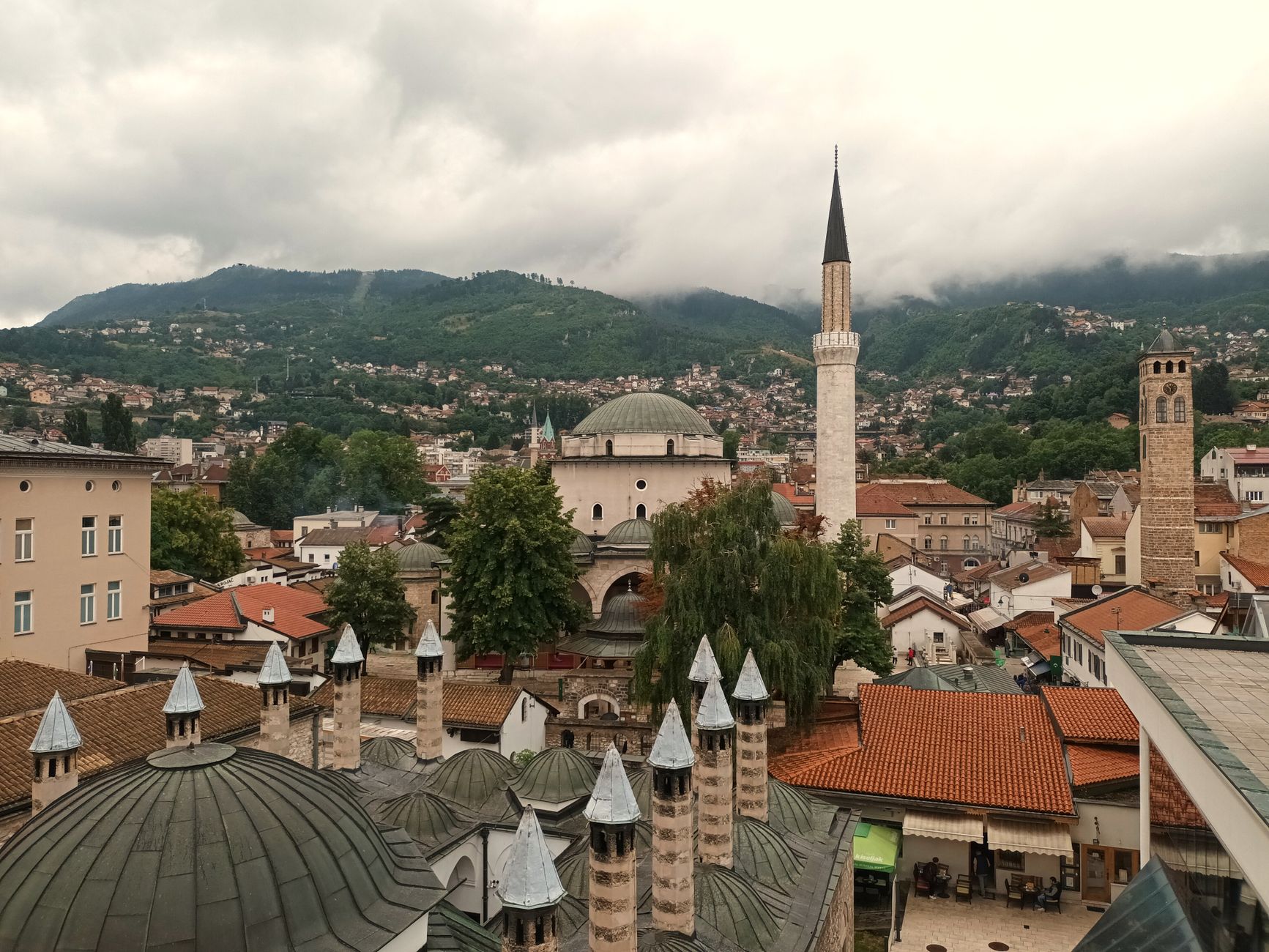
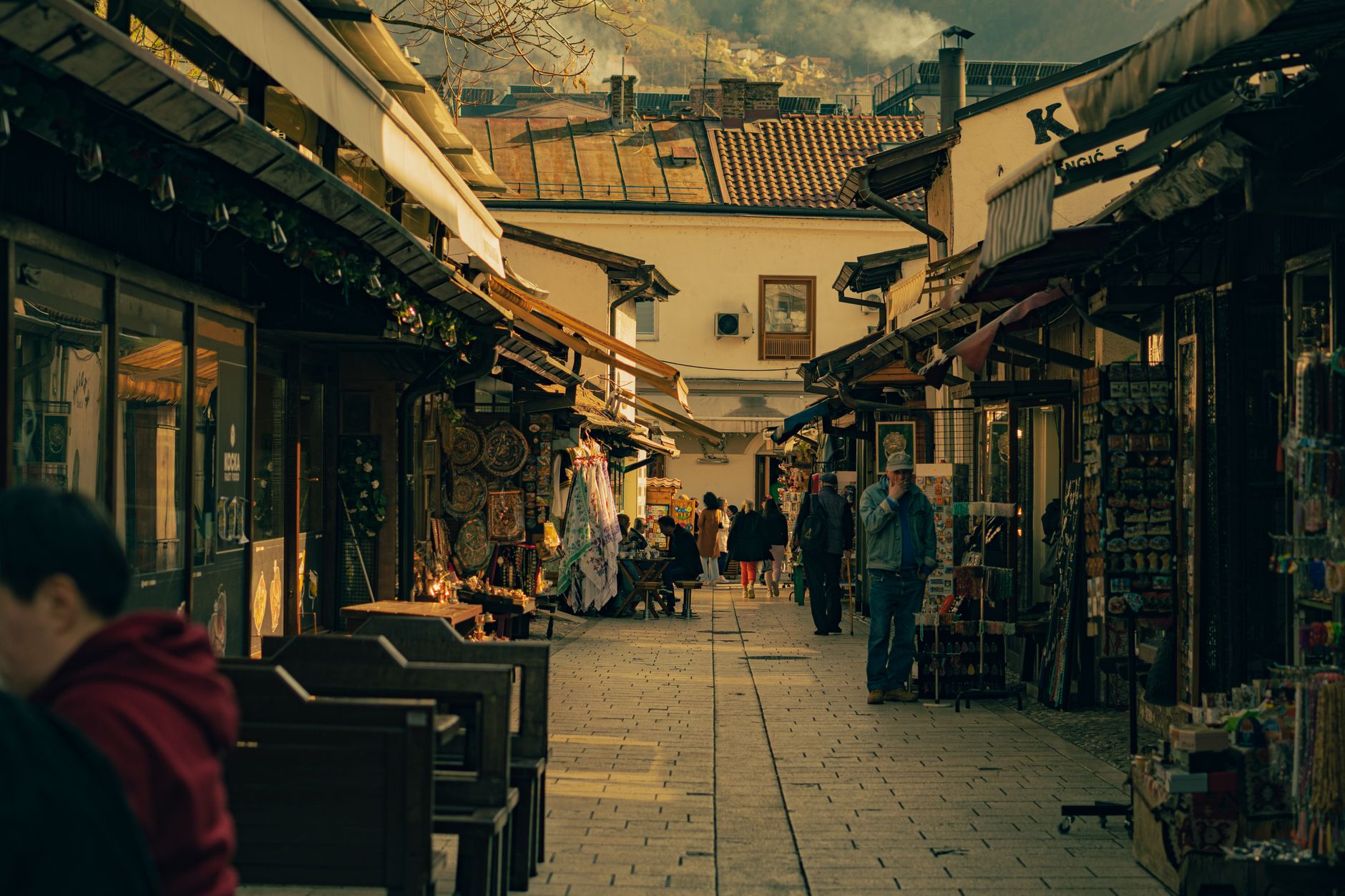
Nestled deep within the emerald embrace of the Dinaric Alps, Sarajevo is a city where centuries of dramatic history, distinct architectural eras, and clashing yet intertwined empires converge. Often referred to as the 'Jerusalem of Europe,' this valley capital holds an incomparable atmosphere where the call to prayer from Ottoman-era mosques harmonizes with the chime of Catholic cathedral bells and Orthodox chants. Walking through the cobbled alleys of Baščaršija, you are instantly transported to a 15th-century Ottoman trading post filled with the aromatic scent of roasted coffee, swirling copper workshops, and bustling market stalls.

Yet, Sarajevo's identity is equally defined by its resilience and its poignant passage into the modern era. The city bears the physical and emotional scars of the 20th century—from the fateful Latin Bridge where Archduke Franz Ferdinand's assassination sparked World War I, to the brutal 1990s siege whose haunting red-resin 'Sarajevo Roses' still scar the sidewalks. Despite these profound trials, the city radiates an indomitable, vibrant warmth. Cafés spill out onto lively pedestrian promenades, creative art and film festivals animate the streets, and a fiercely hospitable local culture welcomes every traveler with open arms and hearty cuisine.

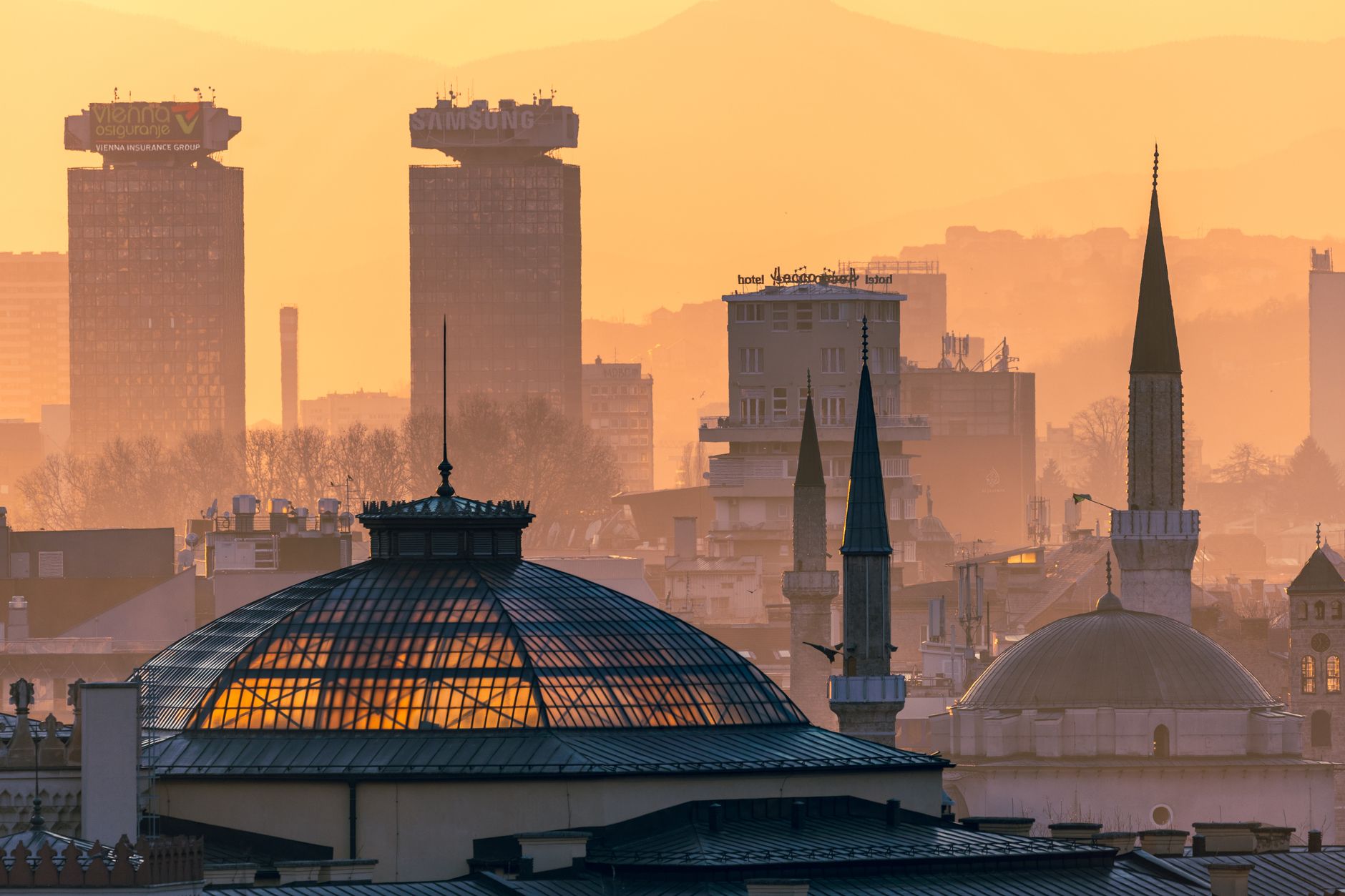
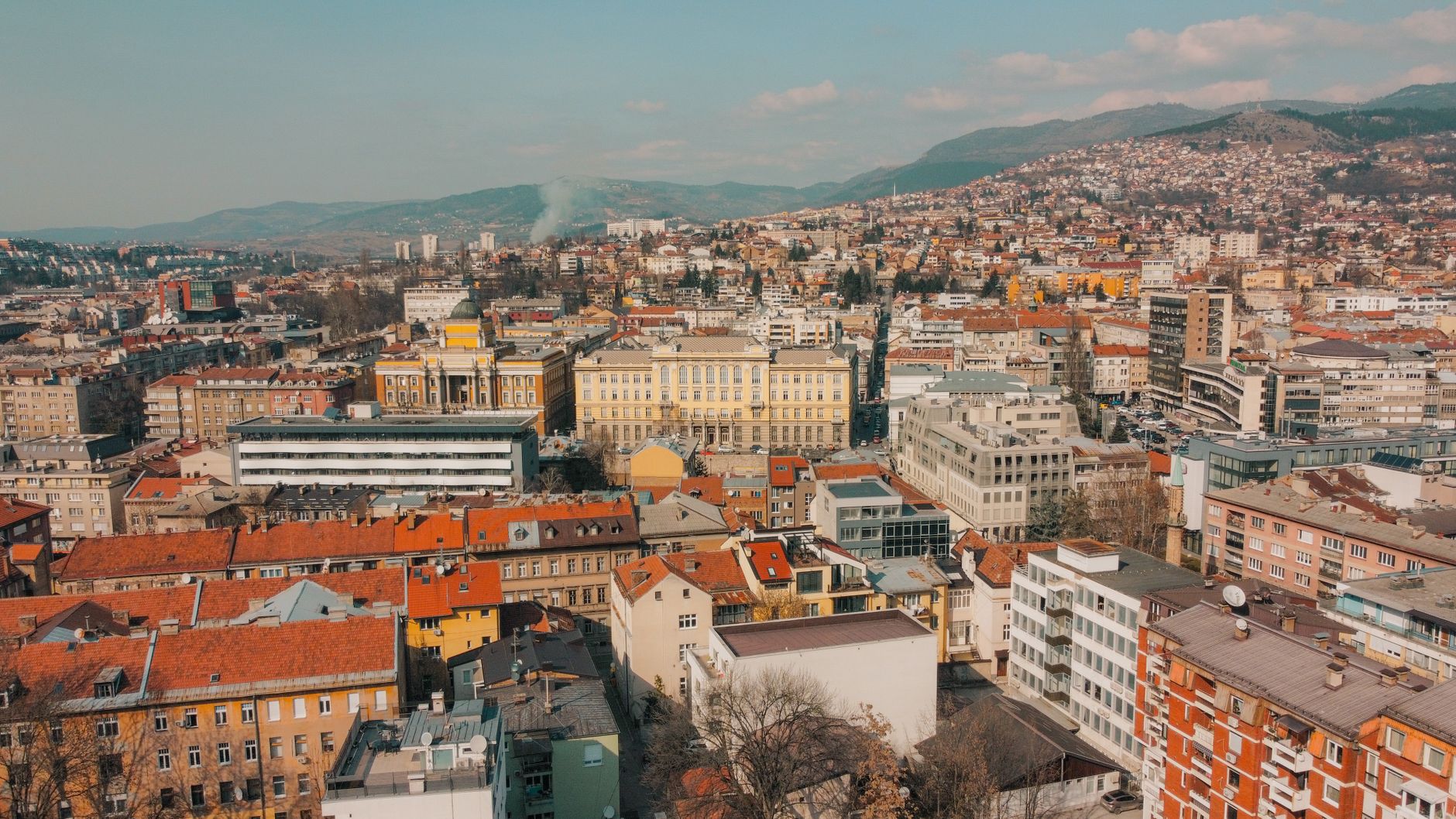
Geographically, Sarajevo is framed by steep, forest-covered mountains that once hosted the 1984 Winter Olympics. These peaks offer a dramatic backdrop to the urban sprawl below, where Austro-Hungarian pastel facades effortlessly abut sleek brutalist apartments and ancient timber-framed houses. The Miljacka River cuts directly through the heart of the city, spanned by numerous bridges that tell stories of connection, division, and peace.

Culturally, life in Sarajevo revolves around 'kafa'—a ritualistic, slow-paced coffee culture that encourages deep conversation and contemplation. Whether you are sampling wood-fired ćevapi in a smoky grill house, riding the newly restored Trebević cable car up into the misty pine forests, or simply wandering through quiet residential mahalas clinging to the steep hillside, Sarajevo offers a profound travel experience that stays with you long after you leave its enchanting valley.

Visual Impressions & Moments

Sarajevo photo 1
Sarajevo photo 2
Sarajevo photo 3
Sarajevo photo 4
Sarajevo photo 5
Sarajevo photo 6
Unmissable Moments

Top Things to Do in Sarajevo

Culture

Sip Traditional Bosnian Coffee in Baščaršija

Immerse yourself in the soulful daily ritual of coffee drinking at a traditional džezva café in the Old Town. Served in a copper set with a sugar cube and ratluk (Bosnian delight), this is not a drink to rush, but an experience to savor. Head to Morića Han, the city's only surviving Ottoman inn, for the most authentic atmosphere. Insider tip: Dip the sugar cube briefly in the water before biting it, then sip the thick coffee.

Scenic

Ride the Trebević Cable Car for Panoramic Views

Reconnecting the city center to the slopes of Mount Trebević, this modern cable car whisks you from the bustling valley floor to lush pine forests in just nine minutes. Once at the top, explore the eerie, graffiti-covered ruins of the 1984 Winter Olympic bobsled track swallowed by nature. Insider tip: Go late in the afternoon to catch a breathtaking sunset over the entire Sarajevo valley.

Must-Do

Walk the Historic Tunnel of Hope

Delve into the poignant recent history of the Bosnian War by visiting the hand-dug tunnel beneath the Sarajevo airport runway that acted as the city's literal lifeline during the 1992–1995 siege. Walking through the preserved section offers a profound understanding of human survival and ingenuity. Insider tip: Watch the short documentary film at the site before entering the tunnel for essential historical context.

Culinary

Feast on Authentic Ćevapi at Baščaršija

No trip to Sarajevo is complete without eating a portion of ćevapi—small, skinless grilled sausages of minced beef served inside flat somun bread with raw onions and kajmak (clotted cream). Join the locals at legendary spots like Željo or Petica. Insider tip: Order a yogurt on the side to cut through the rich, savory flavors of the meat.

Must-See Highlights

Top Places & Things to Do in Sarajevo

Curated attractions and cultural landmarks with local insider advice.

Yellow Fortress (Žuta Tabija)
nature
4.9

Yellow Fortress (Žuta Tabija)

Perched dramatically on the cliffside above the old town in the Jajinci neighborhood, the Yellow Fortress is an old cannon fortification built in the late 18th century as part of the city's defensive walls. While its military function is long past, it has earned legendary status as the premier sunset viewpoint in Sarajevo. Looking out from the stone ramparts, you get a sweeping, uninterrupted panoramic view of the entire city valley, the minarets piercing the skyline, and the distant mountain ranges turning purple and gold as the sun dips below the horizon during dusk.

Open 24/7
Admission: Free
Insider Tip: Bring a blanket and local pastries or coffee to enjoy on the grass wall during sunset, especially during Ramadan when locals gather here to break their fast.
Gazi Husrev-beg Mosque
culture
4.85

Gazi Husrev-beg Mosque

Commissioned in the 16th century by the Ottoman governor Gazi Husrev-beg and designed by the renowned architect Acem Esir Ali, this is the largest historical mosque in Bosnia and Herzegovina and one of the finest examples of Ottoman architecture in the Balkans. The complex includes a courtyard with an ablution fountain, a clock tower, and the turbs (tombs) of its patron. Inside, the mosque stuns with delicate geometric tilework, massive hanging chandeliers, and intricate calligraphic frescoes. It has remained an active place of worship and the spiritual center of the Islamic community in the country for nearly five hundred years.

09:00 - 18:00 (outside prayer times)
Admission: €3
Insider Tip: Dress modestly (shoulders and knees covered) and avoid visiting during the five daily prayer times if you are entering as a tourist.
Latin Bridge
culture
4.6

Latin Bridge

Spanning the Miljacka River, the unassuming stone Ottoman-era Latin Bridge holds immense historical weight. On June 28, 1914, the northern end of this bridge was the site of the assassination of Archduke Franz Ferdinand of Austria and his wife Sophie by Gavrilo Princip—the catalyst that ignited World War I. The bridge itself dates back to the 16th century, though it has been modified and repaired several times following floods and structural wear. Today, it features a small museum exhibit on its corner detailing the momentous geopolitical events that reshaped the modern world.

Open 24/7
Admission: Free
Insider Tip: Combine a visit to the bridge with the nearby Museum of Sarajevo 1878–1918 located right on the corner for complete historical context.
Baščaršija Sebilj
attraction
4.75

Baščaršija Sebilj

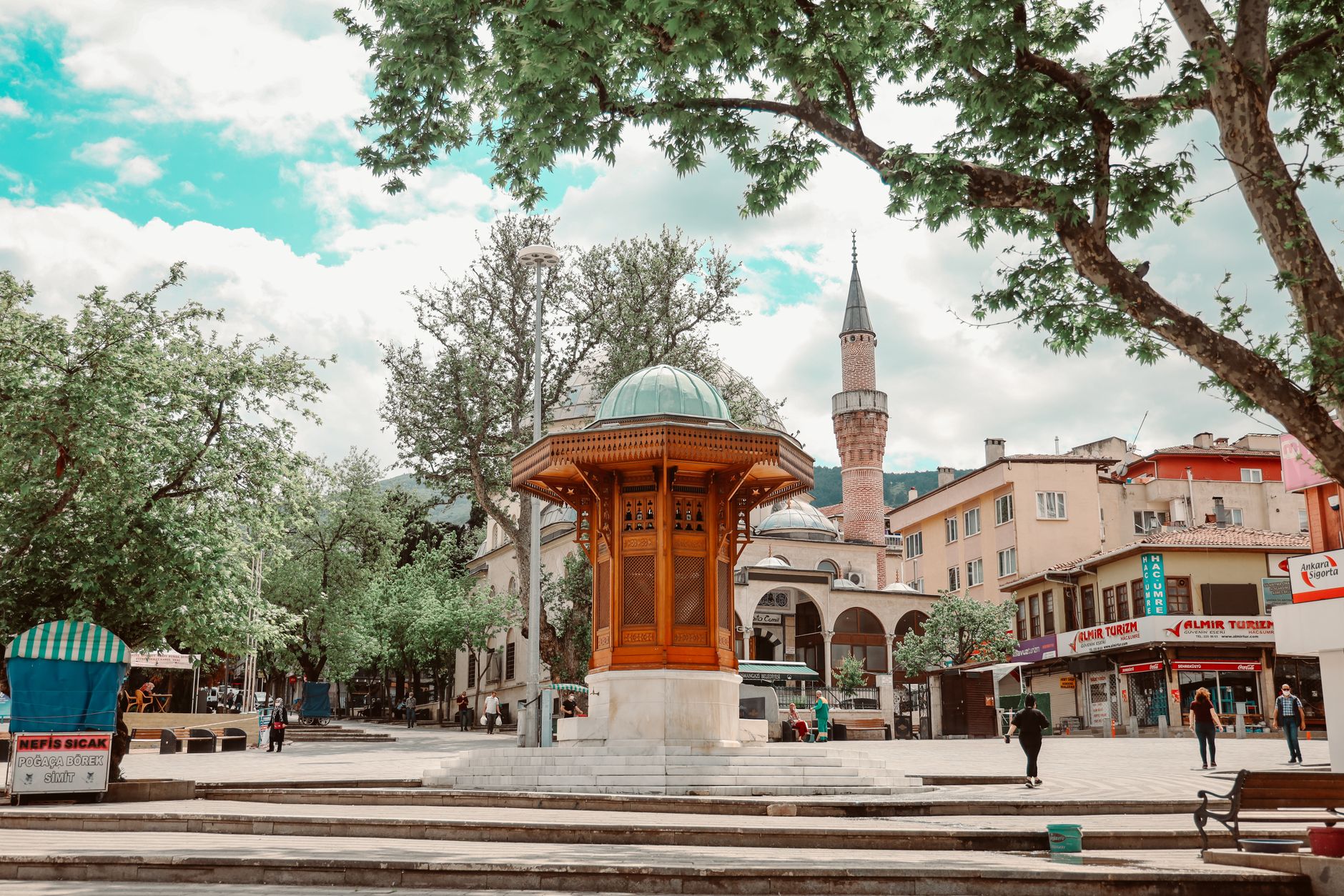
The wooden pseudo-Moorish fountain located in the center of Baščaršija square is the ultimate symbol of Sarajevo. Originally built in the 18th century by Hafiz Mehmed-paša and later rebuilt in the late 19th century, it serves as the primary meeting point for locals and travelers alike. Legend has it that anyone who drinks water from this ornate fountain is guaranteed to return to Sarajevo. Surrounded by flocks of pigeons and bustling outdoor cafes, the square acts as the vibrant nucleus of the city's social fabric. From here, all major paths branch out into the labyrinthine artisan streets where craftsmen still hammer copper coffee sets by hand.

Open 24/7
Admission: Free
Insider Tip: Visit early in the morning before the crowds arrive to capture photographs of the fountain against the misty mountain background.
Area Guide

Where to Stay & Best Neighborhoods

Baščaršija

Best for: First-time visitors, photography, shopping, traditional dining

Vibe: Historic Ottoman bazaar, copper smiths, vibrant alleys, cobblestones

The beating heart of old Sarajevo, Baščaršija transports visitors straight back to the 15th century. Filled with bustling market lanes named after historic guilds—such as Kazandžiluk (Coppersmith Street)—this pedestrian zone is packed with historic mosques, public fountains like Sebilj, and aromatic eateries.

Marijin Dvor

Best for: Architecture enthusiasts, museum-goers, modern city life

Vibe: Austro-Hungarian grand architecture, wide boulevards, museums, urban pulse

Representing the shift from Ottoman rule to Austro-Hungarian modernization, Marijin Dvor features grand administrative buildings, museums, and symmetrical street grids. It is home to the National Museum of Bosnia and Herzegovina and offers a striking contrast to the winding lanes of the Old Town.

Bistrik

Best for: Slow travel, quiet exploration, authentic local neighborhoods

Vibe: Hilly residential mahalas, steep cobblestone steps, panoramic viewpoints

Climbing steeply up the southern slopes of the Miljacka River, Bistrik is a quiet residential neighborhood of red-roofed houses, sloping gardens, and historic religious sites including the Franciscan Monastery. Wandering its winding stairs rewards you with stunning angles of the city below.

Food & Drink Scene

What to Eat in Sarajevo

Ćevapi u Somunu

The quintessential Bosnian comfort food consisting of grilled minced beef sausages stuffed inside a warm, spongy flatbread called somun, generously garnished with chopped onions.

🍴 Top spot: Ćevabdžinica Željo

Burek i Pite

Hand-stretched flaky pastry phyllo dough coiled into spirals and stuffed with savory fillings. Burek specifically refers to minced meat, while sirnica contains cottage cheese, and zeljanica features spinach.

🍴 Top spot: Buregdžinica Sač

Bosanska Kahva i Rahat Lokum

Unfiltered Bosnian coffee brewed in a copper pot (džezva) and poured into a handleless cup (fildžan), traditionally paired with a cube of sugar and Turkish delight.

🍴 Top spot: Inat Kuća
Excursions

Best Day Trips from Sarajevo

Mostar & The Neretva River Valley

2 hours by train or car

Journey south through breathtaking mountain gorges to the iconic city of Mostar, famous for its magnificent Ottoman Stari Most (Old Bridge) arching over the turquoise Neretva River, Ottoman-era houses, and vibrant bazaar.

Travnik & Jajce Waterfalls

1.5 to 2.5 hours by car

Explore the former Ottoman vizier city of Travnik with its hilltop fortress and painted mosque, then continue to Jajce to witness a magnificent 22-meter waterfall plunging right in the center of an ancient walled town.

When to Go

Best Time to Visit & Seasonality

Editor’s Pick: May through September offers the most pleasant weather for outdoor exploration, café culture, and hiking in the surrounding mountains. Spring brings blooming orchards and comfortable temperatures, while summer hosts vibrant cultural events like the Sarajevo Film Festival in August. Autumn (September to October) is exceptionally picturesque with golden foliage, though winter (December to February) is ideal for skiing enthusiasts looking to explore the nearby Olympic peaks.

Spring Overview

(April - May)
Quiet / Low Season
Average Temperature & Climate10°C to 20°C

Mild, occasional rain showers, blooming flora

Crowd & Travel ConditionsLow Tourist Traffic

Fewer lines and better deals.

✨ Seasonal Highlights:Comfortable walking weather, outdoor cafe terraces reopening, fewer crowds at major historical sites.
Travel Smarter

Practical Travel Essentials

CurrencyBAM (Convertible Mark)
LanguageBosnian, Croatian, Serbian
Time ZoneCET (Central European Time, UTC+1)

Visa & Entry

Visa-free entry for up to 90 days for citizens of the EU, US, Canada, UK, Australia, and New Zealand.

Getting Around & Transit

The historic center is entirely pedestrian-friendly and best explored on foot. For longer distances, an efficient tram network runs along the main boulevard, complemented by affordable local taxis.

Daily Budget Expectation

€45 - €90 per day comfortably covers hostel or mid-range hotel accommodation, hearty traditional meals, museum tickets, and public transport.

Safety & Health

High. Sarajevo is one of the safest capitals in Europe, though standard caution with belongings in crowded tourist areas is advised.

Local Etiquette & Customs

Greet locals with 'Zdravo' or 'Dobar dan.' When entering homes or traditional establishments, it is polite to remove shoes if requested. Coffee is a slow social ritual—never rush your server.

Questions & Answers

Frequently Asked Questions about Sarajevo

Yes, Sarajevo is exceptionally safe for solo travelers, including solo female travelers. Violent crime is extremely rare, and locals are famously warm and helpful.