2026 GuideVoyage Roams Best in Travel: Top 10 Bucket List Destinations
Read Rankings
Shibuya
cityAsia
4.92 / 5.0

Shibuya

The neon-lit pulse of modern Tokyo where relentless innovation meets timeless youth culture.

Advertisement
Editorial Guide

About Shibuya

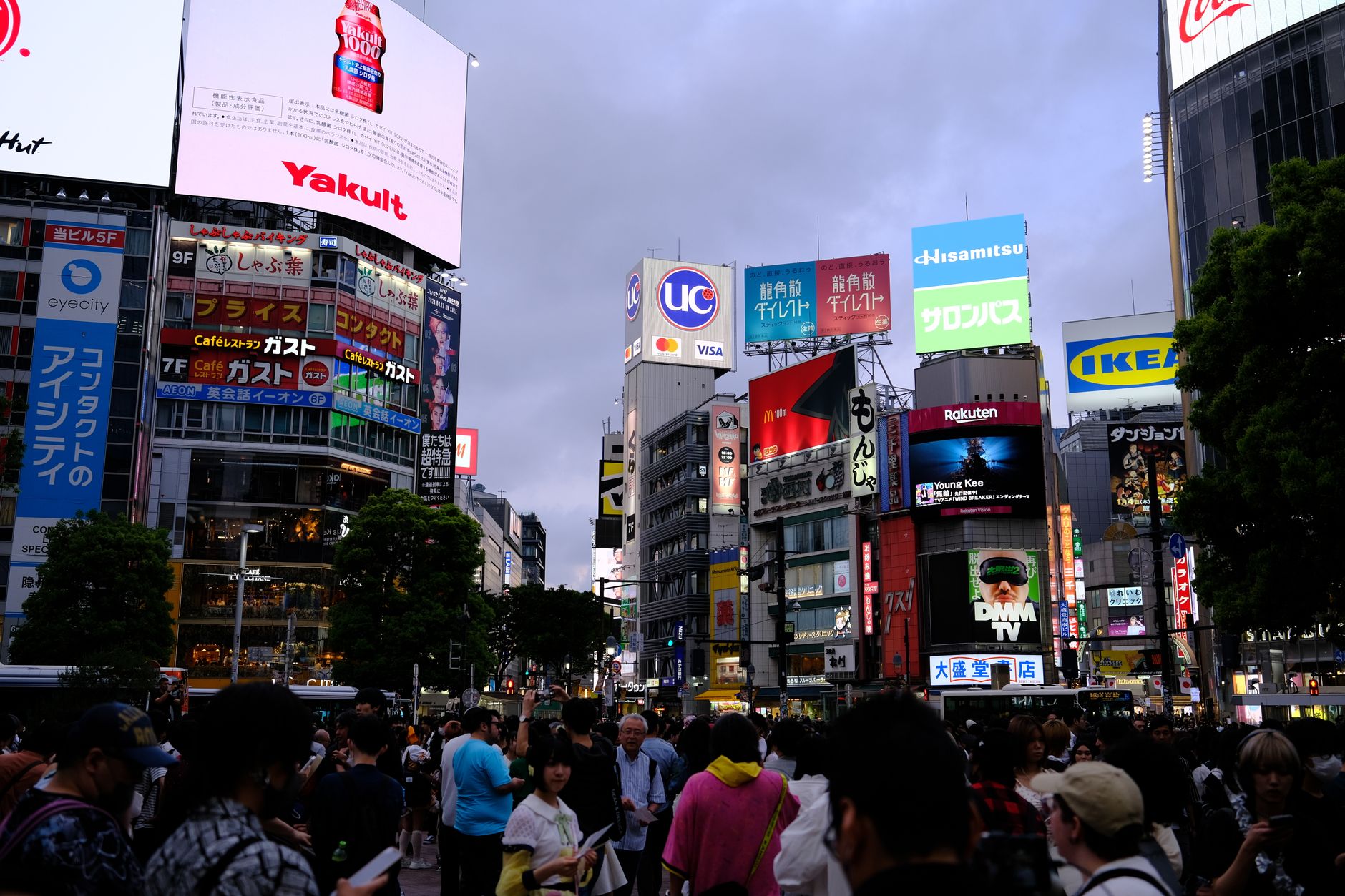
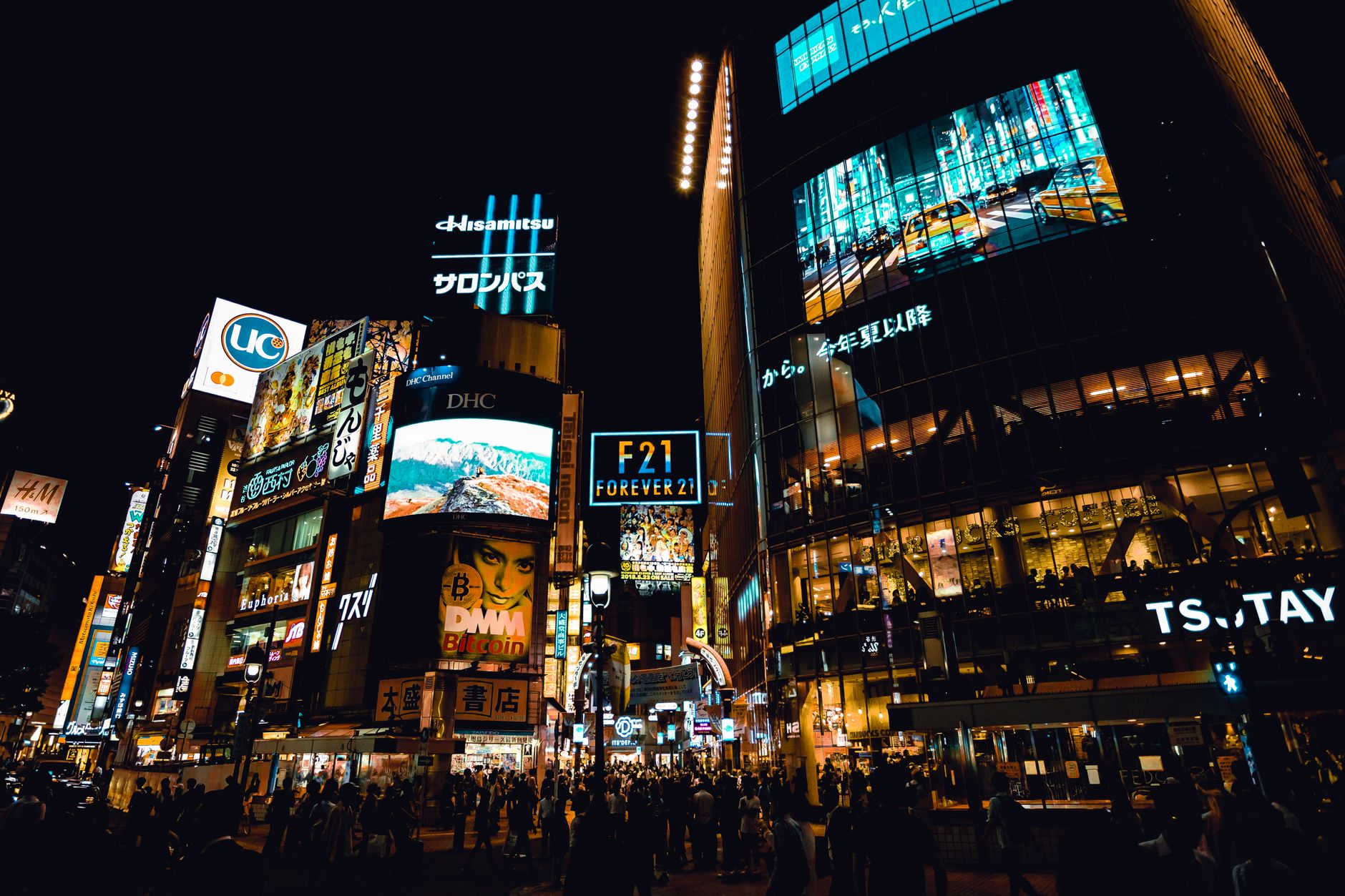
Shibuya is not merely a district; it is an electric, pulsating organism that defines the very heartbeat of 21st-century Tokyo. Historically a modest post-town along the Kamakura Kaido, the area has undergone staggering metamorphoses, evolving from a bohemian enclave of artists and intellectuals into the undisputed epicentre of Japanese fashion, youth culture, and technological advancement. Towering skyscrapers wrapped in colossal LED screens cast a futuristic luminescence over the kinetic asphalt, creating a dynamic visual symphony that mesmerizes millions of global travelers daily.

Beneath its hyper-modern veneer, Shibuya maintains a deeply textured local life rooted in community and culinary obsession. The geography of the ward is a masterclass in urban density, where vertical labyrinthine complexes sit side-by-side with tranquil, moss-draped residential alcoves and hidden alleyways draped in crimson lanterns. From the legendary, chaotic ballet of Shibuya Crossing to the quiet, leafy pathways leading up to Meiji Shrine on its western border, the ward presents an intoxicating duality of relentless speed and serene sanctuary.

Culturally, Shibuya is the creative incubator for the nation's contemporary identity. It is where street fashion trends are born, underground subcultures find their voice, and culinary traditions are continually re-imagined by boundary-pushing chefs. The atmosphere shifts dramatically throughout the day—from the purposeful, synchronized rush of salarymen and students during the morning commute to the euphoric, neon-drenched sensory overload of Friday night as indie musicians, fashionistas, and nocturnal explorers flood the labyrinthine backstreets of Udagawacho and Dogenzaka.

Engaging with Shibuya requires surrendering to its rhythm. To truly understand its geography is to appreciate how seamlessly commercial megastructures like Shibuya Scramble Square integrate with subterranean izakayas that have served comforting yakitori for decades. It is a place where history is continually being written in real-time, inviting every visitor to become a momentary player in its grand, ever-evolving urban drama.

Visual Impressions & Moments
Shibuya photo 1
Shibuya photo 2
Shibuya photo 3
Shibuya photo 4
Shibuya photo 5
Shibuya photo 6
Unmissable Moments

Top Things to Do in Shibuya

Must-Do

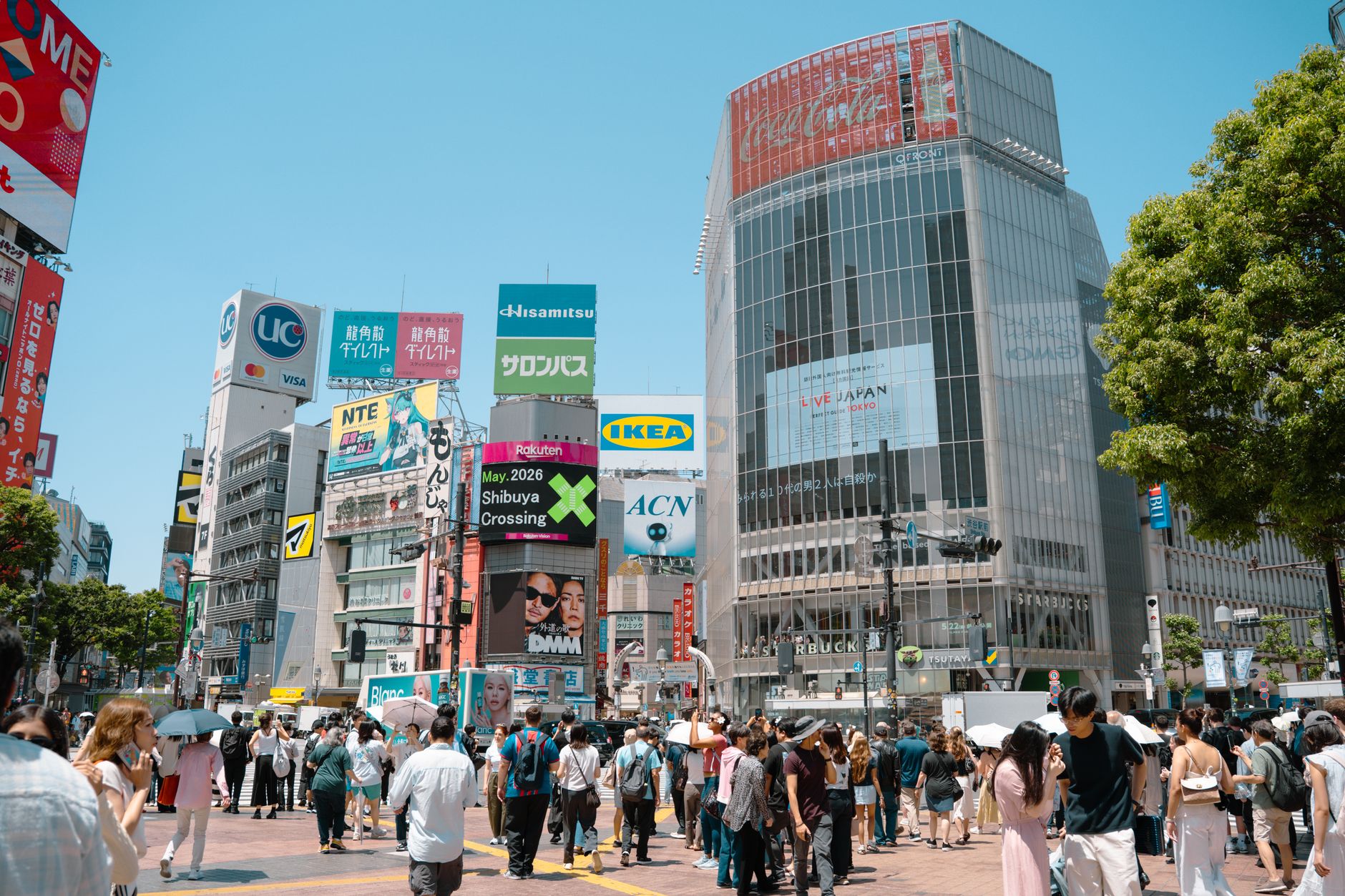
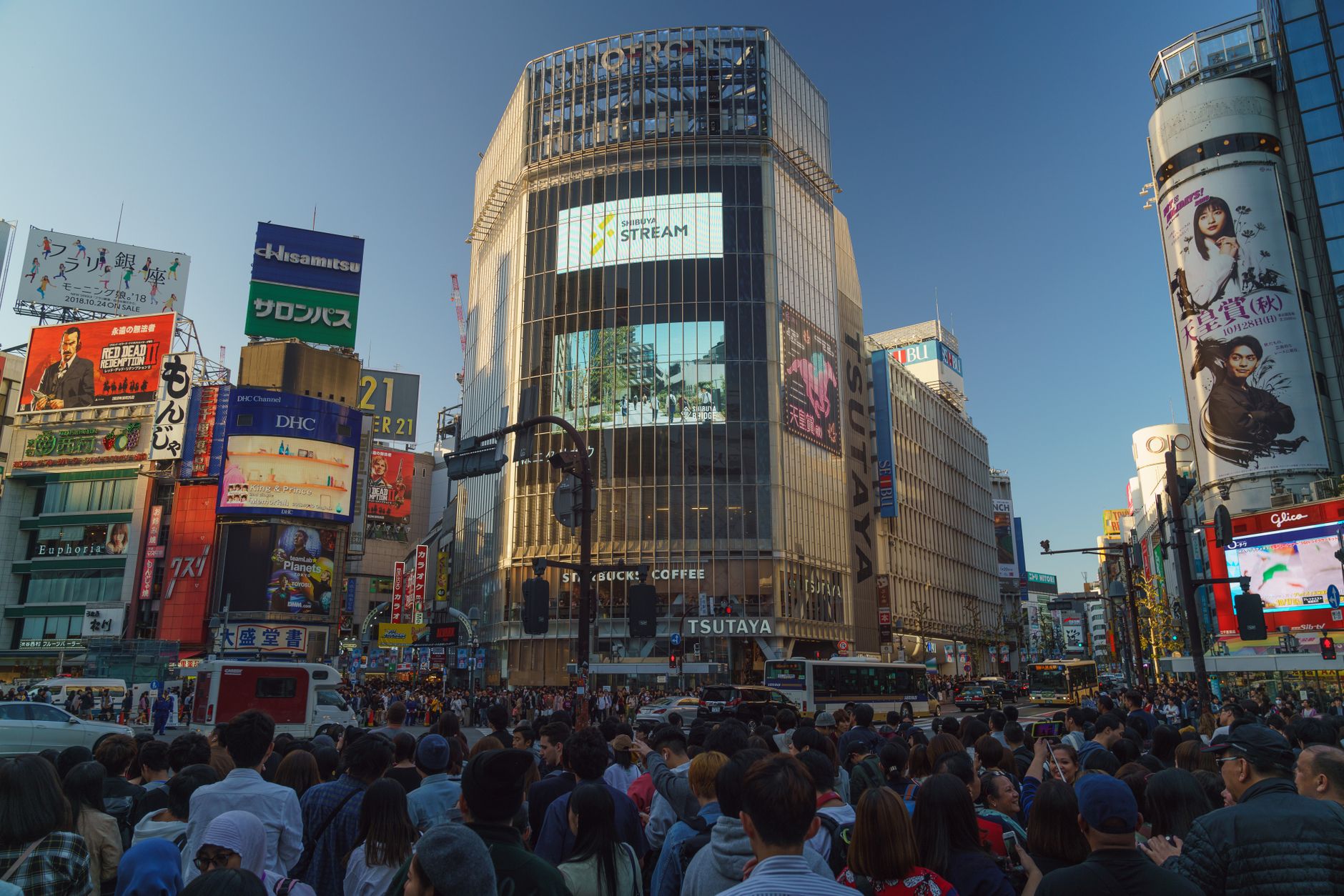
Conquer the Legendary Shibuya Scramble Crossing

Step into the swirling vortex of the world's busiest pedestrian intersection. Join the synchronized human tide as thousands of people cross simultaneously from all directions without colliding. For the ultimate cinematic view, head up to Shibuya Sky at sunset to witness the mesmerizing geometric dance from 230 meters above the asphalt.

Culture

Unwind in the Forest Sanctuary of Meiji Jingu

Escape the hyper-stimulated neon sprawl by stepping through the massive wooden torii gates into the deeply peaceful forested grounds of Meiji Shrine. Dedicated to the deified spirits of Emperor Meiji and Empress Shoken, this 170-acre sacred woodland is home to over 120,000 trees, offering a profound meditative respite just minutes from Harajuku station.

Culinary

Dive into the Retro Alleys of Nonbei Yokocho

Tucked directly beside the train tracks, 'Drunkard's Alley' transports visitors straight back to the Showa era. These impossibly narrow, lantern-lit alleyways house dozens of tiny drinking dens that seat only five to eight patrons at a time, serving grilled skewers, cold draft beer, and intimate conversations with local regulars.

Adventure

Hunt for Vintage Treasures in Ura-Harajuku

Venture off the main tourist drags into the tranquil backstreets of Ura-Harajuku (Cat Street and surrounding lanes). This stylish neighborhood is the undisputed cradle of Japanese streetwear, featuring independent boutiques, avant-garde concept stores, and artisanal coffee shops nestled in sleek, minimalist architectural marvels.

Must-See Highlights

Top Places & Things to Do in Shibuya

Curated attractions and cultural landmarks with local insider advice.

Shibuya Sky
attraction
4.9

Shibuya Sky

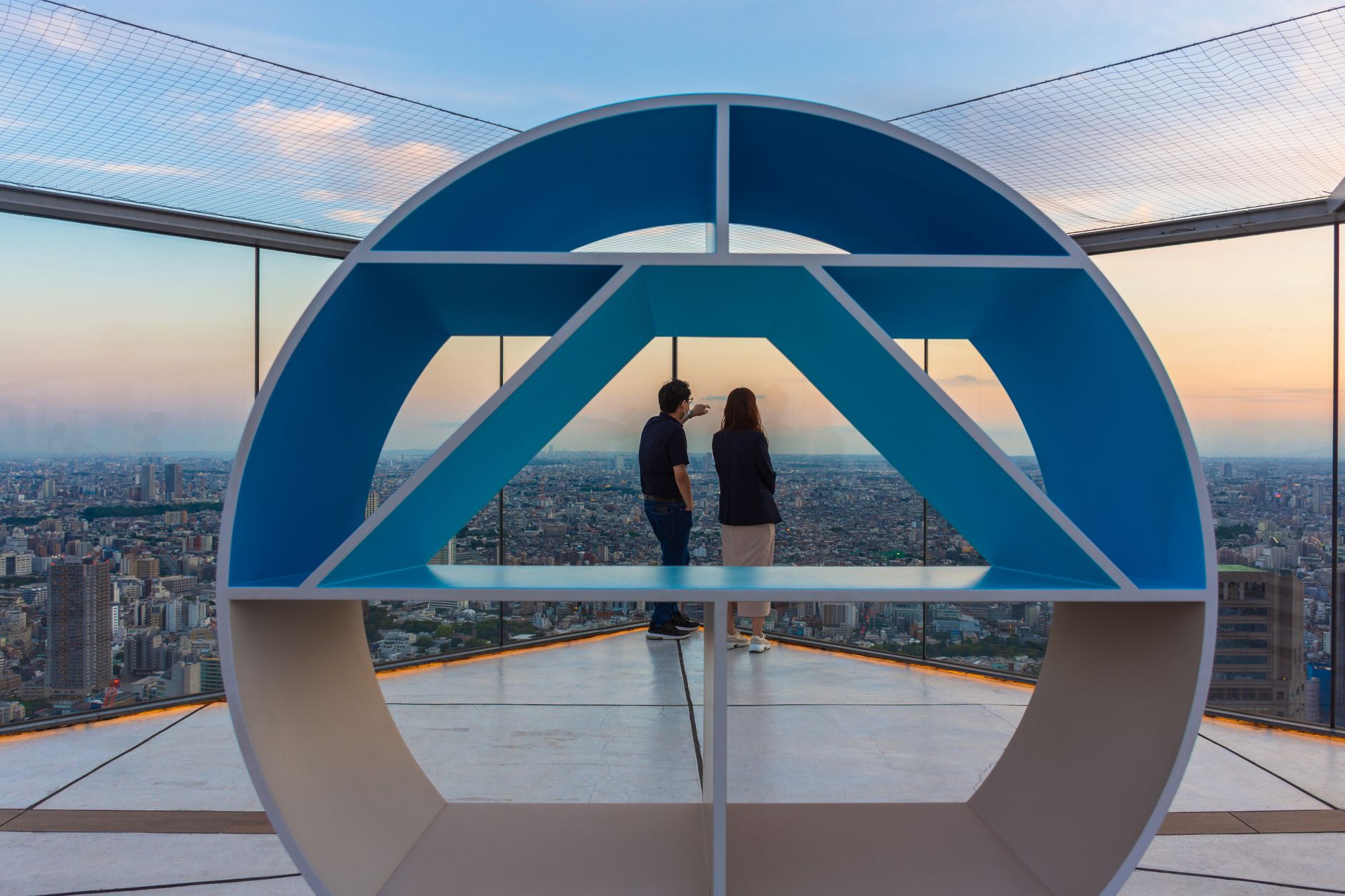
Perched atop the Shibuya Scramble Square tower at 229 meters high, Shibuya Sky is Tokyo's most spectacular open-air rooftop observation deck. Offering a 360-degree unobstructed panorama of the sprawling metropolis, visitors can gaze down directly onto the chaotic scramble crossing, spot Tokyo Tower and Skytree in the distance, and catch immaculate sunset silhouettes of Mount Fuji. The facility features a transitional indoor gallery space with digital art installations before guests step out onto the sweeping rooftop lawn, equipped with comfortable hammock nets and glass-corner viewing platforms that make you feel as though you are floating directly above the clouds. Advance booking online is strictly mandatory, especially for the coveted sunset time slots.

10:00 AM – 10:30 PM
Admission: ¥2,200
Insider Tip: Book your ticket exactly four weeks in advance for the prime golden hour slot just before sunset.
Shibuya Nonbei Yokocho
food
4.6

Shibuya Nonbei Yokocho

Literally translating to 'Drunkard's Alley', Nonbei Yokocho is a nostalgic, time-warped labyrinth of narrow alleyways located immediately adjacent to the Yamanote train line tracks. Dating back to the post-war black markets of the 1950s, this pocket of Tokyo preserves the Showa-era aesthetic with rustic wooden facades, glowing red lanterns, and narrow pathways that barely accommodate two people walking abreast. The alley houses upwards of forty ultra-intimate drinking dens and yakitori stalls, many seating no more than five to eight patrons around a tiny counter. It offers an incredible window into old-school Japanese drinking culture, where international travelers and local salarymen rub shoulders over charcoal-grilled skewers and cold draft beer.

5:00 PM – Midnight (Varies by stall)
Admission: ¥¥
Insider Tip: Many bars have a small table charge (otoshi) and limited English menus; embrace the adventure and point at what neighbors are ordering.
Area Guide

Where to Stay & Best Neighborhoods

Dogenzaka & Udagawacho

Best for: Nightlife enthusiasts, music lovers, clubbers, and ramen seekers.

Vibe: High-energy entertainment district, neon-drenched streets, music hubs, and late-night nightlife.

This is the beating economic and recreational heart of Shibuya. Dominated by multi-story entertainment complexes, live music venues, fashion towers like Shibuya 109, and thousands of dining establishments, Dogenzaka and Udagawacho never truly sleep. Walking through these sloping streets reveals a dizzying array of arcade halls, record stores, and underground bars.

Jingu-mae & Cat Street

Best for: Fashionistas, photographers, design lovers, and cafe hoppers.

Vibe: Pedestrian-only fashion corridor, cutting-edge streetwear, leafy walkways, and chic cafes.

Connecting Shibuya to Harajuku, Cat Street is a charming, vehicle-free alleyway lined with world-class independent fashion boutiques, specialty coffee roasters, and contemporary art galleries. The surrounding Jingu-mae neighborhood balances high-end architectural flagship stores with cozy residential calmness.

Tomigaya & Kamiyamacho

Best for: Foodies, remote workers, bakery enthusiasts, and travelers seeking an authentic local vibe.

Vibe: Bohemian, artisanal, neighborhood-focused, and effortlessly cool.

Located just a short, pleasant walk northwest of Shibuya station, Tomigaya and Kamiyamacho feel like a chic Parisian village grafted onto Tokyo. Home to award-winning bakeries, artisanal bean-to-bar chocolate shops, natural wine bars, and tranquil residential lanes, it offers a soothing counterpoint to the commercial intensity of central Shibuya.

Food & Drink Scene

What to Eat in Shibuya

Tsukemen (Dipping Ramen)

Unlike traditional ramen where noodles sit in broth, tsukemen features thick, chewy noodles served cold alongside a separate, intensely concentrated seafood-and-pork bone dipping broth. Patrons dip the noodles bite by bite into the rich broth, finishing the meal by adding clear dashi stock to dilute and drink the remaining sauce.

🍴 Top spot: Menya Musashi

Yakitori (Charcoal-Grilled Chicken Skewers)

Masterfully skewered cuts of free-range chicken—ranging from succulent thighs and crispy skin to tender hearts and cartilage—grilled over binchotan white charcoal. Brushed with secret tare sweet soy glaze or simply sprinkled with sea salt, it is the quintessential Japanese izakaya comfort food.

🍴 Top spot: Toritake

Monjayaki

Tokyo’s distinctive, runny cousin to okonomiyaki. A finely chopped mixture of cabbage, seafood, and meat is cooked on a sizzling teppan grill in a thin, dashi-rich batter, creating a delicious caramelized crust on the bottom that you scrape up with a tiny spatula.

🍴 Top spot: Tsukishima Monja Moheji Shibuya
Excursions

Best Day Trips from Shibuya

Kamakura Coastal Temples & Great Buddha

55 mins via JR Shonan-Shinjuku Line

Escape to the historic seaside capital of medieval Japan. Explore majestic Zen temples nestled in bamboo groves, hike scenic ridge trails, and stand in awe before the towering outdoor bronze Great Buddha.

Enoshima Island & Shonan Coast

70 mins via Toyoko and Odakyu Lines

A breezy seaside resort island connected to the mainland by a pedestrian bridge. Enjoy dramatic ocean views, sacred shrines perched on clifftops, fresh grilled whitebait seafood, and distant vistas of Mount Fuji.

When to Go

Best Time to Visit & Seasonality

Editor’s Pick: March to May for glorious cherry blossoms and mild spring weather, or October to November for crisp autumn foliage and comfortable walking temperatures.

Spring Overview

(March to May)
Peak Crowds
Average Temperature & Climate10°C to 22°C

Mild, sunny, and pleasant with occasional spring breezes.

Crowd & Travel ConditionsPeak Tourist Traffic

Book hotels 3-6 months ahead.

✨ Seasonal Highlights:Sakura cherry blossoms blooming along Yoyogi Park and the Meguro River; vibrant outdoor cafe culture.
Travel Smarter

Practical Travel Essentials

CurrencyJPY (¥)
LanguageJapanese
Time ZoneJST (UTC+9)

Visa & Entry

Tourist visas are not required for citizens of over 60 countries for stays up to 90 days. Ensure your passport is valid for the duration of your stay.

Getting Around & Transit

Shibuya Station is one of the world's busiest rail hubs, served by the JR Yamanote line, Tokyo Metro lines, and private railways. Purchase a Suica or Pasmo IC card on your smartphone wallet for seamless tap-and-go transit access.

Daily Budget Expectation

¥10,000 – ¥25,000 JPY per day covering casual dining, transit, attraction tickets, and comfortable mid-range accommodation.

Safety & Health

Exceptionally high. Japan boasts one of the lowest crime rates globally, making Shibuya safe for solo travelers and night exploration.

Local Etiquette & Customs

Tipping is non-existent and can cause confusion. Walk on the left side of escalators and corridors. Refrain from eating while walking; consume street food near the stall where purchased.

Questions & Answers

Frequently Asked Questions about Shibuya

While the crossing is active all day, visiting around twilight (sunset) offers the most dramatic neon lighting effects and stunning views from above at Shibuya Sky.