🌟 Best in Travel 2026 is here!
Sidi Bou Said
cityAfrica
4.85 / 5.0

Sidi Bou Said

A Mediterranean dream of brilliant blue doors, sun-drenched white walls, and poetic sea views.

Advertisement
Editorial Guide

About Sidi Bou Said

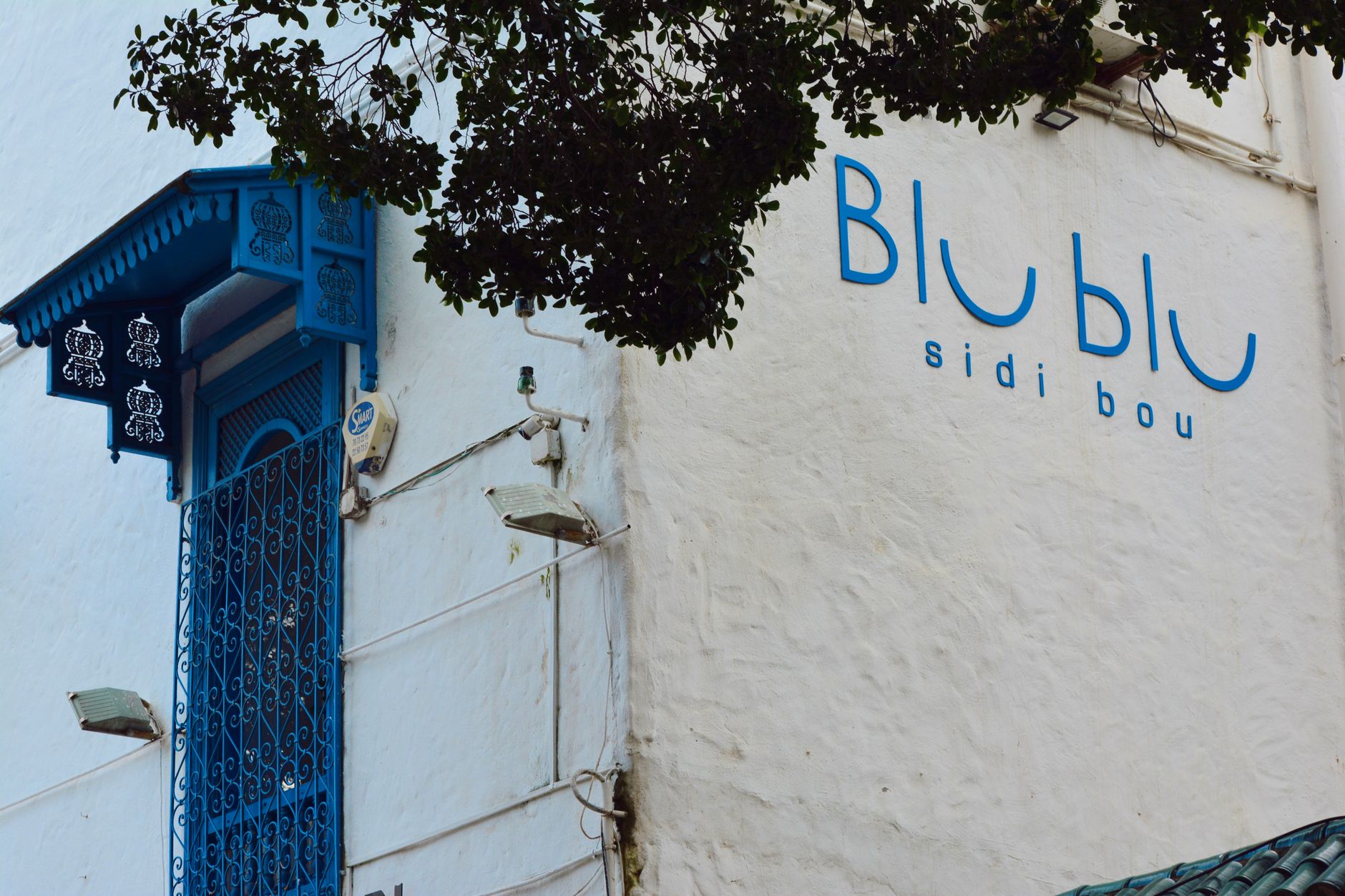
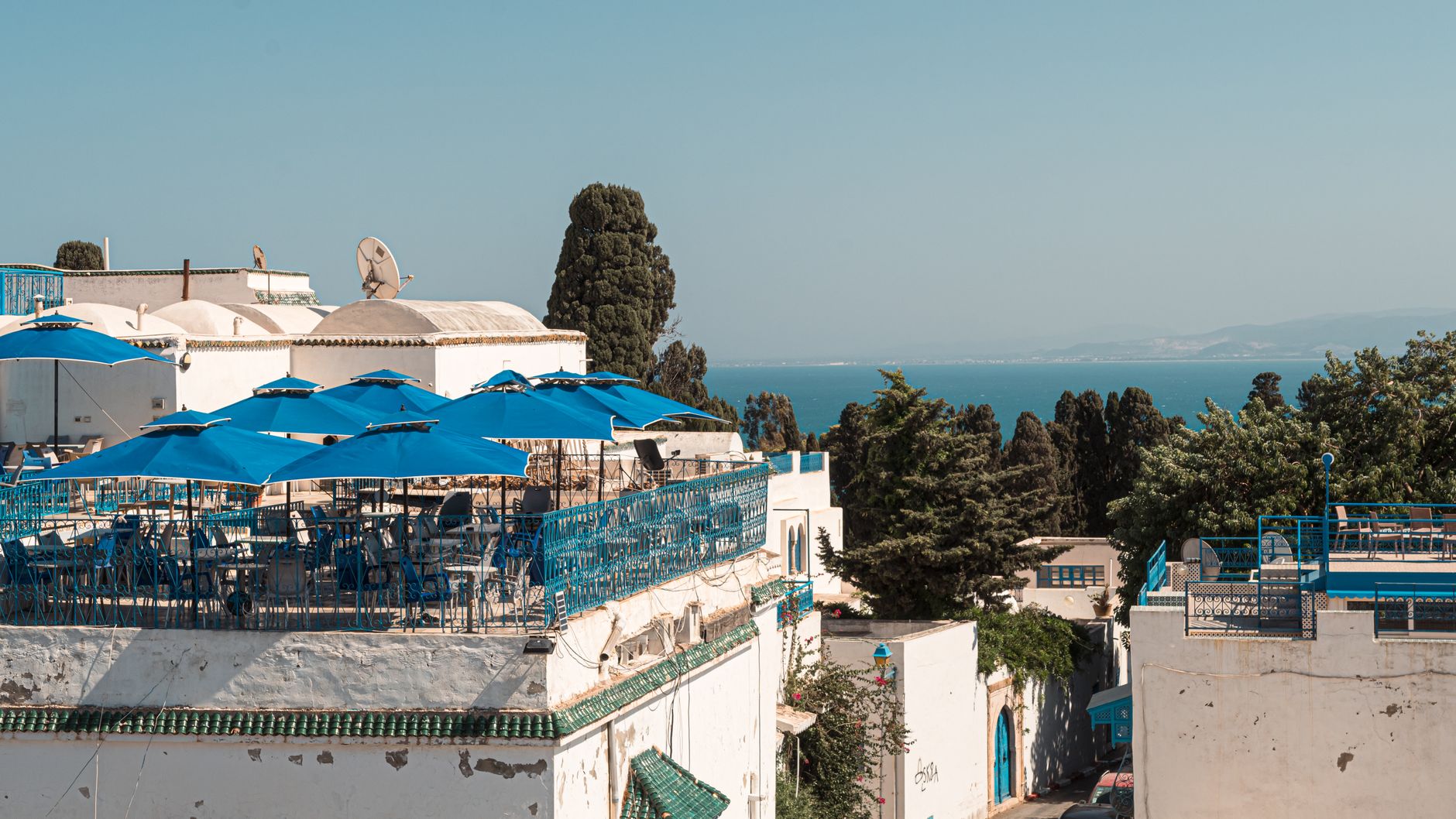
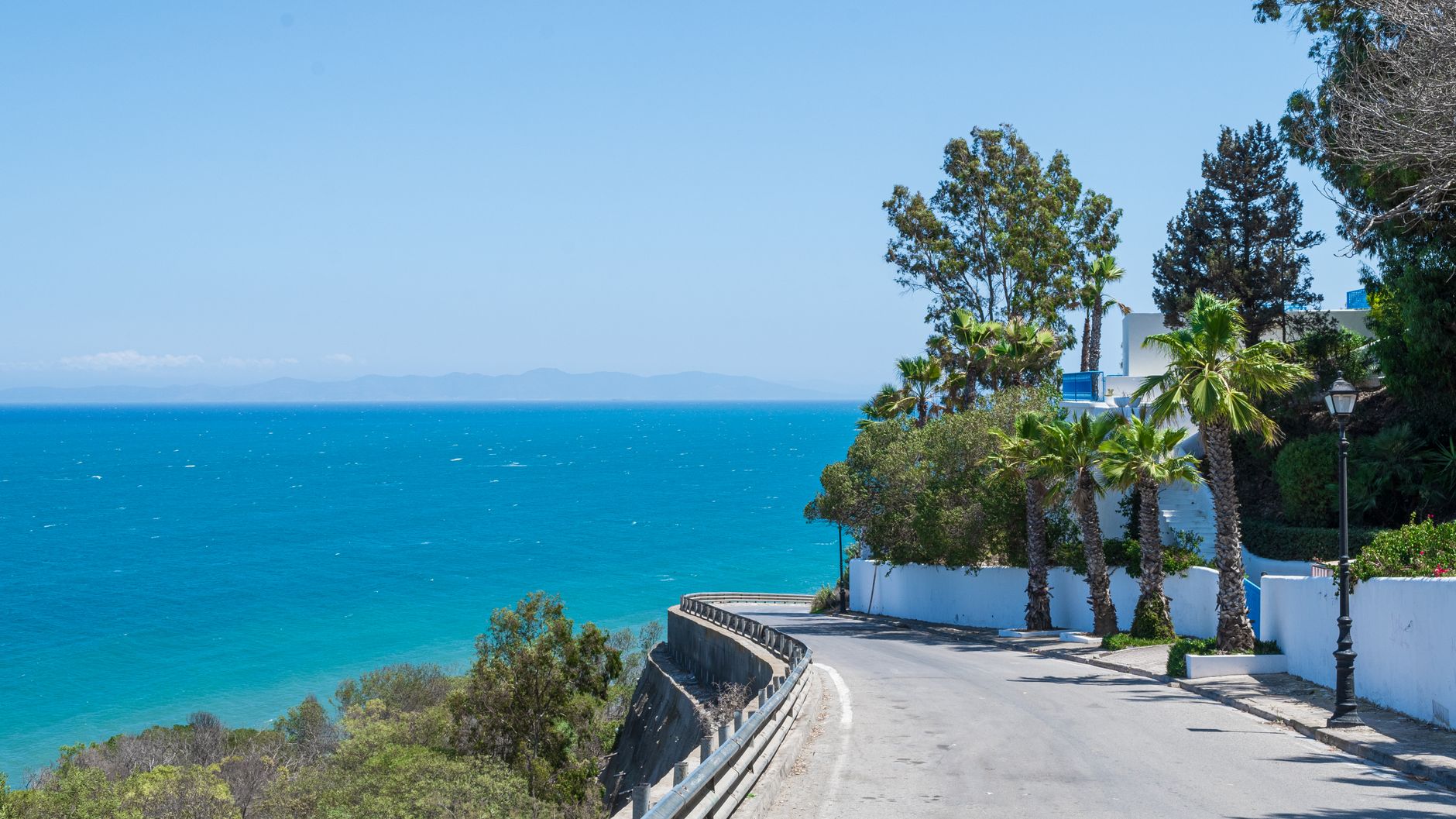
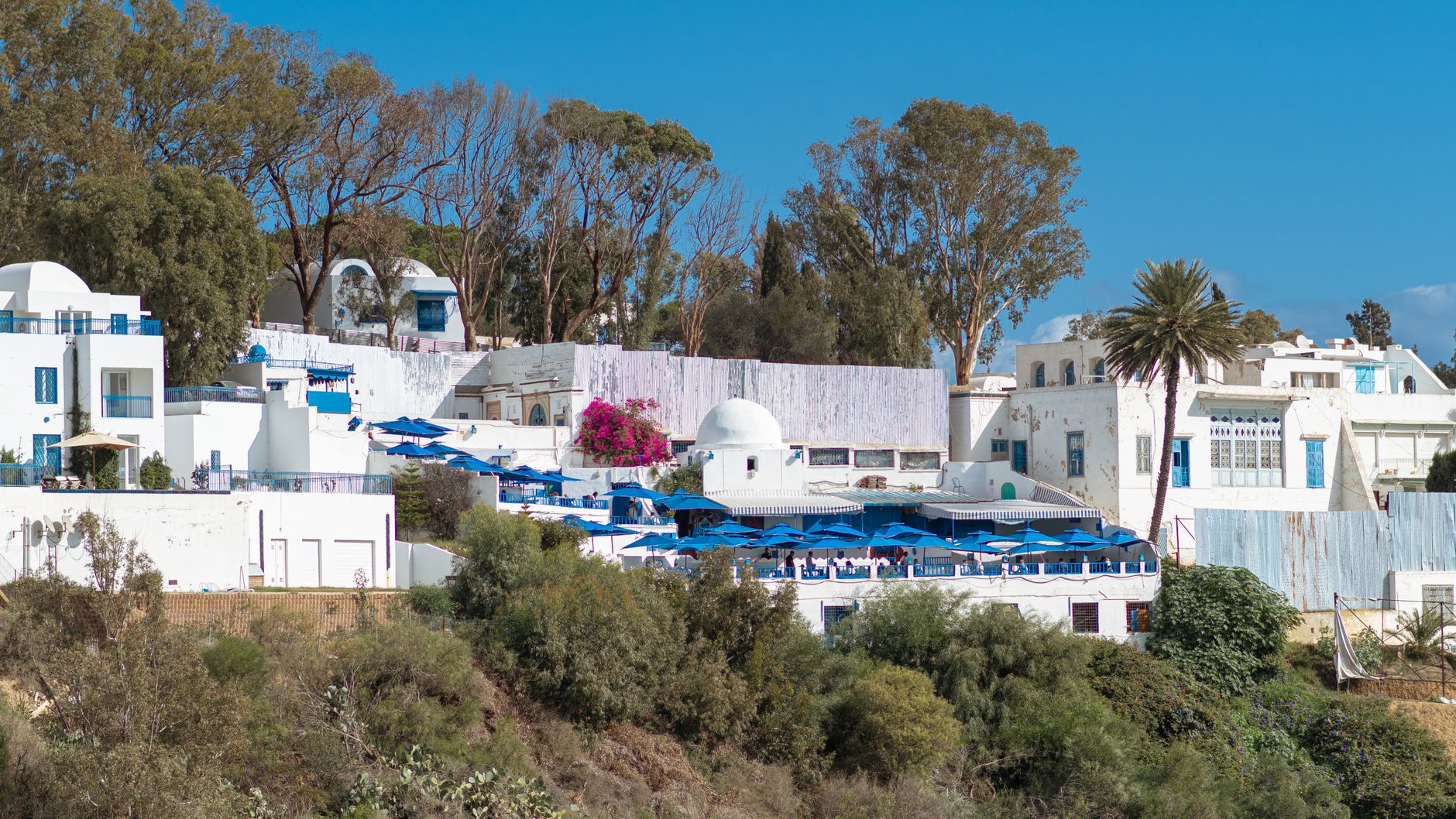
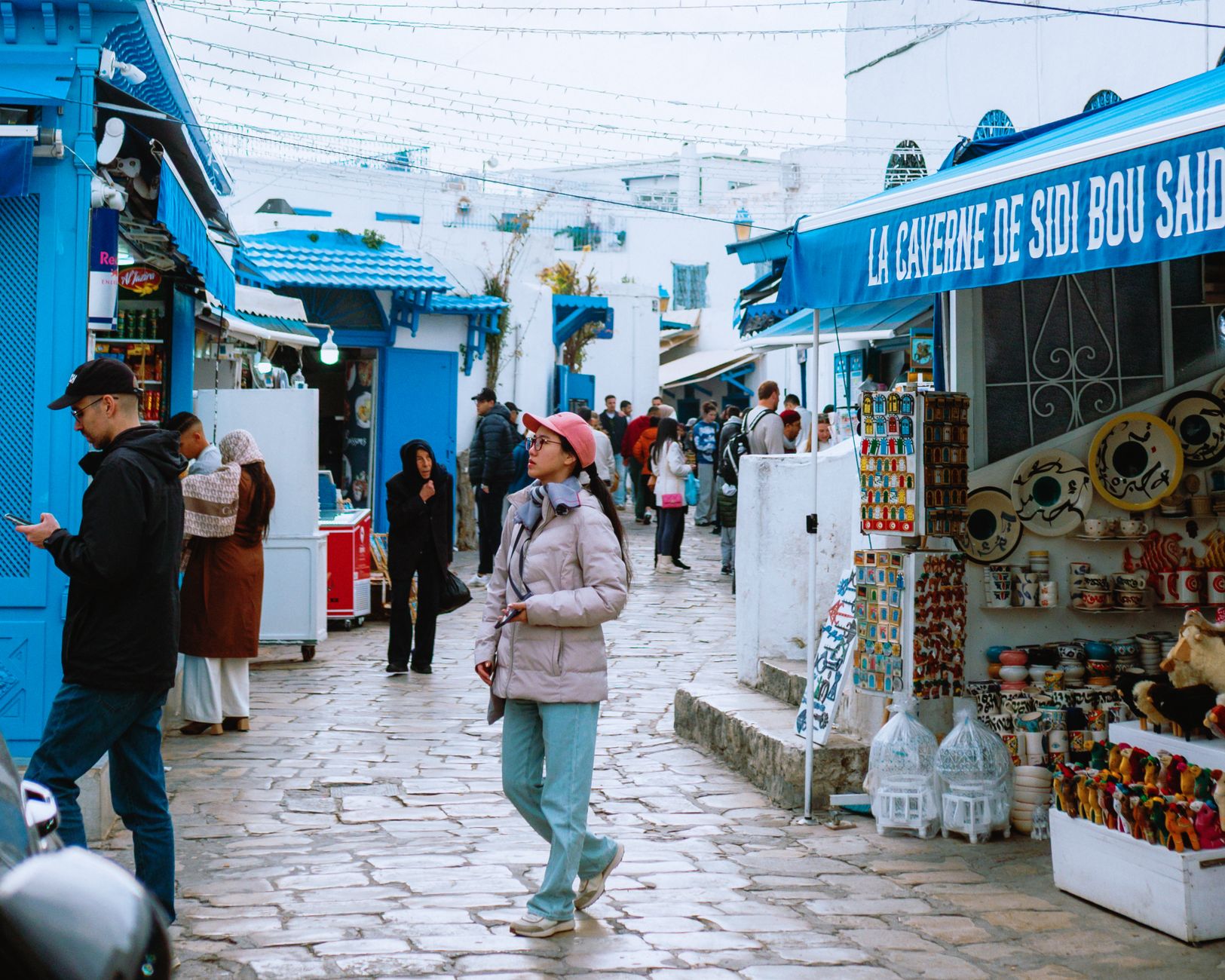
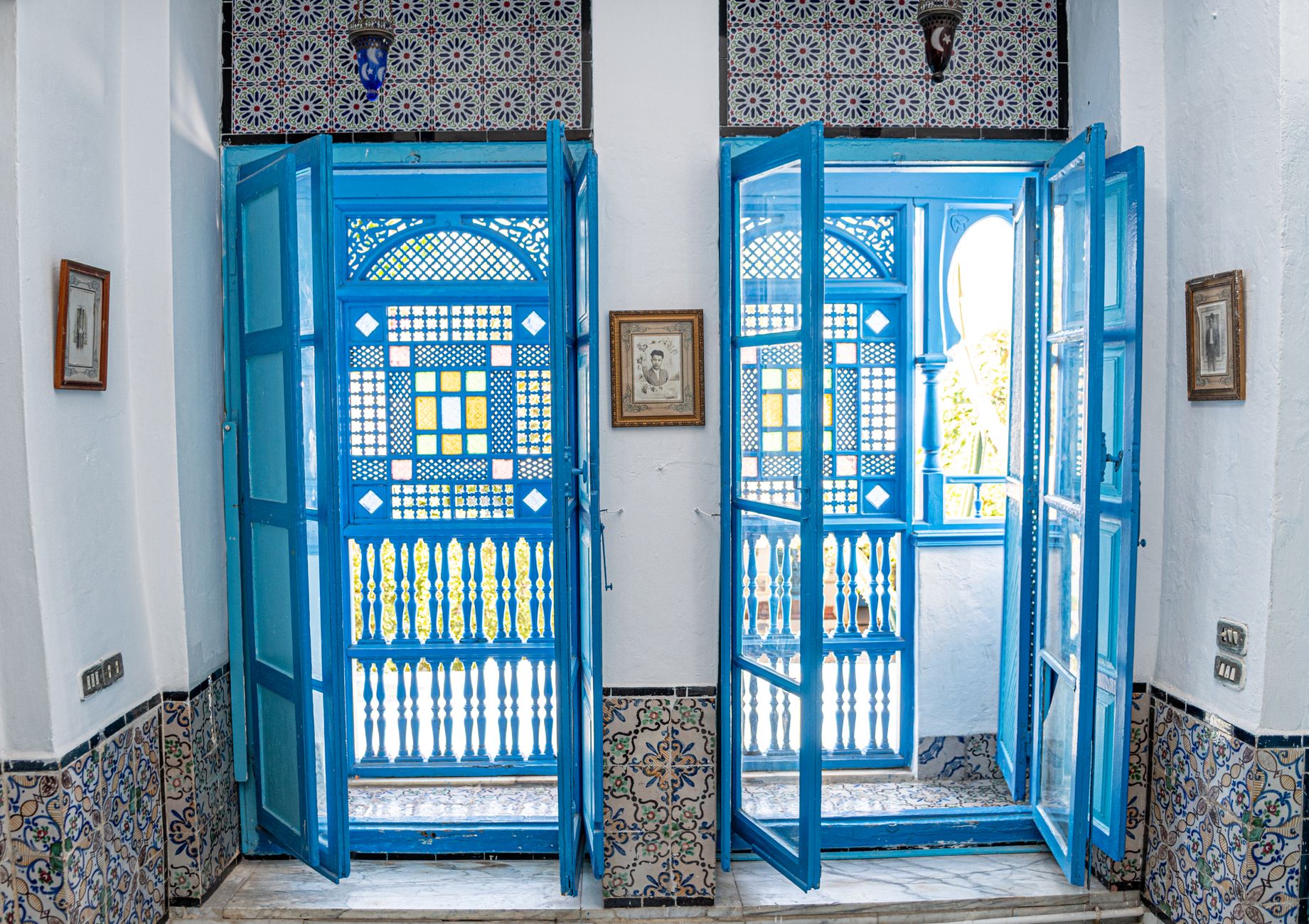
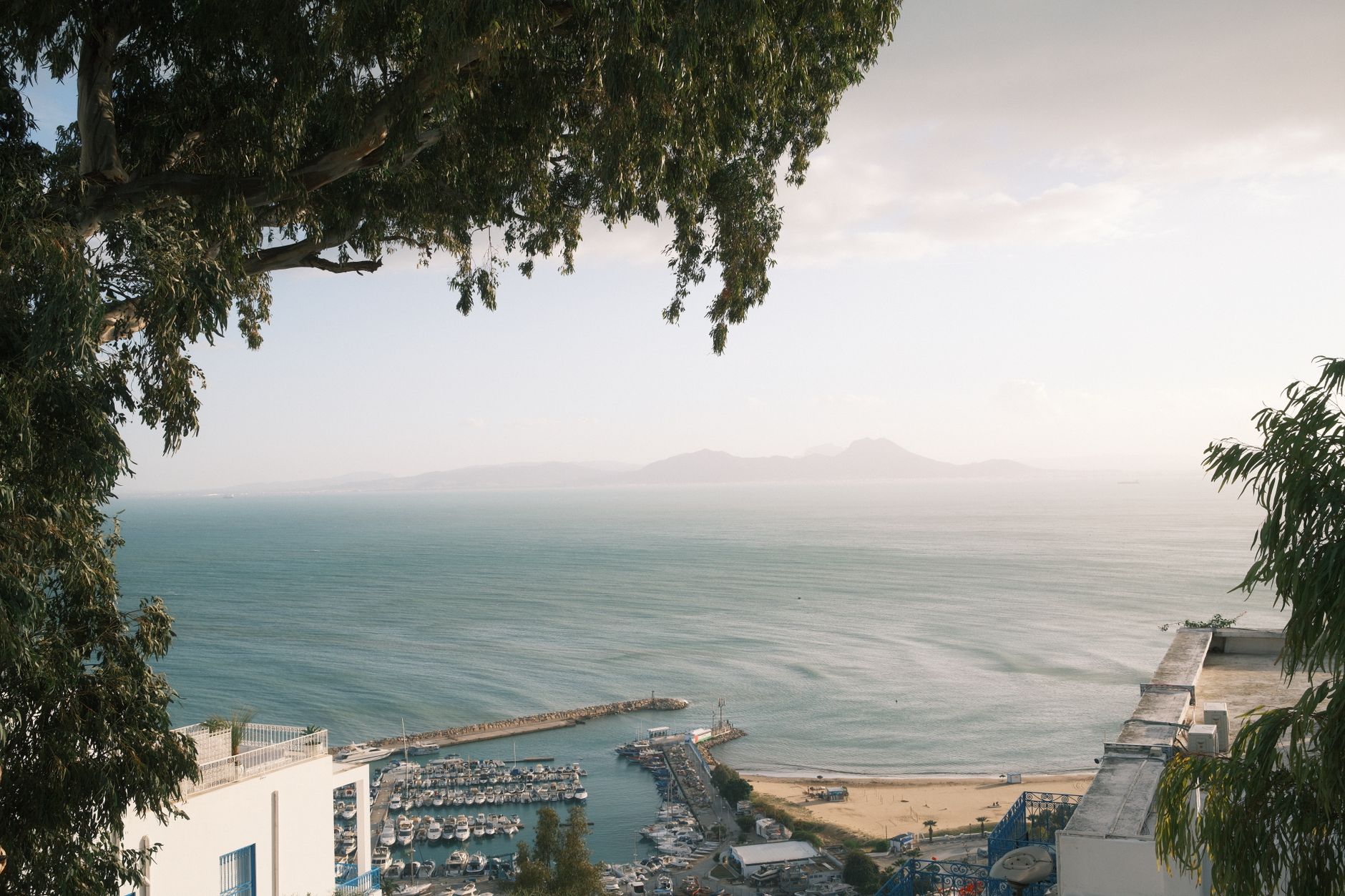
Perched dramatically atop a sheer cliff overlooking the sapphire expanse of the Gulf of Tunis, Sidi Bou Said is a living canvas painted in stark whites and brilliant blues. This enchanting village, located just 20 kilometers from the bustling capital of Tunis, is famed for its uniform color palette, cobblestone streets, and cascading bougainvillea. Every corner reveals a photogenic vignette: heavy wooden doors studded with elaborate black-iron patterns, delicate moucharabieh window screens, and sweeping vistas of the Mediterranean Sea. The air here is a heady mix of salty sea breeze, blooming jasmine, and the sweet aroma of frying Tunisian donuts.

The village owes its name to Abu Said al-Beji, a 13th-century Sufi scholar who settled on this high ridge to guard the coast and establish a spiritual retreat. For centuries, it remained a place of pilgrimage and quiet contemplation. Its transformation into an artistic haven began in the early 20th century, largely championed by Baron Rodolphe d'Erlanger, a French painter and musicologist. In 1915, the Baron successfully lobbied for a decree protecting the village's unique architectural heritage, establishing the mandatory blue-and-white color scheme that continues to define its aesthetic today.

Sidi Bou Said’s luminous light and bohemian charm have long acted as a muse for legendary writers, artists, and philosophers. Paul Klee, August Macke, and Henri Matisse found their artistic voices redefined by the village's stark contrasts, while literary giants like Gustave Flaubert, AndrĂ© Gide, and Colette sought solace and inspiration along its winding alleyways. Walking through the village is an exercise in retracing their footsteps, finding the very vistas that inspired masterpieces of modern art and literature.

Today, Sidi Bou Said balances its rich historical legacy with a vibrant, contemporary pulse. While daytime brings a lively flow of travelers and local vendors hawking handmade leather goods, copperware, and sweet-smelling jasmine bouquets, the evenings return to a serene, romantic rhythm. Locals gather in historic cafes to sip mint tea topped with pine nuts, smoke shisha, and watch the sun dip below the horizon, casting a warm golden glow over the whitewashed rooftops and the yachts bobbing gently in the marina below.

Visual Impressions & Moments
Sidi Bou Said photo 1
Sidi Bou Said photo 2
Sidi Bou Said photo 3
Sidi Bou Said photo 4
Sidi Bou Said photo 5
Sidi Bou Said photo 6
Unmissable Moments

Top Things to Do in Sidi Bou Said

Must-Do

Sunset Tea at Café des Délices

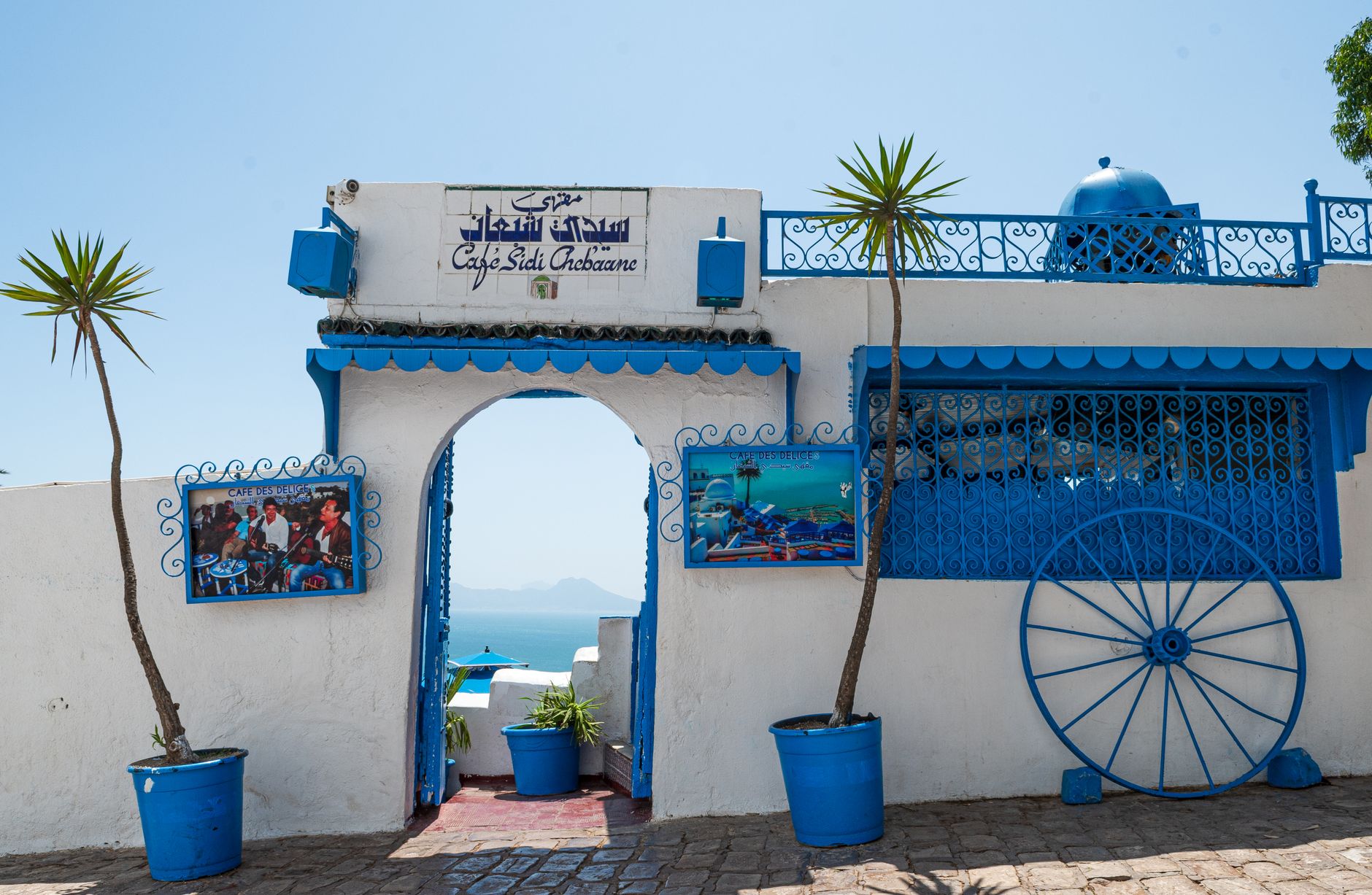
Perched precariously on the cliff edge, Café des Délices (also known as Café Sidi Chabaane) offers the most iconic panoramic view in Tunisia. Grab a terraced seat overlooking the crescent bay and the marina below. Order a traditional hot green mint tea generously floating with toasted pine nuts, and watch the sky transform into shades of pastel pink and deep violet as the sun sets over the Mediterranean. Arrive at least an hour before sunset to secure a premium edge-seat.

Culture

Uncover Sufi History and Architecture at Dar El Annabi

Step behind one of the village's grandest studded doors into Dar El Annabi, a beautifully preserved 18th-century summer mansion. This private museum offers an intimate look at traditional Tunisian family life, featuring Andalusian-style courtyards, prayer rooms, bridal chambers, and wax figures in period costumes. Climb to the rooftop terrace for a breathtaking, 360-degree view over the village's white-and-blue rooftops and the distant Gulf of Tunis.

Scenic

Dawn Photography Walk in the Quiet Alleys

To truly appreciate the poetic silence of Sidi Bou Said, set your alarm for sunrise. Before the tour buses and day-trippers arrive, the village is incredibly peaceful. Wander up the cobblestone spine of Rue Hedi Zarrouk, capturing the soft morning light illuminating the ornate blue doors, heavy iron knockers, and sleeping street cats. The cool morning air and empty streets allow you to appreciate the architectural details without distraction.

Culinary

Savor Hot Bambalouni on the Main Street

No visit to Sidi Bou Said is complete without tasting a Bambalouni, the village's signature sweet treat. Head to the small, bustling open-air stall on the main pedestrian street where dough is freshly stretched, deep-fried to a golden crisp, and immediately dredged in granulated sugar. Eat it piping hot while wandering the shops—it is light, airy, delightfully greasy, and incredibly cheap.

Must-See Highlights

Top Places & Things to Do in Sidi Bou Said

Curated attractions and cultural landmarks with local insider advice.

Ennejma Ezzahra (Palace of Baron d'Erlanger)
culture
4.8

Ennejma Ezzahra (Palace of Baron d'Erlanger)

Built between 1912 and 1922 by the wealthy French painter and musicologist Baron Rodolphe d'Erlanger, this palace is a masterpiece of Neo-Moorish architecture. Known as the 'Star of Venus,' the palace seamlessly blends traditional North African craftsmanship with European Art Nouveau and Deco elements. The interior is stunning, featuring intricate carved stucco, Italian marble columns, cedarwood ceilings, and elaborate mosaic tiling. Today, the palace houses the Center for Arab and Mediterranean Music. Visitors can wander through the lavishly decorated rooms, admire the Baron's extensive collection of historic musical instruments, and stroll through the terraced Andalusian gardens that offer dramatic views over the Gulf of Tunis. It is a quiet, inspiring sanctuary that perfectly captures the artistic soul of the village.

9:00 AM - 6:00 PM (Tuesday - Sunday)
Admission: 8 TND
Insider Tip: Check their schedule in advance, as the palace regularly hosts incredible live concerts of traditional Malouf music and classical Mediterranean recitals in its courtyard.
Café des Nattes (Kahouat el-Alia)
food
4.5

Café des Nattes (Kahouat el-Alia)

Situated at the top of a grand, steep flight of stone stairs at the main intersection of the village, Café des Nattes is the historical and cultural heart of Sidi Bou Said. Historically known as Kahouat el-Alia (The High Cafe), this traditional Moorish coffeehouse features a striking green-and-red painted wooden porch and an interior lined with woven straw mats (nattes), where patrons have sat cross-legged for centuries. The cafe was a famous meeting place for artists and writers in the early 20th century, including Simone de Beauvoir, Jean-Paul Sartre, and André Gide. Inside, the walls are adorned with historic photos, and the air is thick with the scent of orange blossom water and shisha smoke. It remains an unpretentious, highly atmospheric place to sit with a Turkish coffee or mint tea and watch the village life unfold below.

7:00 AM - 11:00 PM Daily
Admission: 5 TND
Insider Tip: Sit inside on the raised wooden platforms covered in traditional mats for the most authentic experience, rather than the busy outdoor steps.
Dar El Annabi
attraction
4.7

Dar El Annabi

Dar El Annabi is a magnificent, sprawling 18th-century mansion that has been converted into a private museum by its owners, the Annabi family. The home is designed in the traditional Andalusian style, centered around a series of serene, sun-dappled courtyards filled with orange trees, marble fountains, and climbing jasmine. It provides a rare, intimate glimpse into the daily life, customs, and domestic architecture of Tunisian nobility. Each room is meticulously decorated with period furniture, traditional costumes, historic documents, and wax figures depicting scenes of daily life, such as a bride preparing for her wedding or a scribe at work. The true highlight of the visit is climbing the narrow stairs to the rooftop, which features a traditional seating area and offers one of the best elevated panoramic views over the blue-and-white village rooftops.

9:00 AM - 6:00 PM Daily
Admission: 5 TND
Insider Tip: The ticket price includes a complimentary cup of sweet, refreshing mint tea served in the central courtyard at the end of your visit.
Sidi Bou Said Marina
nature
4.6

Sidi Bou Said Marina

Nestled at the base of the dramatic red sandstone cliffs, the Sidi Bou Said Marina is a modern, upscale harbor that serves as a contrast to the ancient cobblestone village above. The marina is home to a sleek collection of modern yachts, catamarans, and local wooden fishing boats, all floating on exceptionally clear, calm waters. A wide paved promenade wraps around the harbor, perfect for a breezy seaside stroll. The marina area is lined with several excellent waterfront cafes and seafood restaurants that offer outdoor seating. Adjacent to the marina lies a long stretch of sandy public beach, popular with local families swimming in the warm Mediterranean waters. The walk down from the village is incredibly scenic, offering dramatic cliffside viewpoints, though the walk back up is steep and physically demanding.

Open 24/7
Admission: Free
Insider Tip: If you don't feel like walking back up the steep cliff after visiting the marina, there are always local yellow taxis waiting near the harbor entrance to take you back to the top for a very small fee.
Area Guide

Where to Stay & Best Neighborhoods

The Upper Village (Haute Ville)

Best for: First-time visitors, historic cafes, art galleries, and panoramic viewpoints.

Vibe: Charming, historic, bustling, and highly pedestrianized.

This is the postcard-perfect heart of Sidi Bou Said, centered around the main cobblestone path of Rue Habib Thameur. It is lined with souvenir shops, art galleries displaying local watercolors, and historic cafes. Here, the architecture is strictly regulated, featuring magnificent white facades, bright blue shutters, and intricate moucharabieh screens. It is entirely pedestrianized, making it a joy to explore on foot, though it can get crowded during midday.

The Marina & Beach (Bas de Sidi Bou Said)

Best for: Seafood dining, yacht watching, beach walks, and luxury stays.

Vibe: Maritime, relaxed, upscale, and breezy.

Located at the foot of the red cliffs, this area is reached via a steep, winding road or a long flight of concrete stairs. It features a modern marina where luxury yachts dock alongside traditional wooden fishing boats. The atmosphere here is decidedly coastal and relaxed, offering a sandy beach, water sports, and excellent seafood restaurants serving the daily catch right on the water's edge.

Amilcar & the Lower Slopes

Best for: Tranquil boutique hotel stays and quiet evening walks.

Vibe: Residential, quiet, leafy, and upscale.

Spreading across the lower slopes towards the neighboring archaeological sites of Carthage, Amilcar is an affluent residential neighborhood. It features elegant villas hidden behind high walls covered in bougainvillea, foreign embassies, and quiet, tree-lined streets. It offers a peaceful escape from the tourist crowds of the Upper Village while remaining within easy walking distance or a short taxi ride of the main sights.

Food & Drink Scene

What to Eat in Sidi Bou Said

Bambalouni

A traditional Tunisian donut made of flour dough, deep-fried in bubbling oil until puffed and golden, then instantly rolled in sugar. It is crispy on the outside, soft and chewy on the inside, and best enjoyed burning hot.

🍮 Top spot: The tiny, historic street-side stall near CafĂ© des Nattes on the main pedestrian street.

Thé à la Menthe aux Pignons (Mint Tea with Pine Nuts)

A highly sweetened, concentrated green tea brewed with fresh spearmint leaves. It is served in small glasses and topped with a generous spoonful of raw or lightly toasted pine nuts, which float on top and add a rich, buttery crunch to every sweet sip.

🍮 Top spot: CafĂ© des Nattes (Kahouat el-Alia)

Couscous au Poisson (Fish Couscous)

A classic coastal Tunisian dish featuring incredibly fine semolina steamed over a spiced, aromatic broth of tomatoes, cumin, coriander, and harissa. It is served topped with fresh, locally caught sea bream (daurade) or grouper, alongside fried green peppers and pumpkin.

🍮 Top spot: Restaurant Au Bon Vieux Temps
Excursions

Best Day Trips from Sidi Bou Said

The Archaeological Ruins of Carthage

10 minutes by TGM light rail or taxi

Explore the sprawling, UNESCO-listed remnants of the ancient Punic and Roman empires. Key sites scattered across the modern residential suburb include the massive Antonine Baths on the seafront, the Punic Ports, the Carthage Museum on Byrsa Hill, and the Roman Theater. It offers a fascinating, deep dive into the ancient history of the Mediterranean.

The Medina of Tunis

30 minutes by TGM light rail or taxi

Step into a vibrant, chaotic world of medieval Islamic architecture, bustling souks, and historic monuments. This UNESCO World Heritage site is a maze of narrow covered alleyways filled with the scent of spices, leather, and perfume. Key highlights include the grand Zitouna Mosque, the ornate Ottoman-era palaces (dars), and vibrant shopping souks like Souk El Attarine.

When to Go

Best Time to Visit & Seasonality

Editor’s Pick: The absolute best months to visit Sidi Bou Said are from April to June (Spring) and September to November (Autumn). During these shoulder seasons, the Mediterranean weather is warm and pleasant without the intense, dry heat of mid-summer. Additionally, spring brings the spectacular blooming of purple bougainvillea and sweet jasmine, while autumn offers warm seas perfect for swimming and fewer crowds blocking the narrow, photogenic alleyways.

Spring Overview

(March - May)
Moderate
Average Temperature & Climate15°C - 23°C (59°F - 73°F)

Mild, sunny, and exceptionally pleasant with occasional light sea breezes.

Crowd & Travel ConditionsModerate Tourist Traffic

Fewer lines and better deals.

✹ Seasonal Highlights:Sidi Bou Said is in full bloom. Bougainvillea and jasmine drape over white walls, and the village smells sweet. Perfect for photography and long walking tours without the summer heat.
Travel Smarter

Practical Travel Essentials

CurrencyTND (Tunisian Dinar)
LanguageArabic, French
Time ZoneUTC+1

Visa & Entry

Most tourists, including citizens of the US, Canada, EU, UK, and Australia, do not require a visa to enter Tunisia for stays of up to 90 days. Ensure your passport is valid for at least six months beyond your planned departure date.

Getting Around & Transit

Sidi Bou Said is highly pedestrianized and best explored on foot. To get there from central Tunis, take the cheap and scenic TGM light rail train (takes about 30 minutes). Within the village, yellow metered taxis are plentiful and inexpensive for short trips.

Daily Budget Expectation

$45 - $90 USD (Covers a lovely boutique guesthouse stay, delicious Tunisian meals, cafe visits, and local transport).

Safety & Health

Sidi Bou Said is exceptionally safe and has a relaxed, welcoming atmosphere. Standard travel precautions apply: watch out for pickpockets in crowded tourist markets, and politely decline overly aggressive street vendors.

Local Etiquette & Customs

Tunisia is a progressive but Muslim-majority country. Dress modestly when exploring; while shorts and t-shirts are acceptable, swimwear should be kept strictly to the beach. Always ask for permission before taking photos of locals, particularly women or artisans.

Questions & Answers

Frequently Asked Questions about Sidi Bou Said

The iconic blue-and-white color scheme was established in 1915 by a decree initiated by French artist and musicologist Baron Rodolphe d'Erlanger, who lived in the village. He sought to protect the town's aesthetic integrity, and the colors have been strictly mandated by local law ever since.