🌟 Best in Travel 2026 is here!
Siem Reap
cityAsia
4.92 / 5.0

Siem Reap

Gateway to the ancient temples of Angkor and the beating heart of Khmer culture.

Advertisement
Editorial Guide

About Siem Reap

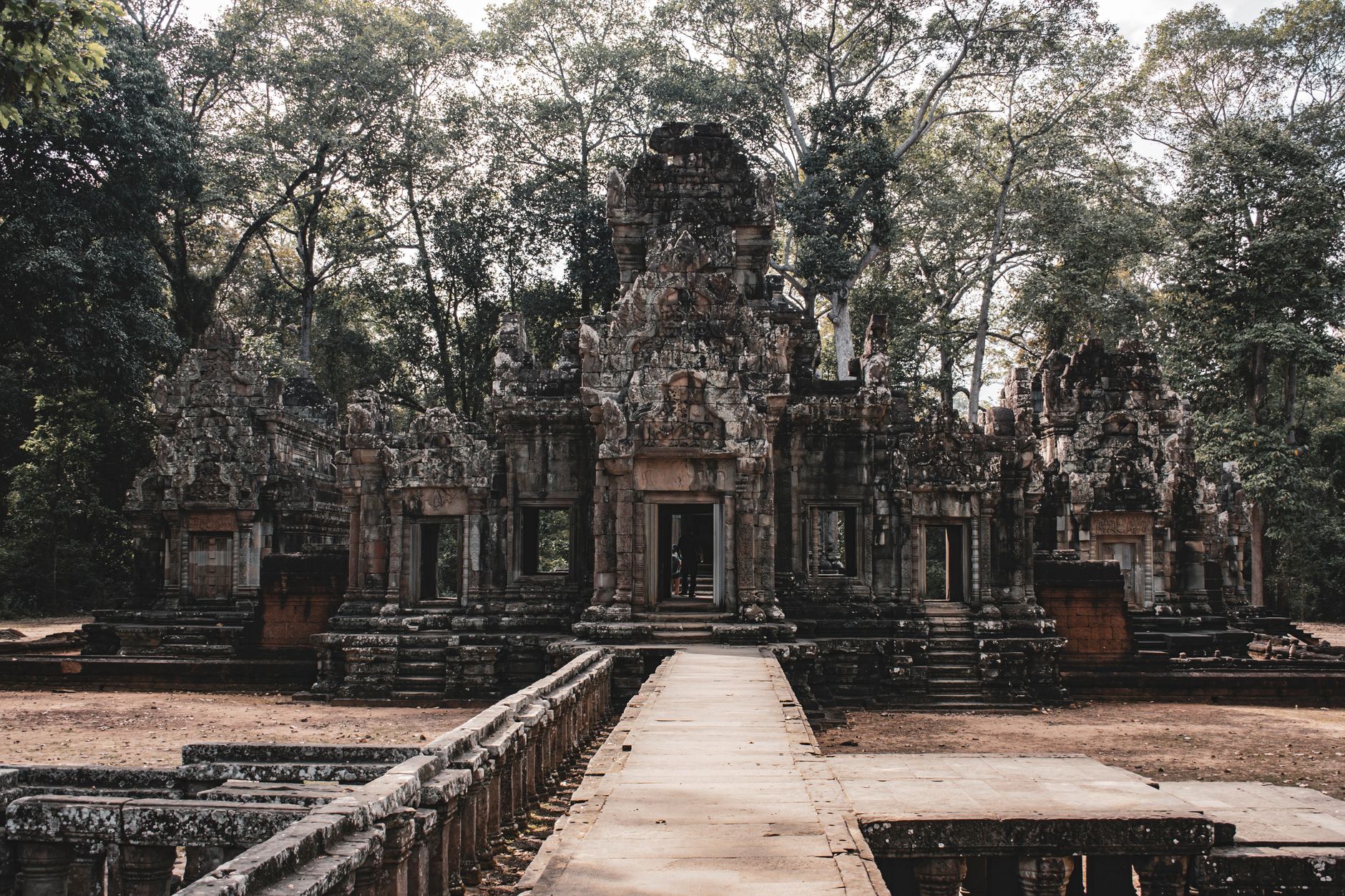
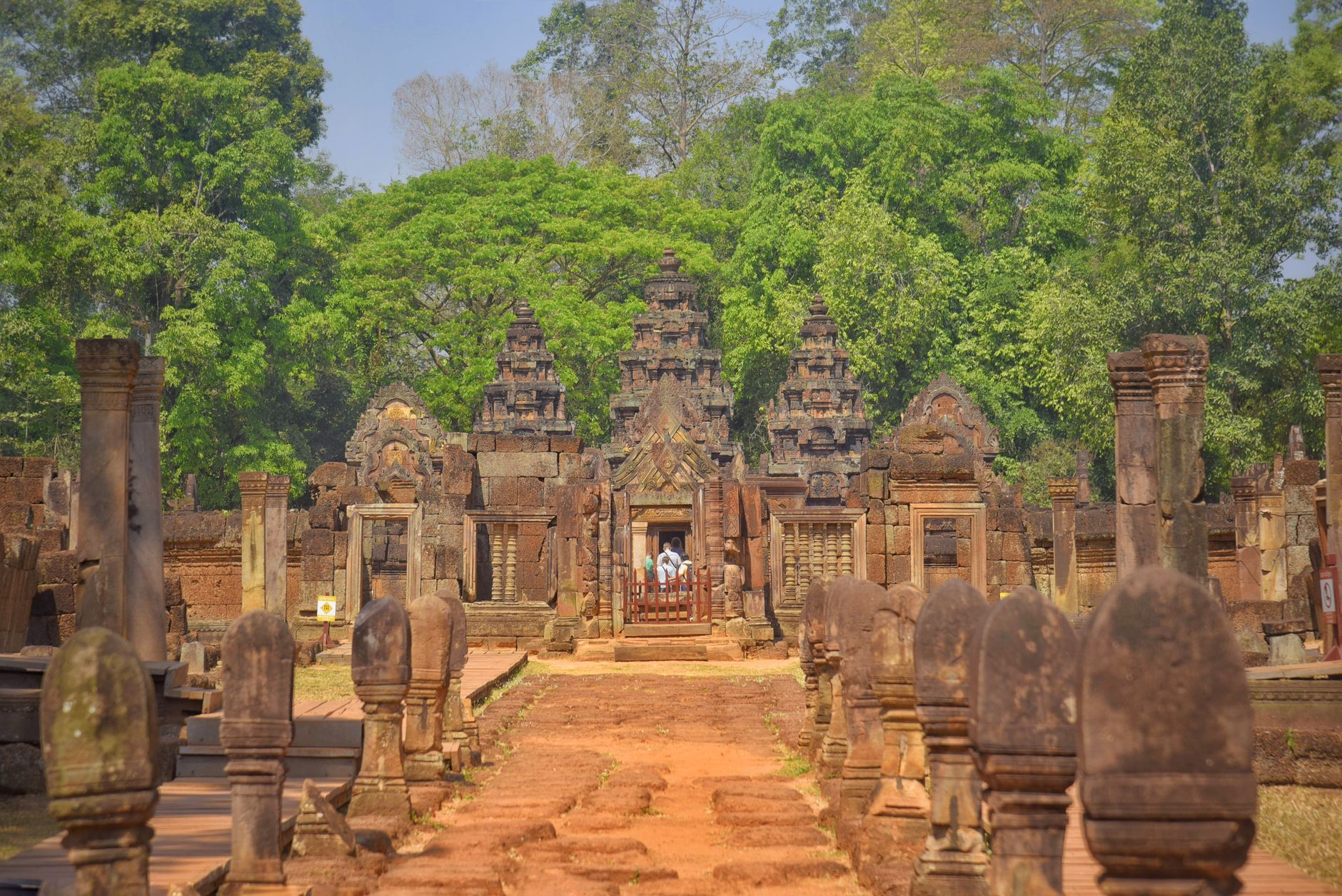
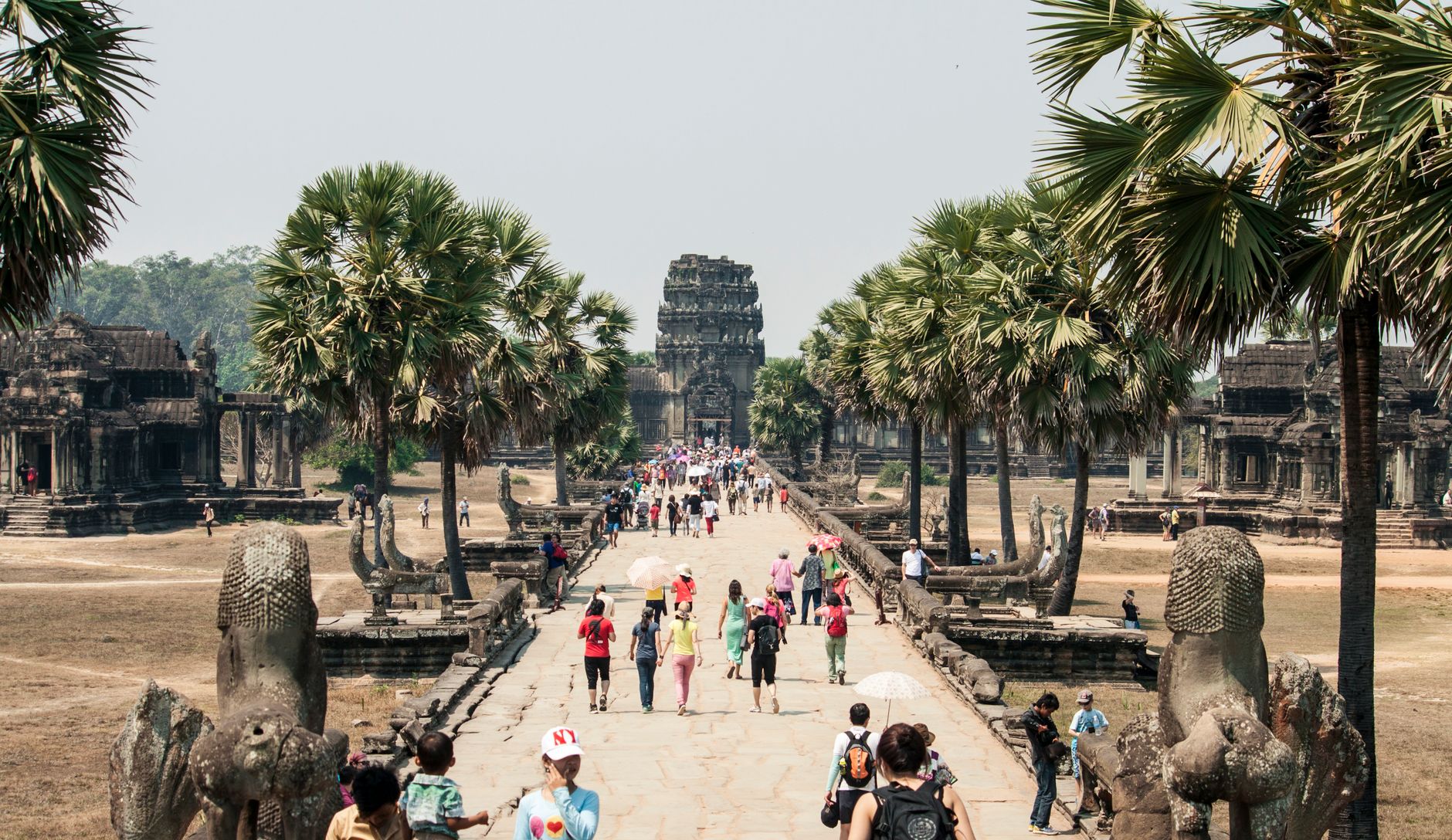
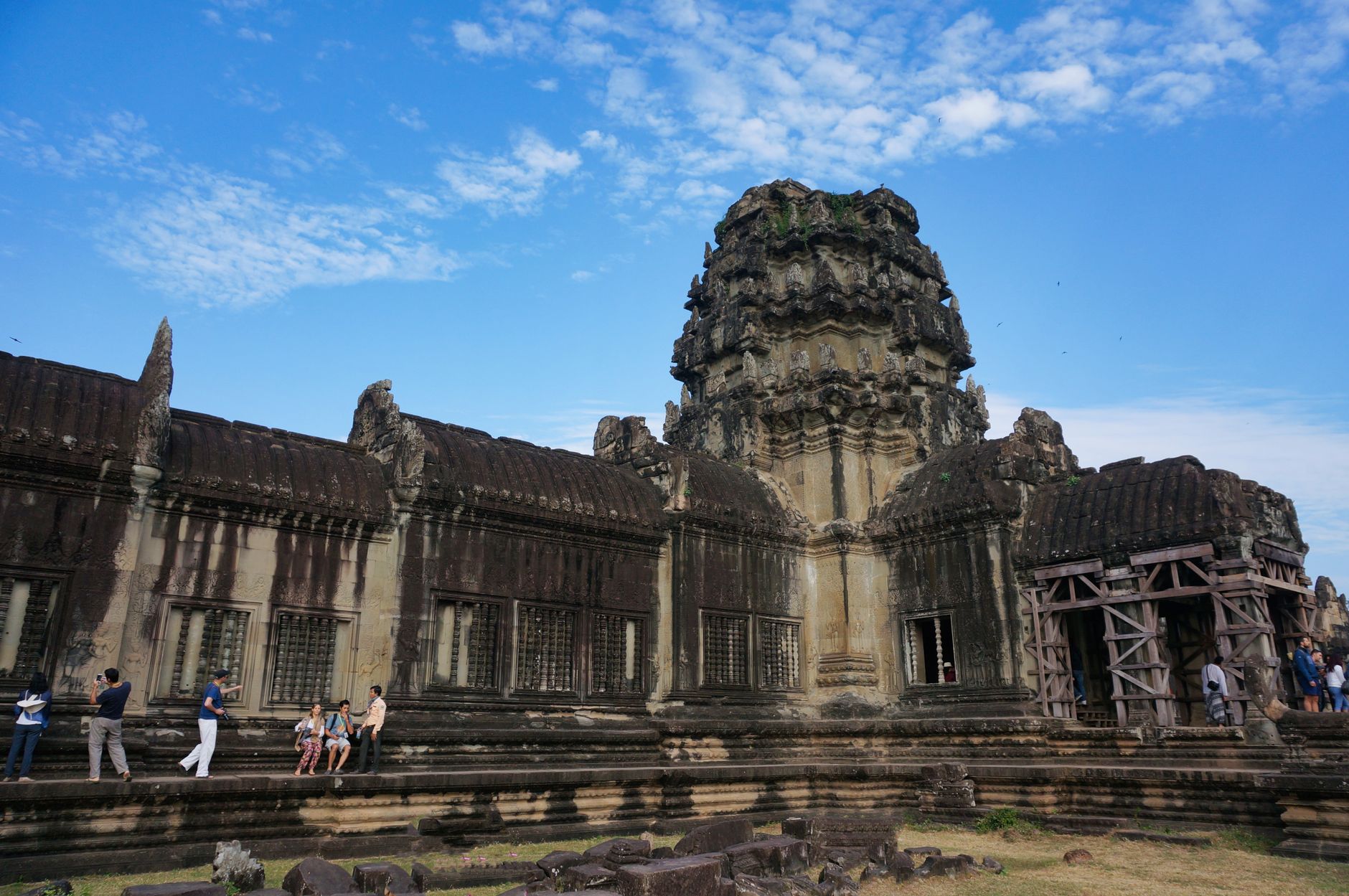
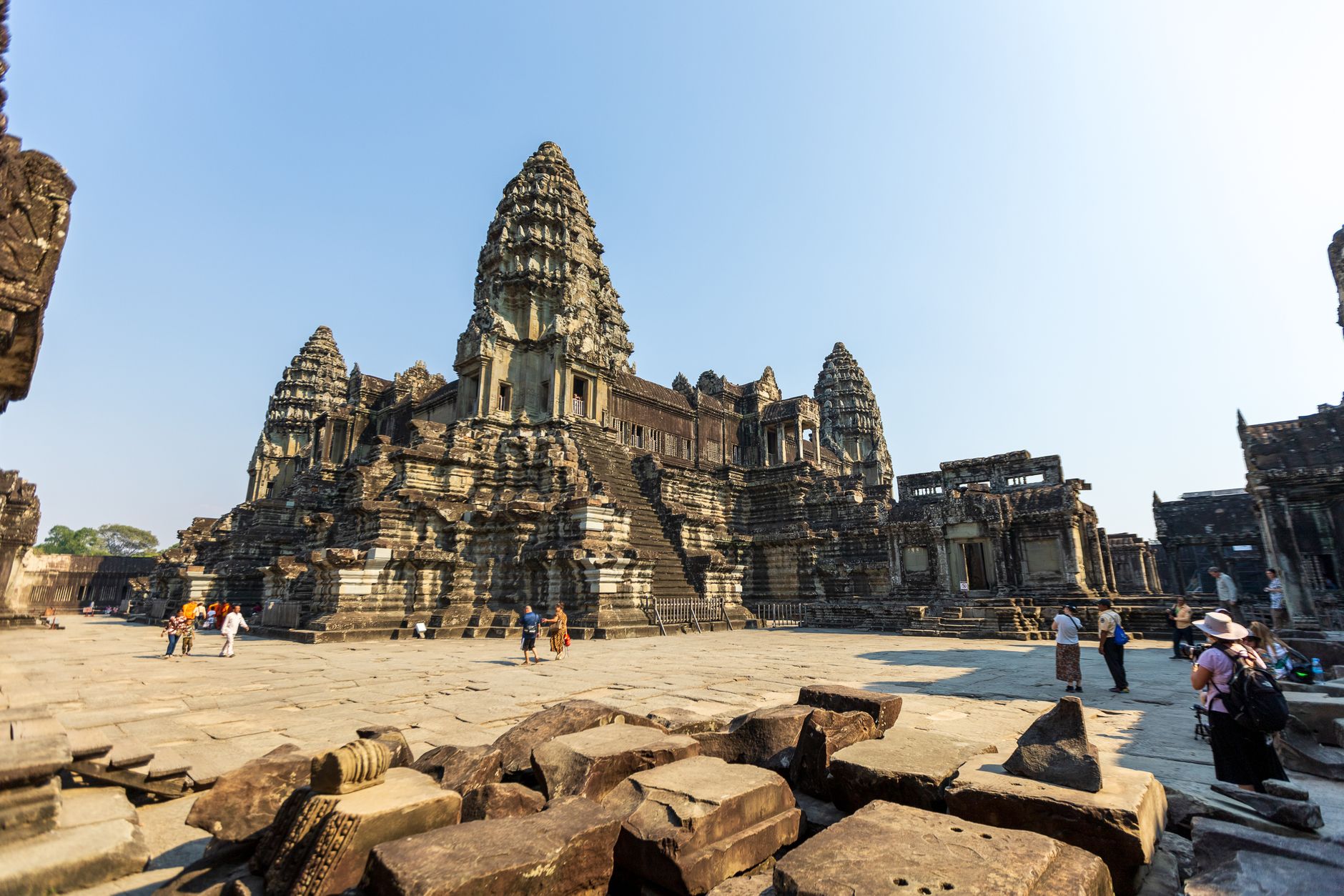
Siem Reap, once a modest cluster of villages surrounding ancient temple ruins, has transformed into a vibrant cultural hub that bridges centuries of glorious Khmer history with modern Southeast Asian hospitality. At its geographical and spiritual core lies the magnificent Angkor Archaeological Park, a sprawling UNESCO World Heritage site encompassing the iconic stone towers of Angkor Wat, the enigmatic smiling faces of Bayon, and the jungle-engulfed corridors of Ta Prohm. These architectural masterpieces stand as enduring monuments to the sophisticated engineering and artistic genius of the Khmer Empire, which dominated much of Southeast Asia between the 9th and 15th centuries.

Beyond the temples, the city of Siem Reap exudes an infectious, laid-back charm defined by French-colonial shophouses, bustling night markets, and sleepy riverbanks shaded by towering lotus flowers. The local way of life is deeply intertwined with Buddhist traditions and agricultural rhythms tied to the nearby Tonle Sap Lake, Southeast Asia’s largest freshwater reservoir. Here, floating villages rise and fall with the monsoon tides, offering a glimpse into a timeless aquatic existence where communities have adapted brilliantly to extreme seasonal transformations.

Culturally, Siem Reap is experiencing a renaissance. While traditional arts like Apsara dance, silk weaving, and shadow puppetry are preserved with immense pride, a new generation of Cambodian chefs, mixologists, and artisans are redefining the city's creative landscape. Contemporary art galleries, farm-to-table restaurants, and world-class social enterprises sit alongside centuries-old pagodas, creating a dynamic urban tapestry that rewards curious travelers who venture beyond the typical tourist paths.

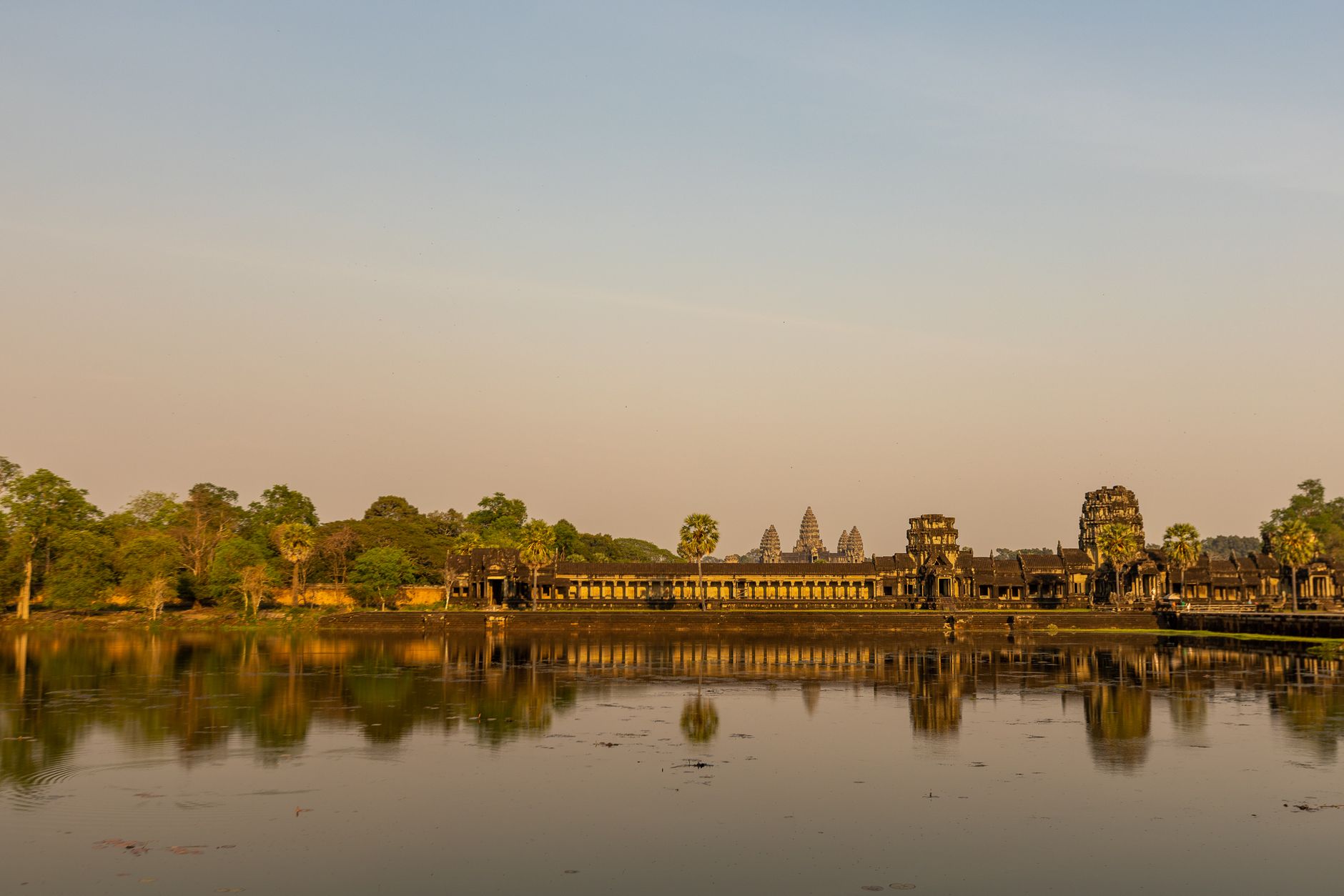
Geographically positioned in northwestern Cambodia, Siem Reap serves as the ultimate base for deep exploration of the Cambodian countryside and its rich biodiversity. The surrounding plains are a mosaic of emerald-green rice paddies, sugar palm trees, and rural hamlets where water buffalo wallow in muddy ditches. Whether you are navigating the labyrinthine alleys of the Old Market after dusk, sipping spiced rum cocktails at a hidden speakeasy, or watching the sunrise paint the lotus ponds of Angkor Wat in strokes of amber and gold, Siem Reap offers an unforgettable journey into the soul of a resilient and deeply welcoming nation.

Visual Impressions & Moments
Siem Reap photo 1
Siem Reap photo 2
Siem Reap photo 3
Siem Reap photo 4
Siem Reap photo 5
Siem Reap photo 6
Unmissable Moments

Top Things to Do in Siem Reap

Must-Do

Witness Sunrise Over the Lotus Ponds of Angkor Wat

Stand before the world's largest religious monument in the pitch black of early morning and watch as the first rays of dawn illuminate the iconic five corn-cob towers. As the sky shifts from bruised violet to blazing orange, the reflection shimmers across the water lily ponds. Insider tip: Skip the congested main pond in front of the southern library and walk to the lesser-known northern reflection pool for a more tranquil viewing experience.

Adventure

Explore the Jungle-Enveloped Ruins of Ta Prohm

Famously nicknamed the 'Tomb Raider temple,' Ta Prohm has been deliberately left largely unrestrained by modern conservationists, allowing titanic silk-cotton and strangler fig trees to crack open ancient stone walls with their serpentine roots. Arrive right when the gates open at 7:30 AM to wander the shadowy, moss-draped stone galleries before the tour buses arrive.

Culture

Cruise Through the Stilted Floating Village of Kampong Phluk

Embark on a wooden boat journey out onto the Tonle Sap Lake to visit Kampong Phluk, a surreal community where houses are built on stilts soaring up to ten meters in the air to survive dramatic seasonal water level fluctuations. Glide through the flooded mangrove forests in small paddle boats, observing a unique way of life intimately tied to the lake's rich ecosystem.

Culinary

Savor Authentic Khmer Cuisine in a Hidden Alleyway

Step away from the tourist-centric Pub Street and dive into the culinary creativity of Siem Reap's burgeoning food scene. Sample rich, aromatic curries, fermented fish dishes, and freshly foraged jungle greens at social enterprise restaurants like Marum or Haven, where disadvantaged youth are trained in professional hospitality.

Area Guide

Where to Stay & Best Neighborhoods

Old French Quarter

Best for: History buffs, boutique shoppers, and relaxed café culture.

Vibe: Charming colonial architecture, leafy boulevards, boutique hotels, and artisan cafes.

Anchored around the historic Psar Chas (Old Market) and the Siem Reap River, this charming district showcases preserved French colonial shophouses alongside traditional Khmer architecture. It is an extremely walkable neighborhood where you can drift between contemporary art galleries, silver-smithing workshops, and French bakeries serving flaky croissants.

Wat Bo Village

Best for: Creative travelers, foodies, and those seeking a quieter boutique stay.

Vibe: Bohemian, tranquil, artsy, and lined with independent design shops and specialty coffee bars.

Situated just across the footbridge over the Siem Reap River, Wat Bo has rapidly evolved into the city's coolest creative enclave. Centered around one of Cambodia's oldest pagodas, the neighborhood features leafy laneways packed with natural wine bars, vegan eateries, and concept stores highlighting sustainable Cambodian design.

Pub Street & Sivutha Boulevard

Best for: Nightlife seekers, social travelers, and budget backpackers.

Vibe: Neon-lit, energetic, fast-paced, and buzzing with backpackers and late-night revelers.

If you are looking for pulsating nightlife, cheap draft beer, sizzling barbecue stalls, and lively social venues, this is the epicenter. Pedestrianized after 5:00 PM, Pub Street fills with travelers sharing travel stories over $0.50 anchor beers, while nearby Sivutha Boulevard offers larger hotels, banks, and bustling night markets.

Food & Drink Scene

What to Eat in Siem Reap

Fish Amok

Cambodia's national dish is a delicate, fragrant curry featuring fresh freshwater fish (traditionally snakehead or catfish) cooked in a rich coconut milk base infused with kroeung—a distinct paste made from lemongrass, galangal, turmeric, and kaffir lime leaves. It is traditionally steamed inside a banana leaf cup, giving it an ethereal mousse-like texture.

🍴 Top spot: The Red Piano

Khmer Lok Lak

A deeply comforting stir-fry consisting of tender cubes of marinated beef tossed in a blazing hot wok with garlic, onions, soy sauce, and oyster sauce. It is typically served over a bed of crisp lettuce, sliced tomatoes, and cucumbers, accompanied by a zesty dipping sauce made of freshly squeezed lime juice, salt, and crushed kampot black pepper.

🍴 Top spot: Restaurant Khmer Surin

Nom Banh Chok (Khmer Noodles)

Often referred to as traditional Cambodian breakfast noodles, this dish features hand-pounded fermented rice noodles topped with a greenish fish-based gravy made from lemongrass, kaffir lime, and yellow root. It is piled high with crunchy raw vegetables, banana blossoms, water lily stems, and fresh mint leaves.

🍴 Top spot: Psar Chas (Old Market)
Excursions

Best Day Trips from Siem Reap

Phnom Kulen National Park

1.5 hours by taxi or tuk-tuk

Journey to the sacred mountain where the Khmer Empire was officially founded in 802 AD. Explore the 'River of a Thousand Lingas,' featuring ancient Hindu carvings etched into the sandstone riverbed, swim beneath a cascading jungle waterfall, and visit the massive reclining Buddha carved into the rock at Preah Ang Thom.

Beng Mealea Jungle Temple

1 hour 15 minutes by car

Venture deep into the overgrown jungle to explore Beng Mealea, a sprawling 12th-century temple completely swallowed by strangler figs, moss, and tangled vines. Built in the exact same floor plan as Angkor Wat, this ruin offers a true Indiana Jones-style adventure where visitors scramble over collapsed stone blocks and wooden boardwalks.

When to Go

Best Time to Visit & Seasonality

Editor’s Pick: The dry season, spanning from November to February, is widely considered the prime time to visit Siem Reap. During these months, skies are reliably blue, rainfall is minimal, and daytime temperatures hover around a comfortable 25°C to 30°C (77°F to 86°F), making temple exploration much more manageable. However, this is also peak tourism season, so popular monuments will be crowded. For travelers looking to dodge the heaviest foot traffic, the shoulder months of May to October (the green season) bring dramatic monsoon downpours that transform the arid landscape into vibrant emerald rice paddies, replenish the moats of Angkor Wat to mirror-like perfection, and empty the temples of crowds, provided you don't mind brief afternoon tropical showers.

Spring Overview

(March to May)
Moderate
Average Temperature & Climate35°C – 40°C (95°F – 104°F)

Extremely hot and humid with occasional pre-monsoon thunderstorms.

Crowd & Travel ConditionsModerate Tourist Traffic

Fewer lines and better deals.

✨ Seasonal Highlights:Khmer New Year celebrations in April; fewer tourists at major temple sites.
Travel Smarter

Practical Travel Essentials

CurrencyCambodian Riel (KHR) / US Dollar (USD widely accepted)
LanguageKhmer (English widely spoken in tourism sectors)
Time ZoneICT (Indochina Time, UTC+7)

Visa & Entry

Most travelers can obtain a 30-day Tourist Visa on Arrival at Siem Reap International Airport or at land borders for $30 USD (bring passport photos and crisp US dollar bills). Alternatively, e-visas can be applied for online in advance.

Getting Around & Transit

Tuk-tuks (motor-drawn carriages) are ubiquitous and the most charming way to navigate the city and Angkor Archaeological Park. Download apps like Grab or PassApp for transparent pricing. Bicycles are great for city exploration, while cars are best for distant day trips.

Daily Budget Expectation

$40 – $100 USD per day covers comfortable guesthouse or boutique hotel accommodation, delicious local meals, tuk-tuk transport, and temple pass amortization.

Safety & Health

Siem Reap is generally very safe for travelers, with low rates of violent crime. Exercise normal precautions against petty theft, such as snatch-and-grab bag robberies from passing tuk-tuks.

Local Etiquette & Customs

Dress modestly when visiting temples (cover shoulders and knees). Always remove your shoes when entering homes or Buddhist sacred spaces. Greet locals with 'Sampech' (placing palms together in a prayer-like gesture with a slight bow).

Questions & Answers

Frequently Asked Questions about Siem Reap

A minimum of 3 full days is recommended to properly explore the main highlights of the Angkor Archaeological Park without suffering from 'temple fatigue,' plus time to experience the town and Tonle Sap lake.