🌟 Best in Travel 2026 is here!
South Korea Beaches
regionAsia
4.85 / 5.0

South Korea Beaches

Discover pristine sands, volcanic shores, and vibrant coastal culture along peninsular edges.

Advertisement
Editorial Guide

About South Korea Beaches

Flanked by three vastly different bodies of water—the Yellow Sea, the Korea Strait, and the East Sea (Sea of Japan)—South Korea’s coastline is a masterpiece of geographical contrast. From the dramatic, black basalt columns of Jeju Island’s southern shores to the sweeping white sands and pine-backed dunes of Gangwon Province, the country’s beaches offer a stunning departure from its hyper-modern neon-lit capitals. Historically, Korea’s shores were revered as sacred boundary spaces and vital maritime trading posts, but today they serve as dynamic recreational hubs where ancient shamanic seaside rituals seamlessly blend with vibrant surf cultures, chic beachside café districts, and world-class seafood markets.

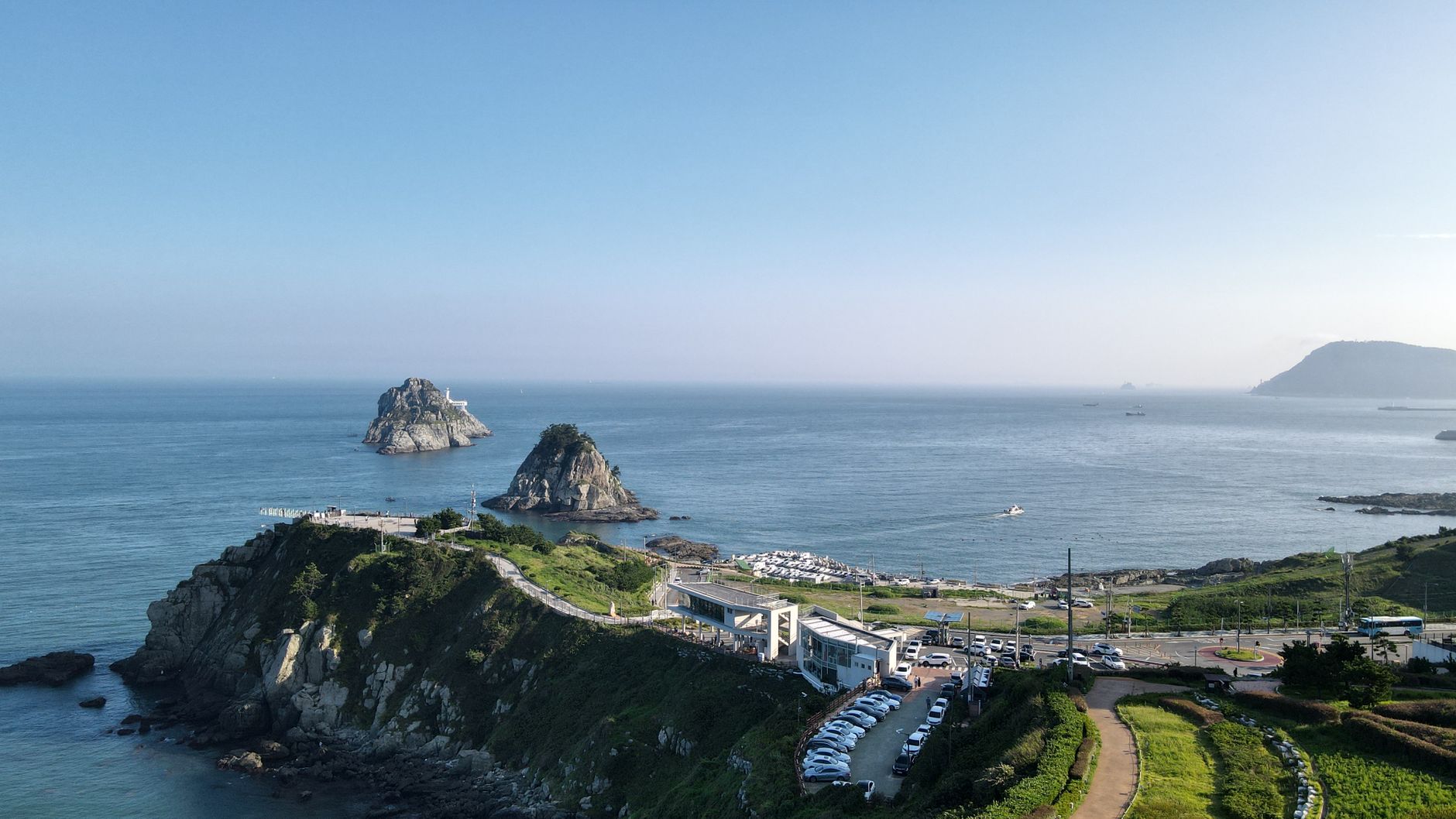
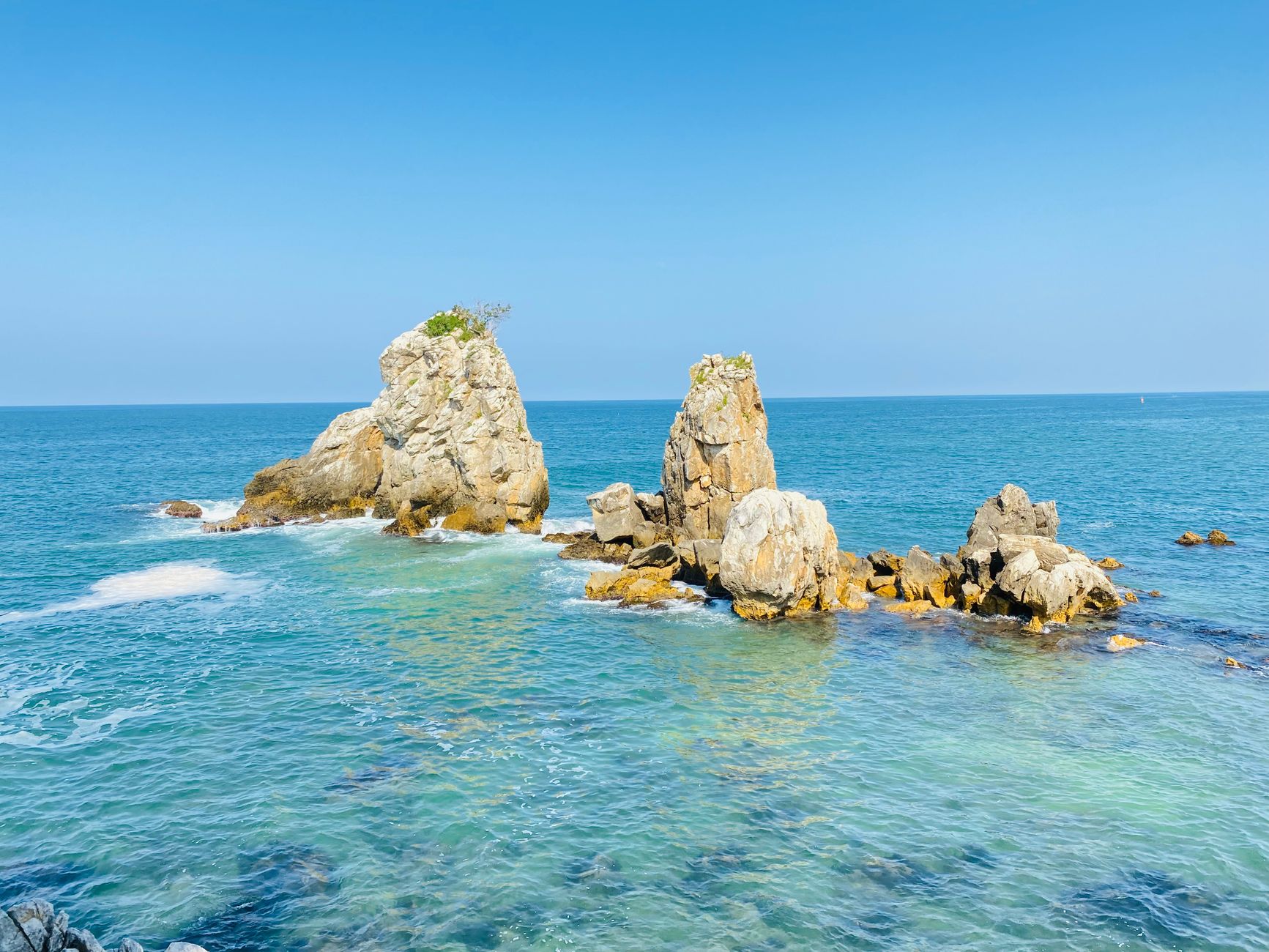
The geography of South Korea's littoral zones varies dramatically by coast. The western coast, facing the Yellow Sea, is characterized by vast tidal flats, shallow waters, and breathtaking sunset panoramas, famous for tidal mud-gathering and ecological richness. The southern coast, peppered by an archipelago of thousands of emerald islands like Hallyeo Haesang National Park, offers calm, deeply indented bays, tranquil waters, and hidden coves accessible only by winding coastal roads or ferries. Meanwhile, the eastern coast along the East Sea boasts deep, crystalline azure waters, dramatic rocky cliffs, and long, uninterrupted stretches of golden sand that catch the first rays of the morning sun across the Korean Peninsula.

Local beach culture in South Korea is deeply social, seasonal, and thoroughly immersive. During the scorching mid-summer months, iconic stretches like Haeundae in Busan transform into buzzing epicenters of parasols, K-pop beach festivals, and nighttime fireworks displays. Conversely, the shoulder seasons reveal a quieter, contemplative coastal rhythm where locals gather at harbor-side pojangmacha (tent bars) to sip soju while watching local fishermen haul in the day's catch of flatfish, abalone, and snow crab. Whether you are chasing the legendary surf breaks of Yangyang, seeking therapeutic solitude on the volcanic sands of Udo, or exploring hidden cliffside Buddhist hermitages overlooking the crashing waves, South Korea's coastline delivers an unforgettable maritime odyssey.

Visual Impressions & Moments
South Korea Beaches photo 1
South Korea Beaches photo 2
South Korea Beaches photo 3
South Korea Beaches photo 4
South Korea Beaches photo 5
South Korea Beaches photo 6
Unmissable Moments

Top Things to Do in South Korea Beaches

Scenic

Catch the Dawn Sunrise at Jeongdongjin Beach

Witnessing the sun break over the horizon at Jeongdongjin is a treasured Korean ritual. Located in Gangneung on the East Sea, this historic beach features a classic railway station sitting mere meters from the surf. Arrive just before dawn to watch the inky blue ocean turn fiery amber, then warm up with a bowl of spicy sundubu (soft tofu) stew in a nearby mountain village.

Adventure

Surf the Waves at Surfy Beach in Yangyang

Experience South Korea’s burgeoning surf culture at Surfy Beach in Gangwon-do. This dedicated private beach enclave channels a laid-back, bohemian California vibe with hammock lounges, beach yoga, and professional surf schools. Whether you are carving your first green wave or sipping a tropical cocktail at sunset, it is the undisputed capital of Korean surf lifestyle.

Culinary

Feast on Raw Seafood at Busan's Jagalchi & Haeundae Markets

Dive deep into Korea's maritime culinary heritage by visiting the coastlines around Busan. Walk through the chaotic, vibrant aisles of Jagalchi Fish Market to select live octopus, sea pineapple, and king crab, which are prepared immediately at upstairs dining stalls. Pair your meal with crisp local lager while gazing out over the bustling harbor.

Must-Do

Hike the Jeju Olle Trail Along Volcanic Cliffs

Lace up your hiking boots for Route 7 or Route 10 of the legendary Jeju Olle Trail, which wind along dramatic volcanic sea cliffs, black lava rock formations, and hidden golden coves. You'll pass tangerine orchards, traditional stone-walled houses, and crashing turquoise swells, offering an intimate perspective of Korea's premier island paradise.

Must-See Highlights

Top Places & Things to Do in South Korea Beaches

Curated attractions and cultural landmarks with local insider advice.

Haeundae Beach
nature
4.7

Haeundae Beach

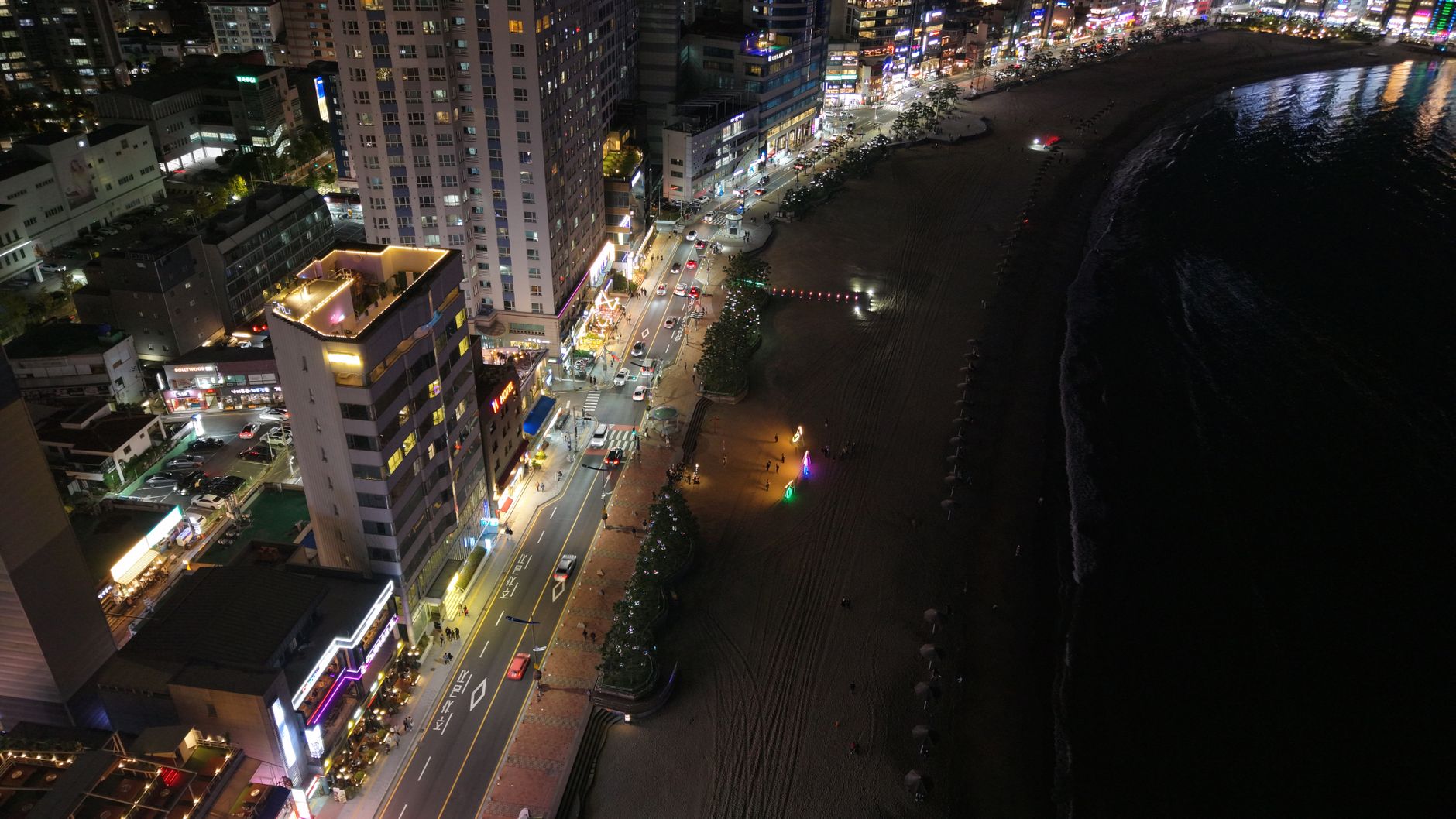
Haeundae Beach is South Korea's most famous and vibrant stretch of sand, spanning 1.5 kilometers of soft golden coastline in the heart of Busan. Flanked by luxury skyscrapers, high-end hotels, and a bustling boardwalk, it serves as the epicenter of Korean summer culture and international festivals. Beyond sunbathing and swimming, the surrounding district offers world-class dining, the traditional Haeundae Market for street food, and scenic boardwalks like the Haeundae Blueline Park coastal train that hugs the rugged cliffs toward Songjeong Beach.

Open 24/7 (Swimming permitted June-Aug, 09:00 - 18:00)
Admission: Free
Insider Tip: Visit at sunrise for peaceful serenity and stunning morning light, or return at night to watch buskers perform along the promenade.
Gwangalli Beach
attraction
4.75

Gwangalli Beach

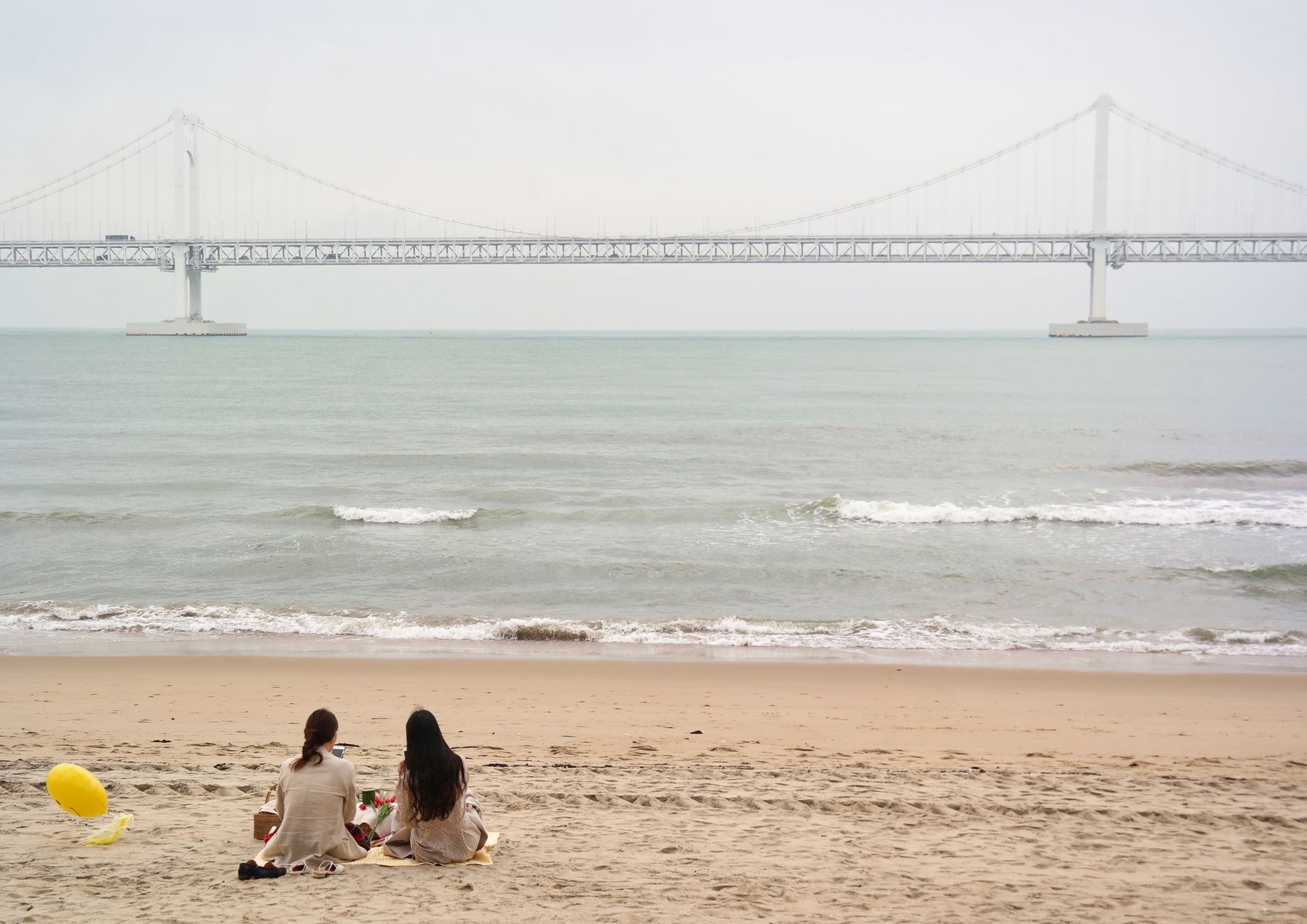
Gwangalli Beach is celebrated for its unique half-moon-shaped shoreline of fine sand and its mesmerizing view of the Diamond Bridge (Gwangan Bridge), which spans the bay. While Haeundae draws crowds for grand scale, Gwangalli is beloved for its hip, intimate neighborhood vibe. The beachfront is lined with multi-story cafes, craft breweries, and trendy restaurants that offer panoramic second-story window views of the illuminated bridge, which transforms into a dazzling light show after dark.

Open 24/7
Admission: Free
Insider Tip: Order delivery food directly to the sand using a Korean delivery app, or visit during the Busan Fireworks Festival held here annually in autumn.
Hyeopjae Beach
nature
4.8

Hyeopjae Beach

Located on the northwestern coast of Jeju Island, Hyeopjae Beach is widely considered one of the most visually stunning shores in the country. The beach features incredibly shallow, crystal-clear turquoise waters that contrast dramatically with fine white sand mixed with crushed seashells and black volcanic basalt rocks. Backed by a lush green pine forest and offering distant views of the offshore Biyangdo Island, Hyeopjae provides a tranquil, almost otherworldly tropical atmosphere that remains breathtaking in every season.

Open 24/7
Admission: Free
Insider Tip: Combine your beach visit with a walk along the adjacent Geumneung Beach and explore the trendy oceanfront cafes in nearby Aewol.
Naksaksan Beach & Temple
culture
4.85

Naksaksan Beach & Temple

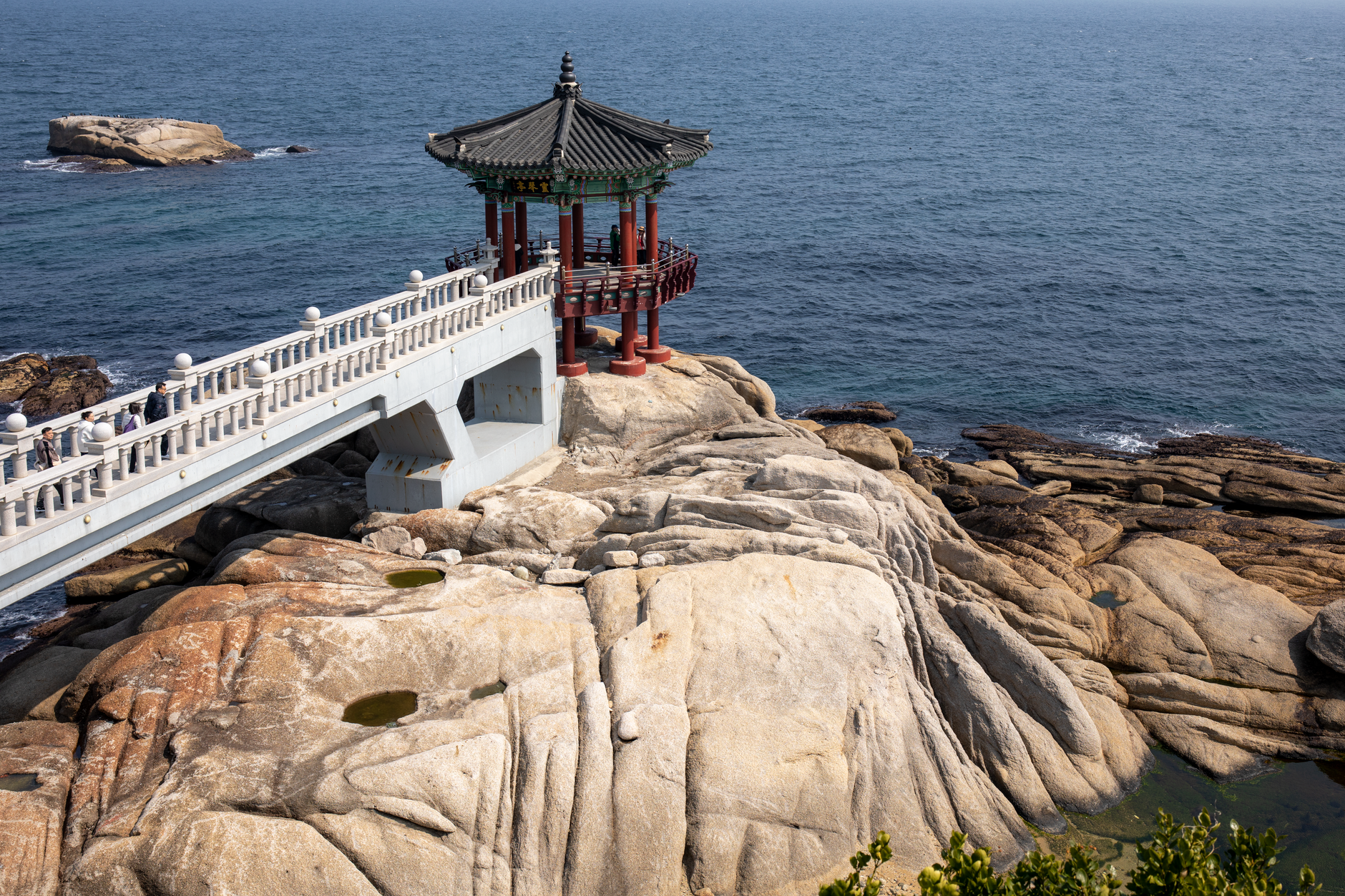
Naksaksan Beach in Yangyang offers a sublime blend of pristine East Sea shoreline and profound spiritual heritage. Stretching for nearly two kilometers, the wide sandy beach is renowned for its clean water, pine tree windbreaks, and relaxed atmosphere. Perched dramatically on the rocky headland overlooking the northern end of the beach is Naksan Temple (Naksaksan), founded in 671 AD. Visitors can gaze out at the endless blue horizon from the towering white statue of the Bodhisattva of Compassion, making it a revered spot for catching the New Year's first sunrise.

Beach: Open 24/7. Temple: 06:00 - 18:30
Admission: Free (Temple has a nominal admission fee)
Insider Tip: Walk up to Uisangdae Pavilion within the temple grounds at dawn for one of the most iconic coastal photography vantage points in Korea.
Gyeongpo Beach
nature
4.75

Gyeongpo Beach

Stretching for six kilometers along the picturesque East Sea in Gangneung, Gyeongpo Beach is famed for its wide, uninterrupted ribbon of pristine golden sand and the fragrant coastal pine forest that shields it from the mainland. Named after the legendary Gyeongpo Lake located just behind the dunes, this beach offers a more natural, expansive atmosphere compared to southern urban hubs. The crystalline waters of the East Sea here are exceptionally clear, and the coastline is a favored destination for catching magnificent New Year sunrises. The boardwalk is lined with cycling paths, and the nearby café street overlooking Gyeongpo Lake is renowned for producing some of Korea's finest artisanal drip coffee.

Open 24/7
Admission: Free
Insider Tip: Rent a multi-person bicycle to ride around the perimeter of Gyeongpo Lake, especially stunning when cherry blossoms bloom in spring.
Naksan Beach
attraction
4.65

Naksan Beach

Naksan Beach in Yangyang County is a historic coastal treasure blending natural seaside beauty with profound spiritual heritage. Spanning nearly two kilometers of clean sand and shallow azure waters, the beach is framed by rolling pine-covered hills and hosts the iconic Naksan Temple (Naksansa), perched dramatically on a cliff overlooking the sea. Surfers flock to the northern sectors of the beach for consistent breaks, while pilgrims and travelers hike up to the towering statue of Haesu Gwaneum (The Avalokitesvara Bodhisattva of the Sea) to take in sweeping, meditative panoramas of the coastline. It represents the perfect harmonious union of Korean nature and Buddhist tradition.

Open 24/7
Admission: Free
Insider Tip: Visit Naksansa Temple at sunrise for an ethereal experience as morning mist rolls over the crashing waves below.
Area Guide

Where to Stay & Best Neighborhoods

Haeundae & Gwangalli (Busan)

Best for: Nightlife lovers, luxury resort seekers, festival-goers, and foodies.

Vibe: Energetic, cosmopolitan, neon-drenched urban beach strips with soaring skyscrapers and glittering suspension bridges.

This dynamic southeastern coastal hub combines world-class urban beaches with a relentless culinary and nightlife scene. Haeundae offers a sweeping crescent of sand framed by luxury hotels and street performers, while Gwangalli provides front-row seats to the illuminated Diamond Bridge, especially magical when viewed from a chic seaside café balcony at night.

Aewol & Jungmun (Jeju Island)

Best for: Couples, boutique hotel enthusiasts, photographers, and cafe-hoppers.

Vibe: Subtropical, artistic, volcanic-chic coastal zones dotted with designer coffee shops and dramatic ocean bluffs.

Stretching along Jeju's northern and southern coasts, these areas showcase the island's unique volcanic topology. Aewol is famous for its black basalt rock pools and bohemian seaside coffee roasters, while Jungmun boasts manicured cliffside resort gardens, roaring waterfalls cascading directly into the sea, and golden-black mixed sand beaches.

Sokcho & Gangneung (Gangwon Province)

Best for: Nature lovers, surfers, coffee aficionados, and seafood purists.

Vibe: Pine-scented dunes, crisp mountain-meets-sea air, nostalgic fishing ports, and burgeoning coffee cultures.

Bordering the rugged Taebaek mountain range and the deep blue East Sea, the Gangwon coastline offers a refreshing contrast to southern urban beaches. Lined with thick pine tree forests that whisper in the sea breeze, these coastal towns deliver pristine waters, famous street food alleys, and an unhurried, soul-restoring atmosphere.

Food & Drink Scene

What to Eat in South Korea Beaches

Hoe (Korean Raw Fish Platter)

Thinly sliced raw whitefish (such as rockfish, flounder, or sea bream) served immediately after being caught. Eaten wrapped in perilla leaves with raw garlic, green chili, and ssamjang (fermented soybean and chili paste), it represents the pinnacle of fresh coastal Korean dining.

🍴 Top spot: Millak Waterfront Park Raw Fish Town, Busan

Jeju Black Pork & Abalone BBQ

Sizzling charcoal-grilled pork from Jeju's indigenous black-skinned pigs, characterized by deep, savory flavor and rich fat, paired with live butter-roasted abalone harvested fresh from local volcanic waters.

🍴 Top spot: Donteong, Jeju City

Sokcho Sundae & Snow Crab

Squid stuffed with minced pork, glass noodles, and vegetables before being steamed and sliced, paired alongside freshly steamed sweet snow crab plucked straight from the icy depths of the East Sea.

🍴 Top spot: Sokcho Tourist & Fishery Market
Excursions

Best Day Trips from South Korea Beaches

Oedo Botania & Haegeumgang Islets

1.5 hours by ferry from Geoje coastal ports

Take a scenic boat tour from Geoje Island to explore Haegeumgang's sheer rock cliffs and sea caves, followed by a walk through Oedo Botania, a stunning marine botanical garden carved into a terraced island featuring Mediterranean-style gardens and exotic subtropical flora.

Udo Island Volcanic Excursion

15 mins by ferry from Seongsan Port, Jeju

Board a quick 15-minute ferry from Seongsan Port in eastern Jeju to Udo, a fertile cow-shaped volcanic island. Rent an electric cart or bicycle to circle the island, stopping at Seobin Baeksa Beach, famous for its rare white coral sand and blindingly turquoise waters.

When to Go

Best Time to Visit & Seasonality

Editor’s Pick: June through September for swimming, water sports, and vibrant beach festivals, or May and October for ideal, crowd-free coastal hiking and mild weather.

Spring Overview

(April - May)
Quiet / Low Season
Average Temperature & Climate12°C - 20°C

Crisp, clear skies, and comfortably warm daytime temperatures.

Crowd & Travel ConditionsLow Tourist Traffic

Fewer lines and better deals.

✨ Seasonal Highlights:Coastal cherry blossoms, serene beach walks, and the start of the seafood harvest season.
Travel Smarter

Practical Travel Essentials

CurrencyKRW (₩)
LanguageKorean
Time ZoneKST (UTC+9)

Visa & Entry

Most tourists from major Western and Asian nations can enter South Korea visa-free for up to 90 days via K-ETA (Korea Electronic Travel Authorization), which must be applied for online prior to departure.

Getting Around & Transit

Korea boasts a world-class public transit network. High-speed KTX trains connect Seoul to eastern and southern coastal hubs like Gangneung and Busan in under 2.5 hours. Local buses and Kakao T taxi apps handle regional coastal navigation with ease.

Daily Budget Expectation

₩100,000 - ₩250,000 ($75 - $190 USD) per day covers comfortable mid-range seaside hotel accommodation, delicious local seafood meals, and public transport.

Safety & Health

Extremely safe. South Korea has one of the lowest violent crime rates globally, making beaches safe for solo travelers and families day and night.

Local Etiquette & Customs

Remove shoes when entering traditional accommodations or indoor seaside pensions. Tipping is not practiced or expected in Korea. Swim only within designated beach zones monitored by lifeguards during official summer opening hours.

Questions & Answers

Frequently Asked Questions about South Korea Beaches

The official swimming season typically runs from late June through late August, when water temperatures peak and lifeguards, shower facilities, and beach umbrellas are fully operational.