🌟 Best in Travel 2026 is here!
South Korea
countryAsia
4.92 / 5.0

South Korea

Where ancient dynastic heritage seamlessly pulses into futuristic, neon-lit high-tech velocity.

Advertisement
Editorial Guide

About South Korea

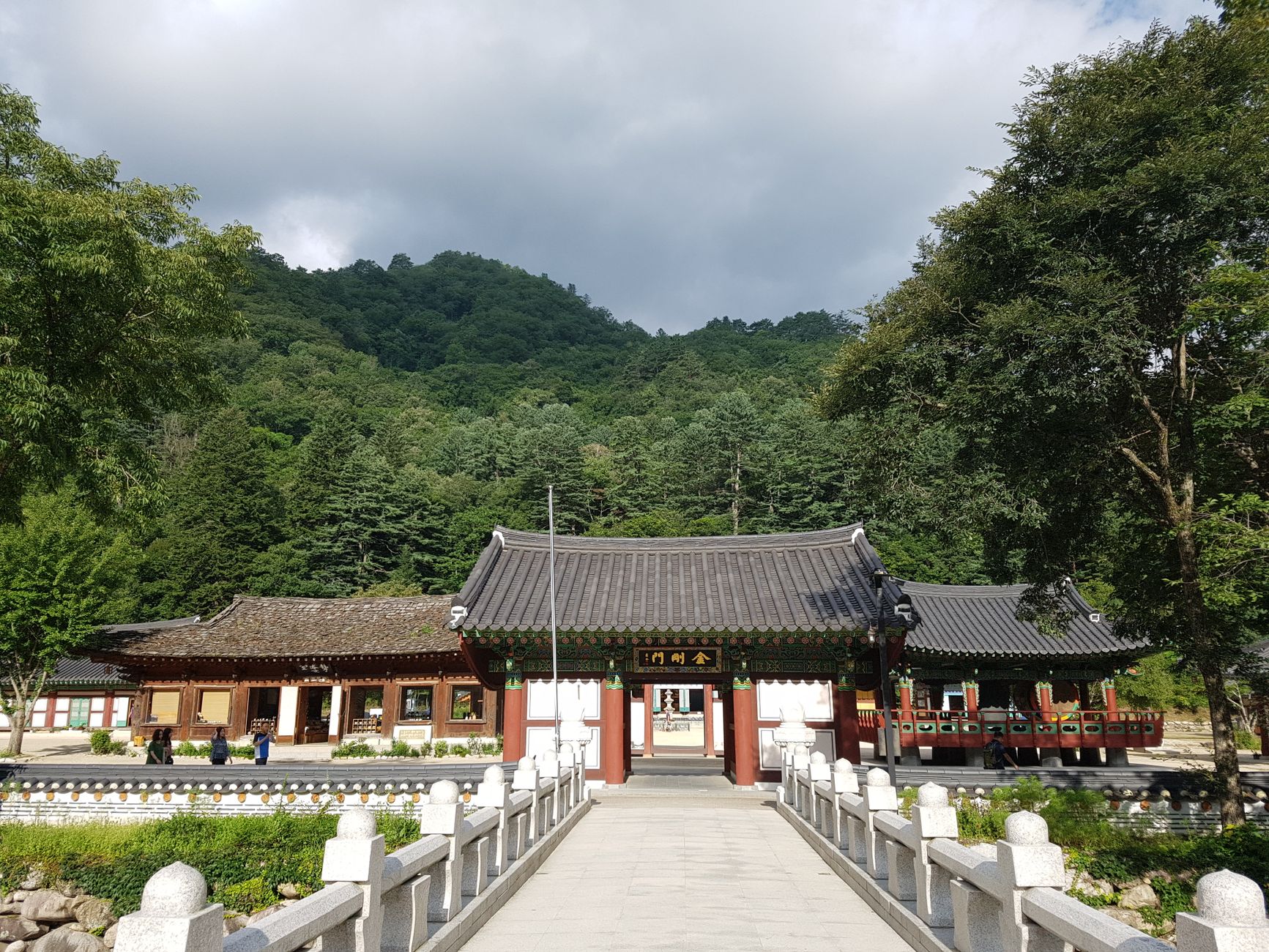
South Korea is a mesmerizing paradox where five-millennia-old dynastic history exists shoulder-to-shoulder with hyper-modern digital infrastructure and pulsating urban pop culture. Geographically defined by jagged mountain ranges like Taebaek and Jirisan, serene emerald tea fields, and a dramatic indented coastline fringed by thousands of islands, the peninsula's landscape is as diverse as its cultural offerings. From the soaring glass-and-steel skyscrapers of Seoul to the tranquil, tile-roofed hanok villages of Gyeongju and the sub-tropical volcanic caldera of Jeju Island, the country invites profound exploration.

Historically shaped by Confucian philosophy, Buddhist tradition, and decades of rapid post-war industrialization, modern Korean society is a dynamic blend of deep-rooted communal respect and relentless forward-looking innovation. The local lifestyle revolves heavily around an unmatched communal culinary culture, round-the-clock nightlife, and an intense appreciation for seasonal beauty—most notably spring's cherry blossoms and autumn's fiery maples. Visitors quickly discover a nation of astonishing warmth, blindingly fast connectivity, immaculate public safety, and a meticulous attention to detail that transforms every mundane transit ride or street-food stall visit into an exquisite cultural encounter.

Visual Impressions & Moments
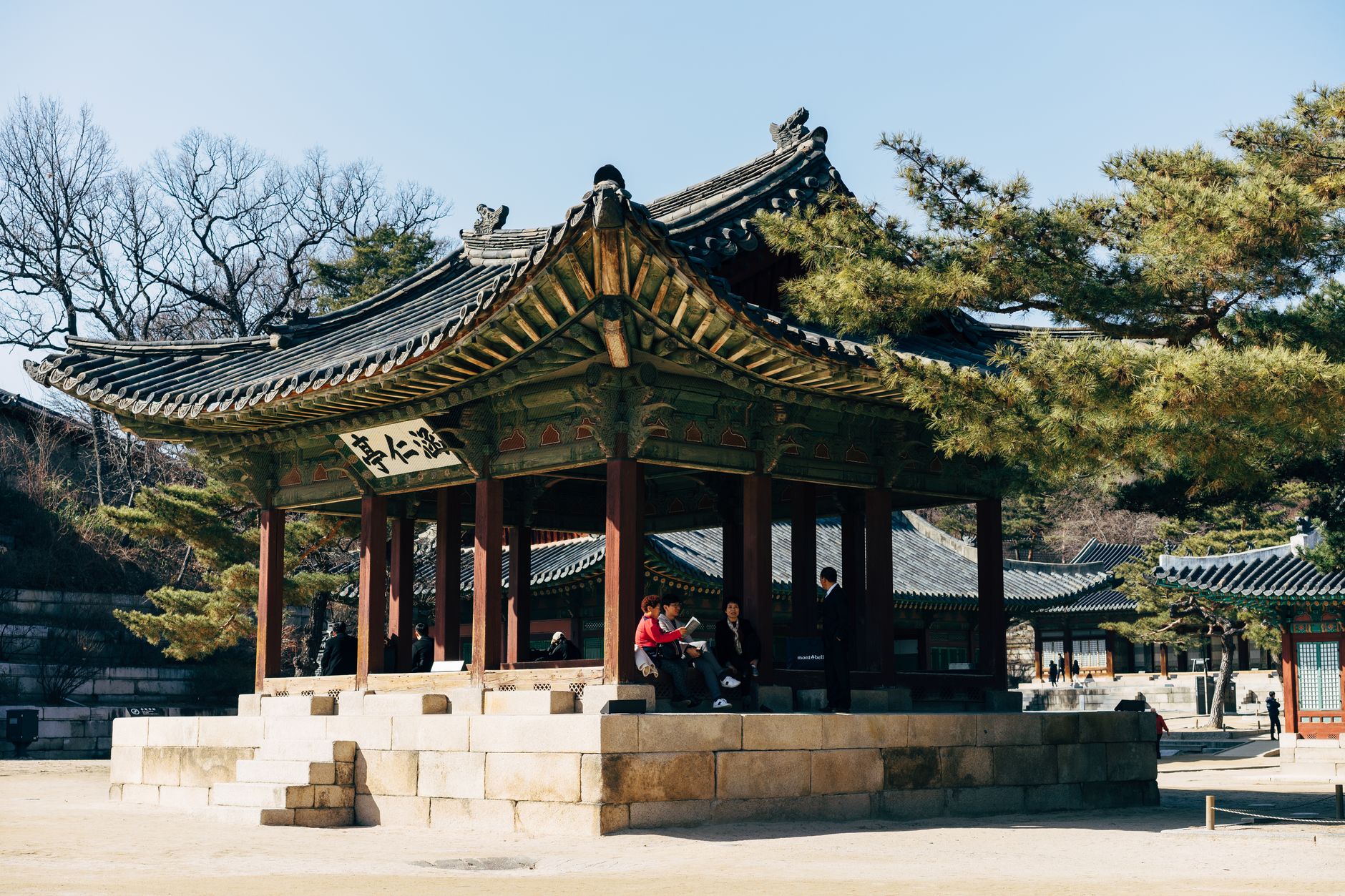
South Korea photo 1
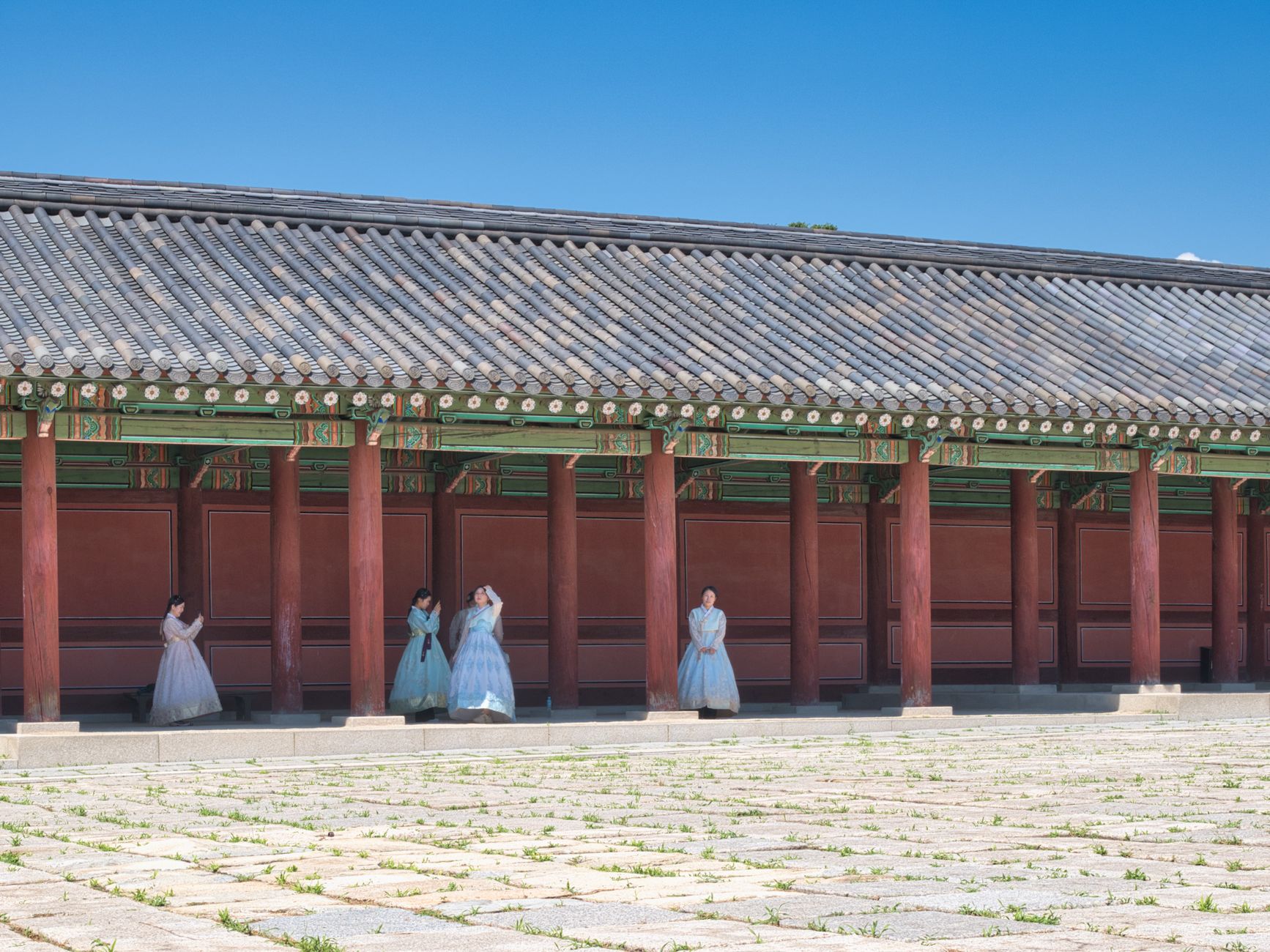
South Korea photo 2
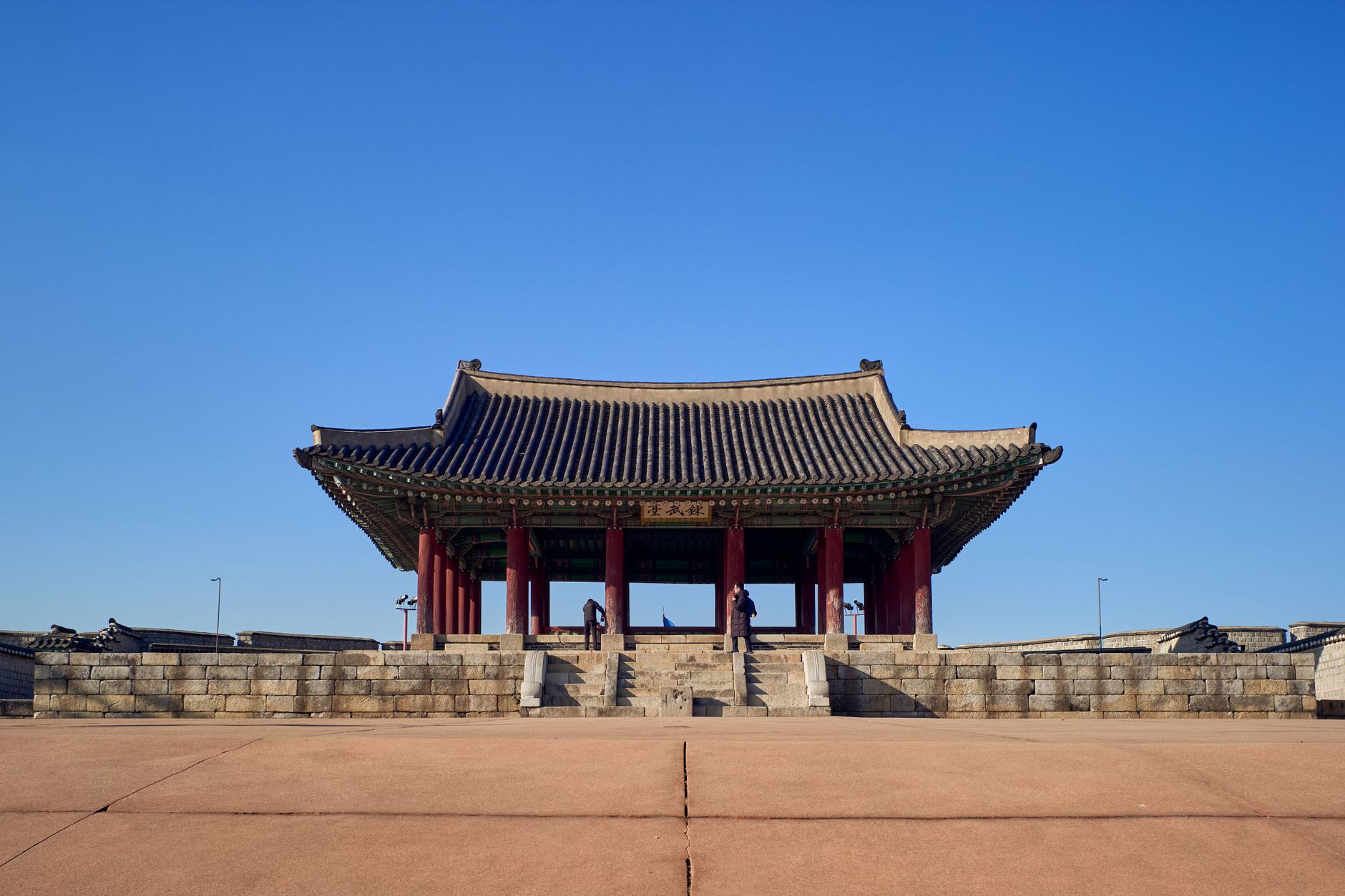
South Korea photo 3
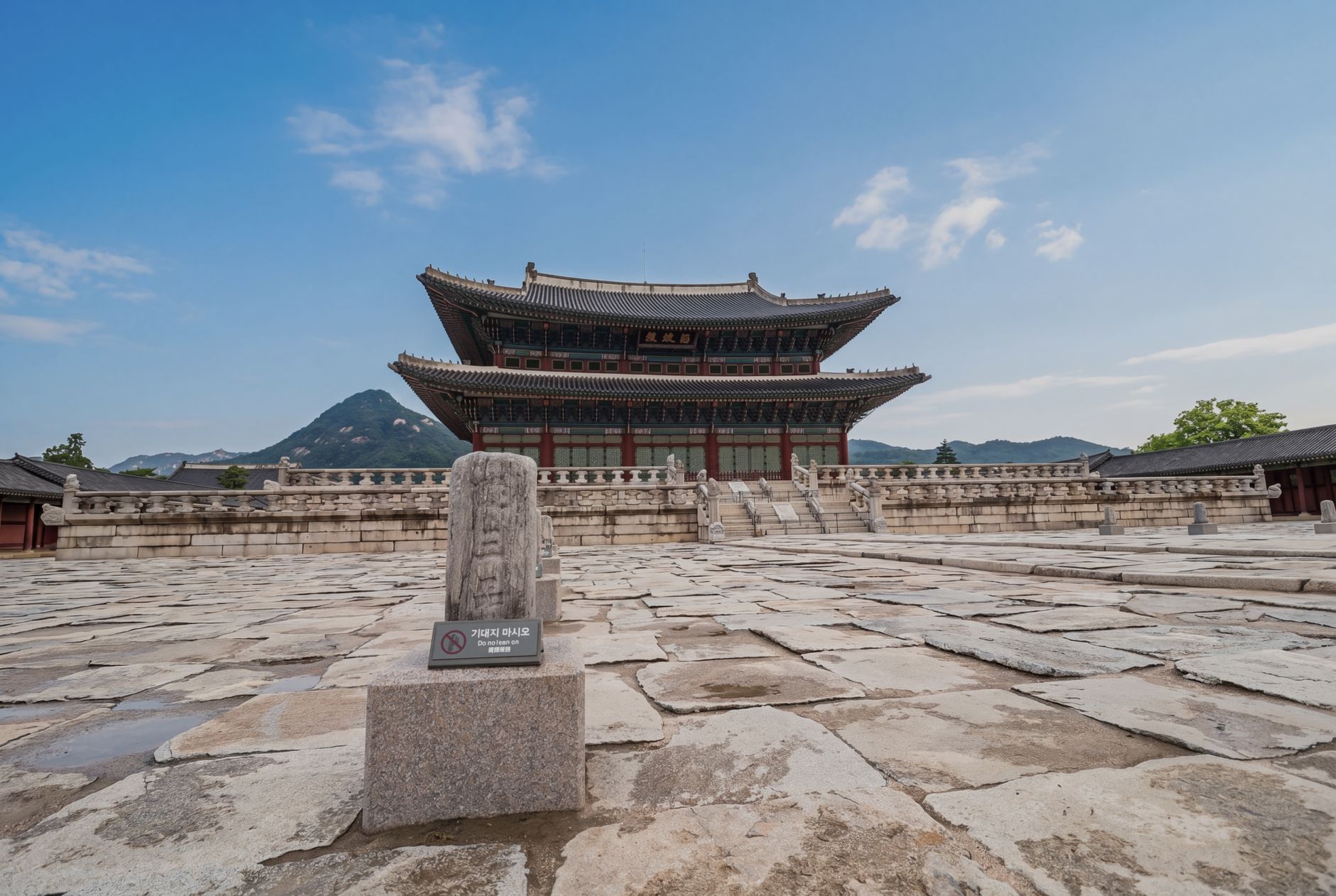
South Korea photo 4
South Korea photo 5
South Korea photo 6
Unmissable Moments

Top Things to Do in South Korea

Culture

Sleep in a Restored Historic Hanok in Jeonju

Immerse yourself in centuries of Korean architectural tradition by staying overnight in a traditional wooden hanok featuring curved tiled roofs, paper shoji screens, and ondol (underfloor heating). Fall asleep to the hum of crickets and wake up to a quiet courtyard serving homemade plum tea. Insider tip: Book a hanok equipped with modern ensuite bathrooms for optimal comfort without sacrificing historic charm.

Adventure

Conquer the Ridge Trails of Seoraksan National Park

Venture into South Korea's most dramatic alpine landscape, where jagged granite peaks pierce through swirling sea mists and cascading waterfalls feed pristine mountain streams. Hike up to Ulsanbawi Rock via steep iron staircases for panoramic views of the East Sea. Go at dawn during late October to catch the absolute peak of vibrant fiery autumn foliage.

Culinary

Indulge in a Midnight Pocha Street Food Crawl in Seoul

Experience the beating heart of Korean nightlife by visiting a traditional pojangmacha (tent restaurant) tucked beneath the neon glow of Jongno or Myeongdong. Sample spicy tteokbokki, crispy seafood pajeon, and sizzling grilled pork belly washed down with cold bottles of Hite beer and soju. Sit shoulder-to-shoulder with locals sharing stories late into the night.

Scenic

Marvel at the Sunrise Over Seongsan Ilchulbong on Jeju Island

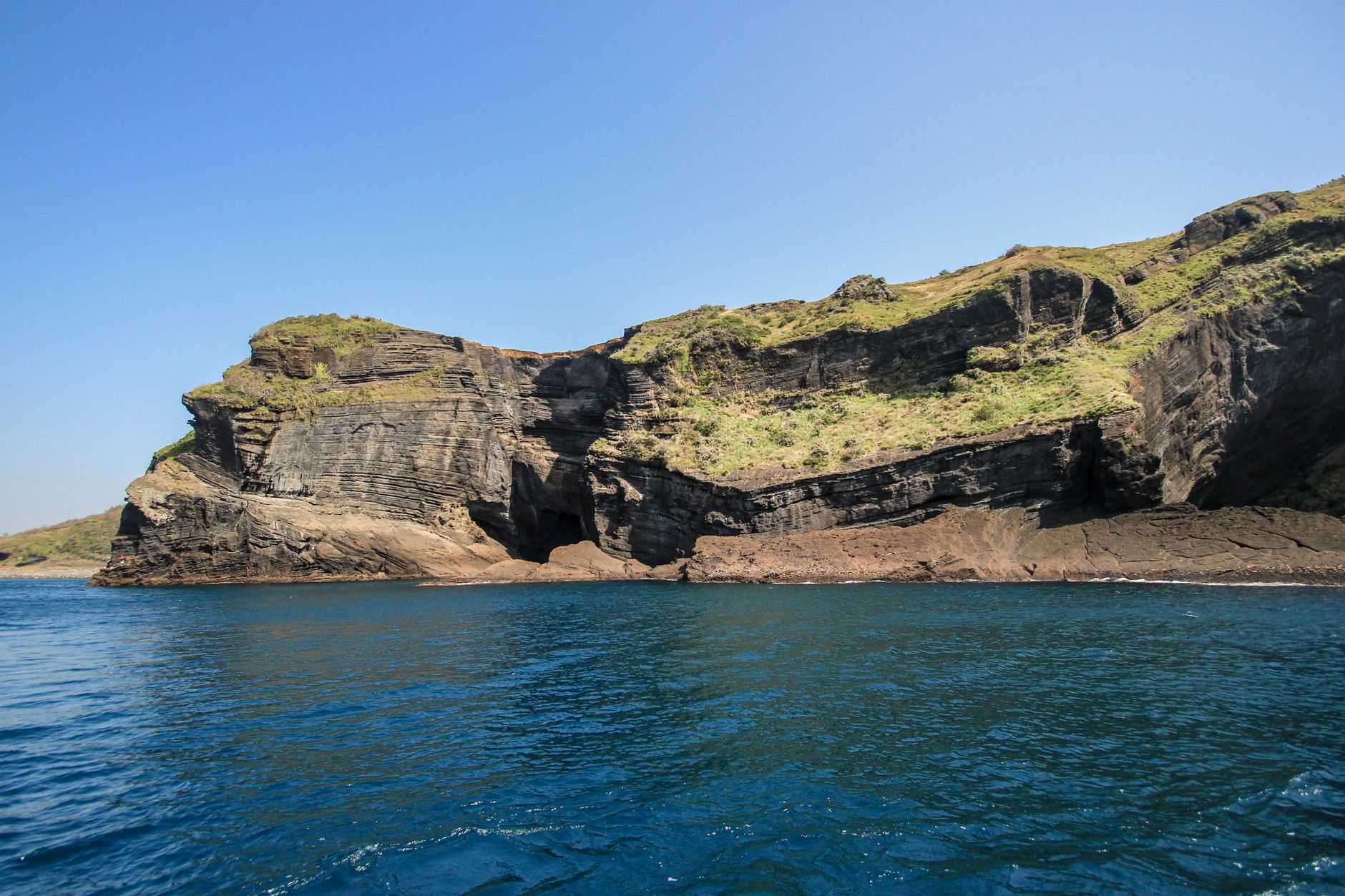
Climb the 182-meter volcanic tuff cone rising dramatically out of the turquoise ocean on Jeju Island's eastern coast. Arrive before dawn to hike the paved stone stairs to the massive grassy crater rim just as the sun illuminates the surrounding sapphire waters and jagged coastal cliffs. Follow the hike with a hearty bowl of fresh sea urchin seaweed soup nearby.

Must-See Highlights

Top Places & Things to Do in South Korea

Curated attractions and cultural landmarks with local insider advice.

Bulguksa Temple
culture
4.85

Bulguksa Temple

A masterpiece of Buddhist architecture from the Silla Dynasty, Bulguksa Temple is a UNESCO World Heritage site renowned for its exquisite stone pagodas, arched bridges, and tiered wooden halls resting upon terraced stone foundations. Built in 774, it represents the pure land of Buddha manifested on earth. The sacred complex seamlessly integrates natural topography with human craftsmanship, offering quiet contemplation amidst towering ancient pines. Don't miss the Dabotap and Seokgatap pagodas, which are celebrated as pinnacles of ancient stone masonry.

8:30 AM – 5:30 PM daily
Admission: ₩6,000
Insider Tip: Combine your visit with nearby Seokguram Grotto, located a scenic 20-minute winding mountain drive away.
Gyeongbokgung Palace
culture
4.8

Gyeongbokgung Palace

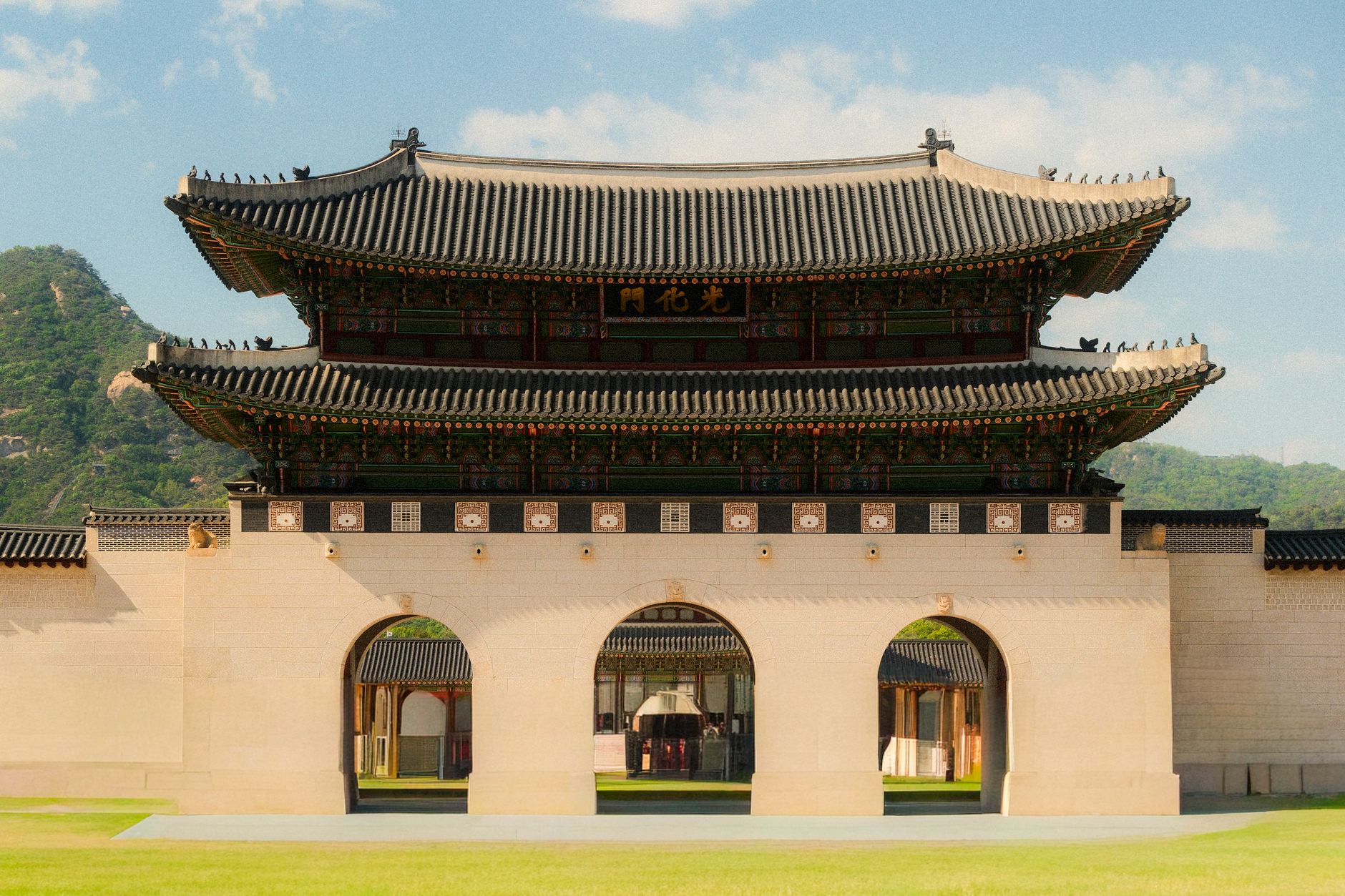
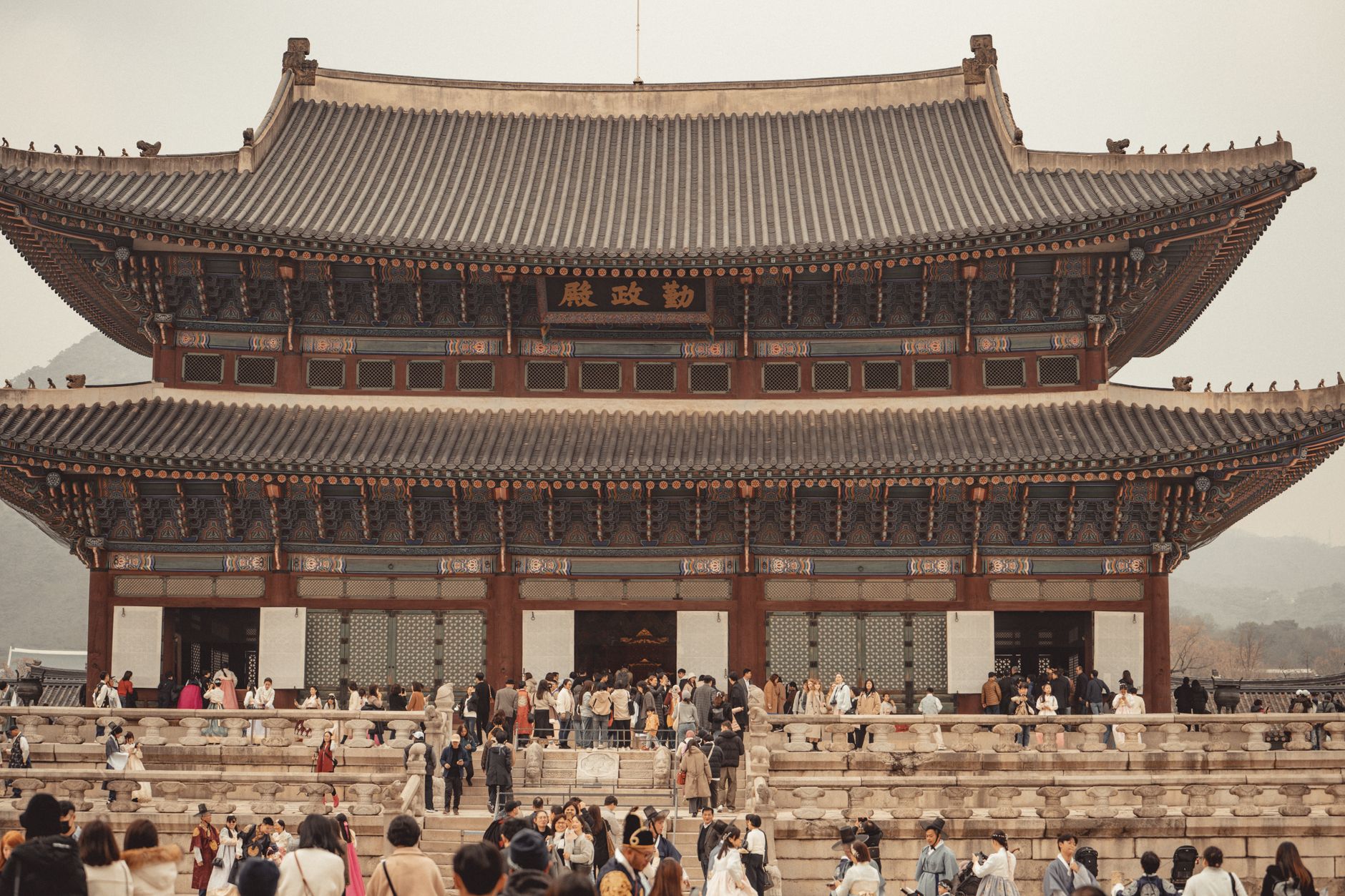
Built in 1395, Gyeongbokgung is the grandest and most magnificent of the Five Grand Palaces constructed during the Joseon Dynasty. Set against the dramatic granite peaks of Bugaksan Mountain, the sprawling complex encompasses ornate throne halls, tranquil lotus ponds, and the National Palace Museum of Korea. Visitors can witness the elaborate Royal Guard Changing Ceremony performed daily at the main Gwanghwamun gate, featuring traditional percussion and vivid imperial costumes. Tip: Rent a traditional hanok or hanbok dress from nearby shops to gain free admission to the palace grounds and capture unforgettable photographs.

9:00 AM – 5:00 PM (Closed Tuesdays)
Admission: ₩3,000
Insider Tip: Arrive right at 9:00 AM to explore the throne hall before the crowds and tour groups arrive.
N Seoul Tower
attraction
4.6

N Seoul Tower

Soaring atop Namsan Mountain in the geographical center of Seoul, this iconic communication tower offers unmatched 360-degree panoramic views of the sprawling megacity below. The surrounding wooden decks are famous for thousands of colorful 'love locks' left behind by couples. Visitors can ascend via the scenic Namsan Cable Car or hike up the forested walking trails lined with cherry trees and ancient stone walls. The tower features a rotating upscale restaurant and vibrant digital observatory experiences.

10:00 AM – 10:30 PM daily
Admission: ₩21,000 (Observatory)
Insider Tip: Visit just before sunset to watch the neon city skyline awaken as twilight turns into night.
Manjanggul Cave
nature
4.65

Manjanggul Cave

Formed hundreds of thousands of years ago when molten lava poured from Jeju's volcanic vents, Manjanggul Cave features one of the finest lava tube tunnel systems in the world. Stretching for miles underground, the cavern showcases fascinating geological formations including multi-colored lava stalactites and the famous stone turtle resembling Jeju Island. The cave maintains a cool, constant subterranean temperature year-round, offering a dramatic contrast to the island's tropical surface. Walkways are illuminated, though sturdy walking shoes and a light jacket are essential.

9:00 AM – 6:00 PM (Closed first Wednesday of month)
Admission: ₩4,000
Insider Tip: The floor can be damp and uneven; wear shoes with good traction and be prepared for dripping water.
Area Guide

Where to Stay & Best Neighborhoods

Bukchon Hanok Village & Insadong (Seoul)

Best for: History enthusiasts, photography lovers, and craft shoppers.

Vibe: Cobbled alleys, preserved Joseon-era courtyard homes, and artisan tea houses.

Tucked away on a ridge between Gyeongbokgung and Changdeokgung palaces, Bukchon offers a quiet sanctuary of traditional tiled roofs contrasting sharply with Seoul's distant modern skyscrapers. Neighboring Insadong provides an artistic corridor filled with antique galleries, brushmakers, and quiet tea rooms serving herbal infusions.

Haeundae & Gwangalli Beach (Busan)

Best for: Beach lovers, seafood gourmands, and luxury travelers.

Vibe: Cosopolitan seaside energy, luxury high-rises, and buzzing coastal nightlife.

Busan's premier coastal strip merges endless golden sands with a bustling urban waterfront. Walk the dramatic Dalmaji Hill cherry blossom path during spring or watch the nightly LED light show illuminating the iconic suspension bridge from the sandy expanse of Gwangalli Beach.

Hongdae & Yeonnam-dong (Seoul)

Best for: Nightlife seekers, indie music fans, and cafe hoppers.

Vibe: Youthful, bohemian, fiercely independent, and trendsetting.

Centering around Hongik University, this labyrinth of colorful alleys pulses with street performers, underground clubs, bespoke indie vinyl shops, and some of the world's most creative theme cafes. Branching into quieter Yeonnam-dong, the neighborhood transforms into a leafy linear park lined with artisan bakeries and quiet wine bars.

Food & Drink Scene

What to Eat in South Korea

Korean Barbecue (Samgyeopsal & Hanwoo)

A deeply social dining ritual where thick slices of pork belly or premium marbled Hanwoo beef are grilled tableside over charcoal. Wrapped in fresh perilla leaves and crisp lettuce with a dab of ssamjang and garlic, it delivers an unbeatable harmony of smoky, savory, and fresh flavors.

🍴 Top spot: Mapo Salt Grilled Pork Ribs, Seoul

Bibimbap (Mixed Rice Bowl)

Originating from Jeonju, this iconic dish features a bed of steamed rice topped with seasoned wild greens, sautéed mushrooms, strips of beef, a raw or fried egg, and a fiery dollop of gochujang chili paste. Mixed vigorously before eating, it creates a comforting medley of textures and warming heat.

🍴 Top spot: Hankuk Jib, Jeonju

Dwaeji Gukbap (Pork Soup with Rice)

A beloved regional specialty of Busan, this comforting milky-white pork broth is simmered for hours over bone marrow and served with tender slices of pork, rice, salted shrimp paste (saeujeot), and pungent chives. It is the ultimate restorative meal after a long coastal walk.

🍴 Top spot: Seomyeon Pork Soup Alley, Busan
Excursions

Best Day Trips from South Korea

DMZ (Demilitarized Zone) & Joint Security Area

1 hour by guided bus tour from Seoul

Step into one of the world's most heavily fortified borders to witness the chilling realities of the Korean Peninsula's division. Explore underground infiltration tunnels dug by North Korea, peer through binoculars from the Dora Observatory into a North Korean propaganda village, and stand inside the historic blue conference barracks where North and South Korean soldiers stare each other down.

Gyeongju Historic Areas ('Museum Without Walls')

2 hours by KTX high-speed train from Seoul

Journey deep into ancient history by exploring the capital of the millennium-long Silla Kingdom. Discover grass-covered royal burial mounds rising like green hills across the city center, marvel at the granite masterwork of Seokguram Grotto, and view the reflection of Cheomseongdae, Asia's oldest surviving astronomical observatory.

When to Go

Best Time to Visit & Seasonality

Editor’s Pick: Spring (April to June) and Autumn (September to November) offer the most temperate weather, clear blue skies, and breathtaking natural scenery. Spring brings world-famous cherry blossoms, while autumn showcases brilliant crimson and gold foliage.

Spring Overview

(April to June)
Peak Crowds
Average Temperature & Climate10°C to 22°C (50°F to 72°F)

Mild, sunny, and increasingly warm with minimal rainfall.

Crowd & Travel ConditionsPeak Tourist Traffic

Book hotels 3-6 months ahead.

✨ Seasonal Highlights:Cherry blossoms in full bloom across Seoul and Jinhae, festive lantern parades for Buddha's Birthday.
Travel Smarter

Practical Travel Essentials

CurrencySouth Korean Won (KRW)
LanguageKorean
Time ZoneGMT+9 (Korea Standard Time)

Visa & Entry

Citizens of over 100 countries (including the US, Canada, UK, and EU) can enter South Korea visa-free for up to 90 days, though travelers must apply for a K-ETA (Korea Electronic Travel Authorization) online at least 72 hours before departure.

Getting Around & Transit

South Korea boasts one of the world's most efficient transit networks. High-speed KTX trains connect major cities rapidly, while Seoul and Busan feature immaculate, English-signposted subway systems. Purchase a T-Money card at any convenience store for seamless tap-and-go access to buses, subways, and taxis.

Daily Budget Expectation

A comfortable mid-range budget ranges from $100 to $200 USD per day, covering a comfortable hotel, delicious meals at local restaurants, cafe visits, and public transit fares.

Safety & Health

South Korea is statistically one of the safest countries in the world, with remarkably low rates of violent crime. Solo travelers, including solo female travelers, can walk through cities late at night without safety concerns.

Local Etiquette & Customs

Remove your shoes when entering traditional accommodations, temples, and private homes. Receive items (especially money, credit cards, or gifts) with two hands as a sign of respect. Keep voice levels moderate on public transit.

Questions & Answers

Frequently Asked Questions about South Korea

Not at all. Major cities like Seoul and Busan feature extensive English signage, transit announcements, and menus with English translations or photos. Smartphone translation apps like Papago make navigating conversational interactions effortless.