🌟 Best in Travel 2026 is here!
St. Lucia
countryNorth America
4.88 / 5.0

St. Lucia

Dramatically rising volcanic peaks, lush rainforests, and soul-stirring Caribbean luxury.

Advertisement
Editorial Guide

About St. Lucia

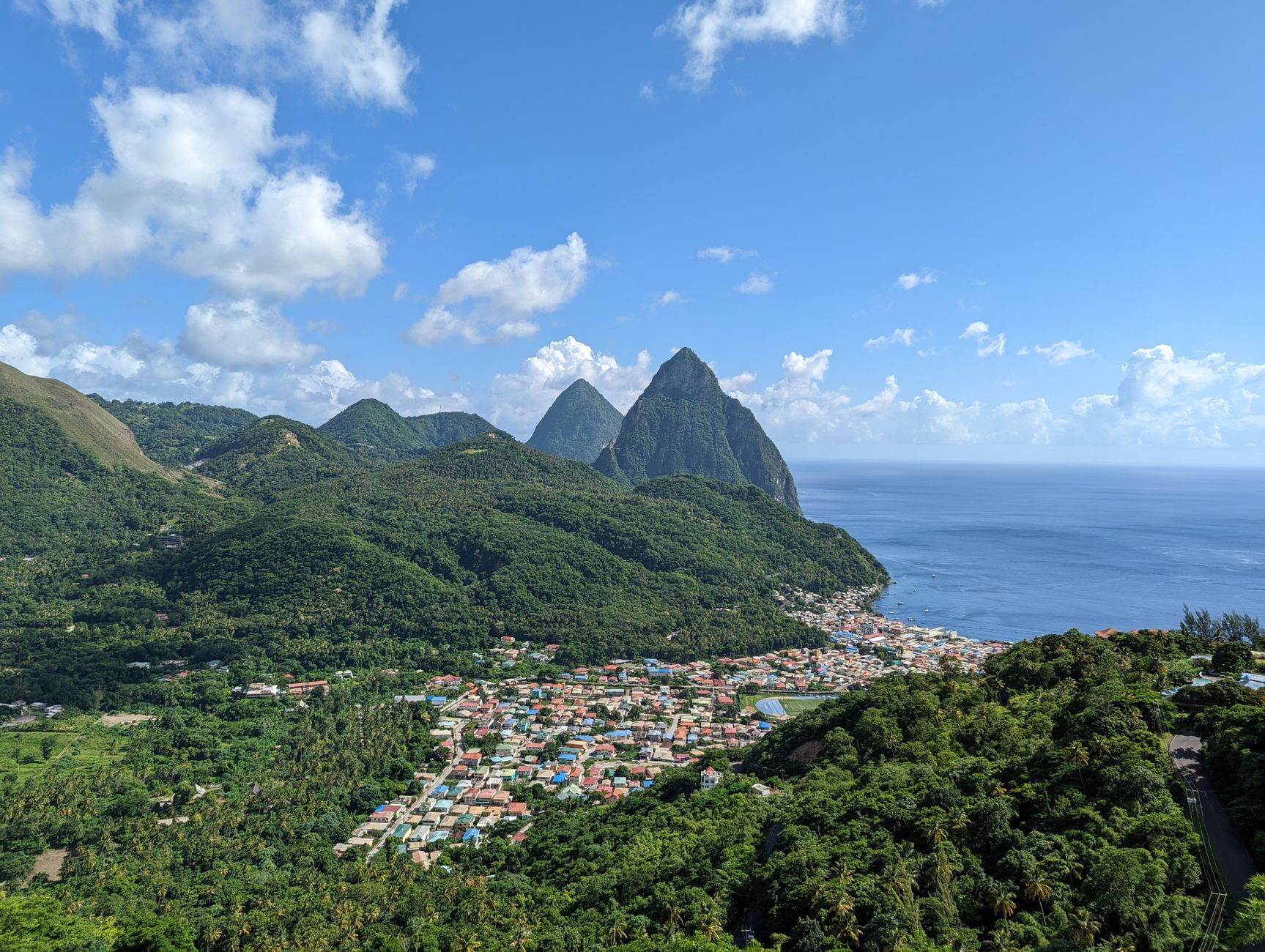
Rising dramatically from the turquoise embrace of the Eastern Caribbean, St. Lucia is an island of breathtaking geographical contrasts and deeply rooted cultural rhythms. At its heart, the twin volcanic spires of the Pitons—Gros Piton and Petit Piton—soar toward the heavens, forming an iconic UNESCO World Heritage landscape that defines the island's untamed soul. Beneath these towering monoliths lie hidden coves, bubbling sulfur springs, and emerald valleys choked with wild orchids, giant ferns, and cascading waterfalls that feed crystalline rivers.

Historically fiercely contested between the French and the British, St. Lucia's cultural tapestry bears the rich, layered scars and triumphs of its colonial past seamlessly blended with vibrant African heritage. Known locally as 'Helen of the West Indies' due to the frequent power struggles over its strategic harbors, the island today operates at a warm, welcoming pace. Creole patois is hummed alongside English, traditional quadrille dresses flash during festival seasons, and the rhythmic beats of soca and reggae drift effortlessly through balmy evening breezes from hilltop rum shacks to high-end open-air resorts.

Geographically, the island is heavily forested and volcanic, with a spine of mountainous terrain dividing the drier, flatter northern tip from the rugged, untamed southern coastline. This topography creates a myriad of microclimates, where sudden tropical showers give way to brilliant, sun-drenched afternoons. Coastal fishing villages like Anse La Raye and Canaries preserve a bygone way of life where colorful wooden pirogues line volcanic sand beaches, and fishermen haul in daily catches of mahi-mahi and kingfish to be seasoned with fiery local scotch bonnet peppers.

Local life in St. Lucia revolves around community, outdoor living, and an abiding respect for the land and sea. Agriculture remains a vital pillar, with sweeping plantations of bananas, cocoa, and coconuts carpeting the interior valleys. Whether you are navigating the winding coastal roads in search of secluded black-sand beaches, diving along vibrant coral walls teeming with seahorses and hawksbill turtles, or sipping freshly harvested cocoa tea on a veranda overlooking the Caribbean Sea, St. Lucia offers an immersive sensory journey that captivates the adventurous and enchants the romantic.

Visual Impressions & Moments

St. Lucia photo 1
St. Lucia photo 2
St. Lucia photo 3
St. Lucia photo 4
St. Lucia photo 5
Unmissable Moments

Top Things to Do in St. Lucia

Adventure

Scale the Majestic Summit of Gros Piton

Embark on a challenging yet immensely rewarding four-hour guided trek up the southern sentinel of St. Lucia's iconic twin peaks. Navigating root-strewn forest trails under a canopy of tropical hardwoods, hikers are rewarded at the summit with sweeping panoramic views of the entire southern coastline, St. Vincent in the distance, and the dramatic drop-off into Petit Piton. Start early at 6:00 AM to beat the tropical heat, and make sure to hire a certified local guide from the Experience St. Lucia Bureau at the base in Fond Gens Libre.

Must-Do

Soak in the Therapeutic Sulphur Springs of Soufrière

Venture into the caldera of the world's only 'drive-in volcano' for a geothermal spa experience unlike any other. Mineral-rich, bubbling gray mud pools heated by subterranean volcanic activity offer a detoxifying body mask experience, followed by a rinse in the warm, iron-rich cascades of nearby Toraille Waterfall. Slather on the sulfur mud, let it dry under the Caribbean sun, and emerge with skin as smooth as silk while learning about the volcanic history from expert local naturalists.

Scenic

Sail Past the Pitons on a Catamaran at Sunset

Experience the sheer scale of the Pitons from the vantage point of the sparkling Caribbean Sea aboard a luxury catamaran. As the sun dips toward the western horizon, painting the sky in violent streaks of amber, violet, and gold, sip on rum punch and nibble on local fish canapés while the boat glides quietly into sheltered bays. Keep your cameras ready for pods of spinner dolphins that frequently surf the boat's wake in the golden hour light.

Culture

Immerse in the Friday Night Gros Islet Street Party

Join locals and travelers alike in the historic fishing village of Gros Islet for the ultimate Caribbean block party. Every Friday night, streets are blocked off as massive sound systems blast reggae, dancehall, and soca, while outdoor grills smoke with jerk chicken, grilled conch, and skewered garlic shrimp. Wash it all down with an ice-cold local Piton beer, dance in the streets under strings of colorful lights, and experience authentic St. Lucian street culture at its absolute finest.

Area Guide

Where to Stay & Best Neighborhoods

Soufrière & The Southwest

Best for: Adventure seekers, nature lovers, photographers, and luxury resort guests.

Vibe: Dramatic, historic, lush, and dominated by volcanic majesty.

Nestled in the shadow of the Pitons, Soufrière is the undisputed visual heart of St. Lucia. Once the French colonial capital, today it is a sleepy, colorful town surrounded by botanical gardens, plunging waterfalls, and some of the world's most exclusive cliffside eco-resorts. Winding roads reveal breathtaking vistas at every turn, making it the ideal base for exploring the island's raw geographical wonders.

Rodney Bay & The Northwest

Best for: Nightlife enthusiasts, families, sailors, and beach lovers.

Vibe: Cosmopolitan, lively, marina-focused, and beach-centric.

The bustling tourist hub of St. Lucia, Rodney Bay offers a concentration of modern amenities, pristine white-sand beaches at Reduit Beach, and a sprawling world-class marina lined with yachts. The neighborhood features high-end shopping malls, bustling casinos, gourmet international restaurants, and easy access to the historic fortifications of Pigeon Island National Landmark.

Castries & The Central Corridor

Best for: Culture seekers, history buffs, shoppers, and budget travelers.

Vibe: Busy, commercial, culturally vibrant, and authentically local.

St. Lucia's bustling capital city of Castries serves as the commercial hub, featuring a lively central market where local artisans sell handmade crafts, woven baskets, and hyper-local spices. While many travelers pass through quickly, exploring Derek Walcott Square and the surrounding gingerbread architecture offers an authentic glimpse into everyday urban St. Lucian life.

Food & Drink Scene

What to Eat in St. Lucia

Green Fig and Saltfish

St. Lucia's official national dish consists of unripe green bananas (locally called 'figs') boiled and seasoned, paired with salted codfish that has been sautéed with onions, garlic, peppers, and local herbs. It is a hearty, deeply comforting dish that highlights the island's agricultural bounty and historical reliance on preserved proteins.

🍴 Top spot: Dasheene at Ladera Resort, Soufrière

Bouyon

A rich, deeply nourishing one-pot stew made from a complex blend of root vegetables (yams, dasheen, sweet potatoes), dumplings, plantains, and a choice of meat such as salt beef, pork, or chicken, all simmered in a coconut-infused broth thickened with local provisions. It is traditionally prepared on Sundays and enjoyed communally.

🍴 Top spot: Coal Pot Restaurant, Castries

Fresh Creole Mahi-Mahi with Provisions

Daily-caught local fish pan-seared or grilled, drenched in a savory, aromatic Creole tomato sauce spiked with thyme, bell peppers, scallions, and fiery scotch bonnet peppers. Served alongside breadfruit, dasheen, and fried plantains.

🍴 Top spot: Jade Mountain Club, Soufrière
Excursions

Best Day Trips from St. Lucia

Pigeon Island National Landmark

15 mins from Rodney Bay / 1 hour 15 mins from Soufrière

Explore a 44-acre islet connected to the mainland by a causeway, steeped in military history. Hike up to the ruins of Fort Rodney for 360-degree views stretching all the way to Martinique on clear days, explore 18th-century British barracks, and unwind on two secluded golden-sand beaches within the park.

The Wild East Coast & Dennery Fishing Village

45 mins from Castries / 50 mins from Soufrière

Escape the tourist hubs and drive across the island to the Atlantic coast, where dramatic waves crash against rugged cliffs. Stop at the fishing village of Dennery, visit local cassava bakeries, and hike to the hidden, roaring Sault waterfalls tucked deep within the rainforest.

When to Go

Best Time to Visit & Seasonality

Editor’s Pick: December to April offers the ideal dry season weather, characterized by lower humidity, dependable sunshine, and pleasant trade winds. However, visiting during the shoulder months of May to June provides lush landscapes after the winter rains, fewer crowds, and more favorable resort pricing before the peak hurricane risk elevates between August and October.

Spring Overview

(March - May)
Moderate
Average Temperature & Climate25°C to 30°C (77°F to 86°F)

Warm, mostly dry with occasional brief tropical showers.

Crowd & Travel ConditionsModerate Tourist Traffic

Fewer lines and better deals.

✨ Seasonal Highlights:Jazz Festival in May, excellent snorkeling conditions, blooming flora.
Travel Smarter

Practical Travel Essentials

CurrencyXCD (Eastern Caribbean Dollar)
LanguageEnglish (Official), Saint Lucian Creole French
Time ZoneAST (Atlantic Standard Time, UTC-4)

Visa & Entry

Citizens of the US, Canada, UK, EU, and CARICOM nations do not require a visa for stays up to 90 days. A valid passport, return ticket, and proof of accommodation are required upon entry.

Getting Around & Transit

Rental cars are popular for exploring at your own pace, though roads are very winding and mountainous. Taxis are widely available but expensive for long distances. Local minivans (buses) are extremely cheap and fun for daytime travel between towns.

Daily Budget Expectation

$150 - $400+ USD per day depending on accommodation style, dining choices, and excursion bookings.

Safety & Health

St. Lucia is generally safe for travelers, with low rates of violent crime against tourists. Standard precautions should be taken: avoid walking alone on isolated beaches after dark and secure valuables in your hotel safe.

Local Etiquette & Customs

Greet people with a polite 'Good morning' or 'Good afternoon' before asking a question. Beachwear is strictly for the beach; cover up when walking through towns or villages out of respect for local customs.

Questions & Answers

Frequently Asked Questions about St. Lucia

St. Lucia primarily uses British-style 3-pin rectangular plugs (Type G) operating at 240 volts, though some older hotels also feature US 2-pin sockets (Type A/B). Bringing a universal adapter is highly recommended.