🌟 Best in Travel 2026 is here!
Svalbard
regionEurope
4.90 / 5.0

Svalbard

A frozen, raw wilderness where polar bears outnumber people beneath the polar skies.

Editorial Guide

About Svalbard

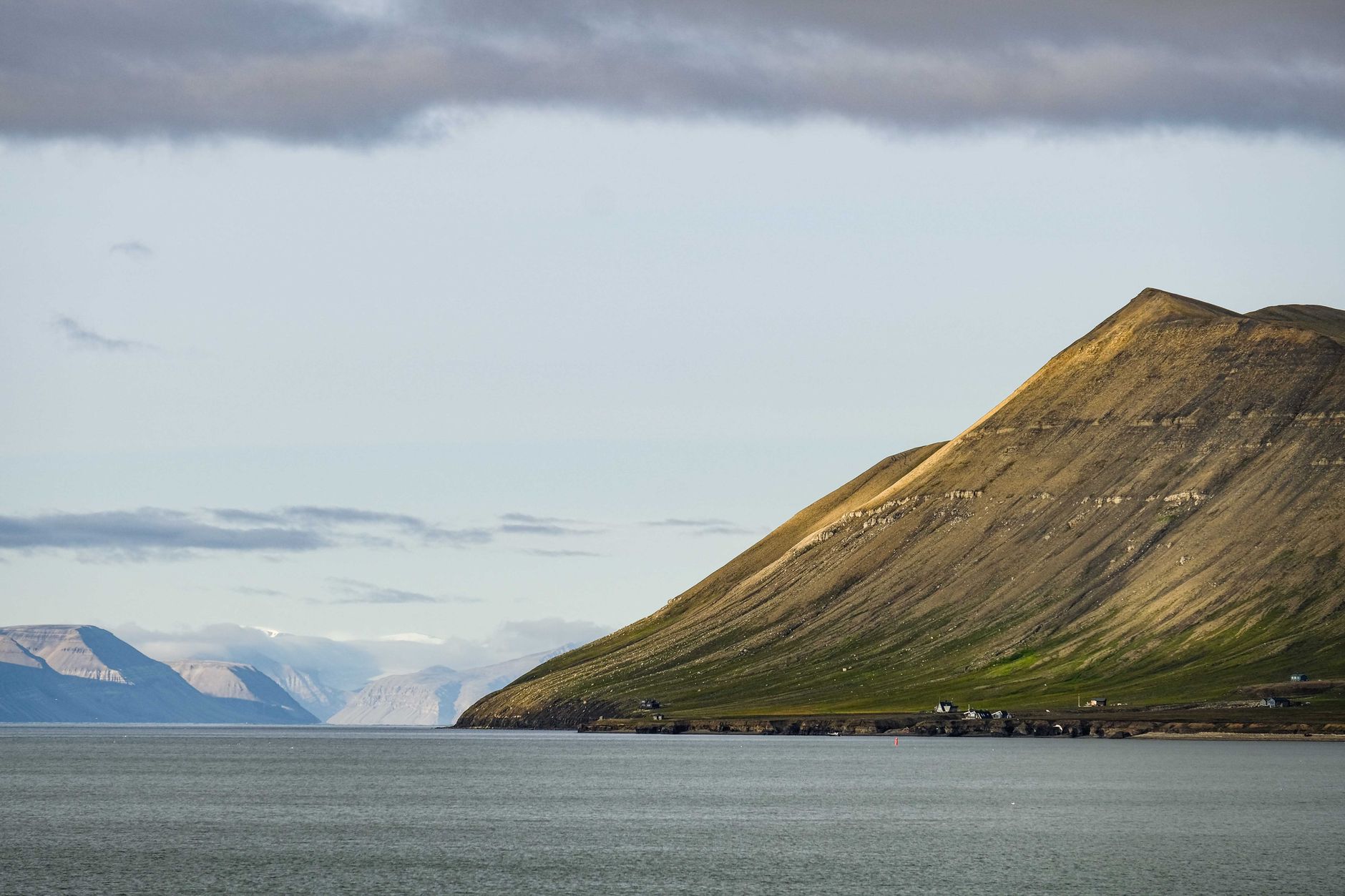
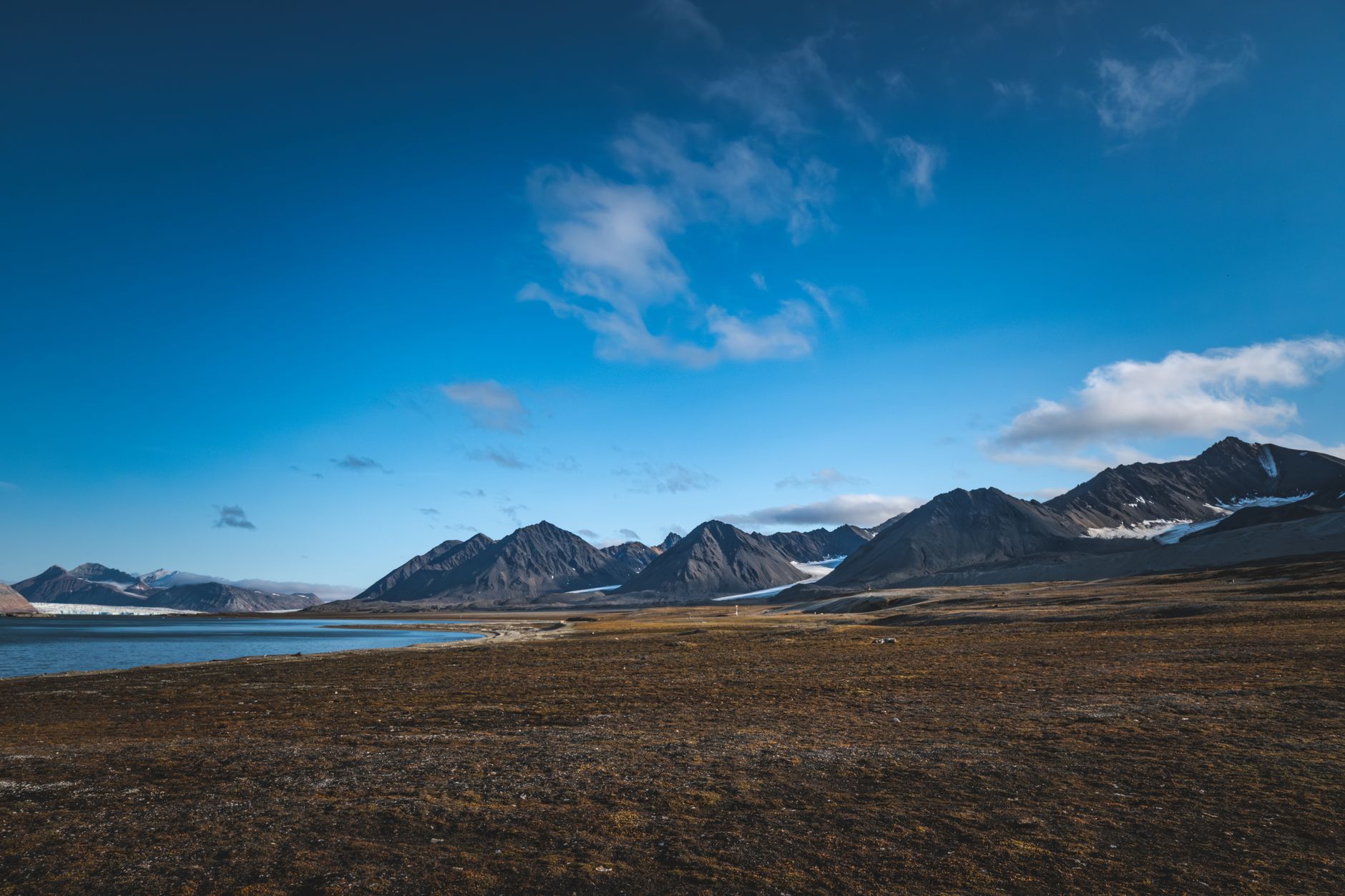
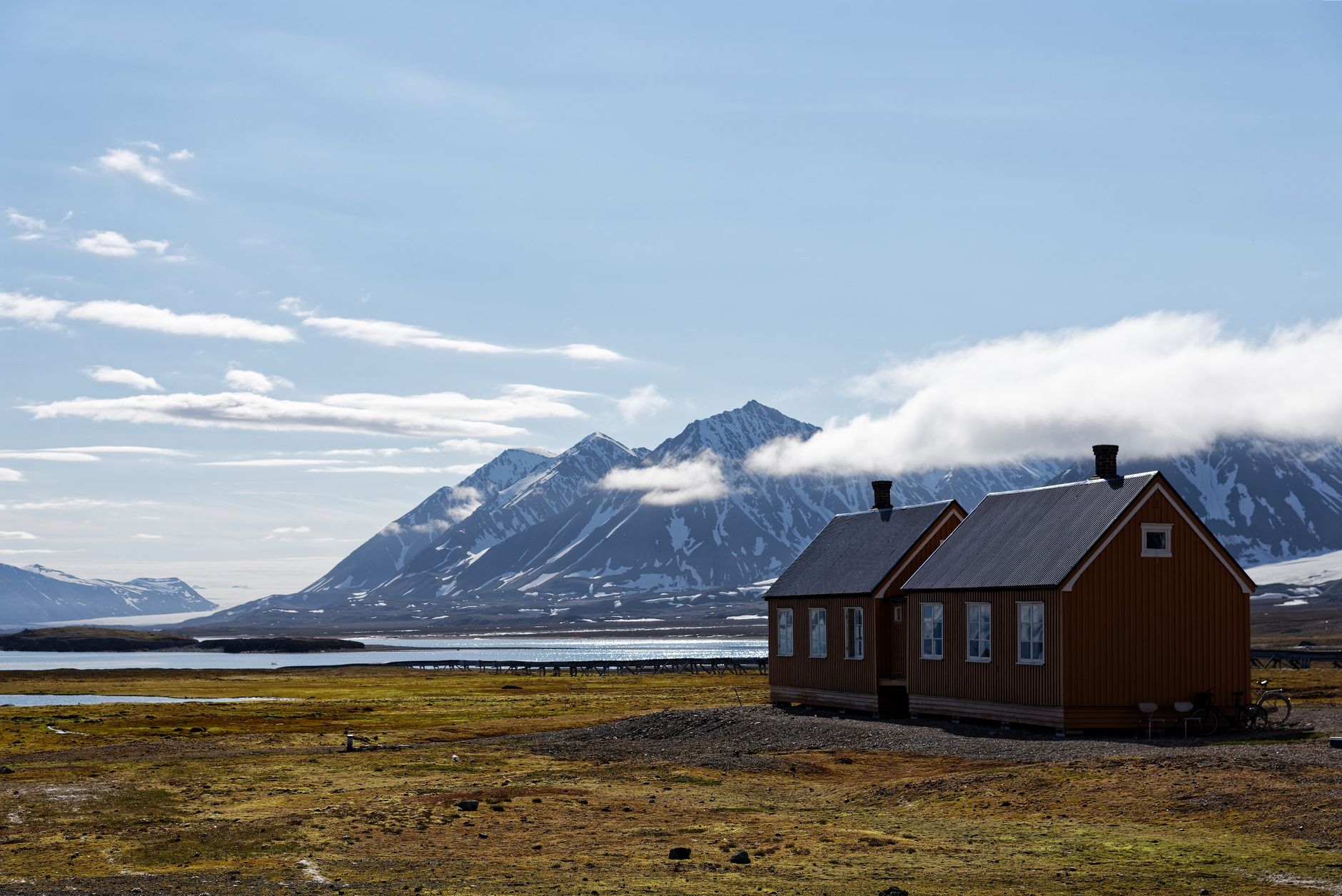
Svalbard is a dramatic archipelago stranded deep inside the Arctic Circle, a realm of jagged, snow-draped peaks, colossal calving glaciers, and endless, untamed tundra. This is the true High Arctic, where the elements reign supreme and the human footprint is a mere speck against an immense, icy canvas. Here, the silence is so profound it feels physical, broken only by the crack of ancient ice or the howl of the wind. It is an environment that commands absolute respect, offering travelers a rare glimpse of a world still ruled by nature's rawest forces.

Discovered by Dutch explorer Willem Barentsz in 1596, Svalbard's history is written in whalebones, abandoned coal mines, and heroic polar expeditions. The unique Svalbard Treaty of 1920 established Norwegian sovereignty while granting citizens of signatory nations equal rights to reside and conduct business, transforming this remote outpost into an intriguing international melting pot. Remnants of Soviet-era mining towns stand alongside modern research stations, creating a surreal geopolitical and cultural landscape frozen in time.

This is a land of extremes, defined by the dramatic swing between the midnight sun of summer and the absolute darkness of the polar night. Polar bears (Isbjørn) are the undisputed kings of this territory, outnumbering human residents and dictating daily life. Stepping outside the designated safety zone of the settlements requires carrying a high-caliber rifle for protection, a stark reminder of humanity's place in the Arctic food chain.

In the main hub of Longyearbyen, a resilient community of around 2,500 people from over 50 countries thrives in the world's northernmost permanent town. Life here is defined by a deep respect for nature, a tight-knit camaraderie born of isolation, and a unique set of local laws. It is a place where you cannot legally give birth or be buried due to the permafrost, where cats are banned to protect migratory birds, and where taking off your shoes when entering indoor spaces is a cherished cultural tradition.

Visual Impressions & Moments
Svalbard photo 1
Svalbard photo 2
Svalbard photo 3
Svalbard photo 4
Svalbard photo 5
Svalbard photo 6
Unmissable Moments

Top Things to Do in Svalbard

Adventure

Mush a Team of Husky Dogs across Bolterdalen

Feel the raw power of a team of eager huskies as they pull your sled across the silent, snow-choked valleys of Svalbard. Unlike motorized travel, dog sledding connects you intimately to the Arctic landscape, allowing you to hear only the soft panting of the dogs and the scrape of wooden runners on fresh snow. In winter, you will guide your team under a canopy of stars or dancing auroras; in summer, wheeled carts allow you to explore the gravel riverbeds and vibrant green tundra.

Culture

Explore the Soviet Ghost Town of Pyramiden

Step back in time by boarding an ice-strengthened vessel to Pyramiden, a coal-mining settlement abandoned by the Soviet Union in 1998. Today, it stands frozen in time, a haunting open-air museum of Soviet architecture complete with the world's northernmost statue of Lenin, a cultural palace with a preserved grand piano, and empty residential blocks. Walking these quiet streets under the shadow of the massive Nordenskiöld Glacier is an eerie, unforgettable historical experience.

Must-Do

Embark on a Snowmobile Expedition to the East Coast

Traverse vast glacial plateaus and rugged mountain passes to reach the wild East Coast of Spitsbergen, Svalbard's main island. This remote area is the prime hunting ground for polar bears, offering the best chance to spot these majestic predators in their natural habitat of frozen pack ice. The journey itself is an adrenaline-fueled transit through some of the most dramatic, untouched polar landscapes on Earth.

Scenic

Kayak through the Glacial Waters of Adventfjorden

Paddle through the icy, mirror-like waters of Adventfjorden, surrounded by towering, flat-topped mountains and active glaciers. As you glide silently through the water, you may encounter curious harbor seals popping their heads up nearby, or flocks of nesting seabirds diving for fish. It is a peaceful yet exhilarating way to experience the scale of the Arctic wilderness from sea level.

Must-See Highlights

Top Places & Things to Do in Svalbard

Curated attractions and cultural landmarks with local insider advice.

Svalbard Museum
culture
4.8

Svalbard Museum

Located in the modern Svalbard Science Centre, this award-winning museum offers a comprehensive and beautifully curated look into the archipelago's natural history, human exploration, and industrial past. Through immersive exhibits, visitors can learn about the unique adaptations of Arctic wildlife, the grueling lives of early Dutch whalers and trappers, and the development of coal mining in the region. The museum features a fantastic collection of preserved specimens, historical artifacts, and interactive displays that appeal to all ages. It is the perfect first stop for any visitor looking to understand the delicate ecosystem and complex history of the land they are about to explore.

10:00 AM - 5:00 PM daily
Admission: €12
Insider Tip: Combine your visit with a stop at the neighboring university library to browse their excellent collection of polar literature and maps.
Svalbard Church
culture
4.7

Svalbard Church

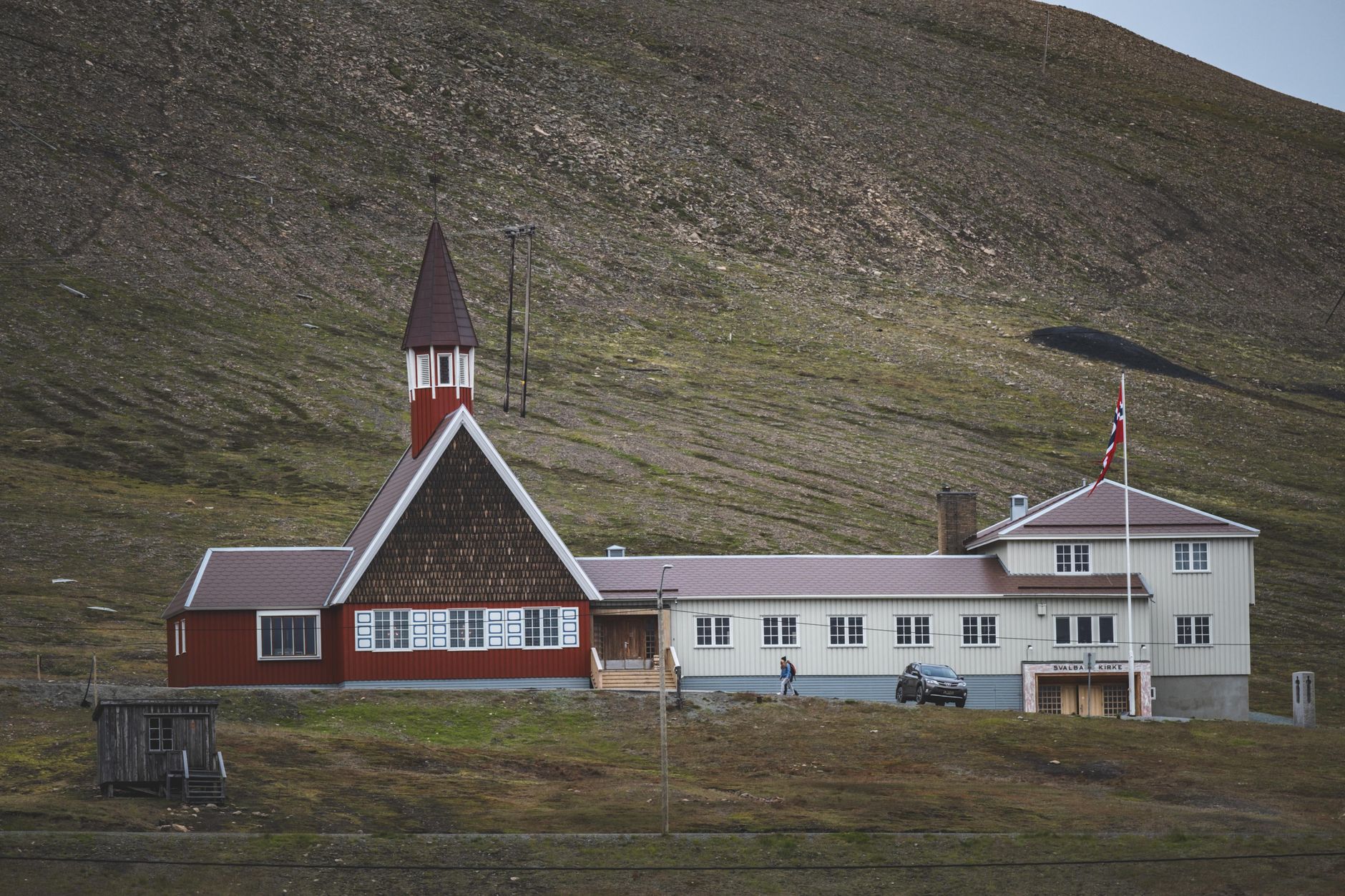
Perched on a hillside overlooking Longyearbyen, Svalbard Church (Svalbard Kirke) is the northernmost church in the world. This red wooden building serves not only as a place of worship but also as a vital community center for the town's diverse international population. The church is famously kept open 24 hours a day, offering a warm sanctuary, free coffee, and a quiet space for reflection. Inside, the church features a cozy lounge with a fireplace, a small library, and beautiful stained glass windows that frame the surrounding mountains. It is a testament to the warmth and open-door hospitality of the people who choose to make this harsh environment their home.

Open 24/7
Admission: Free (donations welcome)
Insider Tip: Remember to take off your shoes at the entrance, a custom that dates back to the days when miners wanted to avoid tracking coal dust into clean spaces.
Svalbard Bryggeri
food
4.9

Svalbard Bryggeri

Svalbard Bryggeri is the world's northernmost craft brewery, founded in 2011 after a long and persistent battle to change a 1928 Norwegian law that prohibited the commercial brewing of alcohol in the archipelago. Today, the brewery successfully crafts exceptional beers using water sourced from the ancient Bogerbreen glacier, giving their brews a uniquely clean and crisp profile. The taproom offers a warm, industrial-chic atmosphere where visitors can sample a variety of beers, including their popular Pilsner, Pale Ale, and rich Stout. Guided tours of the facility explain the fascinating history of the brewery's founding and the unique challenges of brewing beer in the extreme conditions of the High Arctic.

Fridays 4:00 PM - 10:00 PM (check seasonal hours for tours)
Admission: €25 for tasting and tour
Insider Tip: Tours must be booked in advance as they are highly popular and space in the taproom is limited.
The Global Seed Vault (Exterior)
attraction
4.6

The Global Seed Vault (Exterior)

Deep inside the permafrost of a mountain slope near Longyearbyen lies the Global Seed Vault, often referred to as the 'Doomsday Vault.' This secure facility holds millions of seed samples from around the world, serving as a safety net to preserve crop diversity in the event of global catastrophes. While the interior is strictly closed to the public to safeguard the seeds, the iconic concrete entrance is a must-see. The entrance structure, designed by artist Dyveke Sanne, features a striking metallic installation that reflects the polar light, glowing with green and turquoise hues during the dark season. Standing outside this monument to human foresight, surrounded by the silent Arctic mountains, is a humbling experience.

Exterior viewable 24/7
Admission: Free
Insider Tip: The vault is located up a steep hill from the airport. It is best visited by taxi or as part of a guided town sightseeing tour, as walking up can be dangerous due to polar bear risks outside the town limits.
Area Guide

Where to Stay & Best Neighborhoods

Longyearbyen Center

Best for: First-time visitors, dining, duty-free shopping, and boutique hotels.

Vibe: Charming, colorful, and surprisingly cosmopolitan with a frontier edge.

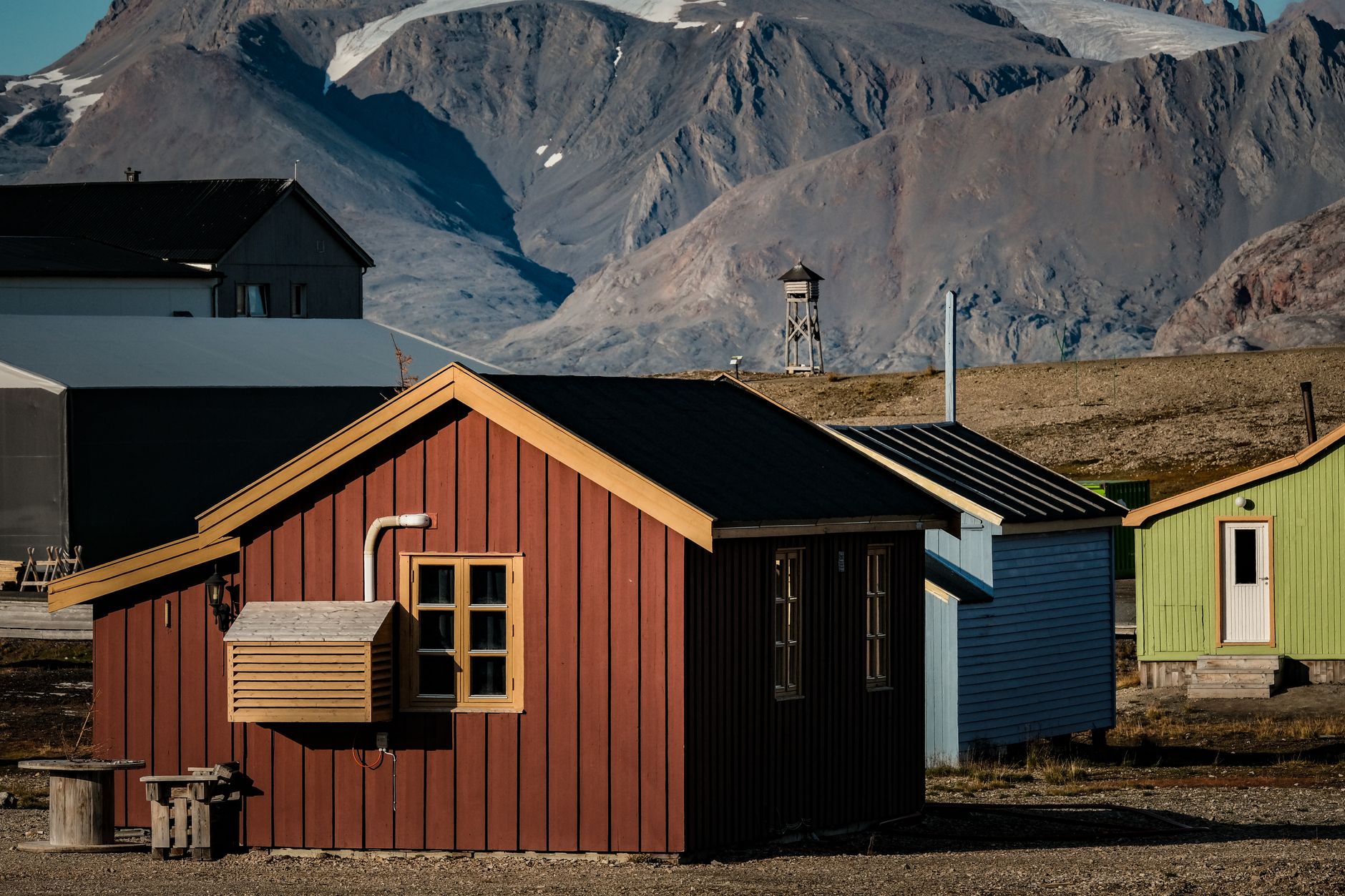
The main artery of Svalbard, the town center is lined with colorful, stilt-supported wooden houses designed to withstand the shifting permafrost. Here, you will find high-end outdoor gear shops, cozy cafes, world-class restaurants, and the local supermarket where residents routinely park their rifles before shopping. It is the safest and most convenient area to base yourself, with all major tour operators picking up directly from the hotels.

Nybyen

Best for: Budget-conscious travelers, hikers, and history enthusiasts.

Vibe: Historic, rustic, and surrounded by dramatic mountain peaks.

Located about two kilometers up the valley from the town center, Nybyen was established in the 1940s to house local coal miners. The historic wooden miner barracks have since been creatively converted into cozy guesthouses, student accommodation, and the local art gallery. Nestled right beneath the Sarkofagen mountain and the Longyear Glacier, it offers immediate access to hiking trails and a quieter, more authentic historic atmosphere.

Barentsburg

Best for: History buffs, cultural explorers, and off-the-beaten-path day trippers.

Vibe: Intriguing, industrial, and heavy with Soviet nostalgia.

Located roughly 55 kilometers from Longyearbyen, Barentsburg is an active Russian coal-mining settlement home to around 300 residents. It operates as a distinct cultural bubble, complete with Cyrillic signs, Soviet-era murals, a massive mining complex, and a local consulate. Visitors can explore the town, dine on traditional borscht and draft beer at the local brewery, and experience a completely different slice of Arctic life.

Food & Drink Scene

What to Eat in Svalbard

Slow-Cooked Svalbard Reindeer Stew

A rich, warming stew made from the meat of the unique, short-legged Svalbard reindeer, which is smaller and rounder than its mainland counterparts. The meat is exceptionally tender and flavorful due to its diet of nutrient-rich Arctic mosses, and is typically slow-cooked with juniper berries, wild mushrooms, and a velvety cream sauce.

🍴 Top spot: Gruvelageret (a beautifully restored mining warehouse)

Pan-Seared Arctic Char

The northernmost freshwater fish on Earth, Arctic Char is prized for its delicate, pink flesh and clean, mild flavor. Sourced from the icy lakes of the archipelago, it is usually pan-seared to perfection with crispy skin and served simply with seasonal root vegetables and a light butter sauce.

🍴 Top spot: Huset (renowned for its historic, high-end Arctic fine dining)

Spitsbergen Stout brewed with Glacier Water

A dark, robust stout brewed locally using pure water from the 2,000-year-old Bogerbreen glacier. This rich beer features notes of chocolate and roasted coffee, offering the perfect way to warm up after a long day of outdoor exploration in the sub-zero temperatures.

🍴 Top spot: Svalbard Bryggeri (the world's northernmost craft brewery)
Excursions

Best Day Trips from Svalbard

The Ghost Town of Pyramiden & Nordenskiöld Glacier

2.5 to 3 hours each way by boat

Board a sturdy, ice-strengthened vessel for a full-day cruise north. You will sail past dramatic fjord landscapes, watch for whales, and witness the towering blue wall of the Nordenskiöld Glacier before stepping ashore for a guided walk through the eerie, abandoned Soviet mining town of Pyramiden.

Isfjord Radio at Cape Linné

1.5 to 2 hours by boat or snowmobile

Journey to the outer edge of Isfjorden to visit Isfjord Radio, a historic radio station turned luxury wilderness boutique hotel. Accessible only by boat in the summer or snowmobile in the winter, this remote outpost offers unparalleled ocean views, wild coastal landscapes, and a gourmet Arctic tasting menu.

When to Go

Best Time to Visit & Seasonality

Editor’s Pick: The best time to visit Svalbard depends entirely on what you wish to experience. For snowmobiling, dog sledding, and witnessing the return of the sun, the 'Sunny Winter' (March to May) is spectacular. For boat safaris, hiking, and viewing wildlife like polar bears and walruses, the 'Polar Summer' (June to August) offers 24-hour daylight and ice-free waters. For the Northern Lights, visit during the 'Polar Night' (November to January), when midday is as dark as midnight.

Spring Overview

(March - May)
Peak Crowds
Average Temperature & Climate-15°C to -5°C

Crisp, bright, and dry with returning sunlight and clear skies.

Crowd & Travel ConditionsPeak Tourist Traffic

Book hotels 3-6 months ahead.

✨ Seasonal Highlights:Dog sledding, snowmobile safaris across frozen fjords, ski touring, and stunning polar twilight transitions.
Travel Smarter

Practical Travel Essentials

CurrencyNOK (kr)
LanguageNorwegian
Time ZoneCET (UTC+1)

Visa & Entry

Svalbard is outside the Schengen Area, meaning passport control is performed upon entry and exit. While Svalbard is a visa-free zone for citizens of treaty-signatory nations, you must have a valid passport and, if applicable, a double-entry Schengen visa to return to mainland Norway.

Getting Around & Transit

There are no roads connecting the settlements in Svalbard. Within Longyearbyen, you can walk, take a taxi, or rent a bicycle. To travel between towns or explore the wilderness, you must travel by boat (summer), snowmobile (winter), or join an organized guided tour.

Daily Budget Expectation

$300 - $600 USD (Svalbard is highly expensive due to its remote location; all food, fuel, and supplies must be imported, and guided excursions are mandatory for safety).

Safety & Health

The primary safety concern in Svalbard is the threat of polar bears. It is illegal and highly dangerous to leave the designated safe zone of Longyearbyen without a high-caliber rifle (minimum .30-06 caliber) and the knowledge of how to use it. Traveling with a certified local guide is strongly recommended.

Local Etiquette & Customs

It is customary to remove your outdoor shoes when entering hotels, museums, offices, and some restaurants. Slippers are often provided, but bringing a pair of cozy socks is a great local habit. Additionally, never litter, and respect the local wildlife by keeping a safe distance.

Questions & Answers

Frequently Asked Questions about Svalbard

Yes, this is true. The Barents Sea polar bear population is estimated to be around 3,000, while the human population of Svalbard is roughly 2,500. However, polar bears live mostly on the sea ice and remote islands, so sightings in Longyearbyen itself are rare but always treated as a serious emergency.