🌟 Best in Travel 2026 is here!
Swiss Alps
regionEurope
4.98 / 5.0

Swiss Alps

A symphony of soaring limestone peaks, crystalline lakes, and timeless alpine valleys.

Advertisement
Editorial Guide

About Swiss Alps

The Swiss Alps represent the pinnacle of alpine majesty, a geological marvel sculpted by ancient glaciers and uplifted by tectonic forces. Spanning over sixty percent of Switzerland's territory, this legendary mountain range is defined by iconic, razor-sharp summits like the Matterhorn and the Eiger, which have captivated mountaineers and romantic poets for centuries. The air here is thin, crisp, and scented with pine, while the landscape is a dramatic tapestry of sheer rock faces, cascading waterfalls, and emerald-green meadows dotted with grazing Simmental cattle. It is a realm where nature's scale is deeply humbling, yet remarkably accessible.

Culturally, the Swiss Alps are a fascinating mosaic of linguistic and regional identities. Divided among German, French, Italian, and Romansh-speaking cantons, the mountain communities have preserved their distinct heritages while remaining united by a shared alpine lifestyle. In the Bernese Oberland, you will find dark-timbered chalets with geranium-filled window boxes, while the high valleys of the Engadin showcase sgraffito-decorated stone houses that feel deeply medieval. This cultural richness is celebrated through centuries-old traditions, from the seasonal cattle drives (Alpabzug) to the haunting, resonant echoes of alphorns bouncing off canyon walls.

Modern life in the Alps seamlessly coexists with these deep-rooted traditions, largely thanks to Switzerland's engineering prowess. The region boasts arguably the most sophisticated mountain transit system in the world. High-altitude railways, cable cars, and postbuses effortlessly scale near-vertical cliffs, linking remote, car-free villages like Wengen and Zermatt to the wider world. This infrastructure allows travelers to transition from sipping a cosmopolitan espresso in a lakeside town to standing on a windswept glacier at 3,500 meters in under an hour, all without ever needing a car.

Ultimately, the magic of the Swiss Alps lies in their ability to offer both adrenaline-fueled adventure and profound, silent solitude. Whether you are carving down pristine ski runs in the shadow of the Matterhorn, hiking through wildflower-carpeted meadows in the Lauterbrunnen Valley, or soaking in thermal waters while snow falls around you, the Alps command presence. It is a destination that does not merely invite sightseeing; it demands that you breathe deeply, slow your pace, and immerse yourself in the sheer scale of the natural world.

Visual Impressions & Moments

Swiss Alps photo 1
Swiss Alps photo 2
Swiss Alps photo 3
Swiss Alps photo 4
Swiss Alps photo 5
Swiss Alps photo 6
Unmissable Moments

Top Things to Do in Swiss Alps

Must-Do

Ride the Legendary Glacier Express across Deep Gorges

Embark on the 'world's slowest express train,' an 8-hour engineering masterpiece that winds its way through 291 bridges and 91 tunnels between Zermatt and St. Moritz. As the red train snakes through the Oberalp Pass at 2,033 meters, passengers are treated to panoramic views of pristine snowfields, sheer rock walls, and rushing alpine rivers. To make the journey unforgettable, book the ultra-luxurious Excellence Class, which features guaranteed window seats, a private cocktail bar, and an exquisite five-course regional tasting menu paired with Swiss wines. Book your seat reservations at least three months in advance, as this bucket-list journey sells out rapidly year-round.

Adventure

Tackle the Iconic Eiger Trail under the North Face

For an adrenaline-fueled hiking experience, lace up your boots for the Eiger Trail in the Bernese Oberland. Starting at the Eigergletscher station, this 6-kilometer path hugs the base of the Eiger's notorious North Face (Nordwand), a sheer 1,800-meter wall of rock and ice that has challenged the world's best mountaineers for generations. As you descend toward Alpiglen, you will pass cascading glacial streams, fields of limestone scree, and dramatic views of the Grindelwald valley below. Start early in the morning to catch the first light hitting the rock face, and bring binoculars to spot climbers attempting the classic vertical routes.

Scenic

Ascend the Gornergrat for the Ultimate Matterhorn Panorama

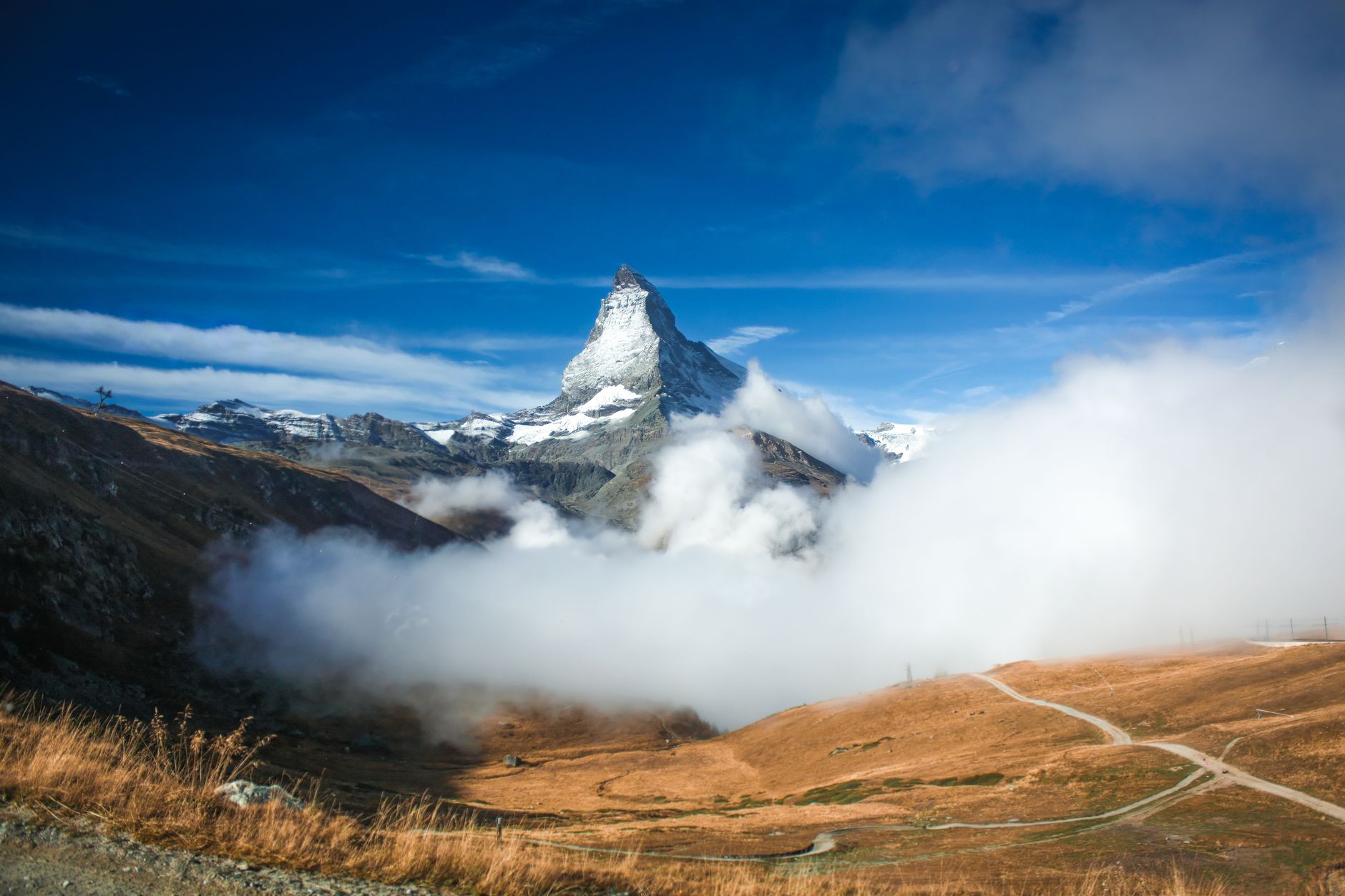
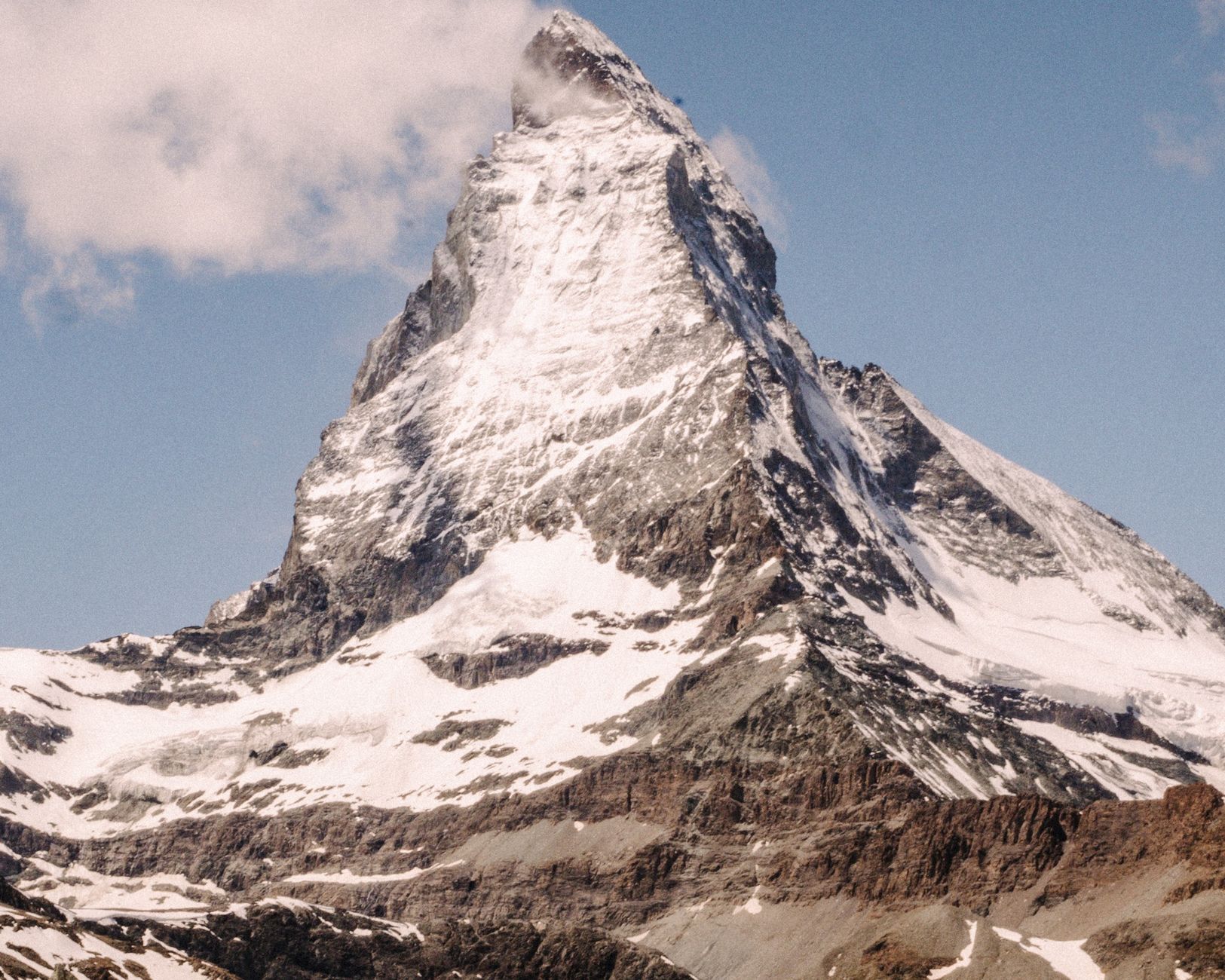
Board Europe's highest open-air cogwheel railway from the car-free village of Zermatt to the summit of the Gornergrat at 3,089 meters. The train climbs through scented pine forests and over dramatic stone bridges, culminating in an observation platform that offers a breathtaking, 360-degree panorama of 29 peaks rising above 4,000 meters. The undisputed crown jewel of this vista is the pyramid-shaped Matterhorn, standing isolated against the sky. For an insider experience, disembark one station early at Rotenboden and walk 10 minutes to the Riffelsee to capture the perfect postcard reflection of the Matterhorn in the still, alpine waters before the afternoon breeze disrupts the surface.

Culinary

Savor Authentic Alpine Cheese-Making in a High-Pasture Dairy

Journey deep into the culinary roots of the Alps by visiting a traditional, wood-fired alpine cheese dairy (Alpkäserei) in the Appenzell or Gruyère regions. During the summer months, local cheesemakers live in high-altitude huts, heating raw milk in massive copper cauldrons over open wood fires to create artisanal cheeses infused with the wild herbs and grasses of the high pastures. Visitors can watch the meticulous process of pressing, turning, and salting the wheels. The experience culminates in a rustic breakfast of fresh whey, warm Zopf bread, and aged cheeses. Arrive by 7:30 AM to witness the actual curd-cutting process, which requires immense physical strength and generational skill.

Must-See Highlights

Top Places & Things to Do in Swiss Alps

Curated attractions and cultural landmarks with local insider advice.

Lauterbrunnen Valley
nature
4.97

Lauterbrunnen Valley

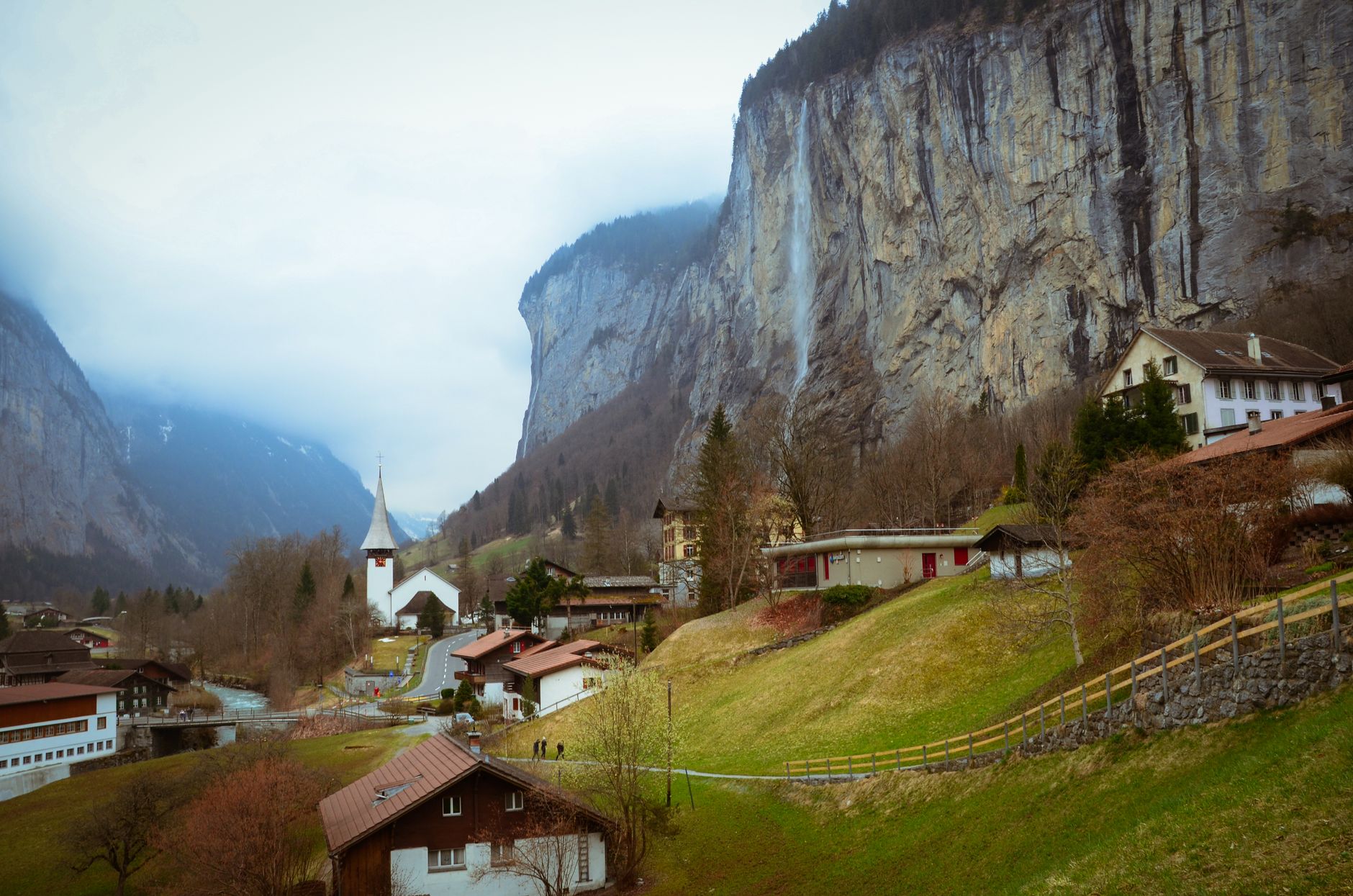
Lauterbrunnen is a spectacular, U-shaped glacial valley flanked by towering, 300-meter-high vertical limestone cliffs. Famously serving as the visual inspiration for J.R.R. Tolkien's Rivendell, the valley is home to 72 misty waterfalls, including the iconic Staubbach Falls, which plunge directly behind the village chalets. The sound of rushing water is a constant companion here, mingling with the chiming of cowbells from the high pastures. Deep within the valley lies the Trümmelbach Falls, a series of ten glacier-fed waterfalls hidden inside the mountain itself. Accessible via a subterranean funicular and illuminated walkways, these falls carry up to 20,000 liters of water per second, carving twisting corkscrews through the solid rock. The valley floor is flat and ideal for leisurely walks, while cable cars on either side lift visitors up to the car-free mountain hamlets of Mürren and Wengen.

Open 24/7
Admission: Free
Insider Tip: To avoid the heavy midday tour bus crowds, arrive before 8:30 AM. For a magical photo, walk the path behind Staubbach Falls at dusk when the cliffs are illuminated by soft floodlights.
Gornergrat Observatory
attraction
4.92

Gornergrat Observatory

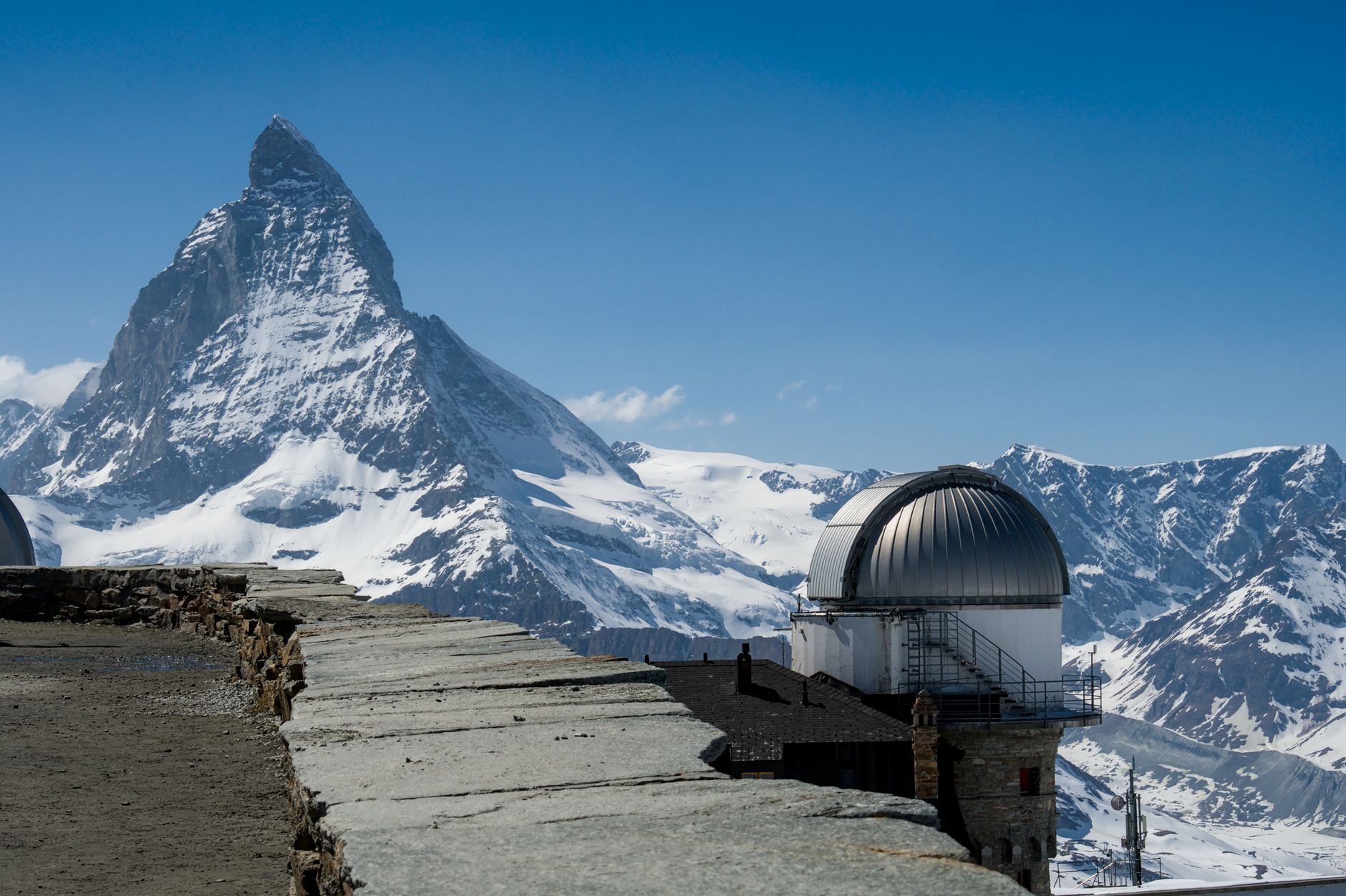
Reached via a historic, eco-friendly cogwheel railway from Zermatt, the Gornergrat is a rocky ridge situated at 3,089 meters. The observatory and hotel at its summit look out over a colossal arena of ice and stone, dominating the horizon. From here, you can gaze down upon the Gorner Glacier, the second-largest glacial system in the Alps, which snakes through the valleys like a massive, frozen highway of crevasses and moraines. The main draw, however, is the unrivaled view of the Matterhorn's symmetrical east and north faces. The summit complex houses a multimedia exhibition, 'Zooom the Matterhorn,' which allows visitors to experience virtual paragliding flights over the peak. The air is remarkably thin and clean, making it one of the premier locations in Europe for astronomical observation.

Train departs Zermatt every 24 minutes from 07:00 - 19:00
Admission: €80 - €125 (depending on season)
Insider Tip: Sit on the right-hand side of the train when departing Zermatt for the most dramatic, unobstructed views of the Matterhorn during the climb.
Great Aletsch Glacier
nature
4.96

Great Aletsch Glacier

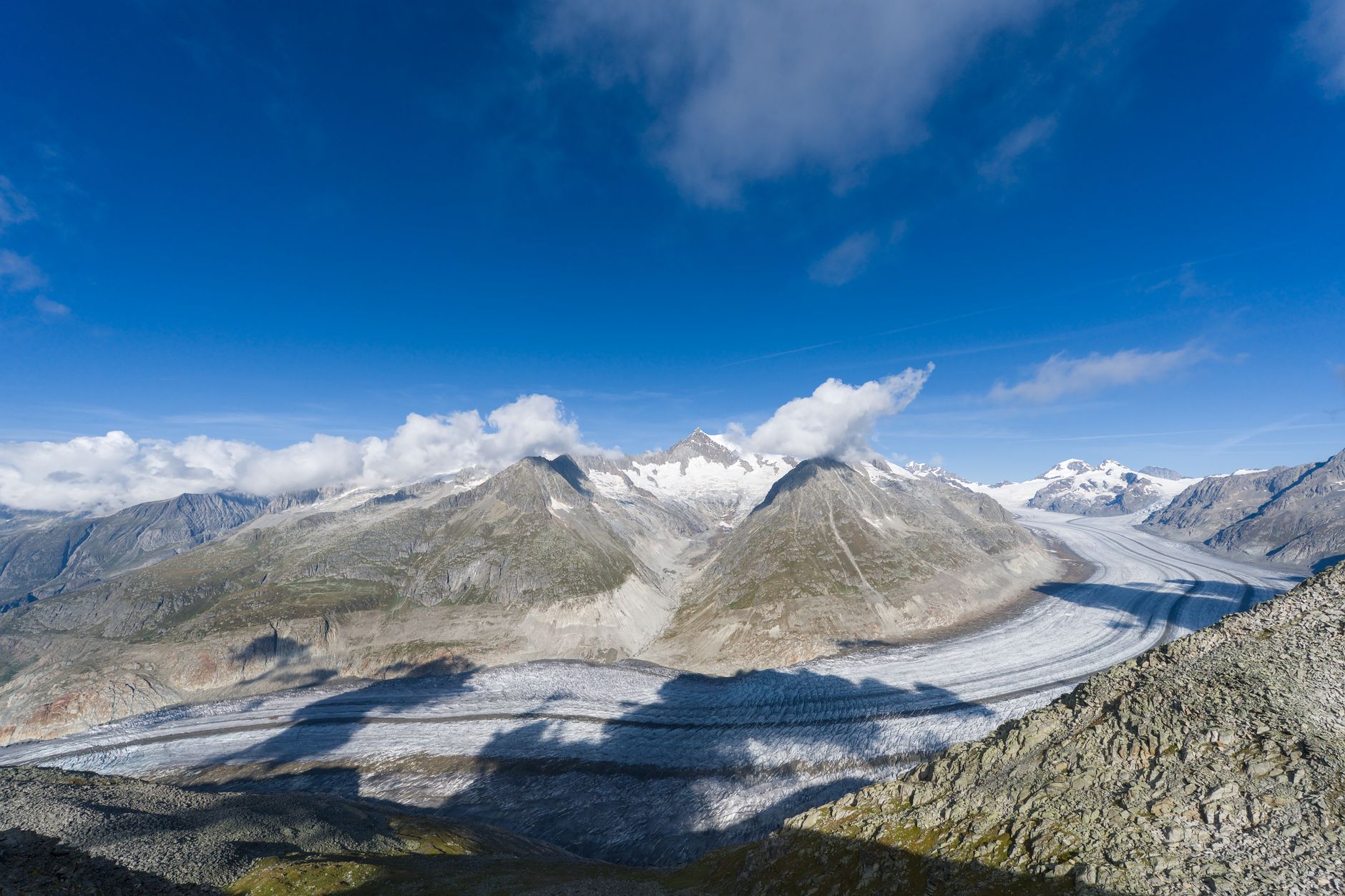
The Great Aletsch Glacier is a breathtaking UNESCO World Heritage site and the largest ice flow in the Alps. Stretching over 20 kilometers from its origins in the Jungfrau region down to the Valais valley, this colossal river of ice contains an estimated 11 billion tons of water. The sheer scale of the glacier is mesmerizing, featuring a massive central highway marked by two distinct dark lines of moraine debris stretching along its entire length. The glacier is best viewed from the car-free resort villages of Riederalp and Bettmeralp, which sit on a sunny high plateau directly above the ice. From these vantage points, visitors can hike along the glacier's edge through the ancient Aletsch Forest, home to Swiss stone pines that are over 900 years old. Guided glacier treks are available for those wishing to strap on crampons and explore the deep blue crevasses firsthand.

Open 24/7; cable cars operate 08:00 - 17:00
Admission: Free (cable cars to viewpoints cost approx. €30)
Insider Tip: Take the cable car to the Eggishorn viewpoint at 2,869 meters. It offers the absolute best vantage point to see the dramatic curve of the glacier as it sweeps down from the high peaks.
Area Guide

Where to Stay & Best Neighborhoods

The Bernese Oberland

Best for: First-time visitors, family hikers, and waterfall enthusiasts.

Vibe: Dramatic, vertical, classic Swiss postcard scenery.

The Bernese Oberland is the quintessential heart of Swiss alpine tourism. Dominated by the magnificent triumvirate of the Eiger, Mönch, and Jungfrau peaks, this region is characterized by deep, glacier-carved valleys, roaring waterfalls, and traditional dark-wood chalets. Base yourself in Lauterbrunnen to explore its 72 plunging cascades, or ascend to the car-free villages of Wengen or Mürren, perched precariously on sunny clifftops. The area is seamlessly connected by historic cogwheel trains and modern cable cars, making it incredibly easy to transition from a gentle valley stroll to a high-altitude glacial walk.

Valais & Zermatt

Best for: Serious hikers, skiers, and those seeking iconic mountain peaks.

Vibe: High-altitude, rugged, sun-drenched, and mountaineering-focused.

The Valais region occupies a vast, sun-drenched valley carved by the Rhône River, bordered by the highest and most imposing peaks in Switzerland. At its southern end lies the Mattertal, leading to the legendary, car-free village of Zermatt. Here, the atmosphere is charged with alpine history, where mountaineers gather in historic taverns before attempting the surrounding 4,000-meter giants. Valais is also a land of contrasts, featuring Europe's highest vineyards clinging to sun-baked stone terraces, ancient larch forests that turn brilliant gold in autumn, and massive glaciers like the Aletsch.

The Engadin & St. Moritz

Best for: Luxury travelers, art lovers, and cross-country skiers.

Vibe: Glitzy, culturally distinct, sun-soaked, and wide-open.

Located in the southeastern corner of Switzerland, the Engadin is a high-altitude valley famous for its unique Romansh culture, stunning light quality, and deep blue lakes. St. Moritz sits at its heart, serving as a playground for jet-setters with its luxury boutiques, five-star hotels, and frozen-lake polo matches. Beyond the glitz, however, lies a deeply traditional region. Villages like Zuoz and Guarda feature thick-walled stone houses decorated with intricate sgraffito engravings. The landscape here is wider and more open than the western Alps, offering expansive views and exceptional cross-country skiing.

Food & Drink Scene

What to Eat in Swiss Alps

Fondue Moitié-Moitié

The quintessential Swiss alpine dish, fondue is a social ritual designed to warm body and soul after a day in the cold. The classic 'Moitié-Moitié' (half-and-half) preparation combines equal parts of sharp, cave-aged Gruyère AOP and creamy Vacherin Fribourgeois AOP. The cheeses are melted in a communal ceramic pot (caquelon) rubbed with garlic, along with dry white wine, a splash of cherry brandy (Kirsch), and cornstarch to emulsify. Diners use long, two-pronged forks to swirl cubes of crusty, day-old bread through the bubbling cheese, taking care not to lose their bread in the pot—a mishap traditionally penalized by buying the next round of drinks.

🍴 Top spot: Restaurant Laterne in Zermatt

Berner Rösti

Originally a hearty breakfast eaten by Bernese farmers, Rösti has evolved into Switzerland's national dish. It consists of coarsely grated potatoes, pan-fried in generous amounts of butter until they form a flat, compact cake that is golden-brown and crispy on the outside, yet tender and moist within. The alpine version, Berner Rösti, is elevated with the addition of smoked bacon lardons, melted Emmental cheese, and a perfectly fried egg resting on top. It is the ultimate comfort food, providing the rich carbohydrates and fats needed to fuel long mountain hikes or intensive ski days.

🍴 Top spot: Restaurant Brandegg near Grindelwald

Älplermagronen (Alpine Macaroni)

Born out of necessity in the high mountain pastures, Älplermagronen is a rustic gratin that combines ingredients that alpine herders could easily store and carry. It features elbow macaroni and diced potatoes baked in a rich, creamy sauce of melted mountain cheese and heavy cream, topped with caramelized onions and crispy fried shallots. What makes this dish truly unique is its traditional accompaniment: a side of sweet, spiced apple compote. The sweet-and-savory contrast is remarkably satisfying and represents the true, unpretentious soul of Swiss mountain cooking.

🍴 Top spot: Alpnhütte Bergrestaurant d'Alpage in the Valais hills
Excursions

Best Day Trips from Swiss Alps

Historic Lucerne & Mount Pilatus

1 hour 15 mins from Interlaken by train

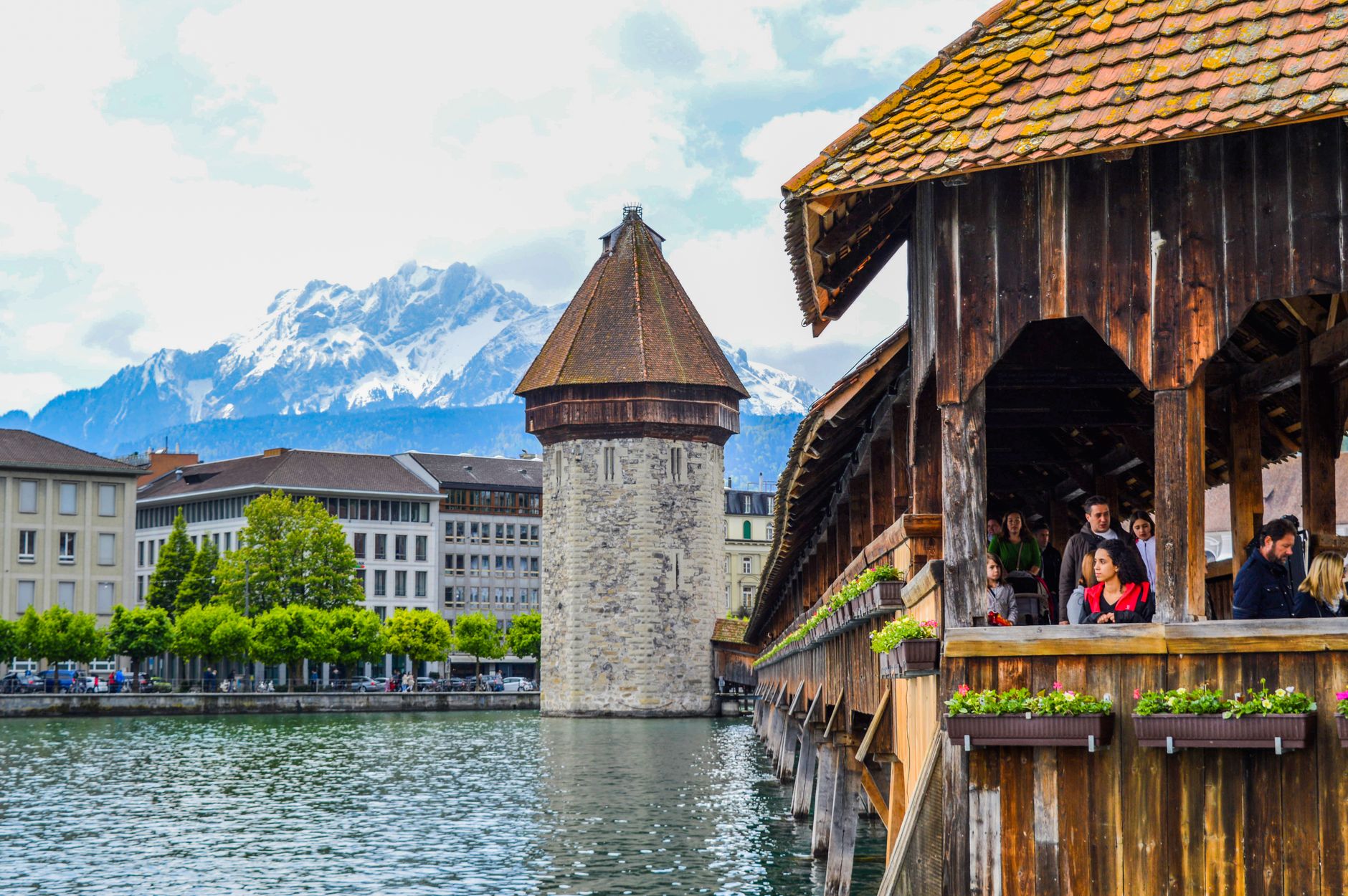
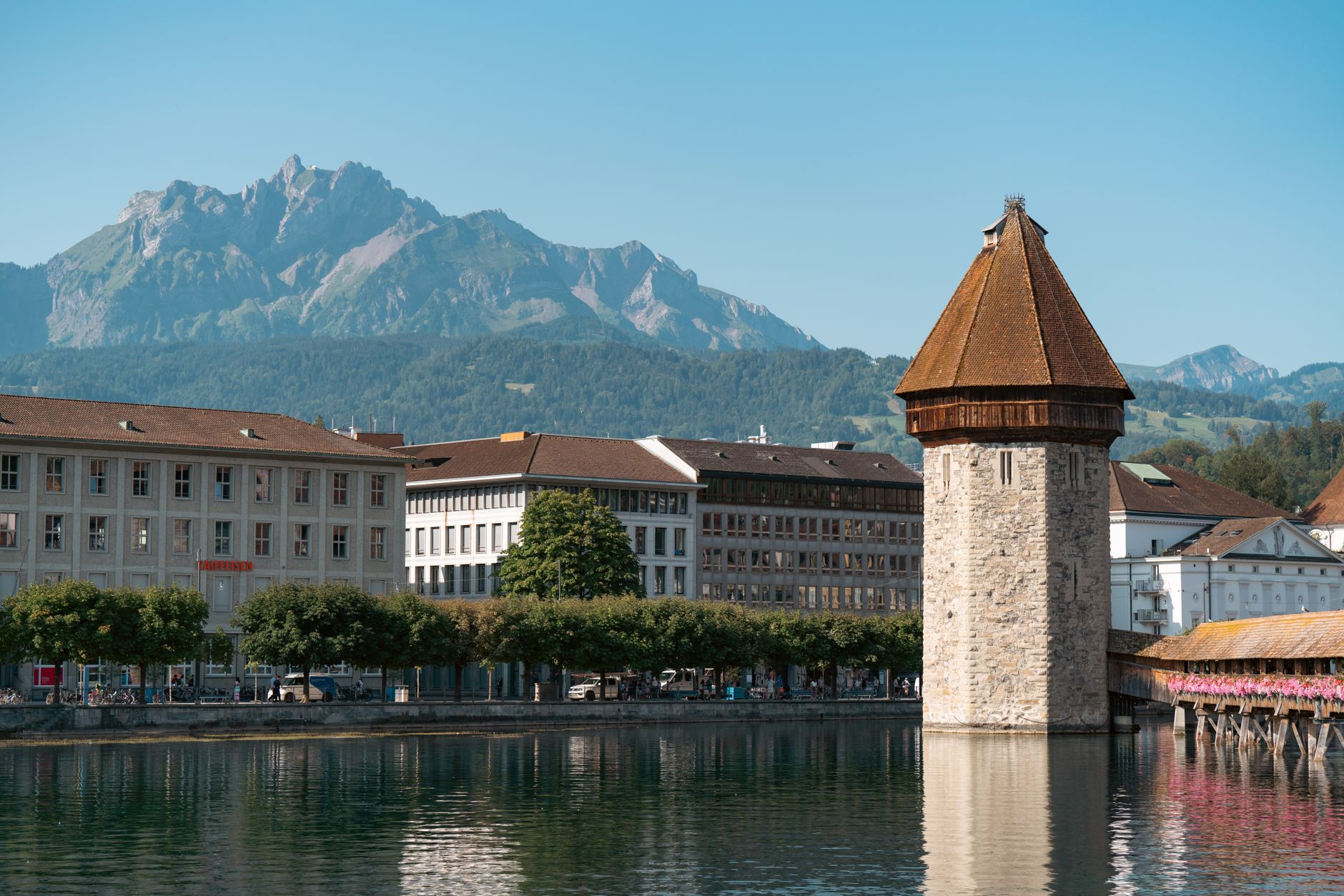
Depart the high Alps for a day to explore the lakeside medieval city of Lucerne. Stroll across the iconic Chapel Bridge (Kapellbrücke), a 14th-century covered wooden bridge adorned with historical paintings, before boarding a vintage paddle steamer across Lake Lucerne to Alpnachstad. From there, ascend Mount Pilatus via the world's steepest cogwheel railway, climbing at an astonishing 48% gradient. At the summit, enjoy panoramic views of the Swiss plateau before descending via aerial cableway.

Montreux Riviera & Château de Chillon

1 hour 40 mins from Visp by train

Experience the dramatic shift from alpine snow to palm trees along the shores of Lake Geneva. Visit the sun-drenched town of Montreux, famous for its mild microclimate and lakeside flower promenade. A short walk along the water brings you to Château de Chillon, an exceptionally preserved 11th-century island fortress that inspired Lord Byron. Explore its vaulted gothic dungeons, grand reception halls, and wooden ramparts overlooking the deep blue waters of the lake.

When to Go

Best Time to Visit & Seasonality

Editor’s Pick: The best time to visit the Swiss Alps depends entirely on your desired activities. For hiking, alpine flower blooms, and clear mountain passes, the prime window is from late June to mid-September, when trails are free of snow and cable cars run at full capacity. For winter sports, skiing, and cozy chalet culture, the optimal period is from mid-December to March, when heavy snowfall transforms the region into a winter wonderland.

Spring Overview

(April - May)
Quiet / Low Season
Average Temperature & Climate5°C to 15°C (41°F to 59°F) in valleys

Unpredictable transition period; melting snow in valleys with lingering winter conditions at high altitudes.

Crowd & Travel ConditionsLow Tourist Traffic

Fewer lines and better deals.

✨ Seasonal Highlights:Thundering waterfalls fueled by melting snow, blooming wildflowers in lower valleys, and uncrowded mountain towns.
Travel Smarter

Practical Travel Essentials

CurrencyCHF (Swiss Franc)
LanguageGerman, French, Italian, Romansh
Time ZoneCET (UTC+1) / CEST (UTC+2)

Visa & Entry

Switzerland is not a member of the EU but is part of the Schengen Area. Citizens of the US, Canada, Australia, New Zealand, and the UK can enter visa-free for up to 90 days for tourism.

Getting Around & Transit

The Swiss Travel Pass is highly recommended. It offers unlimited travel on the entire Swiss Travel System network, including trains, buses, boats, and free entry to over 500 museums, plus up to 50% discount on mountain cable cars.

Daily Budget Expectation

€250 - €450 per day (highly dependent on dining choices, mountain railway excursions, and accommodation standards).

Safety & Health

Extremely high. Switzerland is consistently ranked as one of the safest countries in the world. However, mountain environments carry inherent risks; always respect trail closures, check avalanche reports in winter, and carry proper gear.

Local Etiquette & Customs

Swiss culture highly values punctuality, quietness, and environmental respect. Keep noise levels low on public transport, recycle diligently using the color-coded bins, and always greet hikers you pass on trails with a friendly 'Grüezi' (Swiss-German) or 'Bonjour' (French).

Questions & Answers

Frequently Asked Questions about Swiss Alps

Yes, in almost all cases. While the upfront price is high, individual point-to-point train tickets and mountain cable cars are incredibly expensive in Switzerland. The pass pays for itself quickly if you plan to travel between regions, ride scenic trains, or use multiple cable cars daily.