🌟 Best in Travel 2026 is here!
Tarragona
cityEurope
4.85 / 5.0

Tarragona

Where Roman grandeur meets the golden shores of the Mediterranean

Advertisement
Editorial Guide

About Tarragona

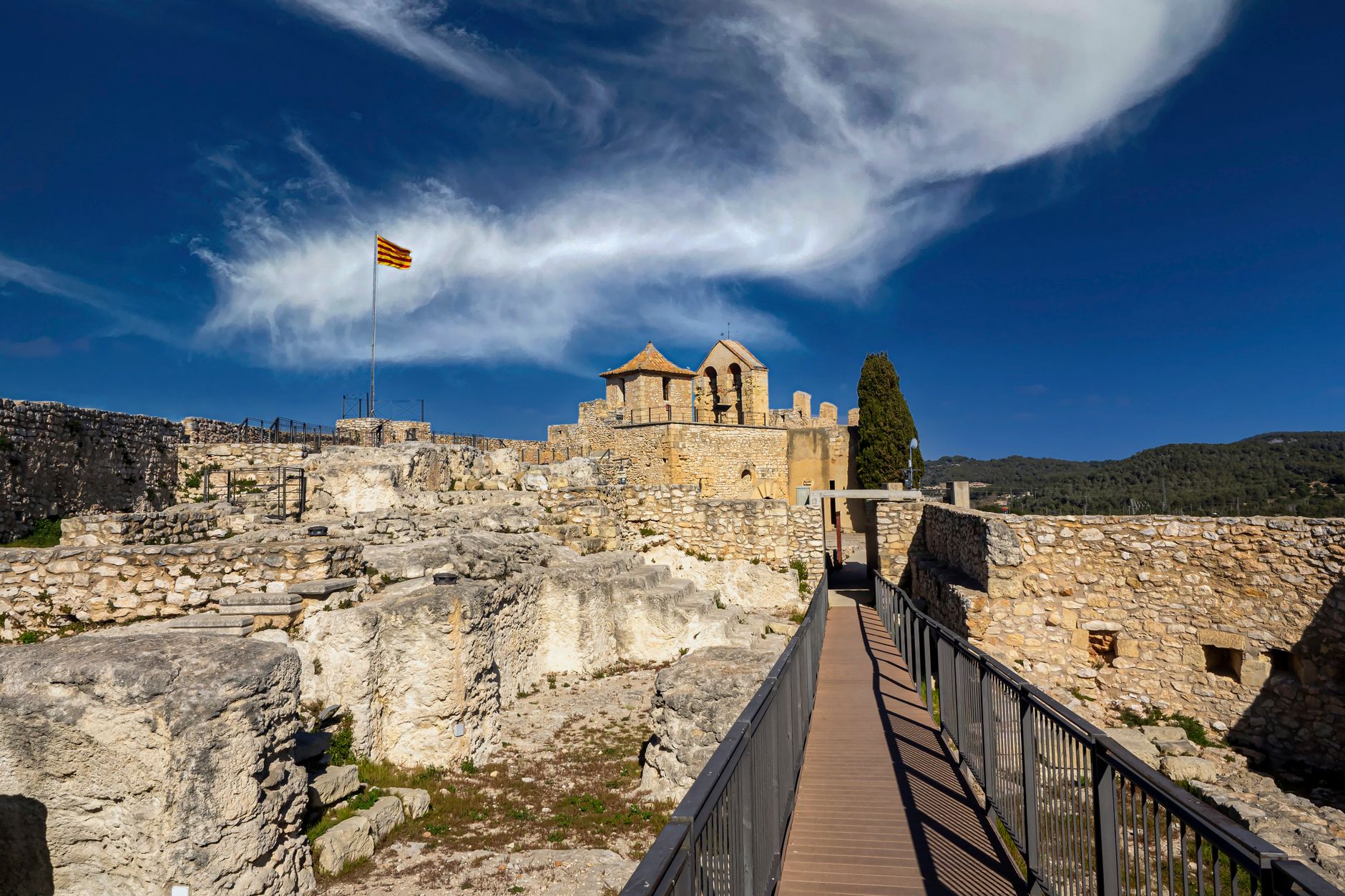
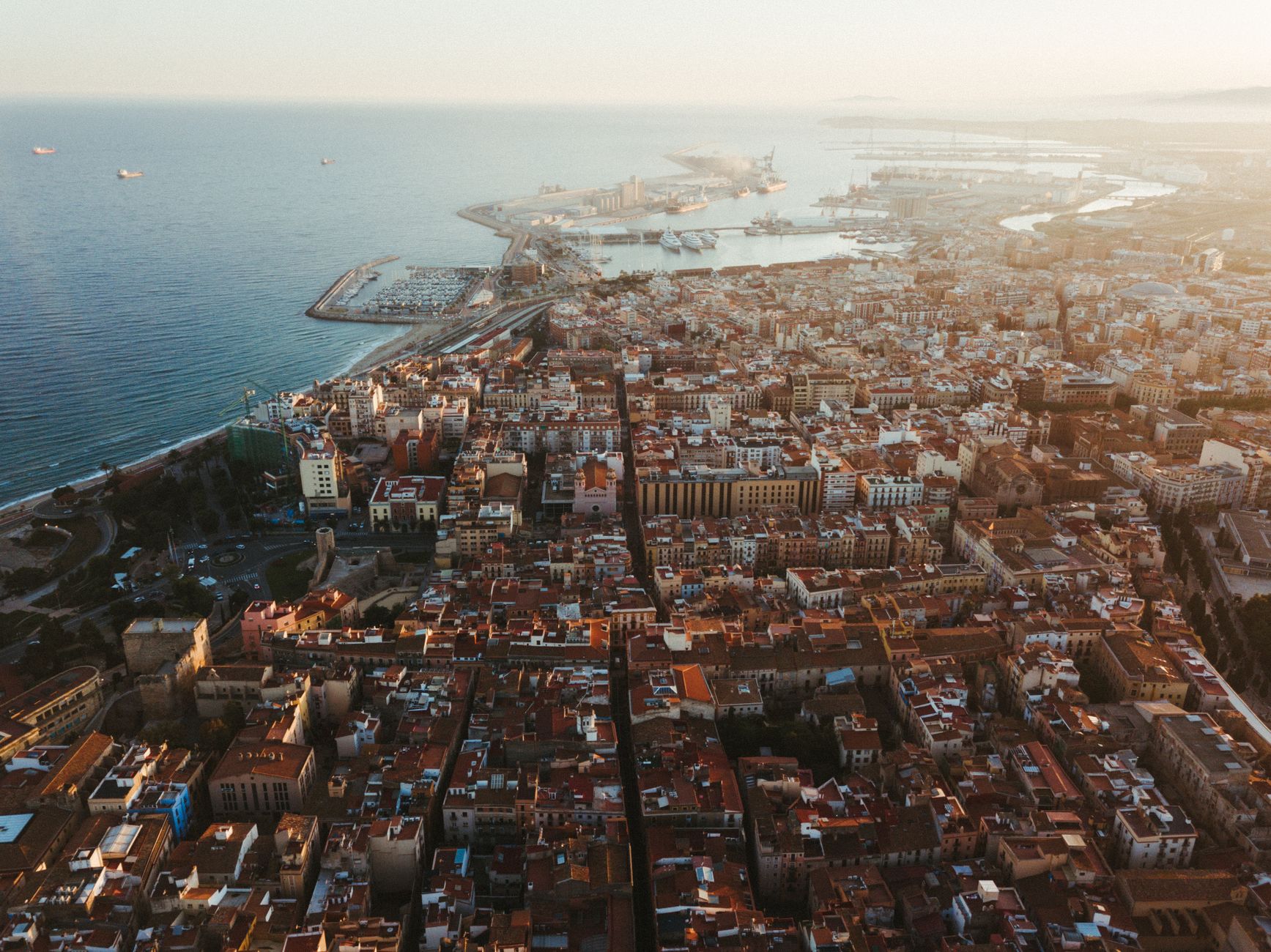
Tarragona, the ancient Roman metropolis of Tarraco, is a captivating coastal city where antiquity and modern Catalan life seamlessly intertwine. Serving as the capital of the Roman province of Hispania Citerior over two millennia ago, the city today is a living museum, designated as a UNESCO World Heritage site. Golden-hued Roman ruins crop up unexpectedly between medieval stone walls, residential apartments, and sun-drenched plazas, offering a dramatic visual journey through time that rivals any historic destination in Europe.

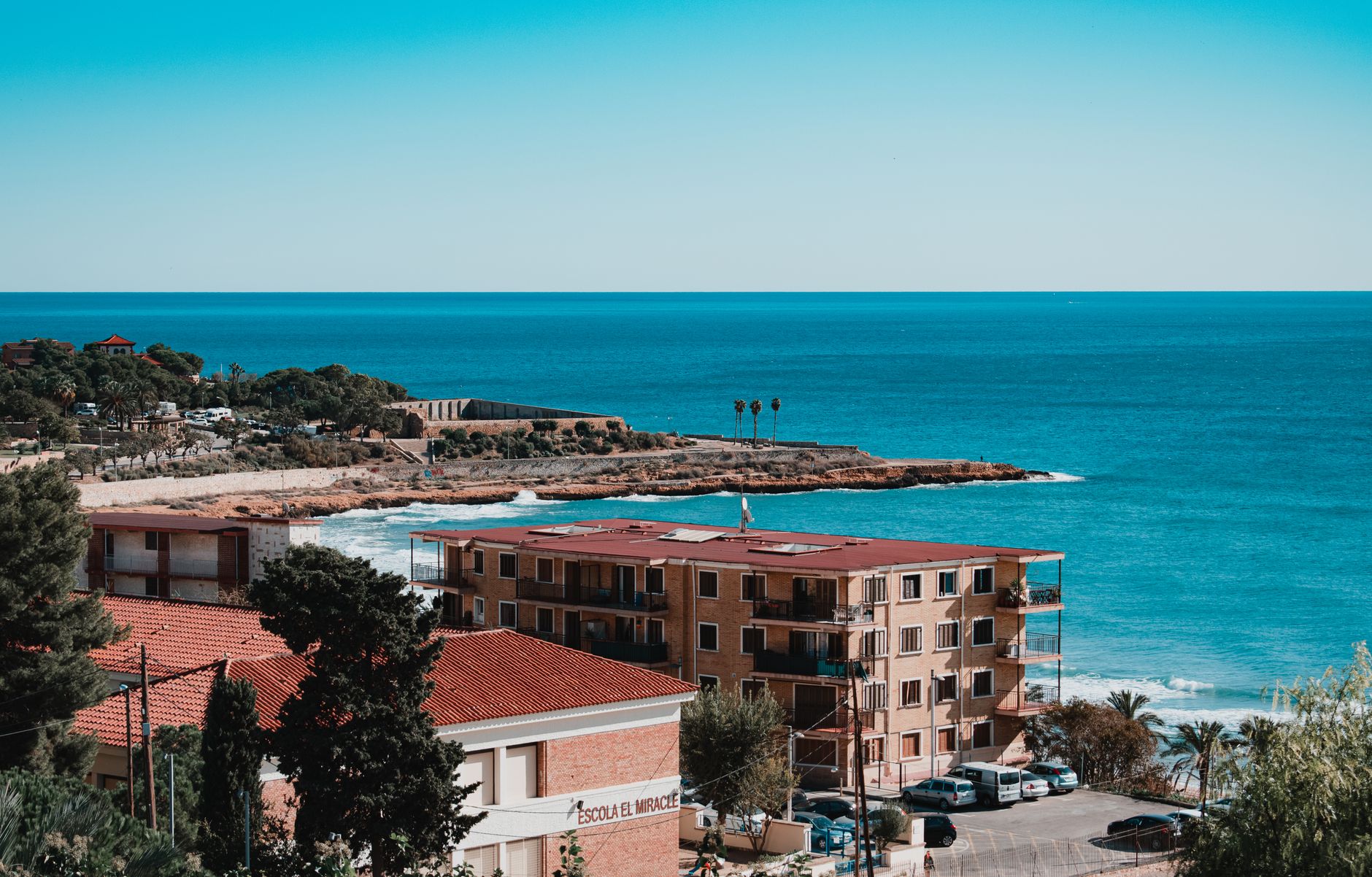
Perched on a rocky bluff overlooking the deep blue waters of the Costa Daurada, Tarragona enjoys a striking geographical setting. The Mediterranean Sea is a constant companion here, its cool breezes sweeping through the narrow lanes of the Part Alta (the Old Town) and along the elegant, tree-lined Rambla Nova. This coastal proximity infuses the city with a laid-back, maritime charm, distinguishing it from inland historic centers and offering visitors the rare luxury of exploring ancient monuments in the morning and relaxing on sandy beaches by the afternoon.

Catalan culture thrives here in its most authentic and passionate forms. Tarragona is world-famous for its 'castells' (human towers), a gravity-defying tradition that represents the pinnacle of community strength and solidarity. The local calendar is punctuated by lively festivals, theatrical historical reenactments, and neighborhood gatherings where the air is filled with the scent of grilled seafood and the clinking of vermouth glasses. Unlike its bustling neighbor Barcelona, Tarragona preserves a relaxed, unhurried pace of life where locals still take time for their daily 'passeig' (stroll).

Beyond the historic core lies a modern, forward-looking city with a prestigious university and a thriving creative class. The maritime quarter of El Serrallo bustles with fishing boats landing their daily catch, while trendy boutiques, contemporary art spaces, and innovative culinary establishments breathe new life into centuries-old structures. Tarragona is a destination that does not merely preserve its heritage; it lives alongside it, offering travelers an immersive, sensory-rich experience of Catalan history, gastronomy, and coastal living.

Visual Impressions & Moments
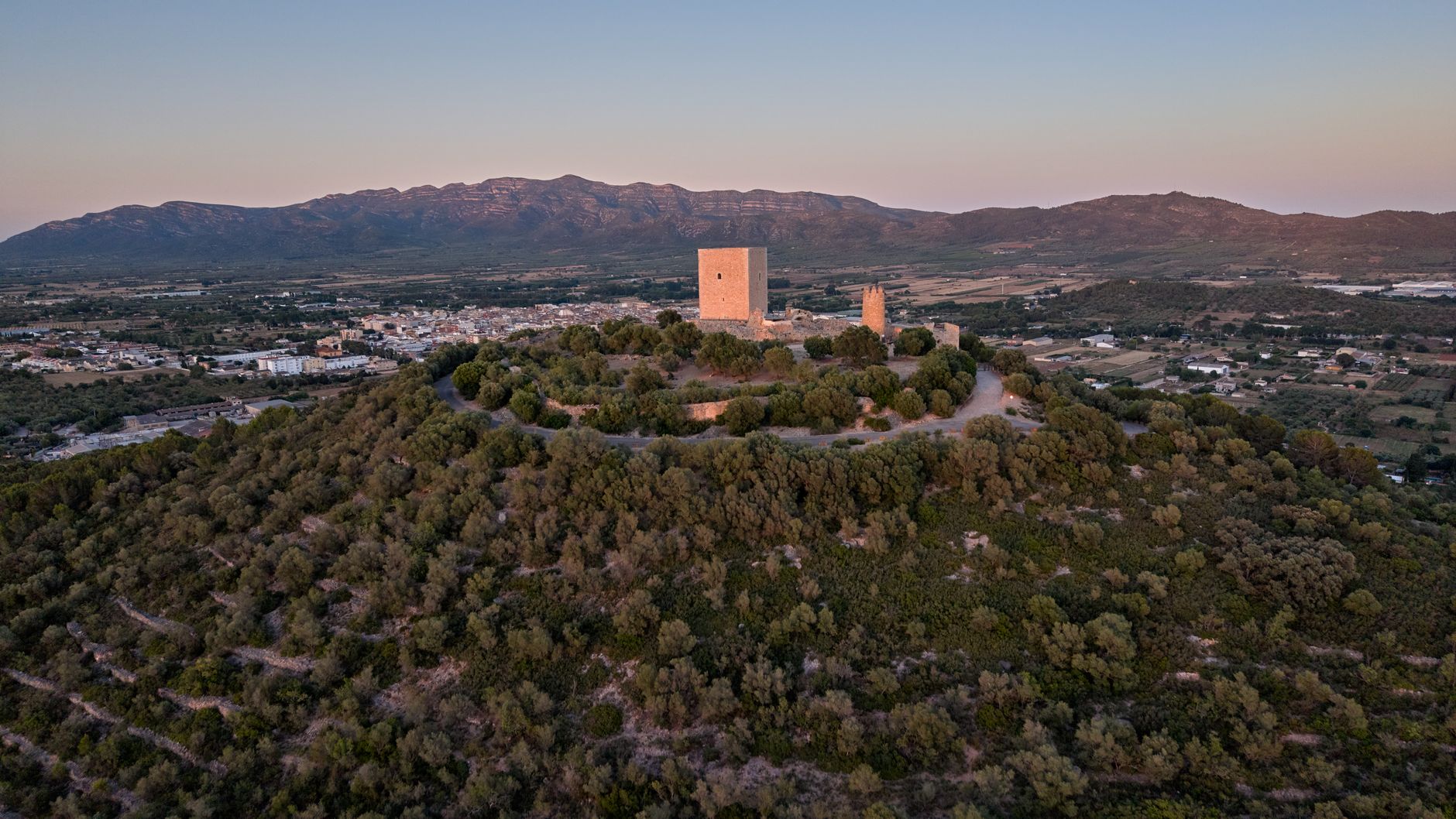
Tarragona photo 1
Tarragona photo 2
Tarragona photo 3
Tarragona photo 4
Tarragona photo 5
Tarragona photo 6
Unmissable Moments

Top Things to Do in Tarragona

Must-Do

Stand in the Roman Amphitheatre at Golden Hour

Perched dramatically on the edge of the Mediterranean Sea, Tarragona's 2nd-century Roman Amphitheatre is one of the world's most scenic archaeological ruins. Walk down into the arena where gladiators once fought, looking out over the same deep blue sea that Roman spectators gazed upon. Visit in the late afternoon as the setting sun bathes the ancient stone steps in a warm, golden glow, and the sea breeze picks up. Insider tip: Walk up to the BalcĂł del Mediterrani viewpoint afterward to watch the twilight settle over the coastline.

Culture

Witness the Gravity-Defying Castells (Human Towers)

Tarragona is the spiritual heartland of the 'castells', the breathtaking Catalan tradition of building human towers up to ten levels high. Watching these towers being built, accompanied by the traditional, tense melodies of the 'gralla' flute, is an emotionally charged experience. If you visit between June and October, you can watch local groups ('colles') practice in their training halls, or catch a public exhibition in the main plazas during festivals. The sheer trust, coordination, and bravery of the participants—especially the young children who climb to the very top—is unforgettable.

Culinary

Sip Local Vermut in the Historic Plaça del Fòrum

In Tarragona, 'fer el vermut' (having a vermouth) is not just a drink; it is a sacred weekend ritual. Head to the vibrant Plaça del Fòrum, a lively square built right on the ruins of the ancient Roman Provincial Forum. Grab an outdoor table at a local tavern, order a glass of locally produced red vermouth served over ice with an orange slice and an olive, and pair it with local canned delicacies like pickled mussels, stuffed olives, and potato chips. It is the ultimate way to slow down, people-watch, and soak in the authentic neighborhood atmosphere.

Adventure

Hike the Scenic CamĂ­ de Ronda Coastal Path

Escape the city streets and hike along the rugged, pine-fringed coastline of the Costa Daurada. The CamĂ­ de Ronda is an ancient coastal trail once used by smugglers and coastguards. Starting from Tarragona's Miracle Beach, the path winds its way past hidden sandy coves, limestone cliffs, and historic watchtowers like the Torre de la MĂłra. It offers spectacular, uninterrupted views of the turquoise sea and leads to secluded beaches like Cala Fonda (also known as Waikiki Beach), where you can swim in pristine, isolated waters.

Must-See Highlights

Top Places & Things to Do in Tarragona

Curated attractions and cultural landmarks with local insider advice.

Amfiteatre de Tarragona (Roman Amphitheatre)
attraction
4.8

Amfiteatre de Tarragona (Roman Amphitheatre)

The Roman Amphitheatre is Tarragona's most iconic landmark, dating back to the late 2nd century AD. Carved directly into the rocky hillside sloping down to the Mediterranean, this dramatic structure once held up to 15,000 spectators who gathered to watch wild beast hunts, gladiator combats, and public executions. Its unique seaside location was practical as well as aesthetic, allowing exotic animals and gladiators to be unloaded directly from ships in the harbor below. In the center of the arena, visitors can clearly see the ruins of a 6th-century Visigothic basilica and a subsequent 12th-century Romanesque-Gothic church, built to commemorate Christian martyrs who died here. Walking through the vaulted tunnels and standing on the grassy arena floor offers a profound, tangible connection to ancient history, made even more memorable by the sound of crashing waves just yards away.

Tuesday to Saturday 09:00 - 19:00, Sunday 09:00 - 15:00 (shorter hours in winter)
Admission: €5 (or included in the combined ticket)
Insider Tip: Buy the combined ticket at the entrance, which grants access to multiple Roman sites across the city at a highly discounted rate. Wear comfortable shoes as the steps and paths are steep and uneven.
Catedral de Tarragona
culture
4.7

Catedral de Tarragona

Dominating the highest point of the Part Alta, the Cathedral of Tarragona is a monumental temple built on the site of a Roman temple dedicated to Augustus, a Visigothic cathedral, and a Moorish mosque. Construction began in the 12th century in the Romanesque style and concluded in the 14th century with Gothic elements, resulting in a fascinating architectural transition. The main facade features a stunning, massive rose window and a deeply carved Gothic portal adorned with statues of apostles and prophets. Inside, the cathedral is vast and awe-inspiring, housing a magnificent high altar carved from white marble and a rich treasury of sacred art. The true jewel of the cathedral, however, is its serene 13th-century cloister. This peaceful courtyard is filled with lush orange trees, trickling fountains, and exquisite Romanesque capitals carved with whimsical, detailed scenes—including the famous 'Procession of the Rats' carving.

Monday to Saturday 10:00 - 20:00 (summer), 10:00 - 17:00 (winter); Closed Sundays for tourist visits
Admission: €6 (includes audio guide)
Insider Tip: Don't skip the Diocesan Museum inside, which houses an exceptional collection of medieval tapestries. The cloister offers some of the best, most peaceful photo opportunities in the city.
Pont del Diable (Les Ferreres Aqueduct)
nature
4.9

Pont del Diable (Les Ferreres Aqueduct)

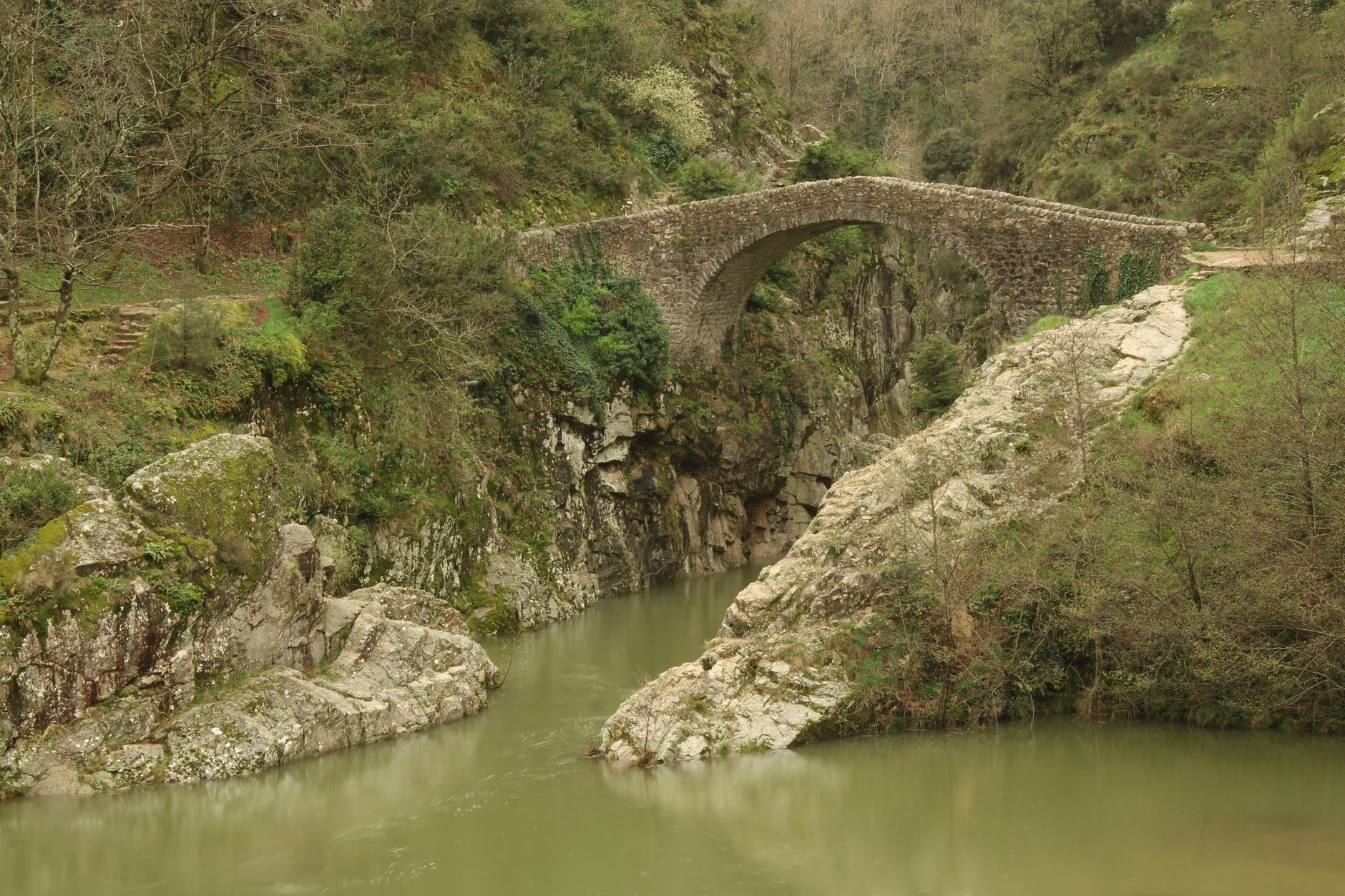
Located just four kilometers north of the city center, the Pont del Diable (Devil's Bridge) is a spectacular monument of Roman engineering. This monumental aqueduct was built during the reign of Emperor Augustus to supply water from the FrancolĂ­ River to the ancient city of Tarraco. Spanning a green valley, the surviving structure is 217 meters long and towers 27 meters high, consisting of two tiers of majestic, dry-stone arches built without mortar. According to local legend, the bridge was built by the Devil himself in exchange for the soul of the first person to drink the water that crossed it. Today, the aqueduct sits within a beautiful, pine-scented ecological park. Visitors can hike through the surrounding trails and, remarkably, walk directly across the top of the aqueduct along the narrow stone channel where water once flowed, offering thrilling views of the forest canopy below.

Open 24/7 (Access to the park and bridge)
Admission: Free
Insider Tip: Take city bus Route 5 or 85 from the center, which drops you right at the entrance of the park. It is a fantastic spot for a morning hike and a picnic under the pine trees. Hold on tight if you have vertigo!
El Serrallo Fish Market & Port
food
4.6

El Serrallo Fish Market & Port

El Serrallo is the vibrant, beating heart of Tarragona's maritime soul. Historically a humble fishing village outside the city walls, it is today a bustling, colorful neighborhood centered around the active fishing harbor. In the late afternoon, you can watch the local trawlers return to port, escorted by clouds of seagulls, to unload crates of glistening sardines, prawns, and octopus at the private fish auction house. The waterfront promenade is a sensory delight, filled with the aroma of grilled fish, the chatter of families, and children playing near the fountains. The neighborhood is home to exceptional seafood taverns that have been family-run for generations. Dining here is an authentic, unpretentious experience where you can enjoy the ultimate 'km 0' seafood, sourced directly from the waters you look out upon.

Best visited in the late afternoon (17:00 - 20:00) when the boats return and restaurants open
Admission: Free to explore (Dining prices vary)
Insider Tip: Visit on a weekday afternoon around 16:30 to watch the fishing fleet sail into the harbor. For dinner, look for restaurants offering the daily 'MenĂş del Dia de Peix' for incredible value.
Area Guide

Where to Stay & Best Neighborhoods

Part Alta (Old Town)

Best for: History enthusiasts, boutique hotel stays, romantic evening walks, and traditional dining.

Vibe: Medieval, historic, bohemian, and intensely atmospheric.

The Part Alta is Tarragona's historic heart, built directly on top of the ancient Roman Provincial Forum. Enclosed by towering Roman walls, this labyrinth of narrow, winding cobblestone streets is lined with colorful apartments, Gothic mansions, and hidden plazas. By day, it is a treasure trove of archaeological wonders, artisanal craft shops, and quiet cafes. By night, it transforms into a lively social hub where locals gather in cozy wine bars and traditional taverns to share tapas beneath the shadow of the imposing medieval cathedral.

El Serrallo

Best for: The freshest seafood in the region, harbor views, and experiencing local maritime culture.

Vibe: Authentic, maritime, bustling, and family-oriented.

El Serrallo is Tarragona's traditional fishing quarter, located right next to the working harbor. This neighborhood possesses a distinct identity, characterized by its low-rise, brightly painted houses and the constant, salty tang of the sea air. The main waterfront promenade is lined with some of the city's finest seafood restaurants, where the daily catch is delivered straight from the nearby fish auction (La Llotja). It is a fantastic place for an evening stroll, watching the fishing boats return as locals gather in the squares to chat.

Eixample & Rambla Nova

Best for: Shopping, modernist architecture, cafĂŠ culture, and convenient transport links.

Vibe: Spacious, elegant, modern, and commercial.

Laid out in the 19th century, the Eixample is the modern expansion of Tarragona, centered around the grand Rambla Nova. This wide, pedestrianized boulevard stretches for over a kilometer, lined with beautiful Modernist and Noucentista buildings, high-end shops, and bustling outdoor cafĂŠs. The avenue culminates at the dramatic 'BalcĂł del Mediterrani', a cliffside viewpoint offering panoramic vistas of the sea. It is a vibrant, energetic district where the daily commerce of modern Tarragona takes place.

Food & Drink Scene

What to Eat in Tarragona

Romesco de Peix (Seafood Romesco Stew)

Tarragona is the birthplace of Romesco, a rich, savory sauce made from roasted tomatoes, garlic, dried nyora peppers, toasted almonds, hazelnuts, olive oil, and vinegar. In this classic local dish, the sauce is used as the base for a hearty, aromatic stew featuring fresh fish (such as monkfish or cod), potatoes, and shellfish. The result is a deeply comforting, nutty, and slightly sweet seafood masterpiece that encapsulates the flavors of the Catalan coast.

🍴 Top spot: El Llagut (located in the Part Alta, famed for its slow-food approach to traditional seafood dishes)

Arròs Negre (Black Rice with Cuttlefish)

A coastal classic, this striking dish features short-grain rice simmered in a rich, savory broth made from fish stock and natural cuttlefish ink, which gives the rice its signature dramatic black color. The dish is packed with tender pieces of cuttlefish and squid, and is traditionally served with a side of freshly made 'alloli' (garlic mayonnaise) that cuts through the rich, briny flavors of the rice.

🍴 Top spot: Restaurant Balandra (situated in the heart of the maritime El Serrallo neighborhood)

Calçots with Romesco (Seasonal Winter Feast)

If you visit between January and April, participating in a 'Calçotada' is an absolute must. Calçots are a type of sweet, thick green onion. They are charred over open wood fires until the outer layers are completely blackened, then wrapped in newspaper to steam. To eat them, you peel off the charred outer skin with your bare hands, dip the tender, sweet white inner stalk generously into a bowl of nutty Romesco sauce, tilt your head back, and lower it into your mouth.

🍴 Top spot: Mas Mallola (a rustic, country-style farmhouse restaurant located just on the outskirts of the city)
Excursions

Best Day Trips from Tarragona

Royal Abbey of Santa Maria de Poblet

45 minutes by car or direct regional bus

Explore one of the largest and most spectacular Cistercian monasteries in the world. This UNESCO World Heritage site, founded in 1151, is a masterpiece of austere Gothic architecture and serves as the pantheon for the medieval Kings of Aragon. Walk through the peaceful cloisters, the monumental scriptorium, and the majestic church, all set against the beautiful, forested backdrop of the Prades Mountains.

The Priorat Wine Region & Siurana

55 minutes by car

Journey into the rugged, dramatic hills of the Priorat, a world-renowned wine region famous for its steep, terraced vineyards of black slate ('llicorella') soil. Visit historic cellars to taste bold, complex red wines. Afterward, wind your way up to Siurana, a breathtaking medieval village perched precariously on a sheer cliff face, offering dizzying views over a turquoise reservoir and the surrounding valleys.

When to Go

Best Time to Visit & Seasonality

Editor’s Pick: The absolute best times to visit Tarragona are during the shoulder seasons of May to June and September to October. During these months, the Mediterranean weather is exceptionally pleasant, with warm, sunny days and comfortable evenings perfect for outdoor dining and walking tours. Visiting in late May allows you to experience the 'Tarraco Viva' festival, which brings the Roman ruins to life with incredibly detailed historical reenactments. September is equally magical, hosting the spectacular Santa Tecla Festival, where you can witness the legendary human towers ('castells') and fire runs ('correfocs') up close without the overwhelming heat of mid-summer.

Spring Overview

(March - May)
Moderate
Average Temperature & Climate12°C - 21°C (54°F - 70°F)

Mild, sunny days with occasional crisp, refreshing sea breezes and minimal rainfall.

Crowd & Travel ConditionsModerate Tourist Traffic

Fewer lines and better deals.

✨ Seasonal Highlights:Witnessing the incredible Tarraco Viva Roman festival in May, wildflowers blooming along the coastal paths, and comfortable sightseeing without the summer crowds.
Travel Smarter

Practical Travel Essentials

CurrencyEUR (€)
LanguageCatalan, Spanish
Time ZoneEurope/Madrid

Visa & Entry

Spain is a member of the Schengen Area. Citizens of the US, Canada, Australia, and the UK do not need a visa for tourist stays of up to 90 days within a 180-day period.

Getting Around & Transit

Tarragona is highly walkable, especially the historic Part Alta, which is largely pedestrianized. For longer distances, such as reaching the Pont del Diable or El Serrallo, the efficient local EMT bus network is cheap and easy to use. High-speed trains (AVE) arrive at the Camp de Tarragona station (located 10 minutes outside the city via shuttle bus), while regional trains arrive directly at the city center station near the beach.

Daily Budget Expectation

€70 - €130. This covers a stay in a charming mid-range boutique hotel, a traditional lunch menu of the day, a few drinks with tapas, and admission tickets to the main archaeological sites.

Safety & Health

Tarragona is a very safe city, with a much lower crime rate than nearby Barcelona. However, standard precautions against pickpocketing should be taken in crowded tourist areas, particularly around the Roman Amphitheatre and during crowded summer festivals.

Local Etiquette & Customs

Locals are immensely proud of Catalan culture and language. While everyone speaks Spanish, starting a conversation with a simple 'Bon dia' (Good morning) or 'GrĂ cies' (Thank you) in Catalan is highly appreciated. Lunch is typically eaten between 14:00 and 16:00, and dinner rarely starts before 21:00.

Questions & Answers

Frequently Asked Questions about Tarragona

Yes, Tarragona is an exceptional day trip from Barcelona, located just over an hour away by regional train. However, because of its rich wealth of Roman ruins, beautiful beaches, and excellent dining scene, spending at least one or two nights is highly recommended to fully appreciate its relaxed, evening atmosphere.