🌟 Best in Travel 2026 is here!
Thailand
countryAsia
4.92 / 5.0

Thailand

Golden temples, emerald waters, and the warm embrace of the Land of Smiles.

Advertisement
Editorial Guide

About Thailand

Thailand is a sensory masterpiece where ancient traditions seamlessly intertwine with rapid modernity. In the hyper-kinetic capital of Bangkok, futuristic skyscrapers and neon-lit mega-malls stand shoulder-to-shoulder with centuries-old Buddhist temples and wooden canal-side shacks. The air here is a heady mix of burning incense, exhaust fumes, and the irresistible aroma of sizzling street food, creating an intoxicating urban energy that serves as the gateway to the kingdom.

Venturing north reveals a vastly different landscape of mist-shrouded peaks, terraced rice paddies, and deep teak forests. This is the heart of the ancient Lanna Kingdom, centered around Chiang Mai. Here, the pace of life slows, and the culture is defined by artistic craftsmanship, sacred elephant sanctuaries, and a deeply rooted spiritual devotion. The northern highlands offer a sanctuary for hikers, cultural explorers, and those seeking to connect with Thailand’s indigenous hill tribes and historic temple complexes.

To the south, Thailand dissolves into a dreamscape of tropical islands and dramatic coastlines. The Andaman Sea to the west and the Gulf of Thailand to the east boast some of the world's most spectacular beaches. Towering limestone karsts rise like ancient monoliths from turquoise waters, concealing hidden lagoons, vibrant coral reefs, and pristine white-sand shores. Whether it is the high-octane luxury of Phuket, the backpacker lore of Koh Tao, or the untouched wilderness of Tarutao, the southern provinces represent the ultimate coastal paradise.

At the core of the Thai experience is the philosophy of 'Sanuk' (the pursuit of pleasure) and 'Mai Pen Rai' (never mind, or don't worry). This easygoing, joyful approach to life is reflected in the famous hospitality of the Thai people. Buddhism shapes daily life, from the early morning alms-giving to the saffron-robed monks walking silently through the streets. Thailand is not just a destination to be seen, but an emotional landscape to be felt, tasted, and remembered long after the journey ends.

Visual Impressions & Moments

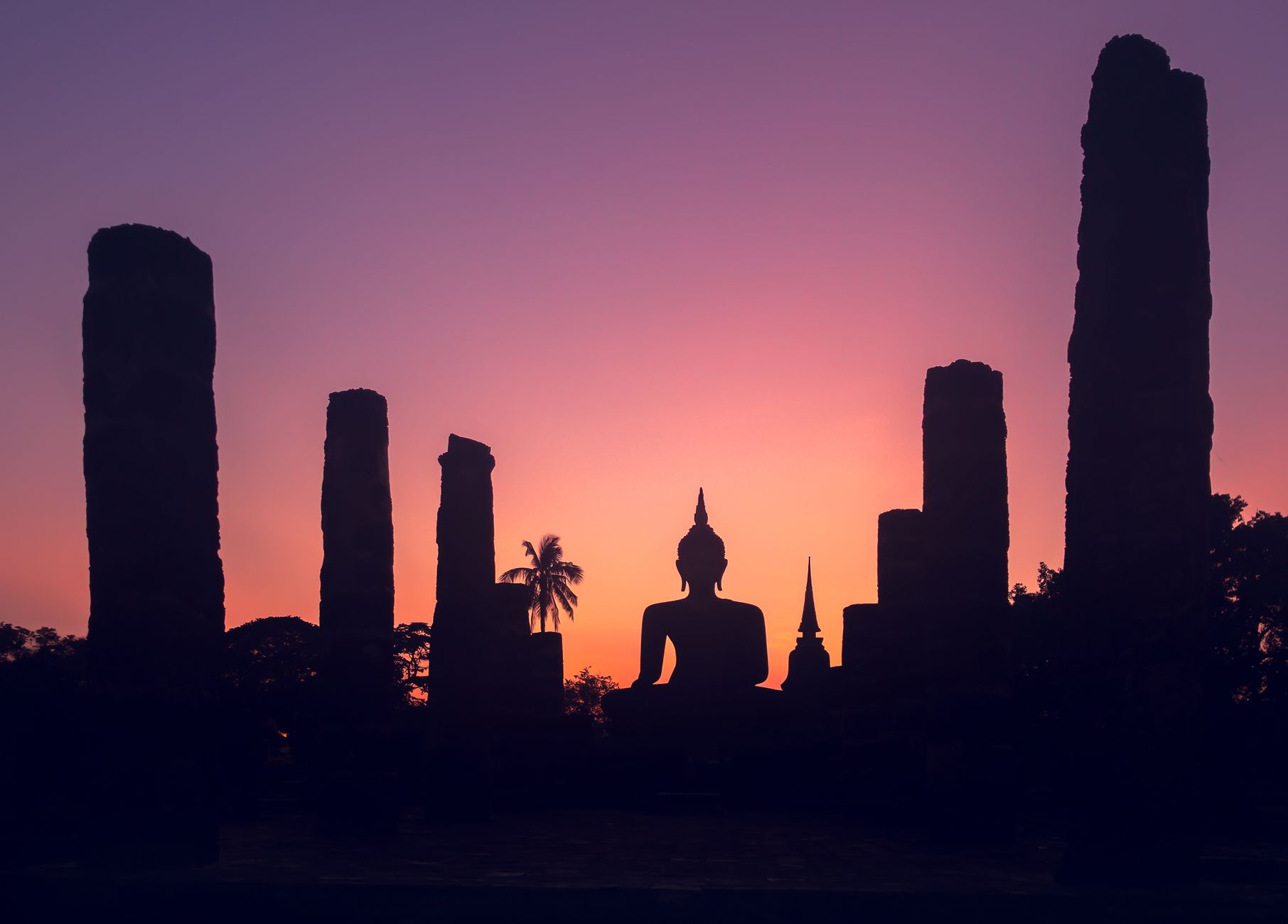
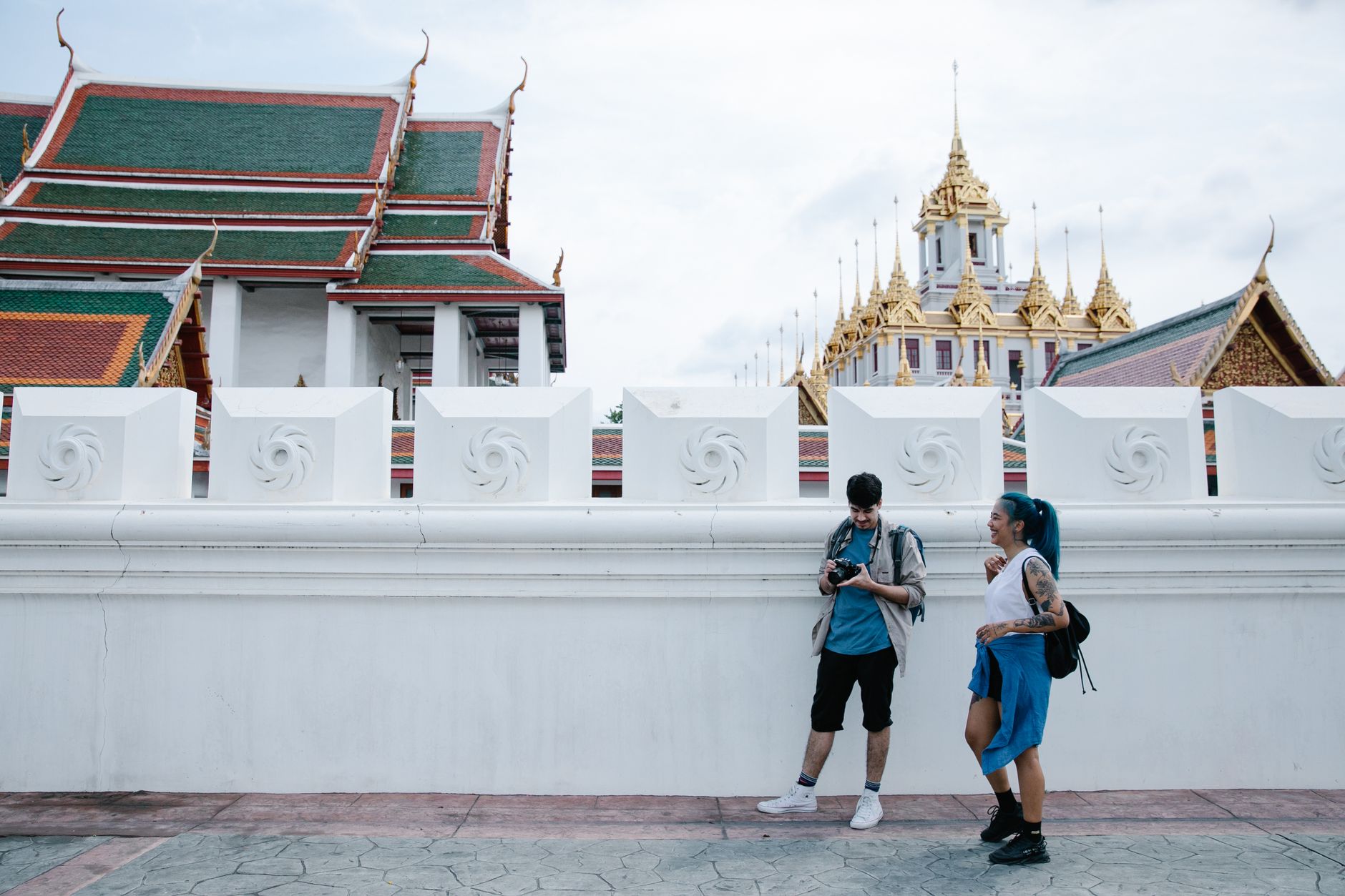
Thailand photo 1
Thailand photo 2
Thailand photo 3
Thailand photo 4
Thailand photo 5
Thailand photo 6
Unmissable Moments

Top Things to Do in Thailand

Culture

Watch the Lanterns Rise at Yi Peng in Chiang Mai

Witnessing thousands of glowing paper lanterns (khom loi) ascend into the starlit night sky during the Yi Peng Festival is a profoundly spiritual experience. Held concurrently with Loy Krathong in November, the festival symbolizes releasing bad luck and making wishes for the future. The sight of the night sky transformed into a sea of floating lights, mirrored by floating flower baskets on the Ping River, is unforgettable. Book tickets for organized mass releases months in advance, or join the locals on the bridges of Chiang Mai for a free, spontaneous public celebration.

Scenic

Island Hopping by Longtail Boat in the Andaman Sea

Chartering a traditional wooden longtail boat to navigate the dramatic limestone karsts of Phang Nga Bay or Krabi is the ultimate coastal adventure. Drift through hidden lagoons, snorkel over vibrant coral reefs teeming with marine life, and step onto powdery white-sand beaches tucked away beneath towering cliffs. To experience this magic without the overwhelming crowds, hire a private boat from Ao Nang or Phuket at 6:00 AM, allowing you to reach iconic spots like Maya Bay or Hong Island before the commercial speedboats arrive.

Culinary

Savoring Street Food in Bangkok's Chinatown (Yaowarat)

As dusk falls, Bangkok's Yaowarat Road morphs into a neon-drenched culinary theater. Sizzling woks, roaring charcoal burners, and aromatic broths line the chaotic sidewalks, drawing thousands of hungry locals and travelers. Indulge in legendary dishes like crab fried rice, freshly grilled river prawns, and sweet black sesame dumplings in ginger broth. For the ultimate experience, visit on a Tuesday or Wednesday evening when the crowds are slightly thinner, and always look for the stalls with the longest queues of local residents.

Adventure

Trek the Misty Highlands of Mae Hong Son

Embark on a multi-day trek through the remote, mountainous province of Mae Hong Son in Northwestern Thailand. This rugged territory offers stunning vistas of terraced rice paddies, dense bamboo forests, and mist-shrouded valleys. Along the way, you will stay in traditional hill tribe villages, learning about the distinct cultures of the Karen and Shan peoples. Hiring a licensed, community-based local guide ensures that your tourism dollars directly support the indigenous host families and preserve their heritage.

Must-See Highlights

Top Places & Things to Do in Thailand

Curated attractions and cultural landmarks with local insider advice.

Wat Phra Kaew & The Grand Palace
culture
4.85

Wat Phra Kaew & The Grand Palace

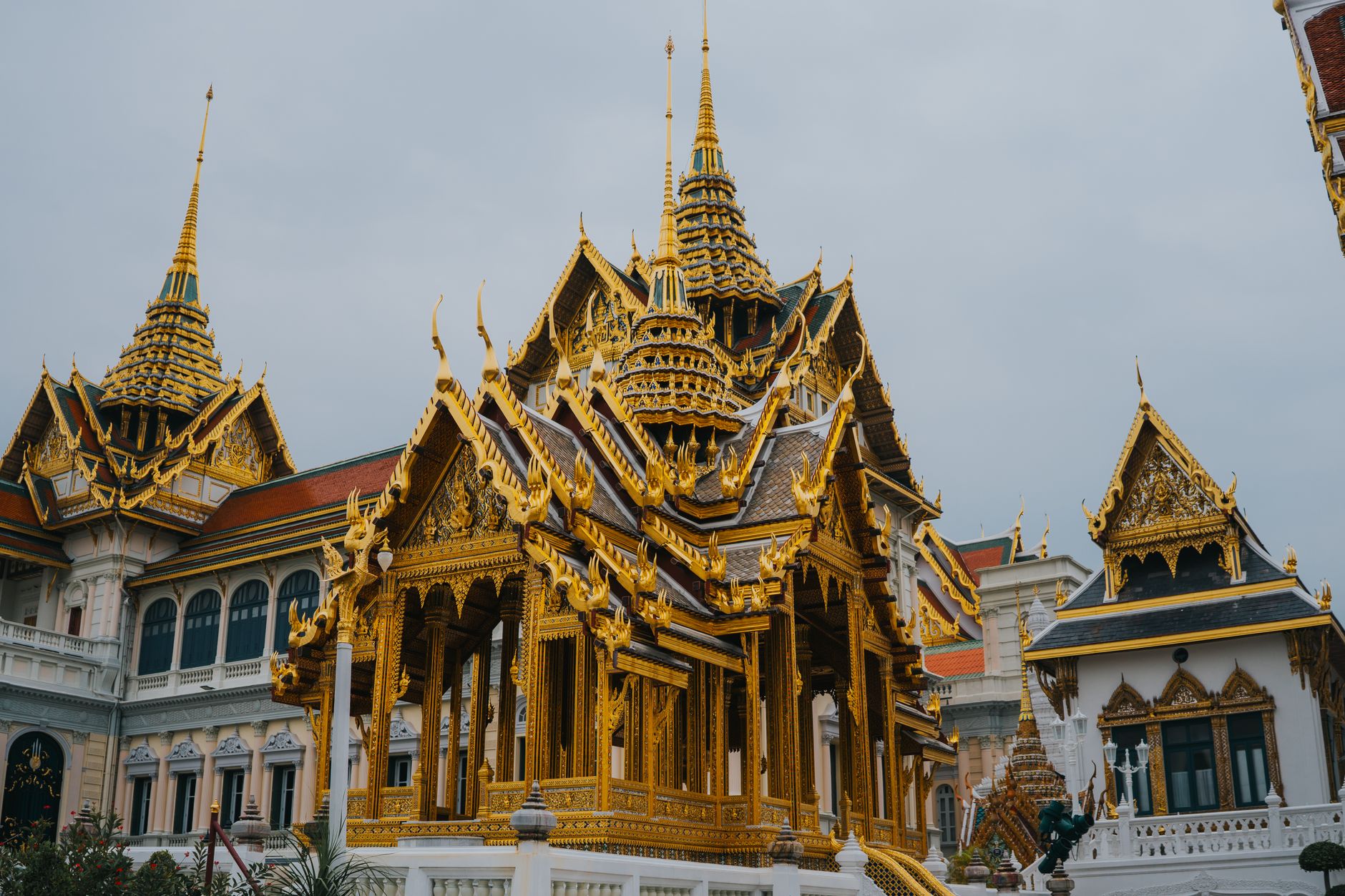
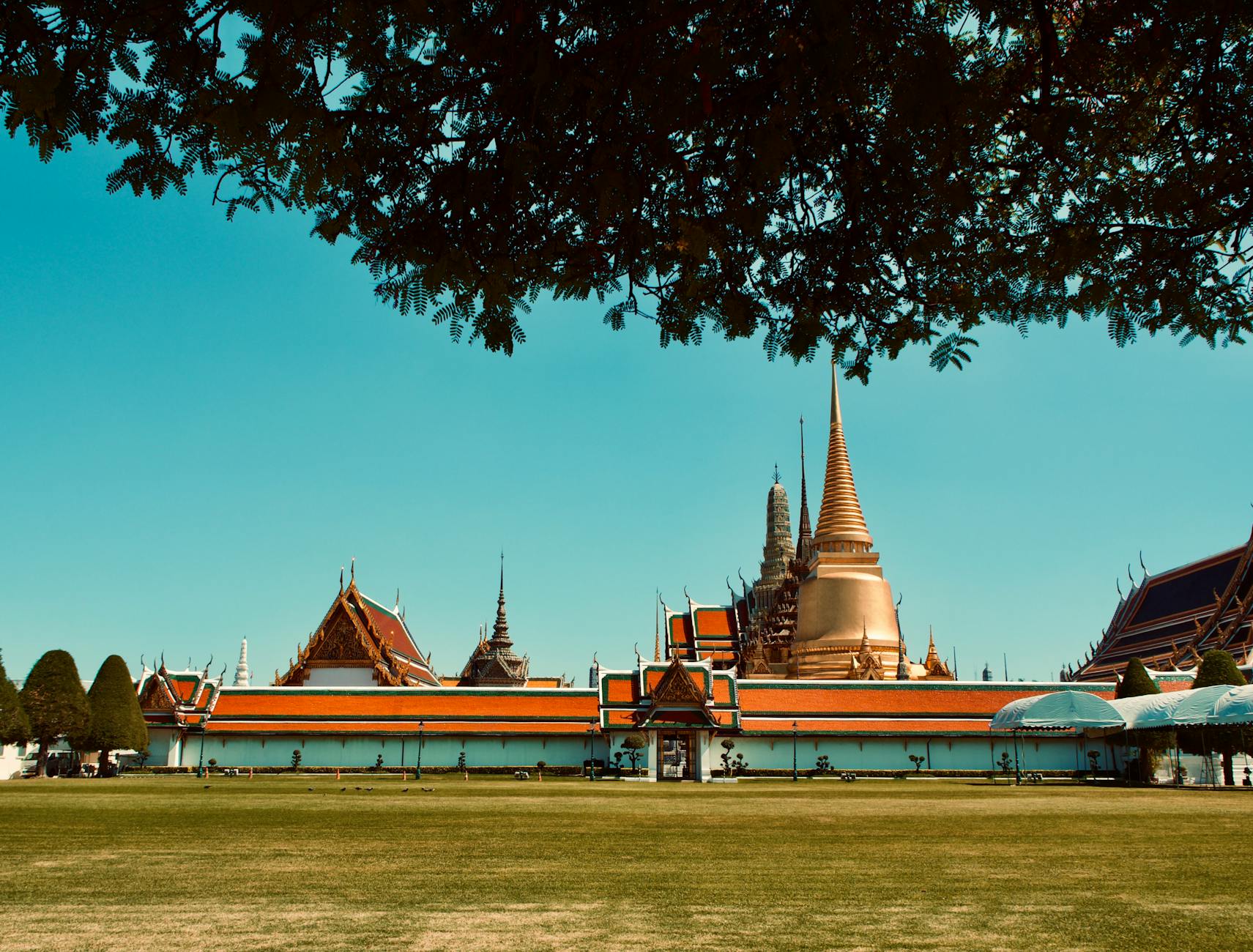
The spiritual and historical heart of Thailand, Wat Phra Kaew (Temple of the Emerald Buddha) and the adjoining Grand Palace are a breathtaking spectacle of gilded spires, mosaic-adorned pillars, and intricate murals. Established in 1782 by King Rama I, this sprawling complex on the banks of the Chao Phraya River served as the official residence of the Kings of Siam for generations. The centerpiece is the legendary Emerald Buddha, a highly revered, meticulously carved jade image clad in gold robes that are ceremonially changed by the King of Thailand three times a year to mark the seasons. Walking through the grounds is a sensory journey into Thai classical architecture and cosmology. Guarded by towering, colorful Yaksha (demon guardians) statues, the courtyard features miniature replicas of Angkor Wat, golden chedis reflecting the tropical sun, and galleries detailing the Ramakien epic. Visitors must navigate the strict dress code—shoulders and knees must be covered—and the inevitable crowds, but the sheer artistic mastery and profound spiritual energy make it an unmissable pilgrimage.

08:30 - 15:30 daily
Admission: 500 THB
Insider Tip: Arrive at 08:15 AM to enter as the gates open and beat the tour buses. Ignore any scammers outside who claim the palace is 'closed for a holiday'—they are trying to redirect you to gem shops.
Chatuchak Weekend Market
food
4.65

Chatuchak Weekend Market

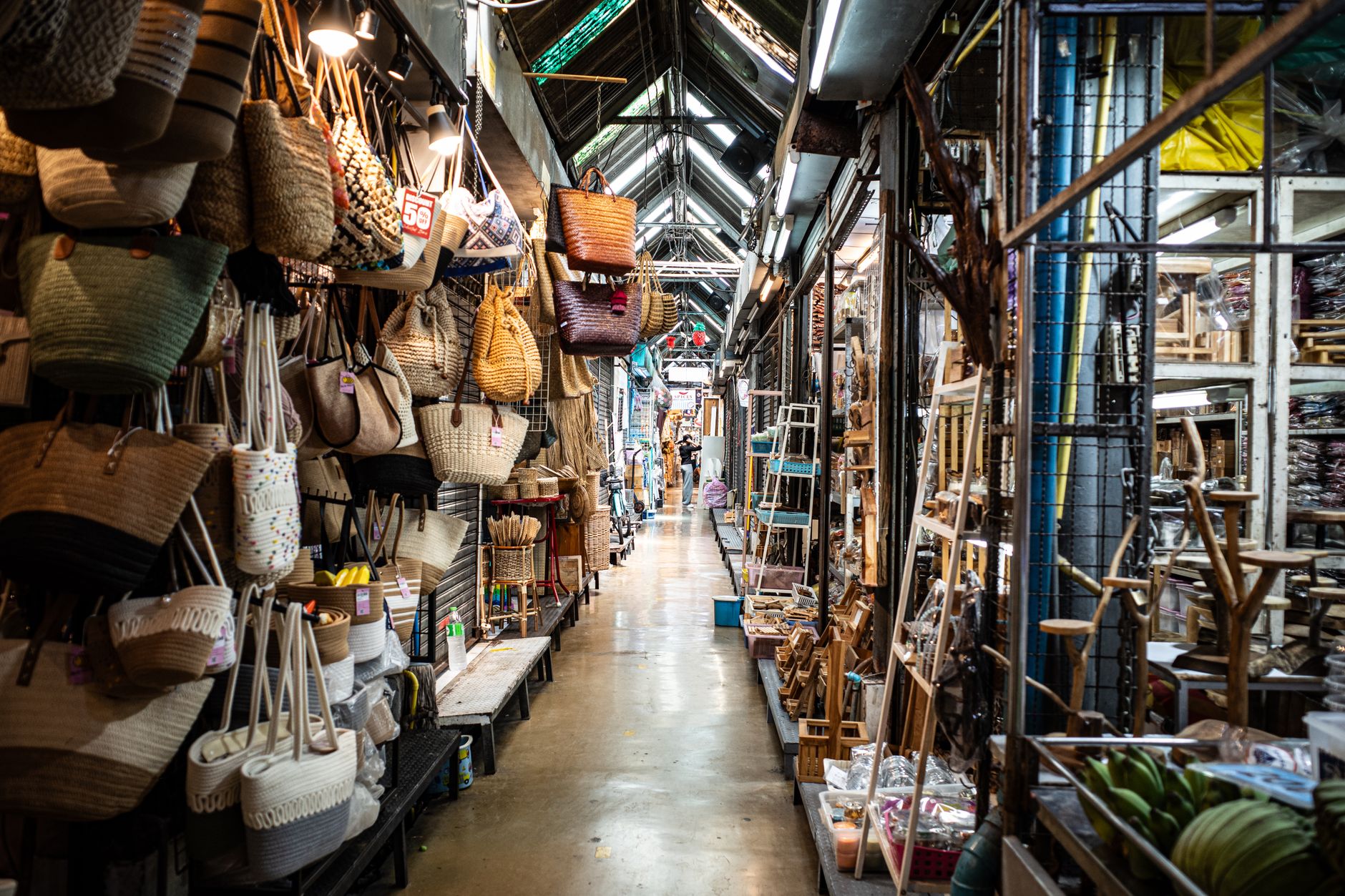
Chatuchak Weekend Market, affectionately known as JJ Market, is a sensory whirlwind and one of the largest outdoor markets in the world. Spanning over 35 acres and divided into 30 distinct sections, it hosts more than 15,000 stalls selling everything from vintage clothing and local handicrafts to exotic pets, home decor, and mouth-watering street food. Navigating this labyrinth is an essential Bangkok rite of passage, where the air is thick with the aromas of sizzling meat skewers, sweet coconut ice cream, and the energetic shouts of vendors bargaining with visitors from around the globe. The market is a microcosm of Thai culture and commerce, operating primarily on Saturdays and Sundays when it draws over 200,000 visitors per day. Getting lost is not just inevitable; it is the best way to experience Chatuchak. You might stumble upon a section of cutting-edge local fashion designers, followed by a quiet alleyway of antique Buddha images or a bustling food court serving fiery southern curries. Bargaining is expected but should always be done with a warm smile, keeping in tune with the local philosophy of sanuk (fun).

09:00 - 18:00 Saturday & Sunday
Admission: Free
Insider Tip: Pick up a free map at the entrance to navigate the numbered sections. Wear light clothing, stay hydrated, and keep your backpack on your front to guard against pickpockets in crowded aisles.
Area Guide

Where to Stay & Best Neighborhoods

Rattanakosin (Bangkok's Old City)

Best for: First-time visitors, history buffs, and temple lovers.

Vibe: Historic, spiritual, and bustling with riverside charm.

Bordered by the Chao Phraya River, Rattanakosin is the historic heart of Bangkok. Walking through this neighborhood is a journey through Siam's royal history, defined by the glittering spires of the Grand Palace and Wat Pho. The streets are lined with low-rise colonial-style buildings, traditional amulet markets, and historic shophouses serving recipes passed down through generations. At night, the illuminated temples cast a golden glow over the river, offering a peaceful contrast to the chaotic modern metropolis nearby.

Chiang Mai Old City

Best for: Slow travelers, digital nomads, and culture enthusiasts.

Vibe: Bohemian, ancient, and deeply relaxed with a rich coffee culture.

Enclosed by a crumbling 13th-century brick wall and a tranquil, lily-pad-strewn moat, Chiang Mai's Old City is a dense square mile of cultural treasures. Within this compact area lie over 30 historic temples, their teakwood structures and golden pagodas tucked away down quiet, residential alleys (sois). The neighborhood is highly walkable, filled with cozy vegetarian cafes, artisan boutiques, and bustling open-air markets. It is a place where the scent of roasting coffee beans blends with burning incense, creating an extraordinarily peaceful atmosphere.

Phuket Old Town

Best for: Foodies, photographers, and boutique hotel lovers.

Vibe: Sino-Portuguese heritage, colorful, artistic, and culinary-focused.

A delightful departure from Phuket's chaotic beach resorts, Phuket Old Town is a historic enclave of beautifully restored Sino-Portuguese shophouses. Painted in vibrant pastel hues, these buildings feature arched walkways, intricate tilework, and hidden courtyards. The streets, particularly Thalang and Dibuk Roads, are packed with quirky art galleries, hipster cafes, and family-run restaurants serving authentic Baba (Peranakan) cuisine. On Sunday evenings, the entire area transforms into the lively Lard Yai walking street market.

Food & Drink Scene

What to Eat in Thailand

Khao Soi (Northern Thai Coconut Curry Noodle Soup)

The undisputed culinary icon of Northern Thailand, Khao Soi is a rich, deeply fragrant yellow curry soup made with a blend of coconut milk and aromatic spices. It features tender, slow-cooked chicken or beef, soft egg noodles, and is crowned with a handful of crispy fried noodles for texture. It is traditionally served with a side of pickled mustard greens, raw shallots, lime wedges, and a smoky roasted chili paste to let diners customize the heat and acidity.

🍴 Top spot: Khao Soi Mae Sai, Chiang Mai

Tom Yum Goong (Spicy Lemongrass Shrimp Soup)

A masterclass in balancing the four fundamental Thai flavors: sour, salty, spicy, and sweet. This vibrant, fiery soup is infused with fresh lemongrass, kaffir lime leaves, galangal, bird's eye chilies, and juicy river prawns. It comes in two varieties: 'nam sai' (clear broth) and 'nam khon' (creamy broth, sweetened with evaporated milk and roasted chili paste). Each spoonful delivers an explosive, invigorating hit to the palate.

🍴 Top spot: Pe Aor Peerless Tom Yum Goong, Bangkok

Massaman Curry

Influenced by Persian traders who visited the Siamese court in the 17th century, Massaman is a mild, complex, and incredibly rich curry. Unlike fiery Thai curries, it utilizes dry spices such as cardamom, cinnamon, cloves, star anise, and cumin, cooked slowly with coconut milk, tamarind paste, palm sugar, potatoes, onions, roasted peanuts, and tender beef or chicken. It is a comforting, deeply savory dish that perfectly showcases Thailand's historical trade links.

🍴 Top spot: Krua Apsorn, Bangkok
Excursions

Best Day Trips from Thailand

Ayutthaya Historical Park

1.5 hours by train from Bangkok's Krung Thep Aphiwat Central Terminal

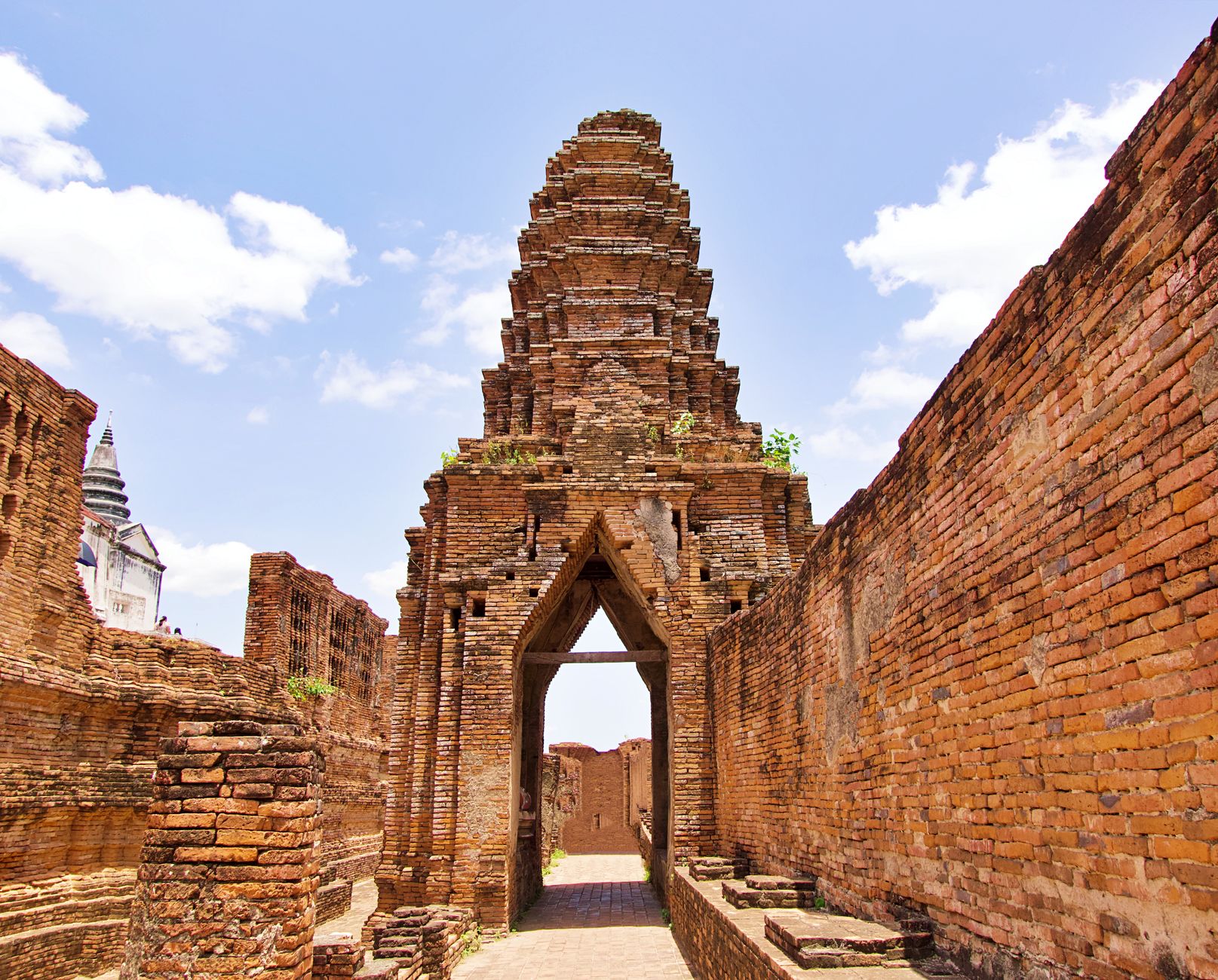
Step back in time to explore the majestic ruins of Siam's second capital, which was founded in 1350 and destroyed by the Burmese in 1767. Today, this UNESCO World Heritage site is an open-air museum of towering brick prangs (relic towers), crumbling monasteries, and headless Buddha statues. Do not miss Wat Mahathat, where a sandstone Buddha head is famously entwined in the roots of a banyan tree. Rent a bicycle or hire a tuk-tuk to explore the sprawling archaeological park.

Erawan National Park & Waterfalls

2.5 hours by car or bus from Bangkok (via Kanchanaburi)

Escape the heat into a lush jungle sanctuary famous for its stunning seven-tiered waterfall. Named after the three-headed white elephant of Hindu mythology, the Erawan Falls cascade down limestone cliffs into a series of pristine, emerald-green plunge pools. Visitors can hike up a well-maintained trail to swim in the cool, clear waters alongside curious fish, or explore the surrounding bamboo forests which are home to wild macaques and diverse birdlife.

When to Go

Best Time to Visit & Seasonality

Editor’s Pick: The absolute prime time to visit Thailand is during the cool and dry season, which runs from November to February. During these months, the northeast monsoon brings pleasant, dry breezes and comfortable temperatures, averaging between 25°C and 30°C. This period offers the perfect climate for both temple-hopping in the cities and sunbathing on the southern beaches. However, this is also peak tourist season, meaning popular destinations will be crowded and prices for accommodation and flights are at their highest. For those looking to avoid crowds while still enjoying decent weather, the shoulder months of March and October offer a compelling compromise.

Spring Overview

(March to May)
Moderate
Average Temperature & Climate30°C - 38°C

Extremely hot and dry, with soaring humidity as the monsoon approaches.

Crowd & Travel ConditionsModerate Tourist Traffic

Fewer lines and better deals.

✨ Seasonal Highlights:Songkran (Thai New Year) in mid-April, featuring nationwide water fights; excellent diving conditions in the Andaman Sea.
Travel Smarter

Practical Travel Essentials

CurrencyTHB (฿)
LanguageThai
Time ZoneGMT+7

Visa & Entry

Tourists from over 60 countries (including the US, Canada, UK, EU, Australia, and NZ) can enter Thailand visa-free for up to 60 days. This can be extended for an additional 30 days at any local immigration office for a fee of 1,900 THB. Ensure your passport is valid for at least 6 months beyond your arrival date.

Getting Around & Transit

In Bangkok, utilize the BTS Skytrain and MRT Subway to bypass gridlocked traffic. For regional travel, budget airlines (AirAsia, Nok Air) are cheap and efficient, while the overnight train between Bangkok and Chiang Mai is a scenic, classic experience. Local transport includes colorful tuk-tuks (negotiate price beforehand) and ride-hailing apps like Grab or Bolt.

Daily Budget Expectation

Backpacker: $25 - $40/day; Mid-range: $60 - $120/day; Luxury: $250+/day.

Safety & Health

Thailand is generally very safe for solo travelers and families. Violent crime against tourists is extremely rare. The biggest safety risks are road accidents (particularly motorcycle rentals) and petty scams. Always wear a helmet, never leave your passport as collateral for rentals, and be skeptical of overly friendly strangers offering unsolicited travel advice.

Local Etiquette & Customs

Always dress respectfully when visiting temples: shoulders and knees must be covered, and shoes must be removed before entering temple halls. Never touch anyone's head, as it is considered the most sacred part of the body, and do not point your feet (the lowest part of the body) at people or religious images. Crucially, show utmost respect to the Royal Family; criticism of the monarchy is illegal under strict Lèse-majestÊ laws.

Questions & Answers

Frequently Asked Questions about Thailand

No, tap water in Thailand is not safe to drink. Always consume bottled or purified water, which is cheap and readily available at convenience stores like 7-Eleven. Ice in reputable restaurants and bars is almost always made from purified commercial ice and is safe to consume.