About Manila
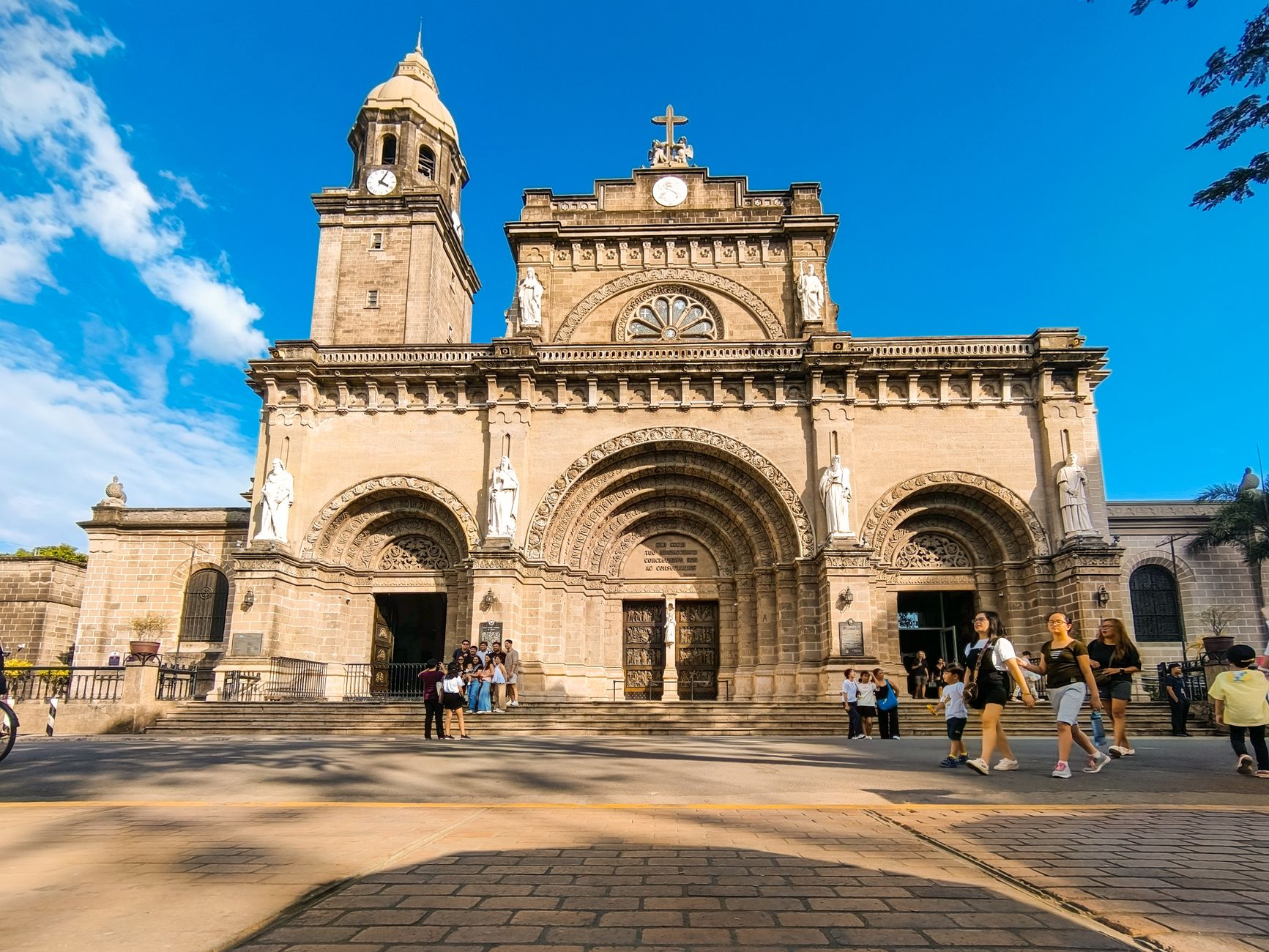
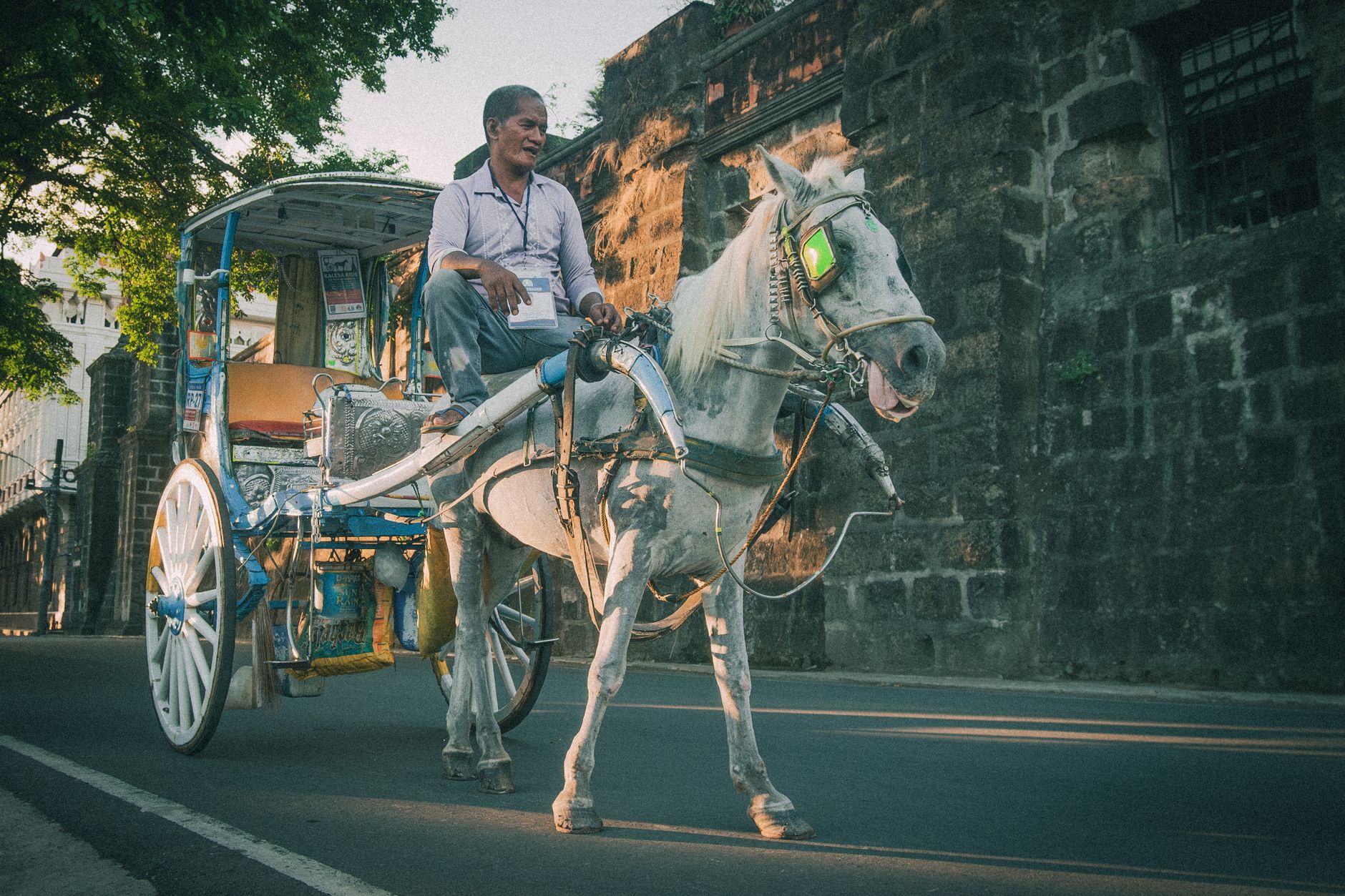
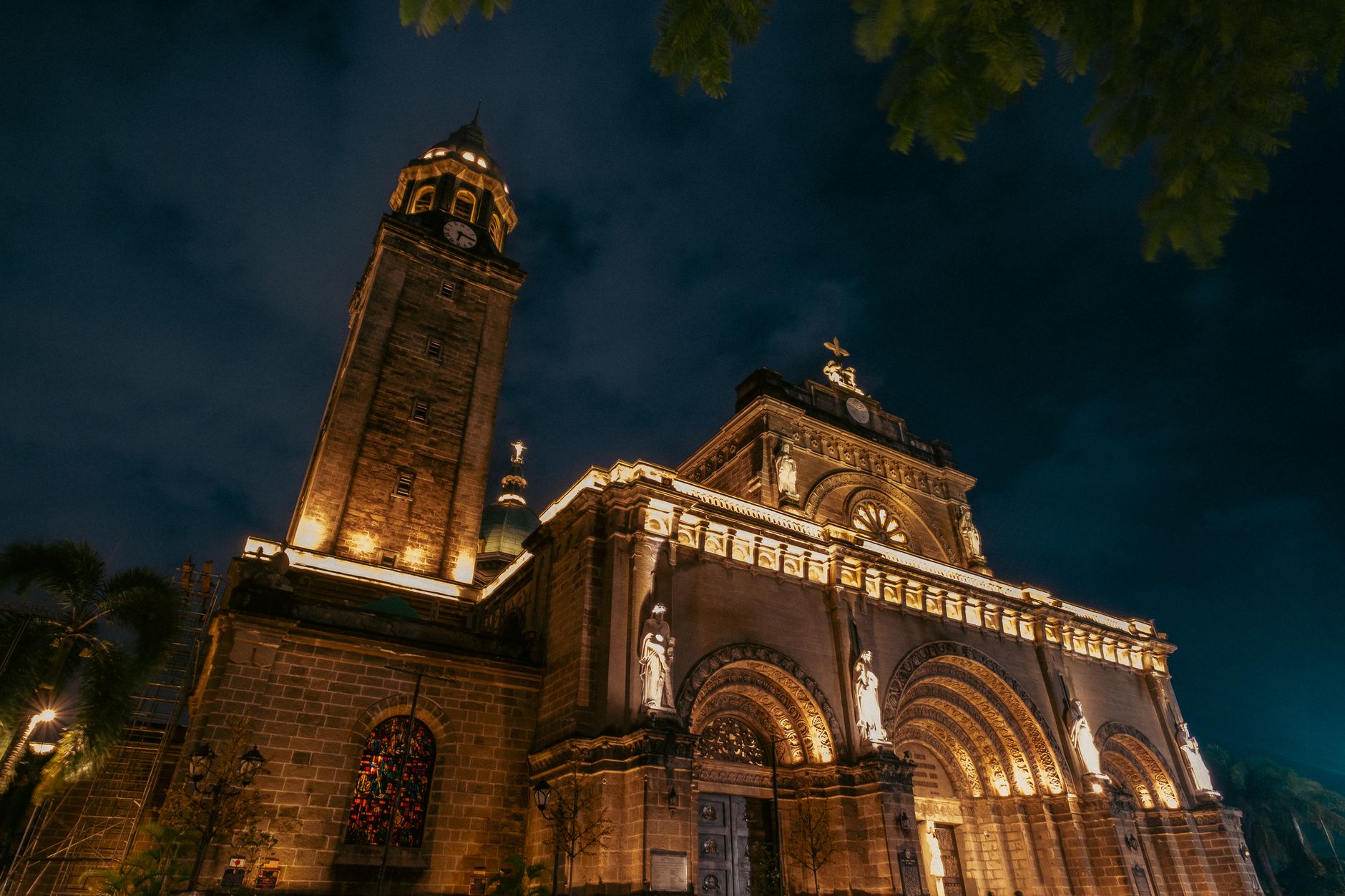
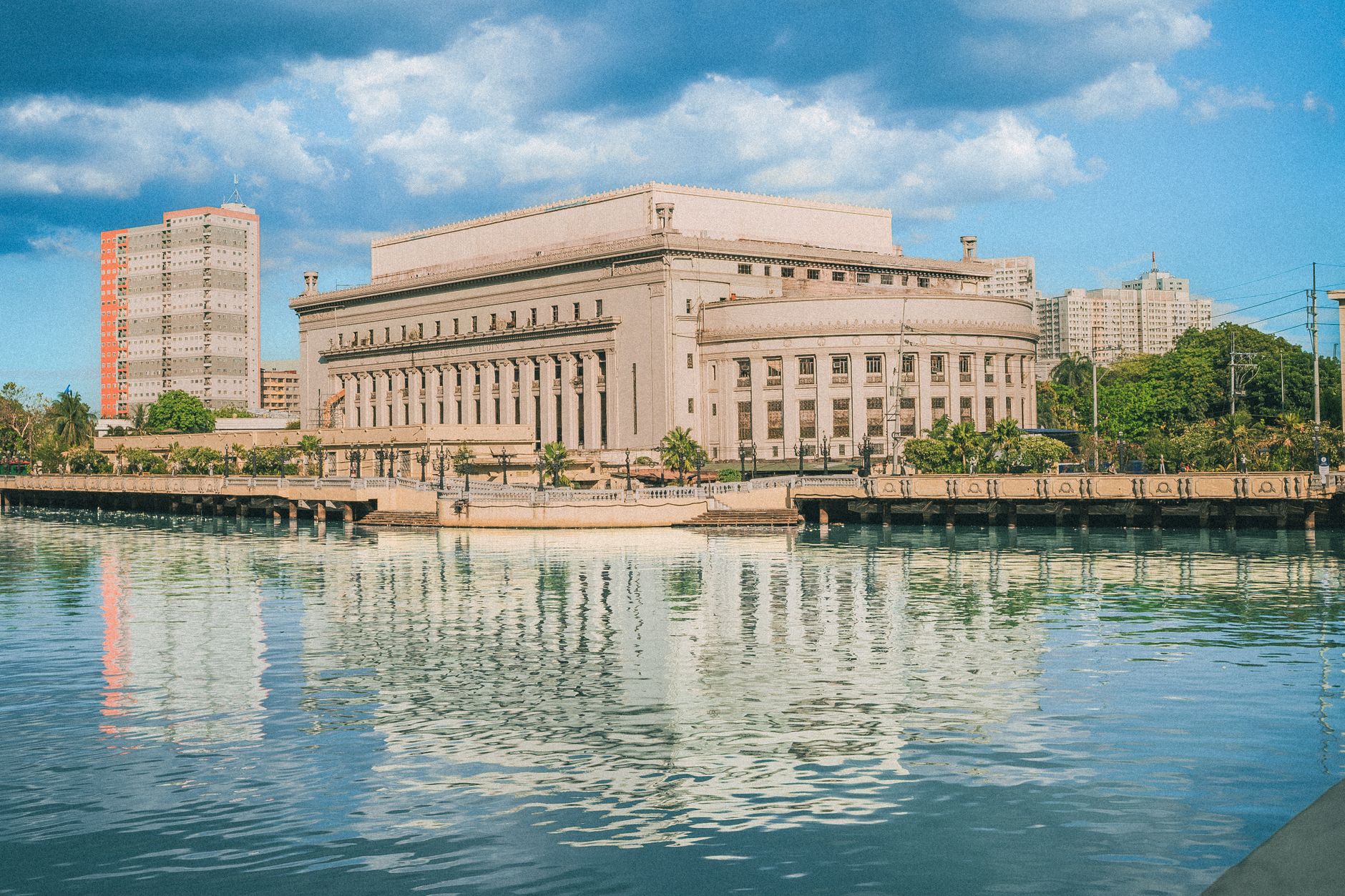
Manila, the throbbing capital of the Philippines, is a city of profound contrasts and relentless energy. Spread along the shores of Manila Bay and the delta of the Pasig River, this megalopolis weaves together a complex tapestry of 16th-century Spanish colonial architecture, gritty urban sprawl, ultra-modern glass skyscrapers, and deeply entrenched indigenous traditions. Founded by Spanish conquistadors in 1571 atop older settlements, Manila's historical core—known as Intramuros—still echoes with the footsteps of friars, galleon traders, and revolutionaries.
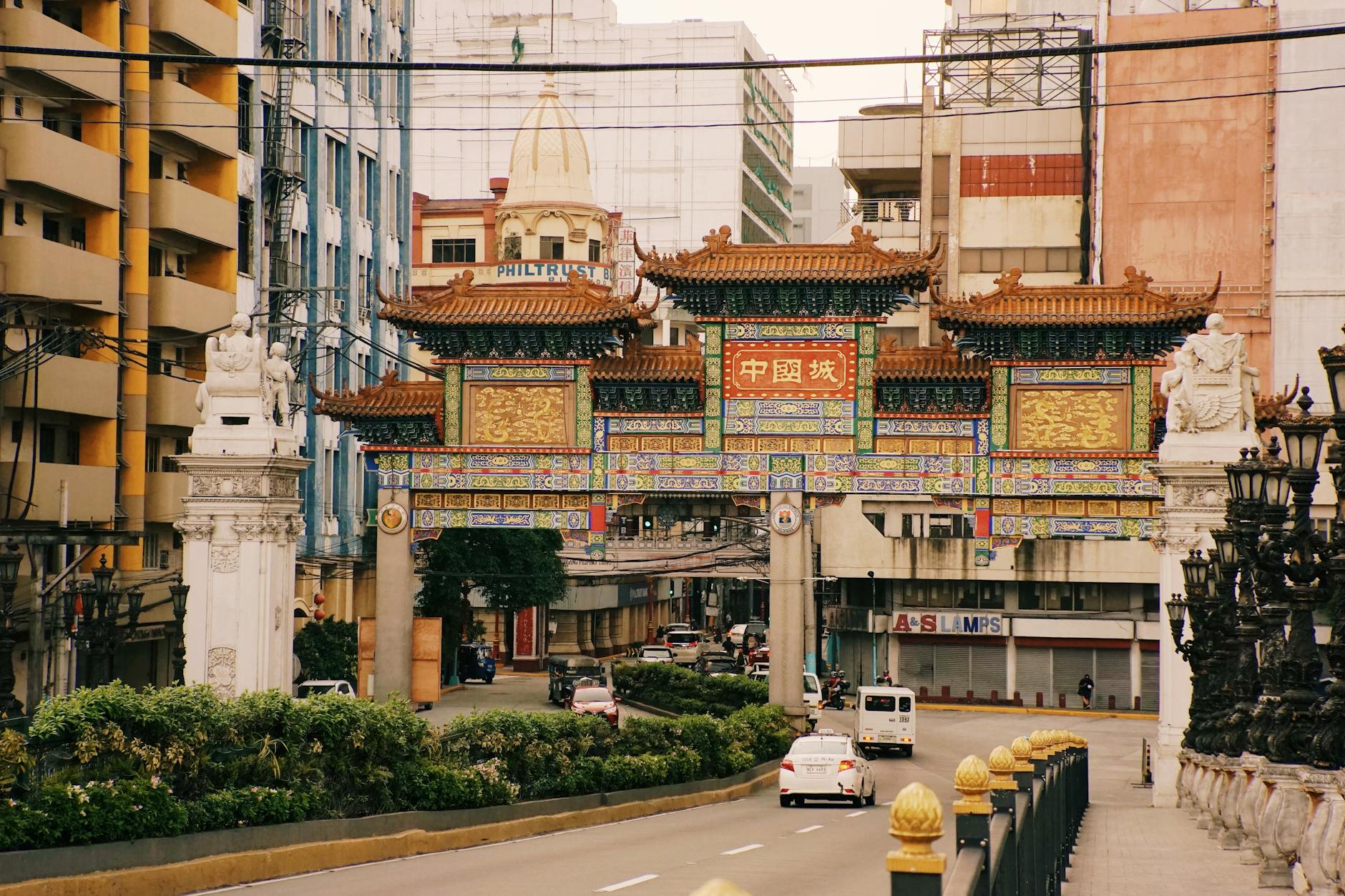
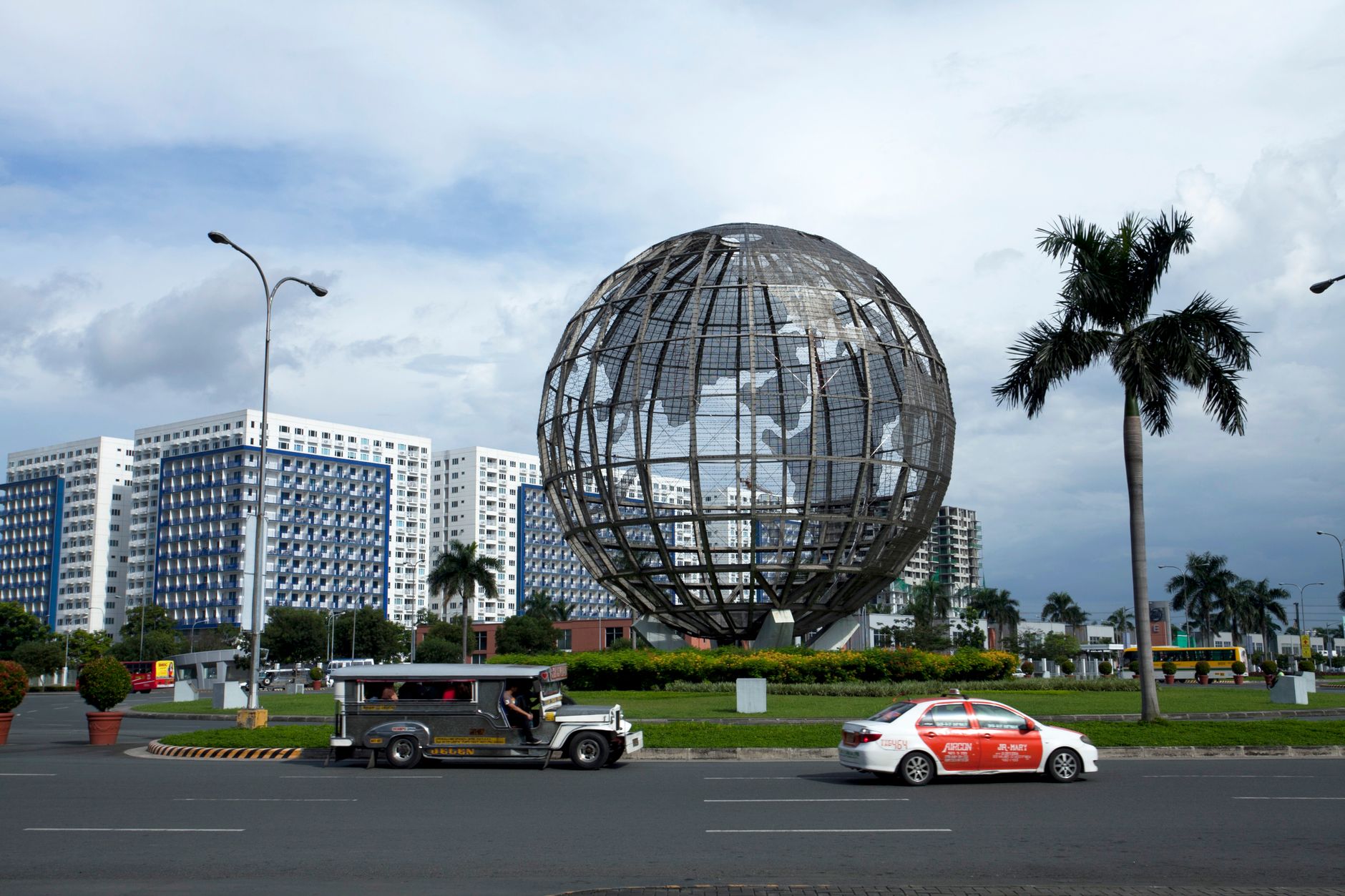
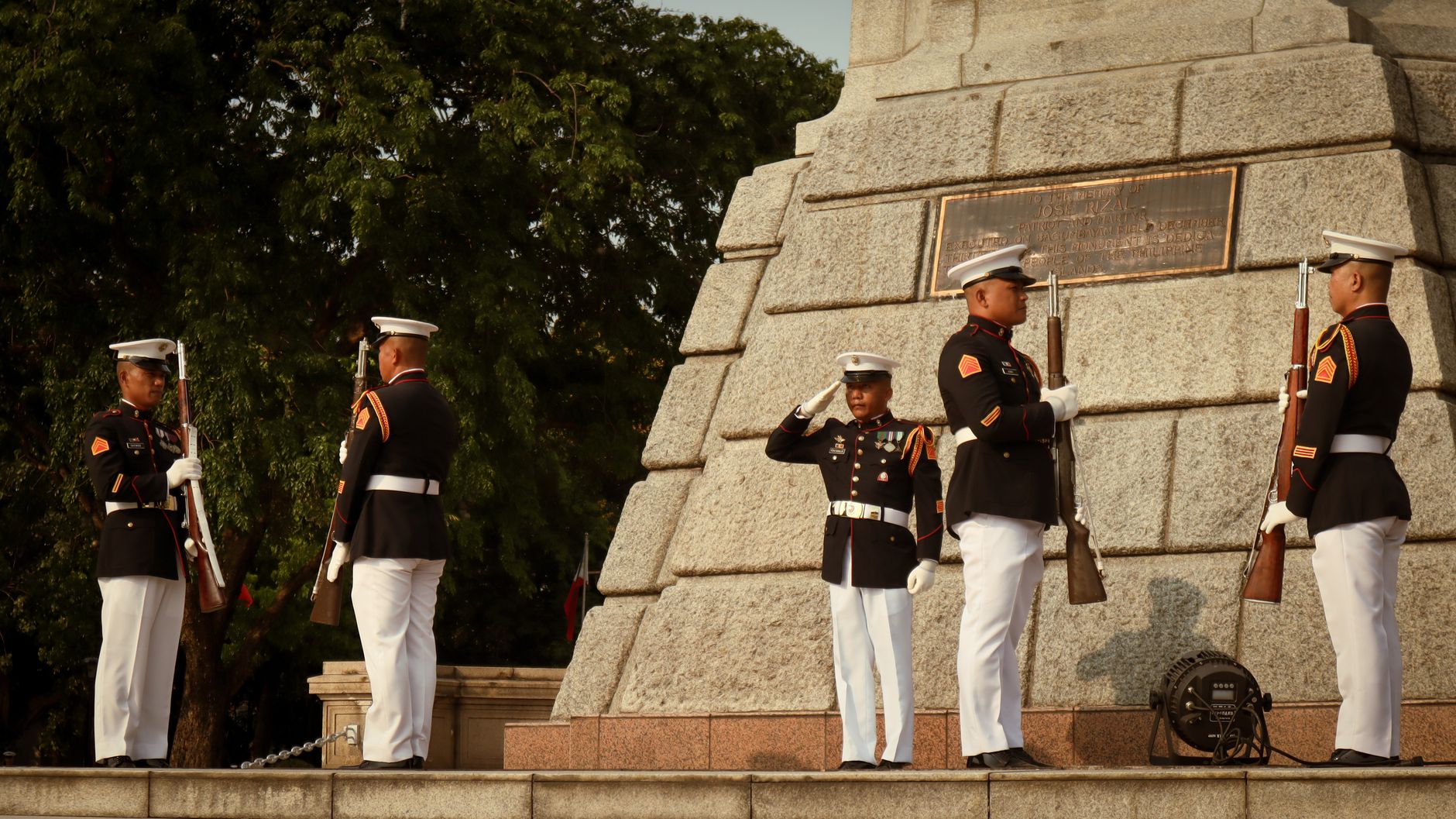
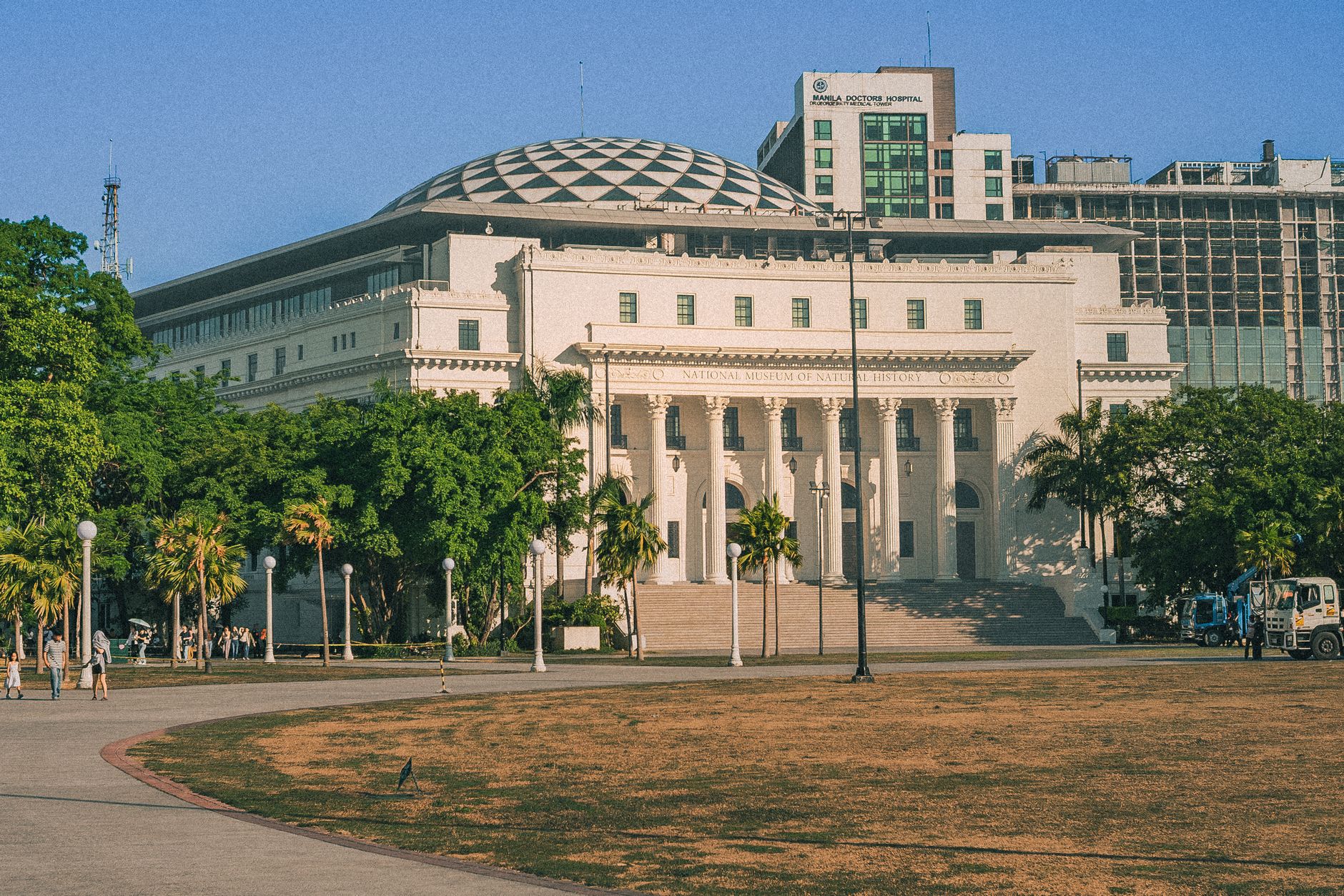
Beneath its chaotic surface lies a culture defined by legendary warmth, resilience, and an unwavering devotion to family, music, and food. The local atmosphere oscillates wildly from the serene gardens of Rizal Park to the deafening roar of jeepneys navigating congested thoroughfares. Art galleries housed in repurposed industrial warehouses rub shoulders with baroque UNESCO World Heritage churches, while hyper-modern shopping malls cast shadows over centuries-old street markets.
Geographically positioned as the gateway to over 7,000 tropical islands, Manila is rarely just a final destination; rather, it is an intense, sensory-overload introduction to the archipelago. The city's geography is defined by the great expanse of Manila Bay, famous for its fiery, multi-hued sunsets, and the surrounding Greater Manila Area, which sprawls across flat coastal plains and rolling hills towards Laguna de Bay.
Everyday life in Manila is an exercise in communal harmony amid organized chaos. You will hear the melodic lilt of Tagalog mixed with English in a uniquely flexible conversational code-switching known as Taglish. From the smell of sizzling pork sisig wafting from neighborhood carinderias to the collective sigh of relief when the afternoon tropical rain cools the humid air, Manila demands to be felt rather than merely seen.
Visual Impressions & Moments