🌟 Best in Travel 2026 is here!
Alaska
regionNorth America
4.97 / 5.0

Alaska

A colossal wilderness of calving glaciers, soaring peaks, and untamed, ancient wildlife.

Advertisement
Editorial Guide

About Alaska

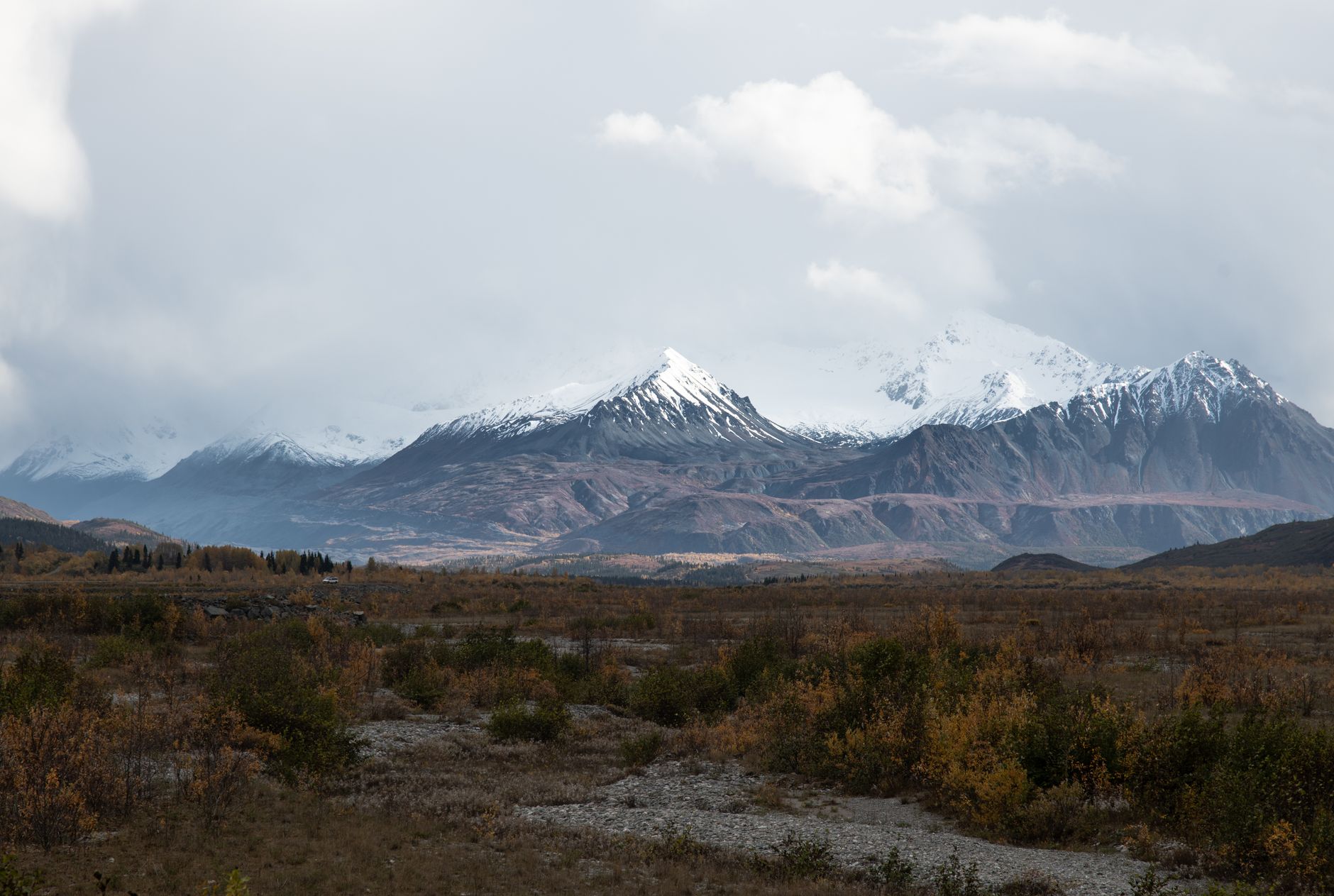
Alaska, known famously as 'The Last Frontier,' is a land of staggering dimensions and sublime beauty. Spanning over 660,000 square miles, this colossal subarctic wilderness is defined by its dramatic, raw landscapes—from the temperate, moss-draped rainforests of the Inside Passage to the wind-scoured, infinite tundra of the Arctic Circle. It is a place where nature operates on an epic scale: home to seventeen of the twenty highest peaks in the United States, including the majestic Denali, and more active glaciers than there are residents in its capital city. The geography is a dynamic canvas of active volcanoes, jagged fjords, and wild, silt-laden rivers that carve through pristine valleys untouched by roads.

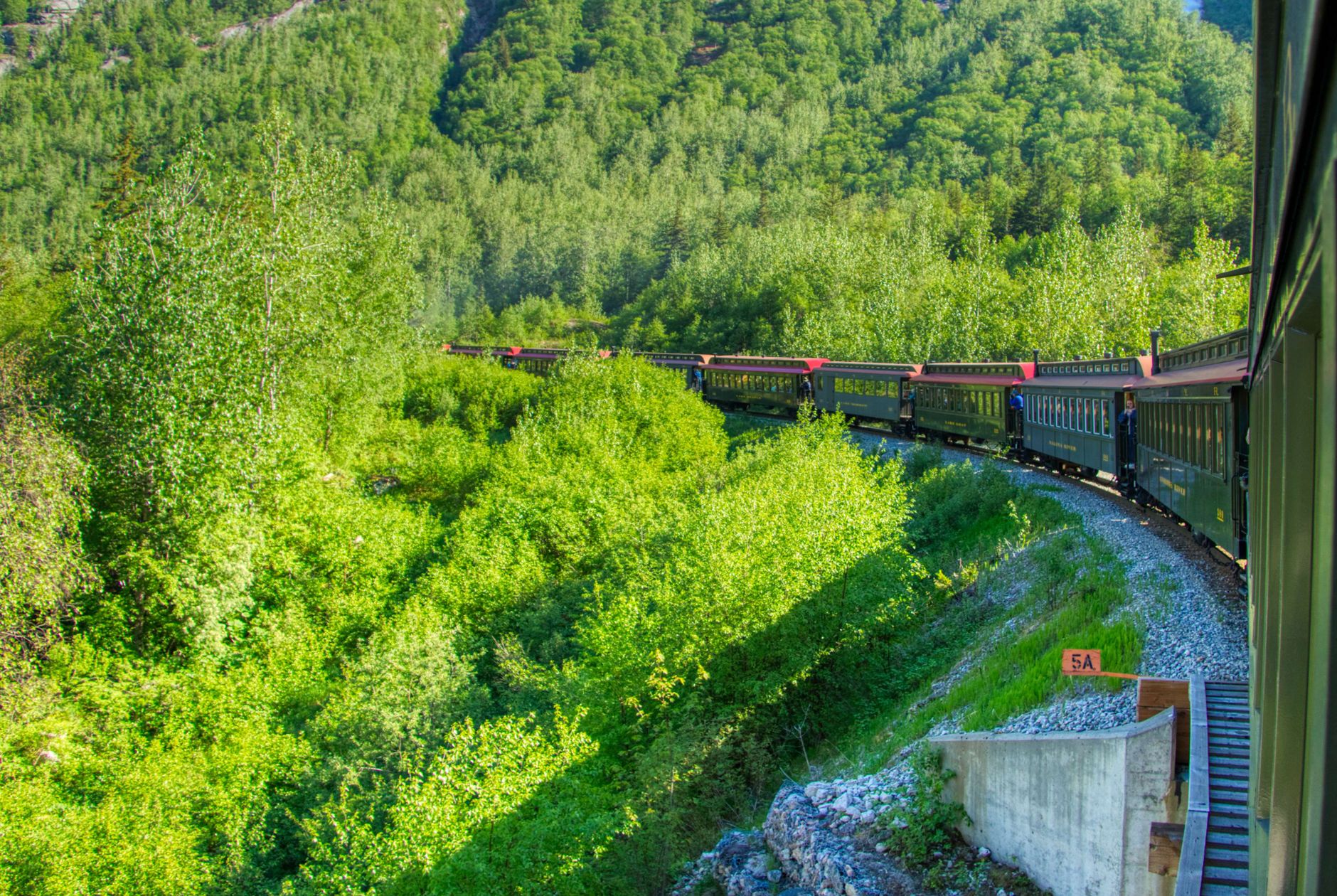
For millennia, this formidable land has been shaped and protected by its Indigenous peoples, including the Tlingit, Haida, Tsimshian, Athabascan, Inupiat, and Yup'ik nations. Their deep, spiritual connection to the land and sea remains the cultural heartbeat of Alaska, reflected in the towering totem poles of Southeast Alaska, the intricate basketry of the far north, and a profound respect for the natural world. The legacy of the 1890s Gold Rush also lingers in the weathered wooden boardwalks of historic towns like Skagway and the relic dredges rusting in the tundra near Nome, reminding travelers of the intrepid, sometimes reckless spirit of those who sought fortune in this uncompromising environment.

Wildlife dictates the rhythm of life in Alaska. Here, the food chain is fully intact and proudly on display. Massive grizzly bears gather at rushing waterfalls to scoop up leaping salmon; pods of humpback whales execute complex bubble-net feeding maneuvers in the deep waters of Prince William Sound; and vast herds of caribou migrate hundreds of miles across the trackless northern plains. To travel through Alaska is to accept a subordinate role to the elements, where weather determines flight schedules, roads are few and far between, and the sheer emptiness of the landscape evokes a rare, humbling sense of solitude.

Modern Alaskan life is a unique blend of rugged self-reliance and warm, community-focused hospitality. Whether chatting with a bush pilot at a dirt-strip runway in Talkeetna, sharing a pint of locally brewed spruce-tip ale with homesteaders in Homer, or listening to stories told by an Indigenous elder in a remote village, visitors are welcomed into a culture that thrives on resilience and camaraderie. It is a destination that demands patience, flexibility, and a willingness to step outside comfort zones, rewarding the adventurous traveler with memories of a world still untamed and wonderfully wild.

Visual Impressions & Moments

Alaska photo 1
Alaska photo 2
Alaska photo 3
Alaska photo 4
Alaska photo 5
Alaska photo 6
Unmissable Moments

Top Things to Do in Alaska

Adventure

Flightseeing and Glacier Landing on Denali

Board a rugged DeHavilland Otter or Beaver bush plane equipped with skis from Talkeetna and soar above the jagged granite walls of the Alaska Range. As you fly deep into the Sheldon Amphitheater, the sheer scale of Denali (20,310 feet) becomes breathtakingly clear. The climax of the journey is a smooth landing on the pristine snow of a massive glacier, where you can step out into a silent, high-alpine world of ice and rock. Book a morning flight for the clearest weather, and always schedule this early in your itinerary to allow for weather-related delays.

Scenic

Cruise the Calving Glaciers of Kenai Fjords

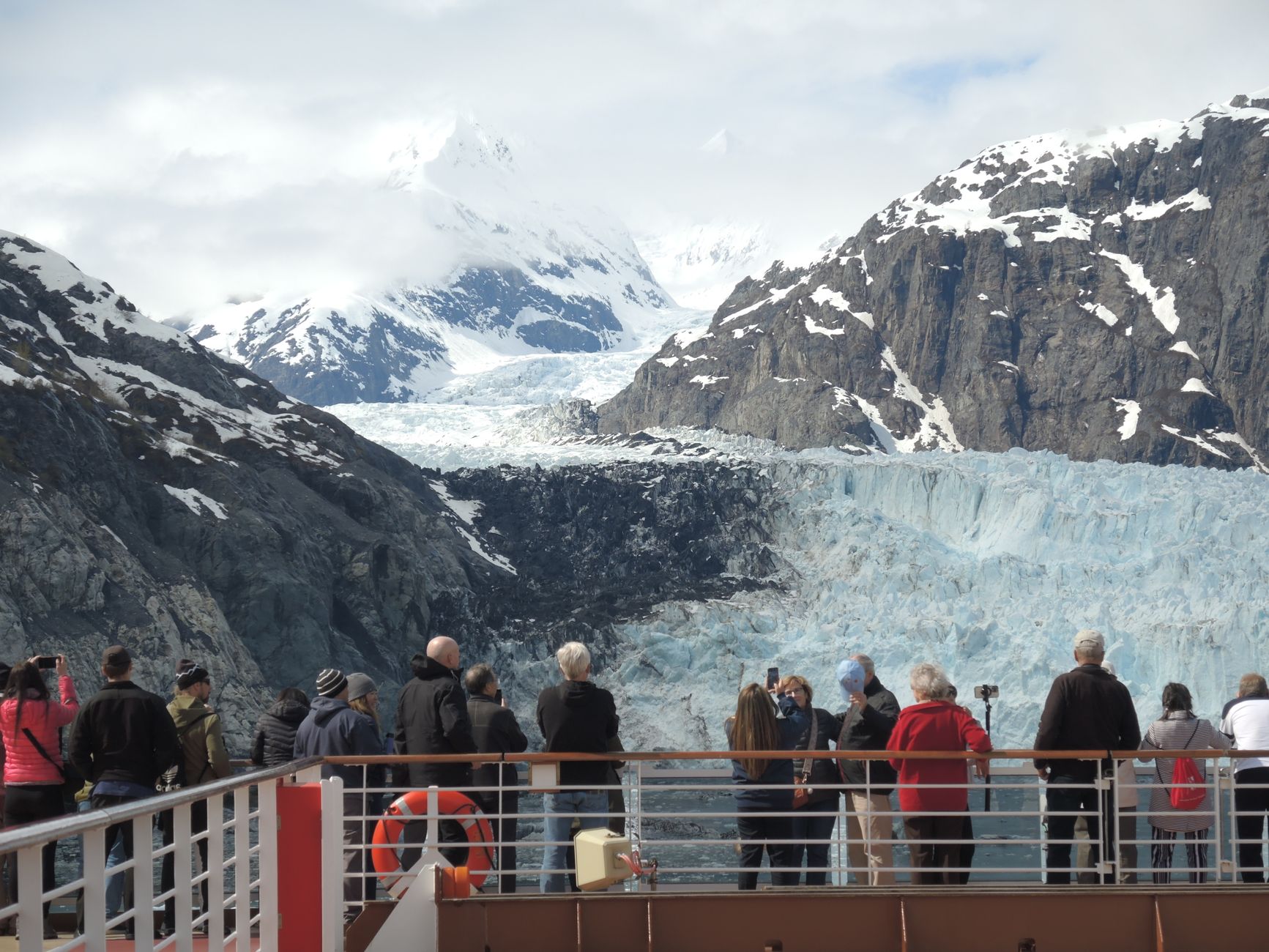
Embark on an active day-cruise from Seward into the deep, glacial waters of Kenai Fjords National Park. As you navigate past towering cliffs and rocky islands, you will encounter abundant marine life, including sea otters, harbor seals, puffins, and pods of killer whales. The journey culminates at the face of a massive tidewater glacier, such as Holgate or Aialik Glacier, where you can witness the thunderous spectacle of 'calving'—when colossal blocks of ancient blue ice break off and crash into the sea below. Wear multiple warm layers, even in mid-summer, as the wind off the glacial ice is intensely cold.

Must-Do

Witness the Grizzly Salmon Run at Brooks Falls

Travel by floatplane to Katmai National Park, a remote wilderness sanctuary where brown bears gather in extraordinary numbers. From the safety of elevated wooden viewing platforms, you can look down upon Brooks Falls, where massive grizzlies compete for prime fishing spots, snapping leaping sockeye salmon straight out of mid-air. The peak of this wildlife phenomenon occurs throughout July and again in September. To avoid the heaviest day-tripper crowds, secure a highly coveted permit to stay overnight at Brooks Lodge or the adjacent campground.

Scenic

Chase the Aurora Borealis in the Arctic Circle

Venture north of Fairbanks during the winter months to experience the otherworldly dance of the Northern Lights. The dry, clear skies of the Alaskan Interior, combined with its location directly under the Auroral Oval, make it one of the premier places on Earth to view this phenomenon. Rent a car to drive the rugged Dalton Highway or stay at a dedicated aurora yurt or hot spring resort like Chena Hot Springs. The best viewing hours are typically between 10:00 PM and 3:00 AM on clear, moonless nights.

Area Guide

Where to Stay & Best Neighborhoods

The Inside Passage (Southeast)

Best for: History enthusiasts, cruise travelers, kayakers, and Indigenous cultural immersion.

Vibe: Lush temperate rainforests, historic gold-rush architecture, and deep maritime heritage.

Carved by ancient glaciers and sheltered by thousands of islands, the Inside Passage is a maze of deep fjords, misty islands, and vibrant coastal communities like Juneau, Ketchikan, and Skagway. Lacking road access to the outside world, life here revolves around the water, ferry systems, and floatplanes. Visitors can explore historic Russian-American landmarks in Sitka, marvel at towering Tlingit totem poles, or hike through the mossy depths of the Tongass National Forest, the largest temperate rainforest on Earth.

The Kenai Peninsula (Southcentral)

Best for: Anglers, hikers, sea kayakers, and road-tripping adventurers.

Vibe: Rugged coastal mountains, bustling fishing harbors, and accessible wilderness.

Often described as 'Alaska in Miniature,' the Kenai Peninsula is easily accessible by road from Anchorage but retains a wild, untamed character. It is bordered by the dramatic Chugach Mountains and the marine playground of Kachemak Bay. Towns like Seward serve as gateways to coastal fjords, while Homer—located at the 'End of the Road'—is a bohemian enclave of artists, fishermen, and beachcombers. The peninsula is world-famous for its salmon-rich rivers and deep-sea halibut charters.

The Interior & Denali

Best for: Wildlife watchers, mountaineers, aurora chasers, and backcountry hikers.

Vibe: Vast subarctic tundra, extreme seasonal shifts, and towering mountain ranges.

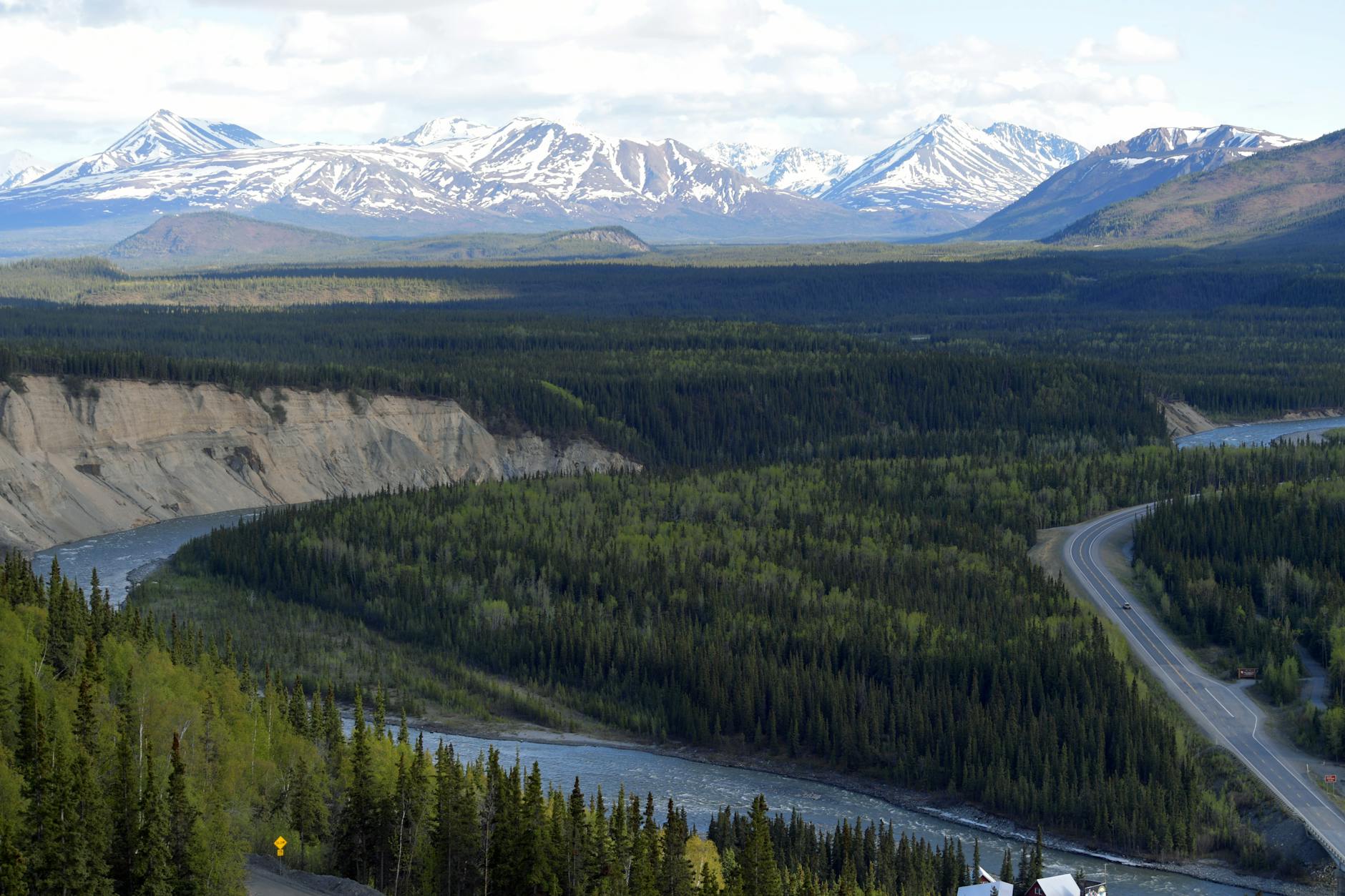
The Interior is a land of vast, sweeping horizons dominated by the presence of Denali. This region experiences Alaska's most extreme weather, with hot summers and sub-zero winters. Fairbanks, the region's hub, retains a gritty, pioneering spirit and serves as the jumping-off point for expeditions into the Arctic. The landscape here is characterized by endless spruce forests, braided rivers, and open tundra that blazes with color during the short autumn.

Food & Drink Scene

What to Eat in Alaska

Copper River King Salmon

Renowned worldwide for its exceptionally rich, buttery flavor, Copper River salmon must battle incredibly swift, cold glacial currents, resulting in fish with high concentrations of healthy omega-3 oils. Simply grilled over alder wood, it is a culinary masterpiece of the Pacific Northwest.

🍴 Top spot: Glacier Brewhouse, Anchorage

Wild Alaskan King Crab

Pulled from the icy depths of the Bering Sea, these colossal crab legs are prized for their sweet, succulent meat. Typically served steamed with drawn hot butter, eating king crab is a hands-on, celebratory experience that embodies the bounty of Alaska's wild seas.

🍴 Top spot: Tracy's King Crab Shack, Juneau

Reindeer Sausage & Sourdough Pancakes

A classic frontier breakfast that pays homage to Alaska's homesteading roots. Reindeer sausage is savory, slightly gamey, and heavily spiced, pairing perfectly with light, tangy pancakes made from sourdough starters that have often been kept alive for decades.

🍴 Top spot: Snow City Cafe, Anchorage
Excursions

Best Day Trips from Alaska

Girdwood & Portage Valley

1 hour from Anchorage

Drive south from Anchorage along the stunning Turnagain Arm, where dramatic cliffs meet tidal mudflats. In Girdwood, ride the Alyeska Tramway to the top of Mount Alyeska for panoramic views of seven hanging glaciers, then explore the nearby Portage Valley to hike the Byron Glacier Trail and see icebergs floating in Portage Lake.

Talkeetna Frontier Village

2 hours from Anchorage

Travel north to this quirky, historic gold-mining town that serves as the basecamp for Denali climbers. Wander past colorful log cabins, visit local artisan shops, enjoy a giant spruce-tip beer at the West Rib Pub, and take in stunning views of the Alaska Range from the gravel banks of the Susitna River.

When to Go

Best Time to Visit & Seasonality

Editor’s Pick: The prime time to visit Alaska is from mid-June to mid-August, when the state enjoys the 'Midnight Sun' with up to 20 hours of daylight, warm temperatures ranging from 60°F to 75°F, and fully open seasonal infrastructure. During this peak window, hiking trails are clear of snow, wildlife is highly active, and tour operators are running at full capacity. However, the shoulder months of May and September offer unique advantages: May is historically the driest month with fewer crowds, while September brings breathtaking autumn foliage across the tundra and the first vibrant appearances of the Northern Lights against darkening night skies.

Spring Overview

(April - May)
Quiet / Low Season
Average Temperature & Climate35°F - 55°F (2°C - 13°C)

Crisp, transitional, and increasingly sunny. Snow begins to melt rapidly in a period locals call 'breakup,' revealing muddy ground before lush green vegetation takes over.

Crowd & Travel ConditionsLow Tourist Traffic

Fewer lines and better deals.

✨ Seasonal Highlights:Witnessing the awakening of wildlife, gray whale migrations along the coast, dry weather in late May, and snow-capped peaks at their most dramatic.
Travel Smarter

Practical Travel Essentials

CurrencyUSD ($)
LanguageEnglish
Time ZoneAlaska Standard Time (AKST / AKDT)

Visa & Entry

Alaska is a US state; international visitors must comply with standard US entry requirements, including obtaining a valid visa or an approved Electronic System for Travel Authorization (ESTA) prior to arrival.

Getting Around & Transit

A rental car is highly recommended for exploring Southcentral and Interior Alaska, though reservations must be made months in advance. For Southeast Alaska (the Inside Passage), the Alaska Marine Highway ferry system or regional bush flights are the primary modes of transport.

Daily Budget Expectation

$250 - $500 per day (highly dependent on activities like flightseeing, guided glacier tours, and remote lodge stays, which significantly increase costs).

Safety & Health

Generally very safe regarding crime, but environmental hazards are extreme. Always carry bear spray, know how to use it, keep a safe distance from wildlife (especially moose and grizzly bears), and carry warm layers and emergency gear even on short summer hikes.

Local Etiquette & Customs

Alaskans are incredibly friendly, informal, and down-to-earth. Respect Indigenous lands, ask before taking photos of locals, and practice strict 'Leave No Trace' principles when exploring the wilderness to protect the fragile ecosystems.

Questions & Answers

Frequently Asked Questions about Alaska

The 'Aurora Season' runs from August 21 to April 21, when the night skies are sufficiently dark. The best viewing is typically in the Interior region around Fairbanks, on clear, cold nights between 10:00 PM and 3:00 AM.