About Berlin
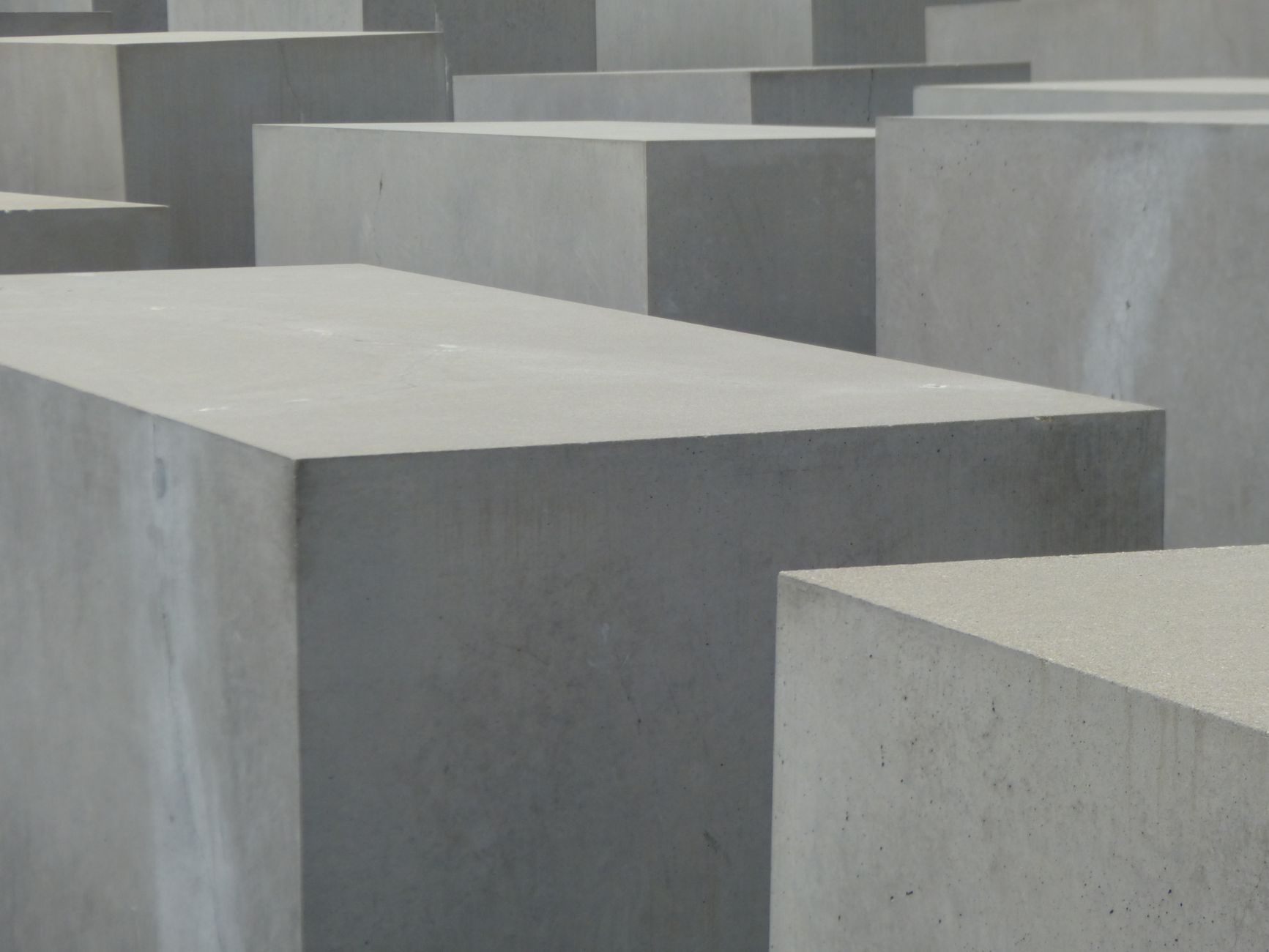
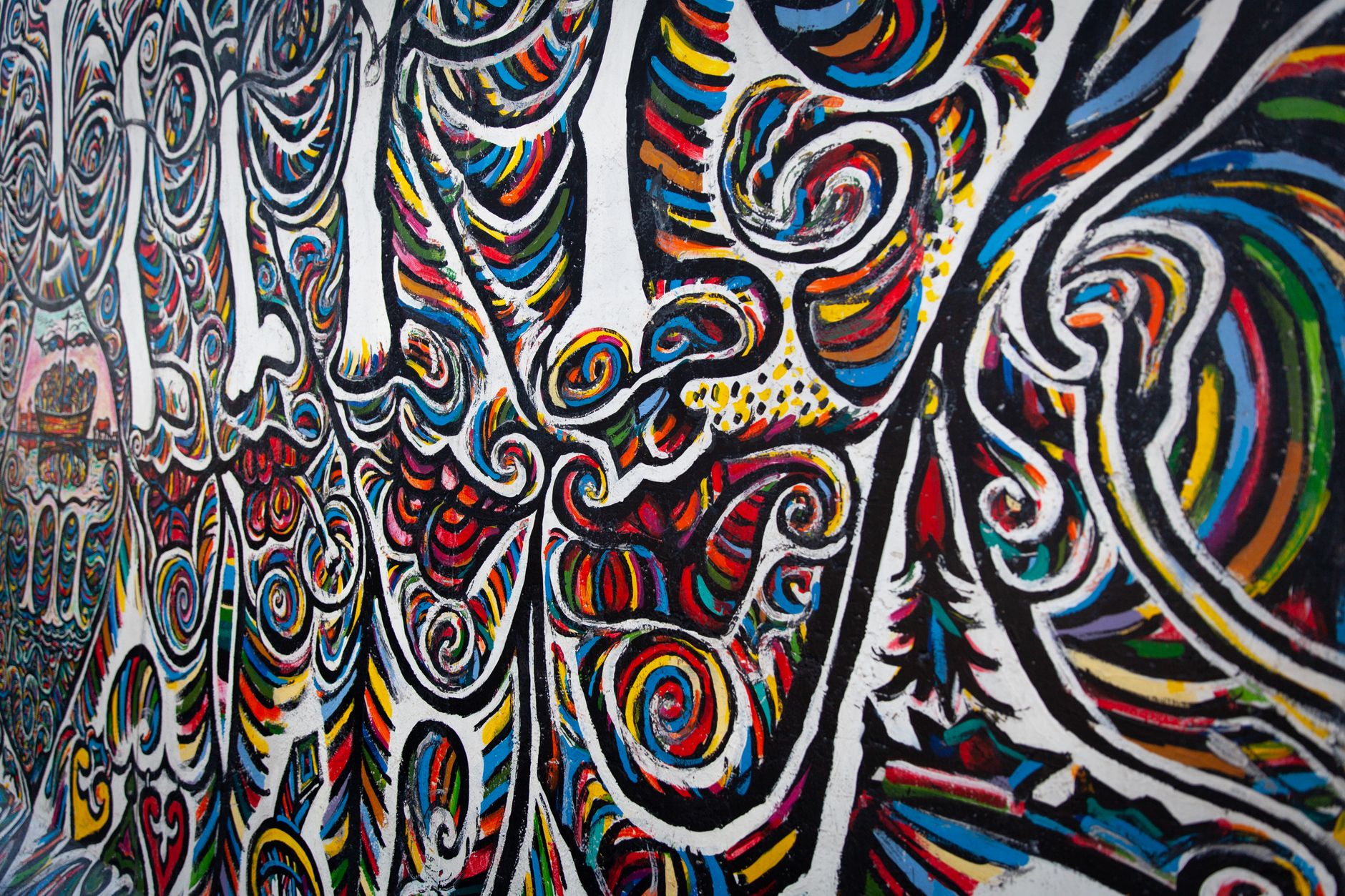
Berlin is a city carved by the tectonic shifts of the 20th century, rising from the rubble of World War II and the deep psychological wounds of the Cold War to become Europe’s capital of reinvention. Its geography is vast and sprawling, woven together by the murky, industrial currents of the River Spree and a grid of expansive boulevards, concrete brutalism, and leafy residential enclaves. Where the Wall once tore families apart, today open parks, ambitious memorials, and defiant murals paint a canvas of hard-won freedom and continuous transformation.
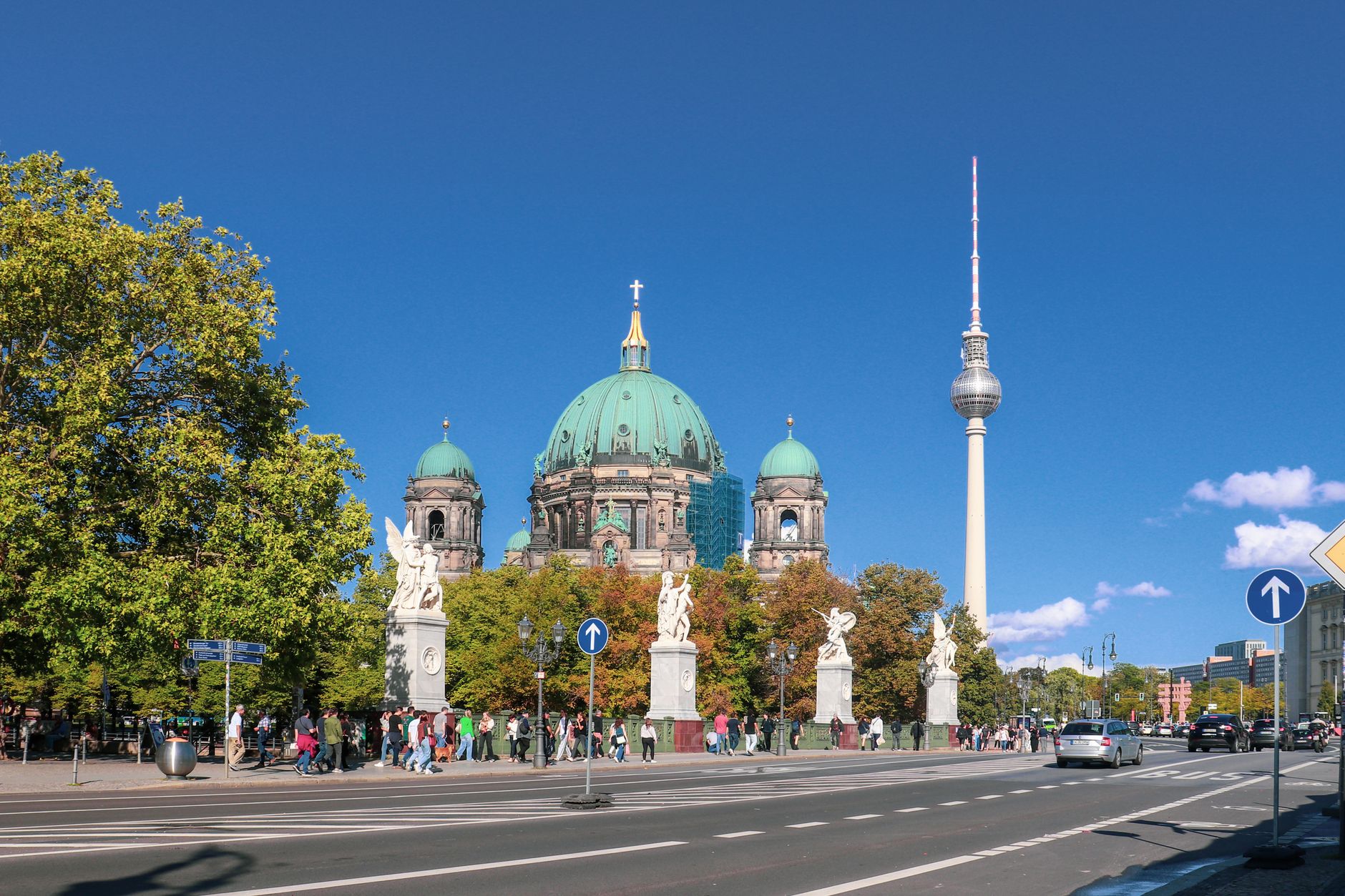
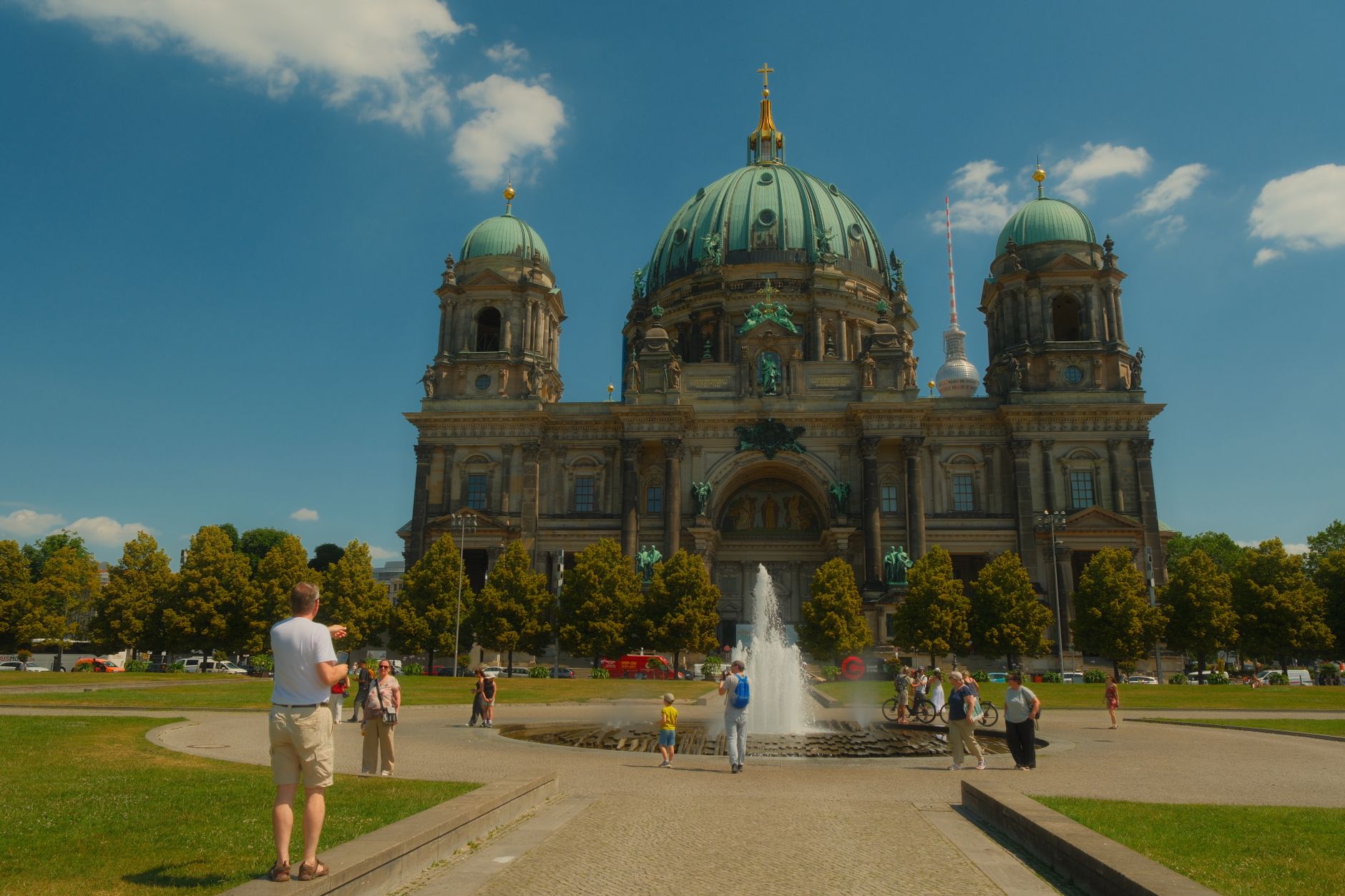
The cultural fabric of Berlin is relentlessly experimental, drawing artists, musicians, tech visionaries, and refugees from every corner of the globe. From the grand, neoclassical architecture of Museum Island and the stately Brandenburger Tor to the graffiti-splattered squats of Friedrichshain and the neon-lit concrete of underground techno bunkers, the city refuses to conform to traditional European expectations of pristine antiquity. Instead, its charm lies in its unfinished, rugged texture—a deliberate rejection of bourgeois pretension in favor of raw authenticity.
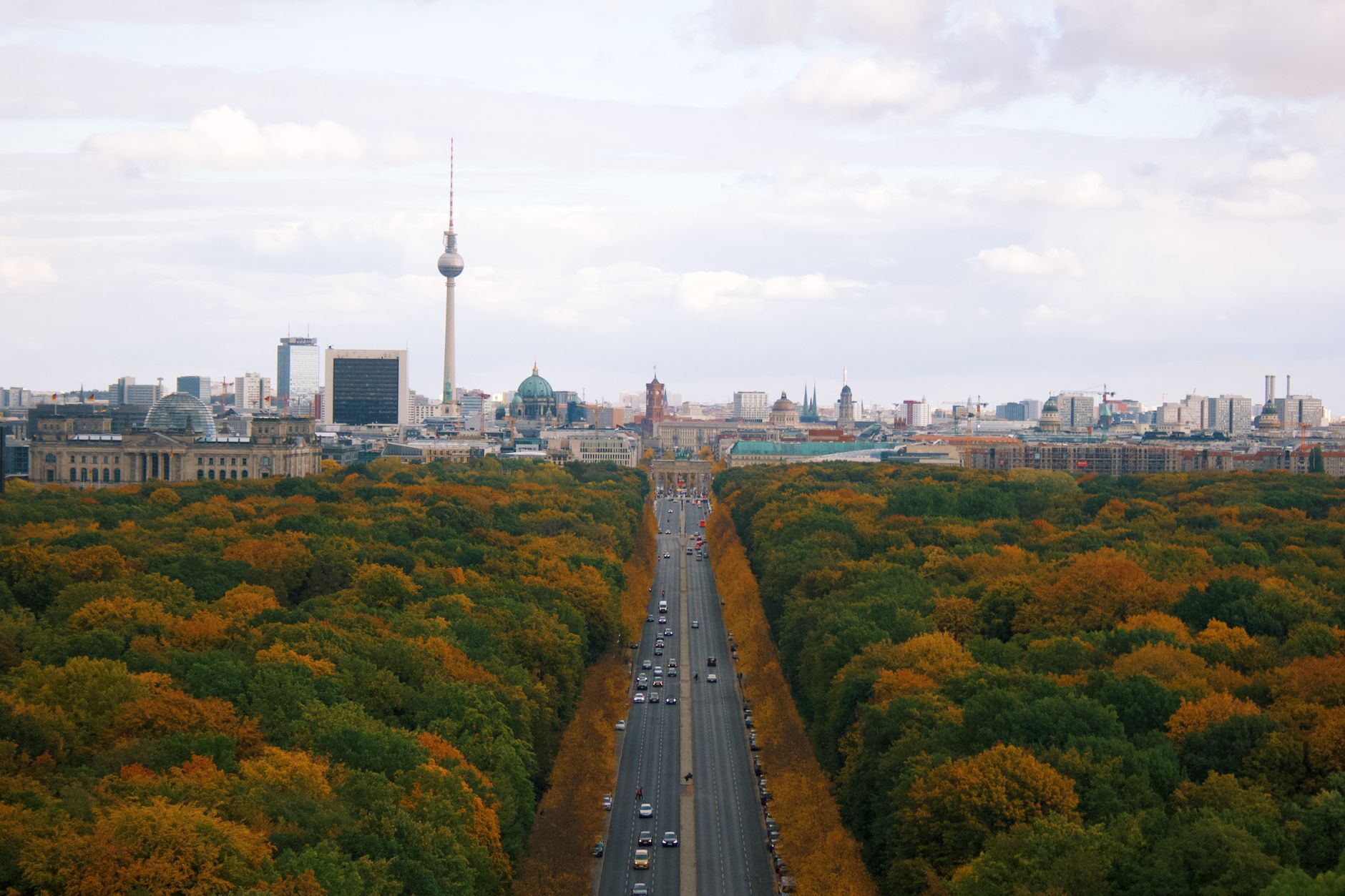
Local life revolves around the outdoors during the warm months, with Berliners spilling into sprawling green lungs like the Tiergarten, grilling along the banks of the Landwehr Canal, or lingering in smoky beer gardens for hours on end. Coffee culture is serious, bicycle traffic is relentless, and the social philosophy leans heavily toward tolerance, individuality, and night-long revelry. Whether you are browsing Turkish markets in Kreuzberg, tracing the fading scars of the Iron Curtain, or dining in Michelin-starred establishments hidden inside abandoned factories, Berlin offers a profound, immersive lesson in survival and cultural rebirth.
Beneath its industrial surface, Berlin is a city of distinct neighborhoods, each operating with its own rhythm, dialect, and political micro-climate. East meets West not as a unified homogeneity, but as a fascinating dialogue between capitalist excess and socialist legacy. The culinary scene has evolved from humble currywurst stands to a powerhouse of global gastronomy, while its fashion, design, and independent publishing ecosystems position the city at the avant-garde of contemporary European thought. Berlin is not merely a destination to be visited; it is an attitude to be experienced.
Visual Impressions & Moments