About Gyeongju
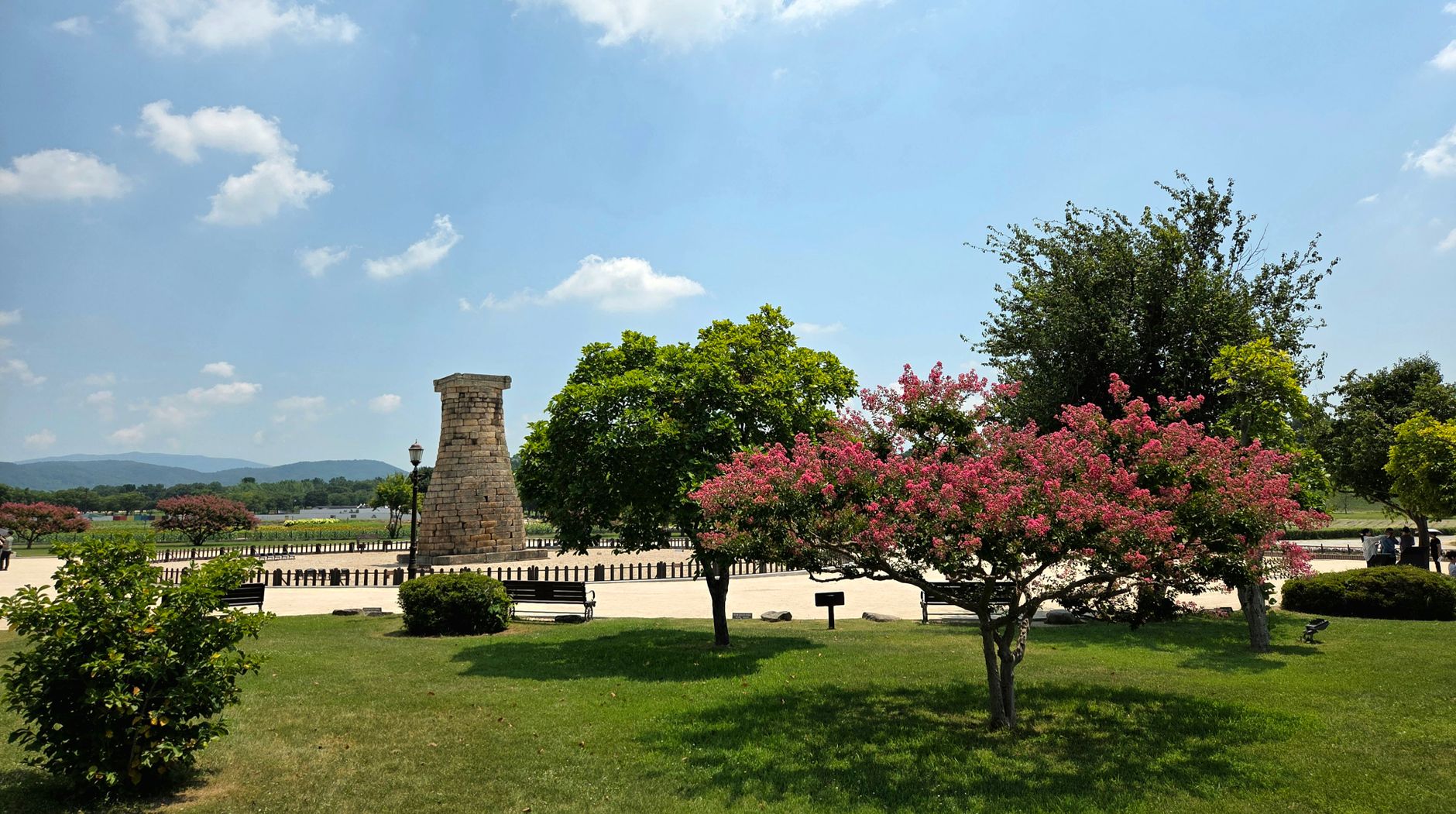
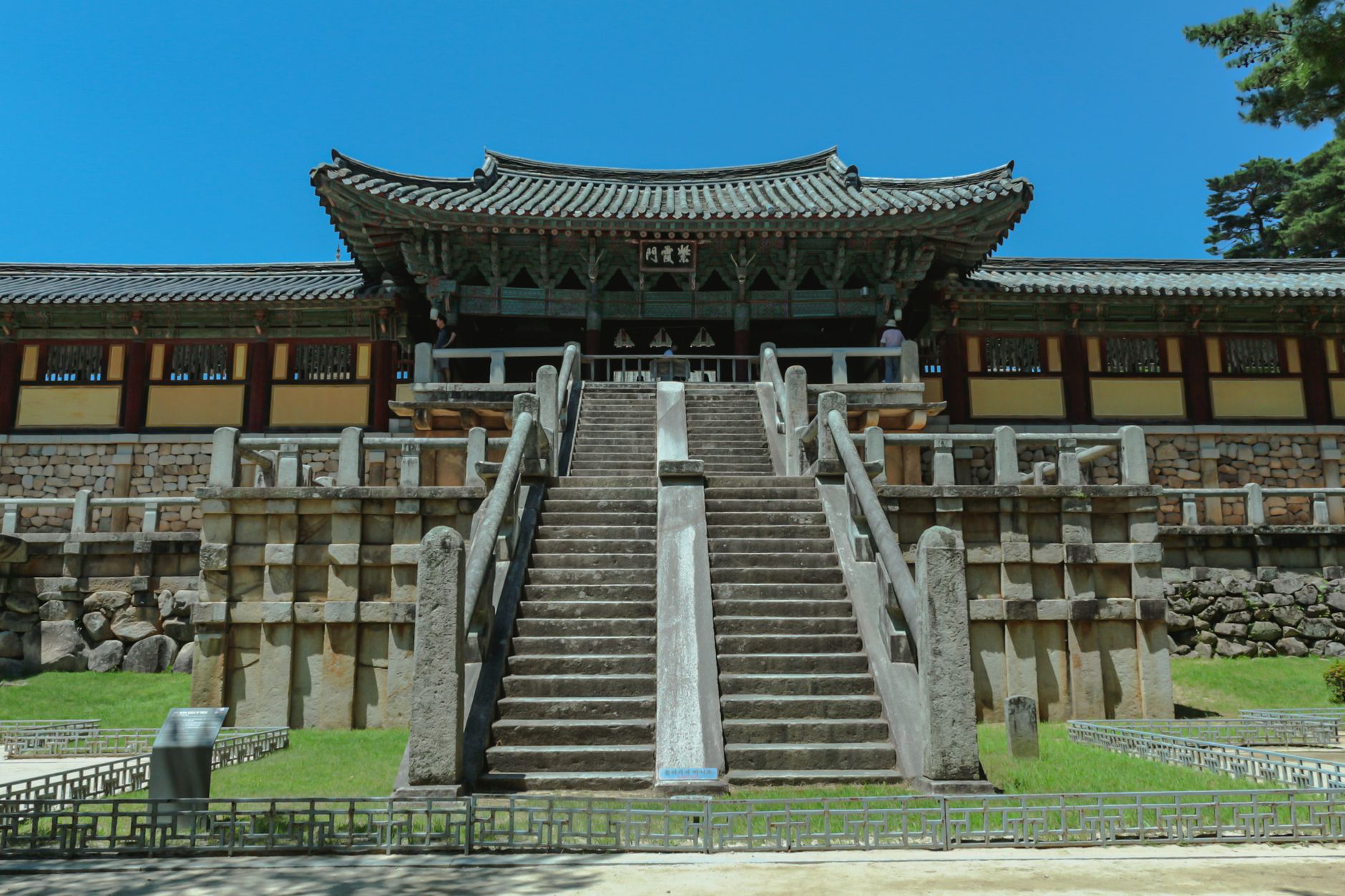
Often referred to as a museum without walls, Gyeongju is an extraordinary repository of East Asian history, serving as the capital of the Silla Kingdom for nearly a thousand years from 57 BC to 935 AD. Stepping into this southeastern South Korean city feels like slipping backward through time, where soaring grassy royal tumuli rise like green rolling hills straight out of the urban landscape, framing every street corner with silent majesty. The atmosphere is unhurried and deeply contemplative, distinct from the neon-drenched frantic energy of Seoul or the bustling maritime trade vibe of Busan.
Geographically nestled in a basin surrounded by gentle, pine-forested mountains, Gyeongju’s layout reflects ancient cosmological ideals and Feng Shui principles. The city is defined by vast heritage zones, placid lotus ponds, and hidden valleys where stone Buddhas have gazed out over emerald rice paddies for over a millennium. Life here moves to the rhythm of gentle bicycle bells, the rustling of ancient cherry tree leaves, and the seasonal blooming of lotus flowers that blanket Donggung Palace and Wolji Pond in velvety pinks during the humid height of summer.
Culturally, Gyeongju preserves the refined, Buddhist-infused artistry of the Silla golden age. Artisans, traditional tea masters, and local bakers keep ancient legacies alive, from crafting delicate Hwangnam bread filled with sweet red bean paste to reproducing world-class gilt-bronze crowns and celadon pottery. The local lifestyle blends deep-rooted reverence for heritage with a warm, provincial hospitality that welcomes weary travelers into low-slung tile-roofed hanok guesthouses and family-run eateries serving centuries-old recipes.
Whether you are watching the sunset paint the sky behind the wooden pavilions of Woljeonggyo Bridge or tracking down remote mountain hermitages along moss-draped forest trails, Gyeongju demands slow travel. It is a destination that rewards curiosity, inviting visitors to look past the modern concrete facades to discover the subtle, enduring echoes of an empire that once ruled the Korean peninsula with unmatched artistic and spiritual brilliance.
Visual Impressions & Moments