🌟 Best in Travel 2026 is here!
Venice
cityEurope
4.92 / 5.0

Venice

A drifting labyrinth of marble palaces, silent canals, and timeless romantic decay.

Editorial Guide

About Venice

Venice is not merely a city; it is an improbable maritime masterpiece born from the muddy shoals of a northern Italian lagoon. Built across more than one hundred small islands linked by hundreds of arched bridges and woven together by liquid thoroughfares, Venice defies the conventional laws of urban geography. Founded in the 5th century by refugees fleeing Germanic and Hunnic invasions, the settlement grew from a collection of marshland fishing huts into the 'Serene Republic'—a formidable naval and mercantile empire that bridged East and West, controlling trade routes across the Mediterranean for centuries.

Culturally and historically, Venice remains singular. Its architectural profile is a breathtaking collision of Byzantine opulence, Venetian Gothic intricacy, and Renaissance grandeur. Palaces with marble filigree facades and pointed arches lean gracefully over green canals, their foundations whispering tales of doges, explorers like Marco Polo, and artists like Titian and Tintoretto. The atmosphere shifts dramatically depending on the hour and the district: by day, the monumental heart of Piazza San Marco hums with the footsteps of global travelers; by night, the crowds retreat, leaving the labyrinthine alleys to the sound of lapping water and distant echoes against stone walls.

Geography dictates every aspect of local life in Venice. There are no cars, bicycles, or buses; transportation is exclusively pedestrian or aquatic, relying on vaporettos (water buses), traghetti (public gondola ferries), and private water taxis navigating the grand liquid highways and narrow, winding canals. This unique condition creates an intimate community atmosphere within its six historical sestieri (districts).

Despite the pressures of mass tourism and rising sea levels, contemporary Venetian life thrives quietly away from the tourist thoroughfares. Neighborhood bakeries scent the morning air with fresh pastries, laundry flutters between residential balconies, and elderly locals gather in hidden courtyards or humble bacari (wine bars) to converse over tiny glasses of wine and bite-sized cicchetti. To truly experience Venice is to surrender your map, cross the threshold of anonymity into its quieter quarters, and allow the city's ancient rhythms to guide your steps.

Visual Impressions & Moments
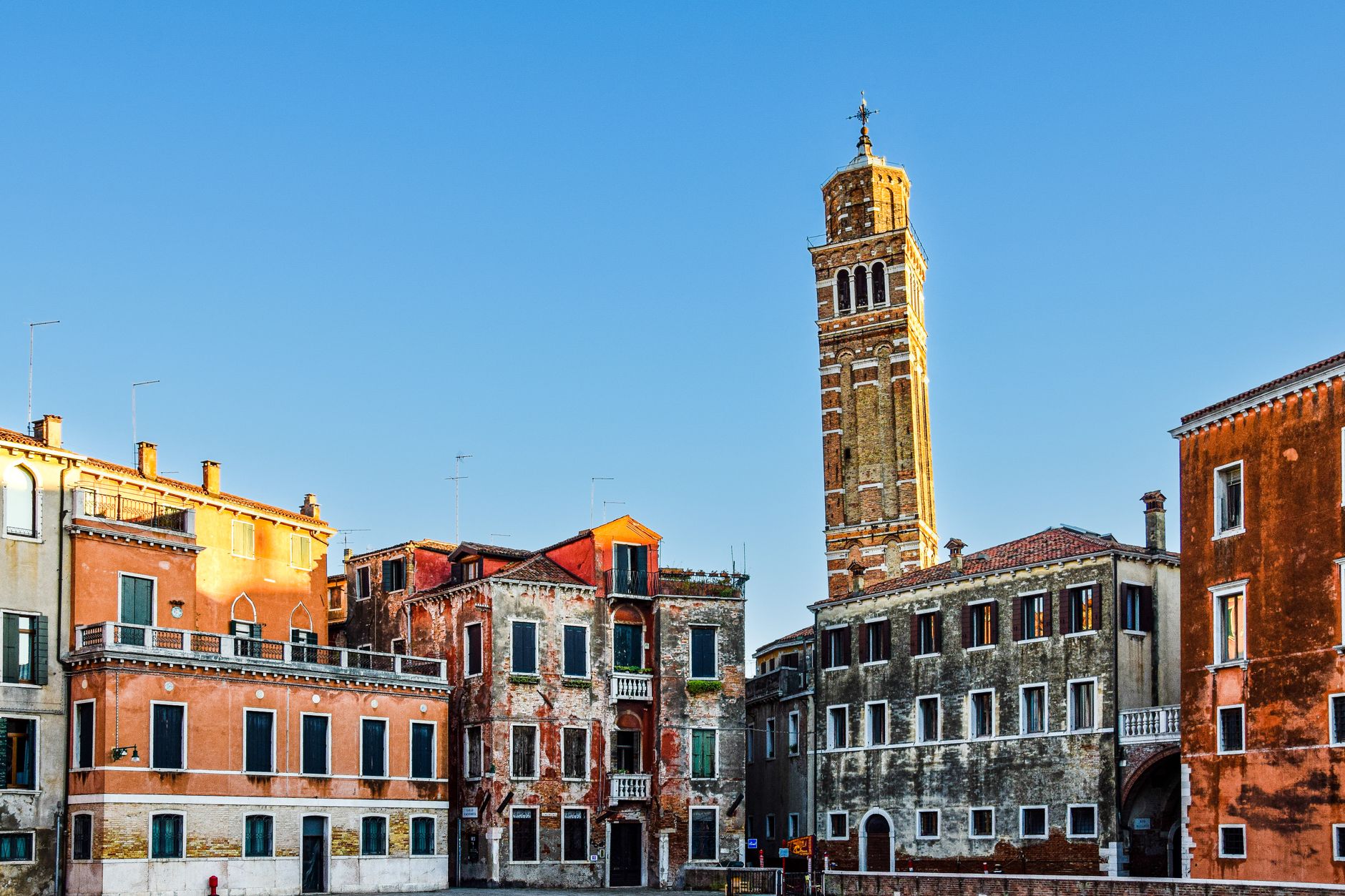
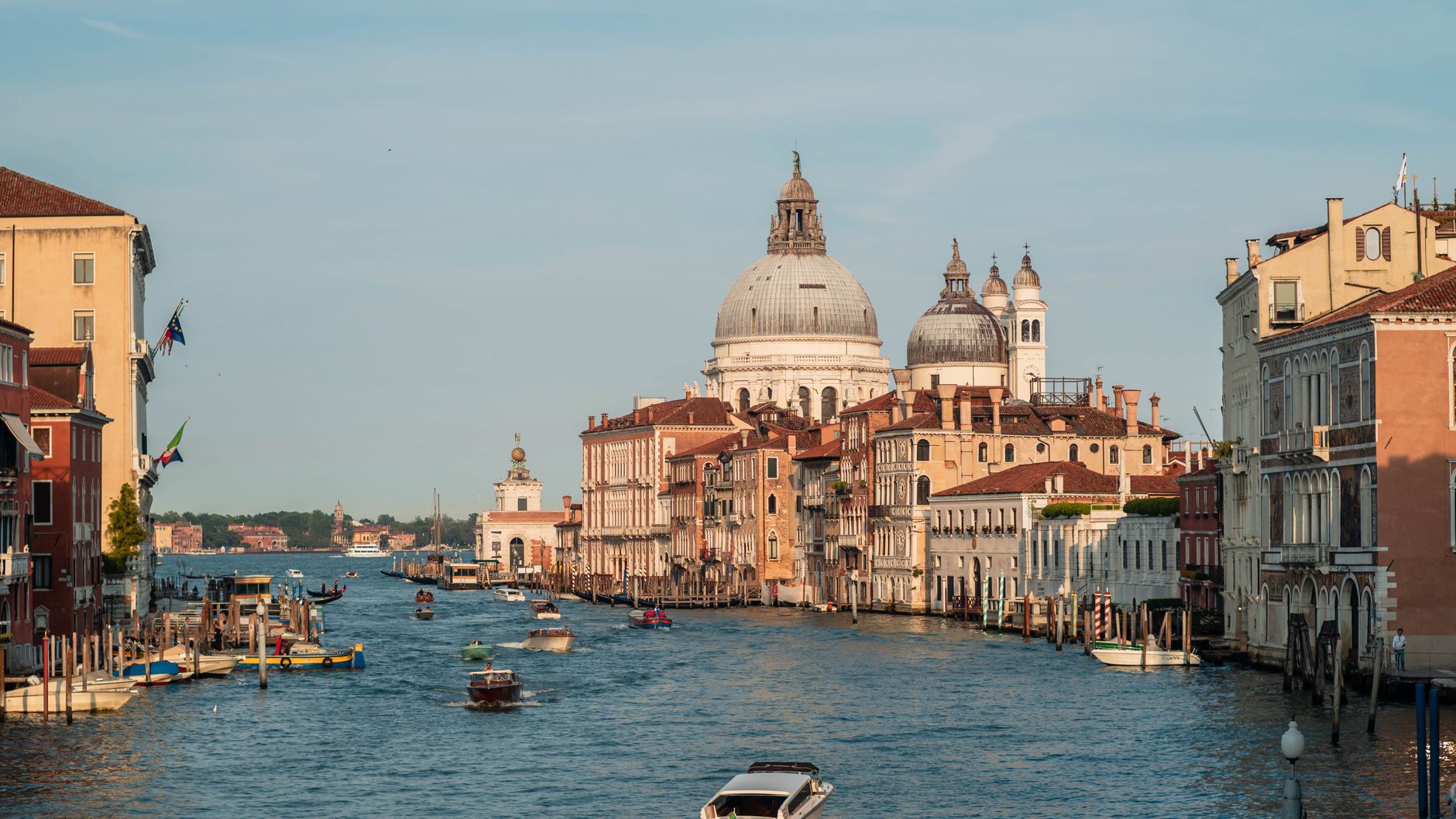
Venice photo 1
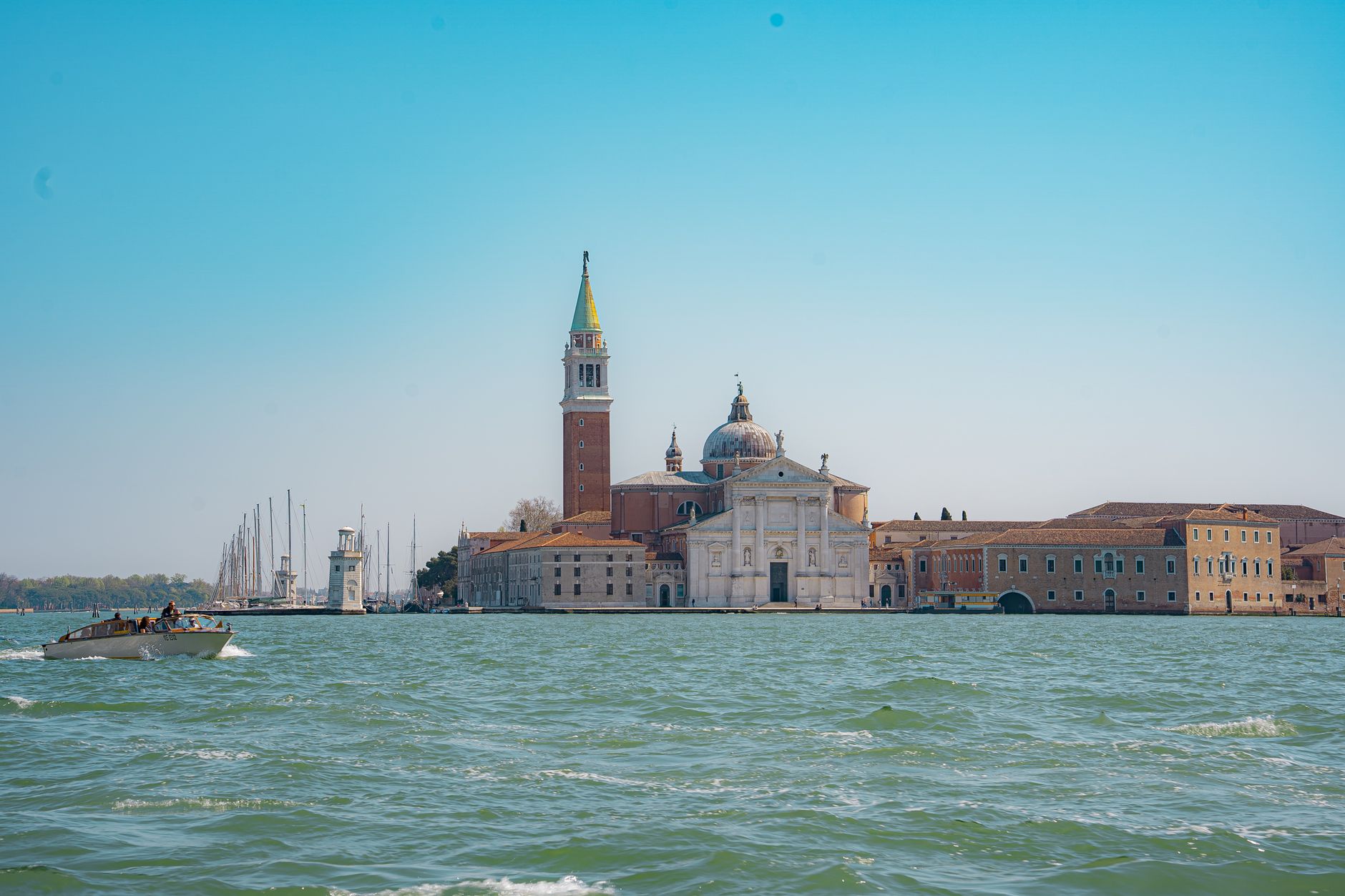
Venice photo 2
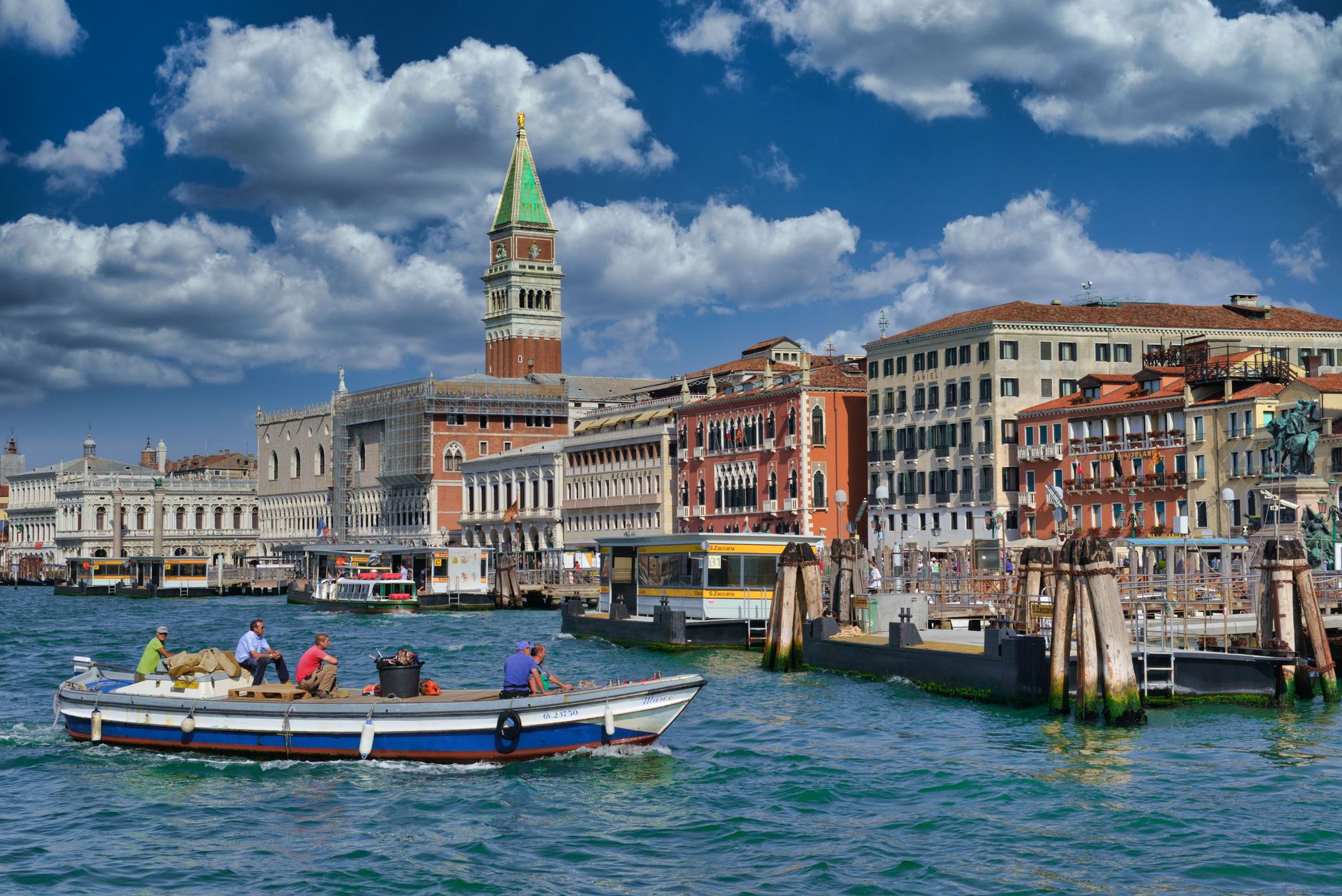
Venice photo 3
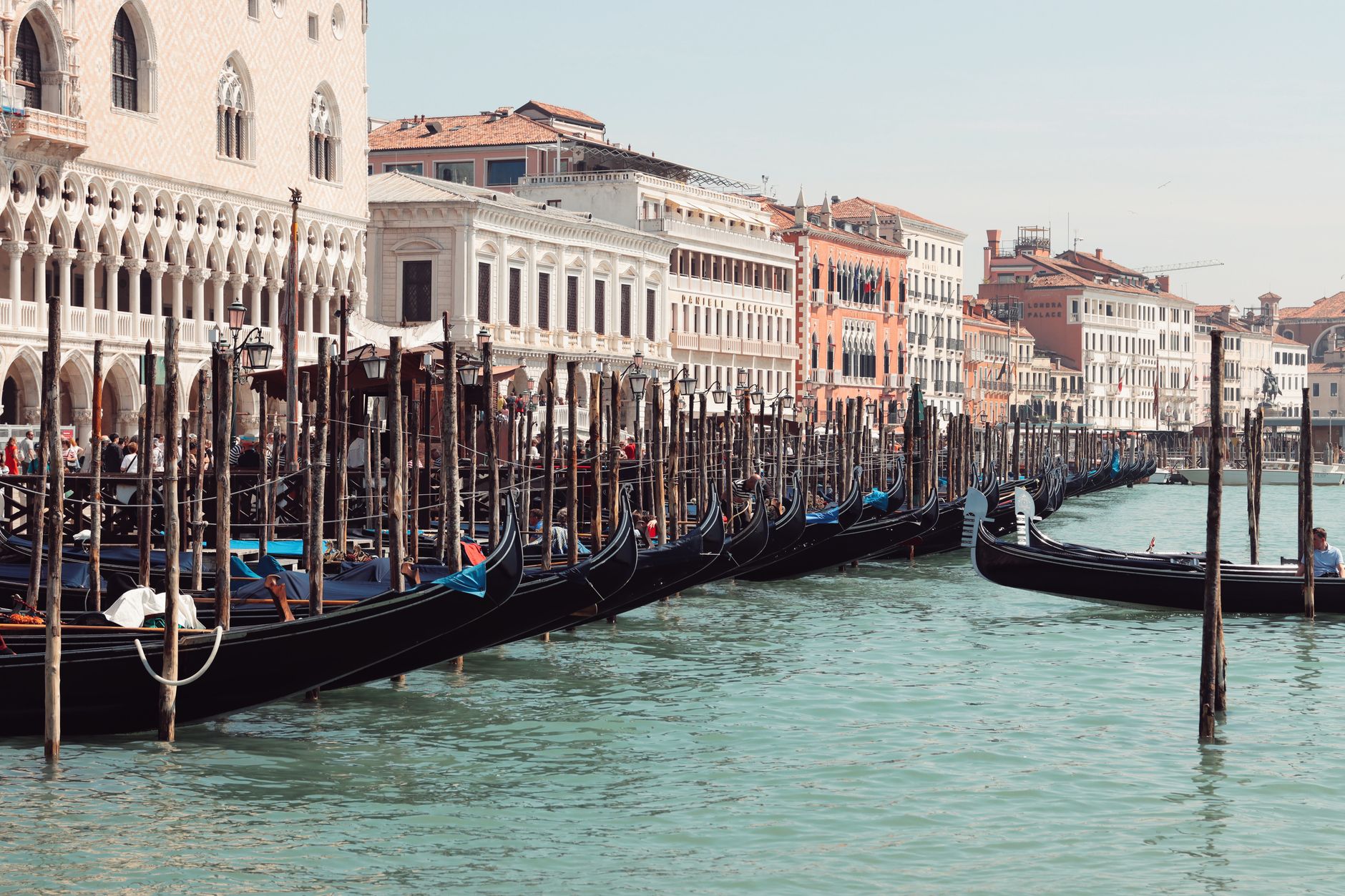
Venice photo 4
Venice photo 5
Venice photo 6
Unmissable Moments

Top Things to Do in Venice

Must-Do

Lose Yourself in the Labyrinthine Alleys of Dorsoduro at Sunset

Step away from the tourist crush and wander the quiet, bohemian alleyways of the Dorsoduro district as the late afternoon sun casts a golden glow over the weathered brick facades. Cross the picturesque Ponte dell'Accademia and finish your walk along the Zattere waterfront, watching the cargo ships and sailing vessels drift across the Giudecca Canal. Insider tip: Stop at a neighborhood bacaro in Campo Santa Margherita for a glass of local Prosecco and fresh baccalà mantecato.

Scenic

Navigate the Grand Canal by Vaporetto #1 at Midnight

Skip the expensive private gondola tours and board the public Vaporetto Line 1 late at night when the grand palazzos are illuminated in amber light and the canal waters grow completely still. Sit at the very front open-air bow for an unobstructed, cinematic journey under the Rialto Bridge and past centuries of architectural glory. Insider tip: Board at the Piazzale Roma station just before midnight to secure the front seats for the entire run to San Marco.

Culture

Explore the Venetian Lagoon and Glass-Blowing Artisans in Murano and Burano

Take a vaporetto ride across the shallow northern lagoon to the island of Murano, renowned for its centuries-old glass-blowing tradition where master artisans shape molten glass into breathtaking sculptures. Continue onward to Burano, instantly recognizable by its dazzling rainbow-colored fishermen's houses and intricate lace-making heritage. Insider tip: Visit Burano early in the morning before day-trippers arrive to photograph the vibrant alleys in tranquil isolation.

Culinary

Indulge in a Traditional Bacaro Crawl for Cicchetti and Ombre

Experience authentic Venetian social culture by embarking on a self-guided crawl of traditional wine bars (bacari), ordering 'ombre' (small glasses of house wine) paired with 'cicchetti' (bite-sized tapas featuring toppings like sardines in saor, prosciutto, and artichokes). Insider tip: Locals eat standing up at the bar counter; sitting down at a table often incurs a steep service charge (coperto).

Must-See Highlights

Top Places & Things to Do in Venice

Curated attractions and cultural landmarks with local insider advice.

Doge's Palace (Palazzo Ducale)
culture
4.85

Doge's Palace (Palazzo Ducale)

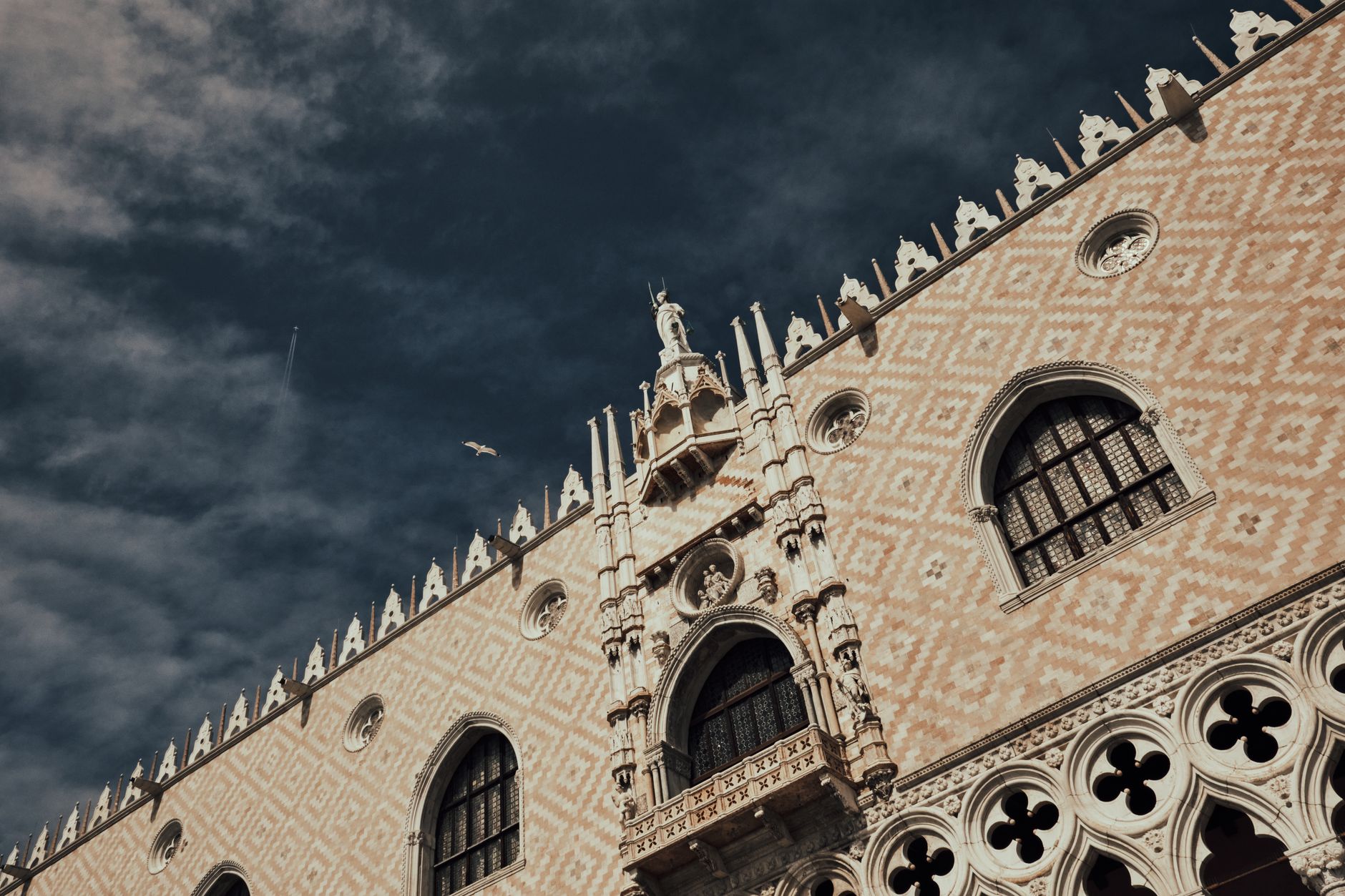
The Palazzo Ducale is a magnificent masterpiece of Venetian Gothic architecture that served for centuries as the residence of the Doge, the seat of government, and the headquarters of the Venetian republic's vast judicial and intelligence apparatus. Visitors walk through cavernous chambers adorned with monumental canvases by Tintoretto and Veronese, before crossing the enclosed limestone Bridge of Sighs to peer into the damp, gloomy prison cells. The palace complex encapsulates the absolute power, artistic brilliance, and cold political cunning of the Serene Republic. Every gilded ceiling, secret council chamber, and armory display tells the story of an empire built on maritime trade and uncompromising state security.

9:00 AM – 7:00 PM daily
Admission: €30
Insider Tip: Book the Secret Passages Tour in advance to access the hidden torture chambers, secret archives, and Casanova's legendary prison cell.
St. Mark's Basilica (Basilica di San Marco)
culture
4.88

St. Mark's Basilica (Basilica di San Marco)

St. Mark's Basilica is an awe-inspiring fusion of Byzantine, Romanesque, and Gothic design that stands as a shimmering testament to Venice's historic role as the gateway between East and West. The interior is completely lined with more than 8,000 square meters of glittering gold leaf mosaics depicting biblical narratives, illuminated by natural light filtering through ancient domes. Commissioned to house the stolen relics of Saint Mark the Evangelist, the cathedral functioned as the private chapel of the Doges rather than a typical parish church. Its exterior roofline is crowned by marble carvings, oriental domes, and the famous bronze Horses of Saint Louis brought back from Constantinople.

9:30 AM – 5:15 PM (Sundays from 2:00 PM)
Admission: €6 - €15
Insider Tip: Dress modestly (shoulders and knees covered) or entry will be strictly denied by security. Book fast-track timed entry tickets online.
Rialto Bridge (Ponte di Rialto)
attraction
4.75

Rialto Bridge (Ponte di Rialto)

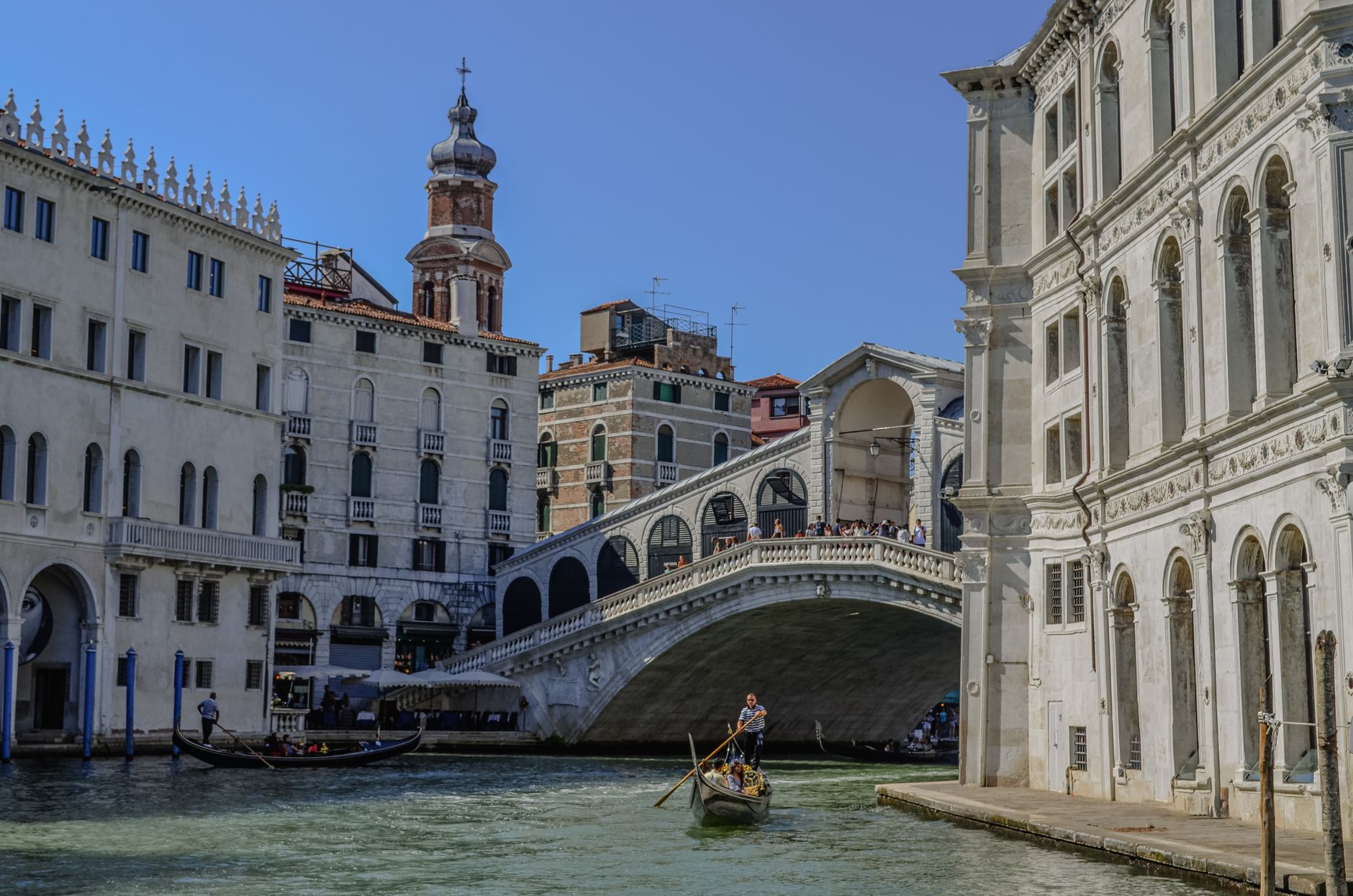
Spanning the Grand Canal at its narrowest point, the Rialto Bridge is the oldest and most famous of the four bridges crossing the main waterway. Originally a pontoon bridge in the 12th century, the current magnificent stone single-span structure was completed in 1591 by Antonio da Ponte, drawing immense crowds eager to admire its architectural audacity and the bustling market stalls lining its flanks. Surrounding the bridge are vibrant historic trading zones, including the Erberia vegetable market and the Pescheria fish market, where Venetians have bought fresh lagoon produce for over a thousand years. Standing atop the bridge provides one of the classic postcard vistas of Venetian maritime traffic.

Open 24/7
Admission: Free
Insider Tip: Visit at sunrise to experience the bridge completely empty of tourists and enjoy the bustling fish market nearby when it opens at 7:30 AM.
Peggy Guggenheim Collection
culture
4.82

Peggy Guggenheim Collection

Housed in the charming, unfinished Palazzo Venier dei Leoni on the Grand Canal, this modern art museum showcases the personal collection of the legendary American heiress and patron Peggy Guggenheim. The galleries feature masterworks of Surrealism, Cubism, and Abstract Expressionism, with pieces by Picasso, Pollock, Dali, Kandinsky, and Magritte. The museum offers an intimate, residential atmosphere where Peggy Guggenheim lived for thirty years, and her ashes rest in the peaceful sculpture garden alongside her beloved Shih Tzu dogs. It is an essential cultural stop for anyone interested in 20th-century art history.

10:00 AM – 6:00 PM (Closed Tuesdays)
Admission: €16
Insider Tip: Purchase tickets online in advance to skip ticket office lines, and enjoy a quiet moment in the sculpture garden overlooking the Grand Canal.
Area Guide

Where to Stay & Best Neighborhoods

San Marco

Best for: First-time visitors, iconic architecture, luxury shopping, and grand museums.

Vibe: Monumental, bustling, opulent, and historical heart of the empire.

San Marco is the majestic epicenter of Venice, dominated by the breathtaking Piazza San Marco, the ornate Basilica, and the majestic Doge's Palace. While it is undeniably the most heavily visited district, its monumental scale and architectural grandeur are awe-inspiring. By stepping just two blocks away from the main square, you will find yourself in surprisingly quiet residential alleys and hidden courtyards.

Dorsoduro

Best for: Art lovers, university atmosphere, vibrant nightlife, and quieter waterfront promenades.

Vibe: Bohemian, artistic, scholarly, and relaxed student quarter.

Stretching along the southern side of the city, Dorsoduro is Venice's cultural sanctuary, home to world-class art collections including the Gallerie dell'Accademia and the Peggy Guggenheim Collection. It possesses a distinctly relaxed, neighborhood feel, featuring wide sunny promenades like the Zattere, charming squares like Campo Santa Margherita, and incredible artisan workshops.

Cannaregio

Best for: Foodies, history enthusiasts, the historic Jewish Ghetto, and local community life.

Vibe: Authentic, residential, historical, and deeply atmospheric.

Cannaregio is where real Venetians live, shop, and socialize. Spanning from the Santa Lucia railway station eastward toward the lagoon, it houses the historic Jewish Ghetto—the oldest in the world—along with the lively Fondamenta Misericordia, lined with fantastic local eateries and wine bars. It offers a slower, more grounded glimpse into everyday Venetian existence.

Food & Drink Scene

What to Eat in Venice

Sarde in Saor

A historic Venetian specialty of sweet-and-sour sardines marinated with caramelized onions, pine nuts, and golden raisins in vinegar. Developed by sailors for long sea voyages, the dish balances sharp acidity with rich, savory depth.

🍴 Top spot: All'Arco (San Polo)

Bigoli in Salsa

Thick, extruded whole-wheat spaghetti-like pasta tossed in a traditional sauce made from slowly melted salted anchovies and sweet white onions. It is a deeply comforting, ancient staple of Venetian lagoon cuisine.

🍴 Top spot: Osteria al Portego (Castello)

Fegato alla Veneziana

Thinly sliced calf's liver sautéed gently with massive quantities of melting white onions until tender and sweet, sometimes balanced with a splash of white wine or vinegar. A masterpiece of traditional comfort food.

🍴 Top spot: Trattoria da Bostian (Cannaregio)
Excursions

Best Day Trips from Venice

Padua's Fresco Masterpieces and Historic University

30 mins by regional train from Venezia Santa Lucia

Journey inland to Padua, one of Italy's oldest and most intellectually vibrant cities. Admire Giotto's revolutionary frescoes inside the Scrovegni Chapel, explore the magnificent Basilica of Saint Anthony, and stroll through the historic Palazzo Bo university courtyard where Galileo once lectured.

The Palladian Villas and Gardens of Treviso

30 mins by regional train from Venezia Santa Lucia

Head north into the picturesque Veneto countryside to explore Treviso, a city crisscrossed by clear canals and medieval walls, and the surrounding rural plains dotted with stunning Renaissance villas designed by architect Andrea Palladio.

When to Go

Best Time to Visit & Seasonality

Editor’s Pick: Spring (April to May) and Autumn (September to October) offer the most sublime weather conditions, with comfortable temperatures ranging from 15°C to 22°C and fewer extreme crowds than the scorching, humid summer months. Winter (November to February) brings magical, mist-shrouded atmospheres and high tides (acqua alta), but rewards visitors with near-empty streets.

Spring Overview

(April - May)
Peak Crowds
Average Temperature & Climate14°C - 22°C

Pleasantly mild, occasional crisp breezes, and blooming gardens.

Crowd & Travel ConditionsPeak Tourist Traffic

Book hotels 3-6 months ahead.

✨ Seasonal Highlights:Sensational walking weather, Easter celebrations, and the opening of art exhibitions.
Travel Smarter

Practical Travel Essentials

CurrencyEUR (€)
LanguageItalian (Venetian dialect spoken locally)
Time ZoneCentral European Time (UTC+1, CEST UTC+2 in summer)

Visa & Entry

Venice is part of Italy and the Schengen Area. Citizens of the US, Canada, Australia, and the UK do not require a visa for tourist stays up to 90 days within any 180-day period.

Getting Around & Transit

Venice is entirely pedestrianized. Walking is the best way to explore. For longer distances, use the ACTV Vaporetto (water bus). Purchase a 24, 48, or 72-hour travel card for unlimited rides. Gondolas are for leisure, not transit.

Daily Budget Expectation

€120 - €250 per day for mid-range travelers, covering a hotel, vaporetto passes, casual cicchetti lunches, and a sit-down dinner with wine.

Safety & Health

Venice is one of the safest cities in Europe with extremely low rates of violent crime. Pickpocketing in crowded areas like Piazza San Marco and the Rialto Bridge is the primary concern.

Local Etiquette & Customs

Always greet shopkeepers and hosts with 'Buongiorno' (Good morning) or 'Buonasera' (Good evening). Do not sit on bridges, monuments, or church steps to eat, and keep swimwear covered outside the beach areas.

Questions & Answers

Frequently Asked Questions about Venice

Yes, tap water in Venice is safe to drink. There are also numerous stone drinking fountains (fontanelle) scattered throughout the city providing cold, fresh water.