🌟 Best in Travel 2026 is here!
Panama
countryNorth America
4.88 / 5.0

Panama

The vibrant bridge of the Americas, where untamed rainforests meet two great oceans.

Editorial Guide

About Panama

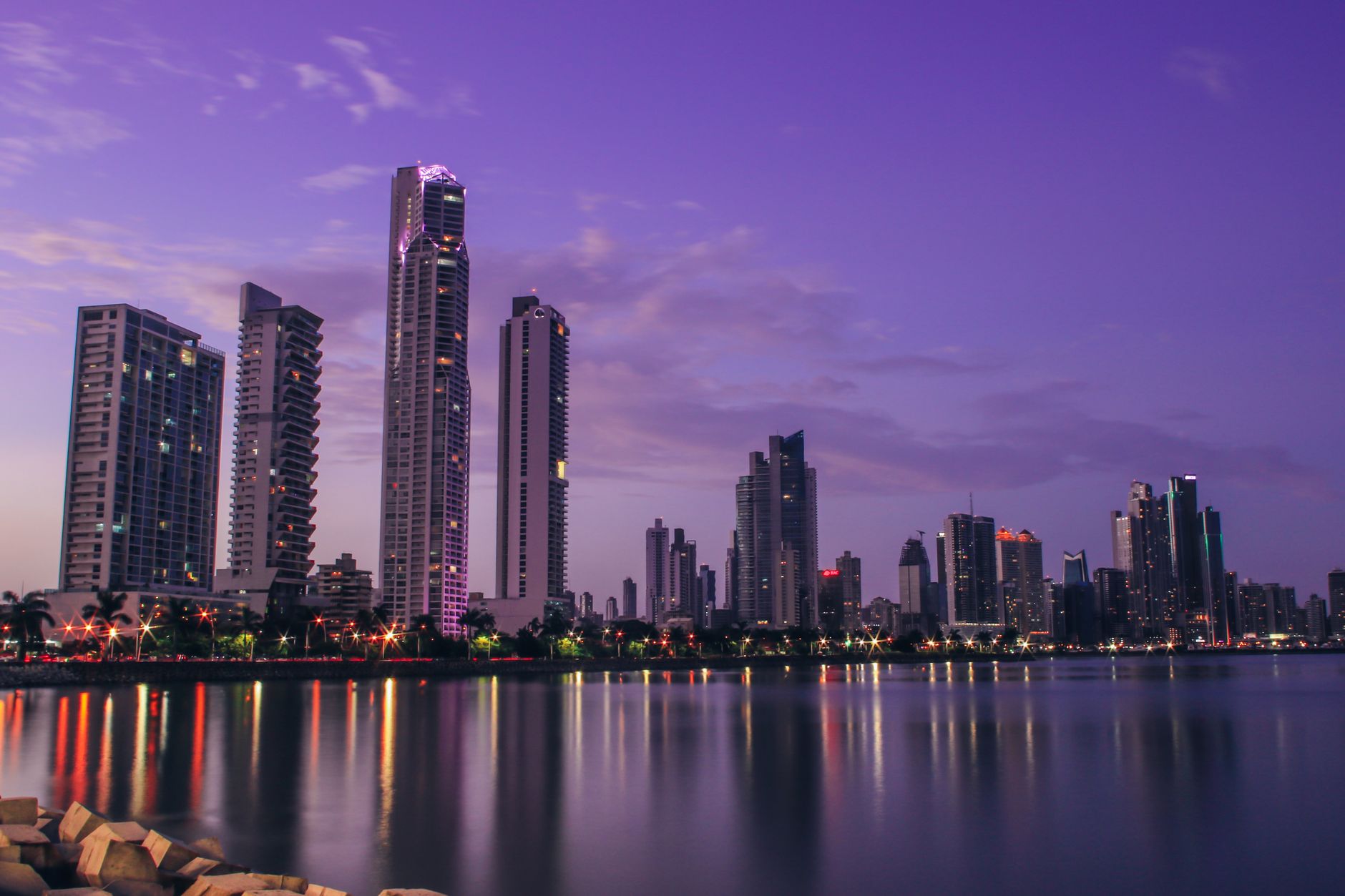
Panama is a dynamic tapestry where the echoes of pre-Columbian civilizations blend seamlessly with the ambitious strokes of modern engineering and Afro-Caribbean vibrance. Geographically functioning as the crucial land bridge connecting North and South America, it is a narrow Isthmus that separates the Atlantic and Pacific Oceans while locking them together via one of humanity's most astonishing feats, the Panama Canal. Beyond the glittering, futuristic skyscrapers of Panama City lie emerald jungles, misty cloud forests, and remote, palm-fringed archipelagos untouched by mass tourism.

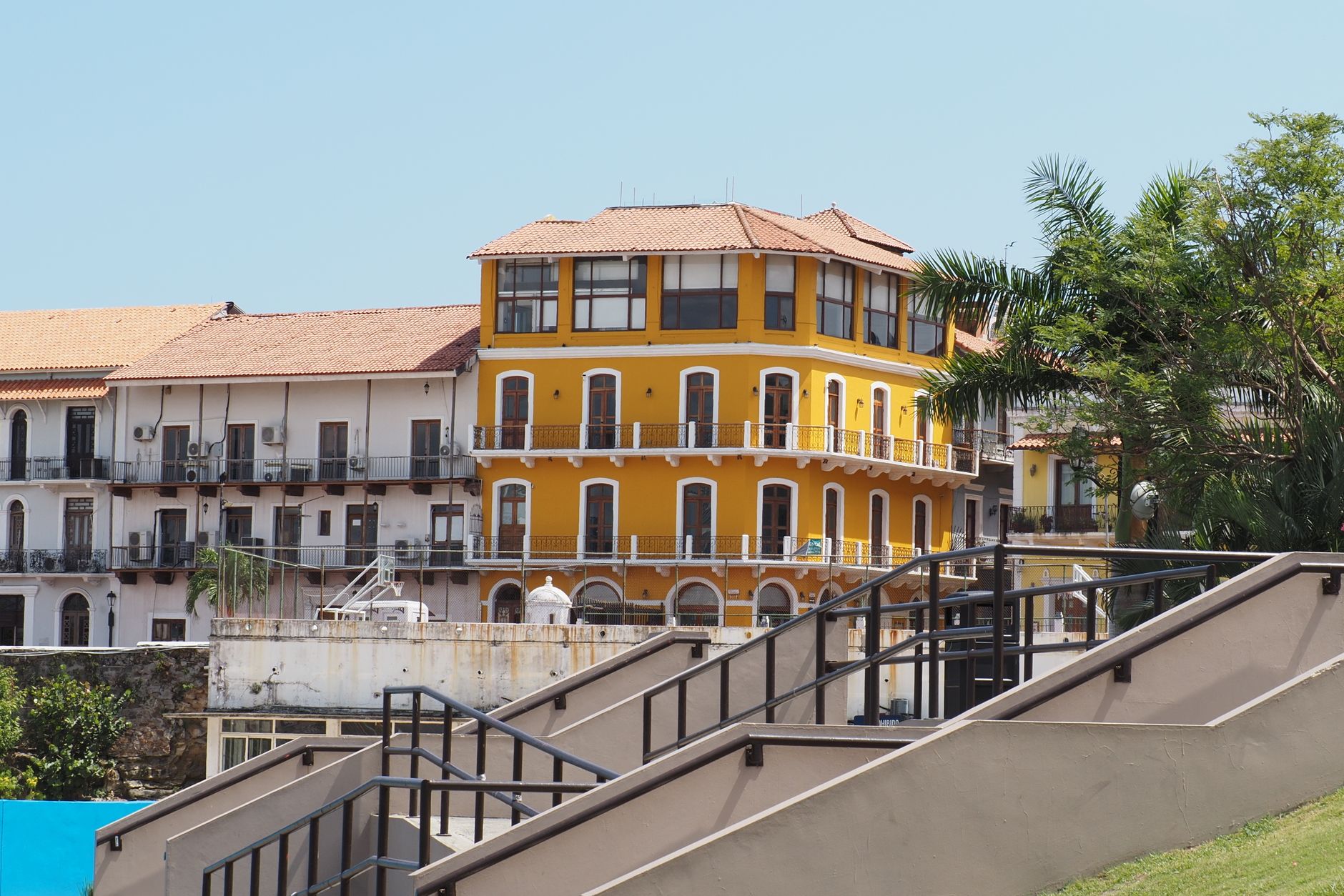
Historically, Panama has served as the crossroads of the world. From the days of the Spanish Conquistadors hauling Incan gold across the Camino Real to the 20th-century construction workers who reshaped global maritime trade, the nation has always been shaped by movement, migration, and enterprise. This multicultural legacy pulses through its streets, reflected in the lively rhythms of salsa and calypso, the distinct architectural grace of Casco Viejo's colonial balconies, and the enduring ancestral traditions of seven distinct indigenous groups, including the Guna and NgÀbe-Buglé.

Culturally, Panama is remarkably warm, proud, and unpretentious. Daily life moves to a tropical tempo, whether you are sipping freshly roasted Geisha coffee in the highland valleys of Boquete or watching traditional wooden cayucos slice through the turquoise waters of Guna Yala. The atmosphere shifts effortlessly from cosmopolitan sophistication in the capital to a profound, meditative stillness when listening to the symphony of howler monkeys and toucans echoing through the canopy of SoberanĂ­a National Park.

Geographically, the country packs astonishing biodiversity into a compact footprint. It is a biological corridor where species from both northern and southern continents mingle, making it a paradise for naturalists, birdwatchers, and marine explorers. From the whale-breached waters of Coiba National Park to the windswept pĂĄramo of VolcĂĄn BarĂș, Panama offers an intoxicating duality: the pulse of global connectivity and the absolute peace of untamed wilderness.

Visual Impressions & Moments
Panama photo 1
Panama photo 2
Panama photo 3
Panama photo 4
Panama photo 5
Panama photo 6
Unmissable Moments

Top Things to Do in Panama

Must-Do

Transit the Panama Canal via Partial Ship Cruise

Witness the sheer scale of human engineering by riding a passenger vessel through the Pedro Miguel and Miraflores Locks. You will feel the massive surges of water lift your ship from the Pacific Ocean to Gatun Lake, accompanied by expert historians explaining the canal's geopolitical and logistical marvel. Book weeks in advance and secure a spot on the upper deck for unobstructed photography.

Adventure

Sail and Snorkel the Remote San Blas (Guna Yala) Archipelago

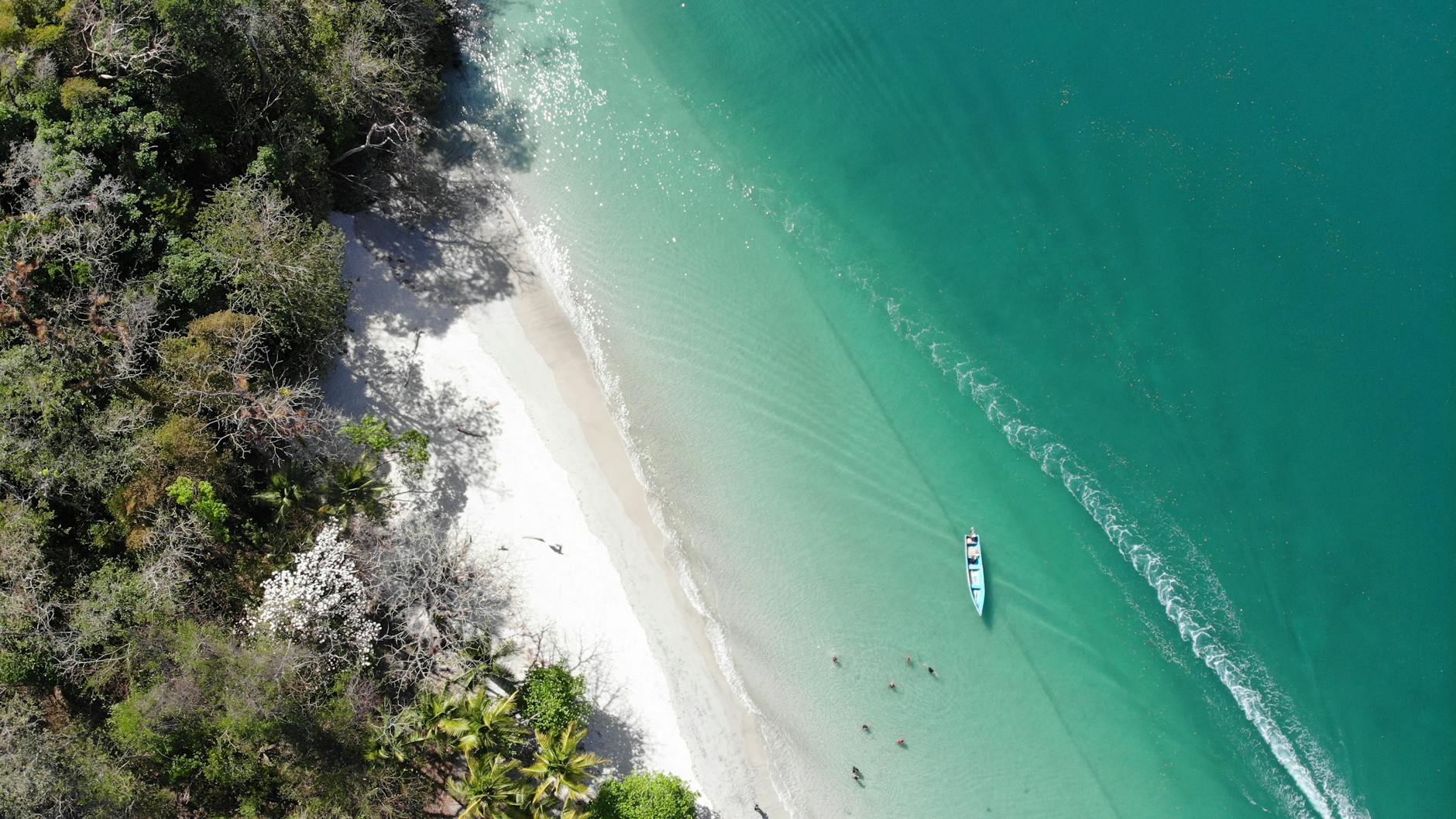
Board a traditional wooden sailboat to navigate a labyrinth of over 360 palm-crowned coral islands governed autonomously by the indigenous Guna people. Spend your days snorkeling crystalline shallows, walking pristine white-sand bars, and learning about molas—intricate, reverse-appliquĂ© textiles crafted by Guna women. Respect local customs and bring cash, as there are no ATMs.

Scenic

Track Wildlife and Canopy Trails in SoberanĂ­a National Park

Walk the legendary Pipeline Road, widely celebrated as one of the world's premier birdwatching routes, where spotting hundreds of bird species in a single day is entirely possible. Keep your eyes locked on the cecropia trees for sloths, coatis, and capuchin monkeys. Hire a local naturalist guide at dawn to truly unlock the secrets of the dense rainforest canopy.

Culinary

Sip Rare Geisha Coffee in the Highland Cloud Forests of Boquete

Journey into the misty, volcanic highlands of ChiriquĂ­ to tour sustainable coffee estates producing Geisha, frequently crowned the finest and most expensive coffee variety on earth. Walk through aromatic fields draped in perpetual mist, learn the meticulous artisanal roasting process, and participate in a masterclass cupping session overlooking rolling valleys.

Must-See Highlights

Top Places & Things to Do in Panama

Curated attractions and cultural landmarks with local insider advice.

Miraflores Locks (Panama Canal)
attraction
4.8

Miraflores Locks (Panama Canal)

The Miraflores Locks offer the most accessible and thrilling viewing point to observe transiting mega-ships passing between the Pacific Ocean and Gatun Lake. Multi-level visitor centers feature immersive exhibits detailing the immense human cost and technological triumph of the canal's construction. Timing your visit for the morning transit window (9:00 AM to 11:00 AM) ensures you get front-row access on the observation deck as massive container vessels and luxury cruise liners are raised or lowered 16 meters in minutes.

8:00 AM - 6:00 PM daily
Admission: $20
Insider Tip: Arrive 30 minutes before the morning locking schedule begins to secure a prime railing spot on the shaded observation terrace.
Biomuseo
culture
4.6

Biomuseo

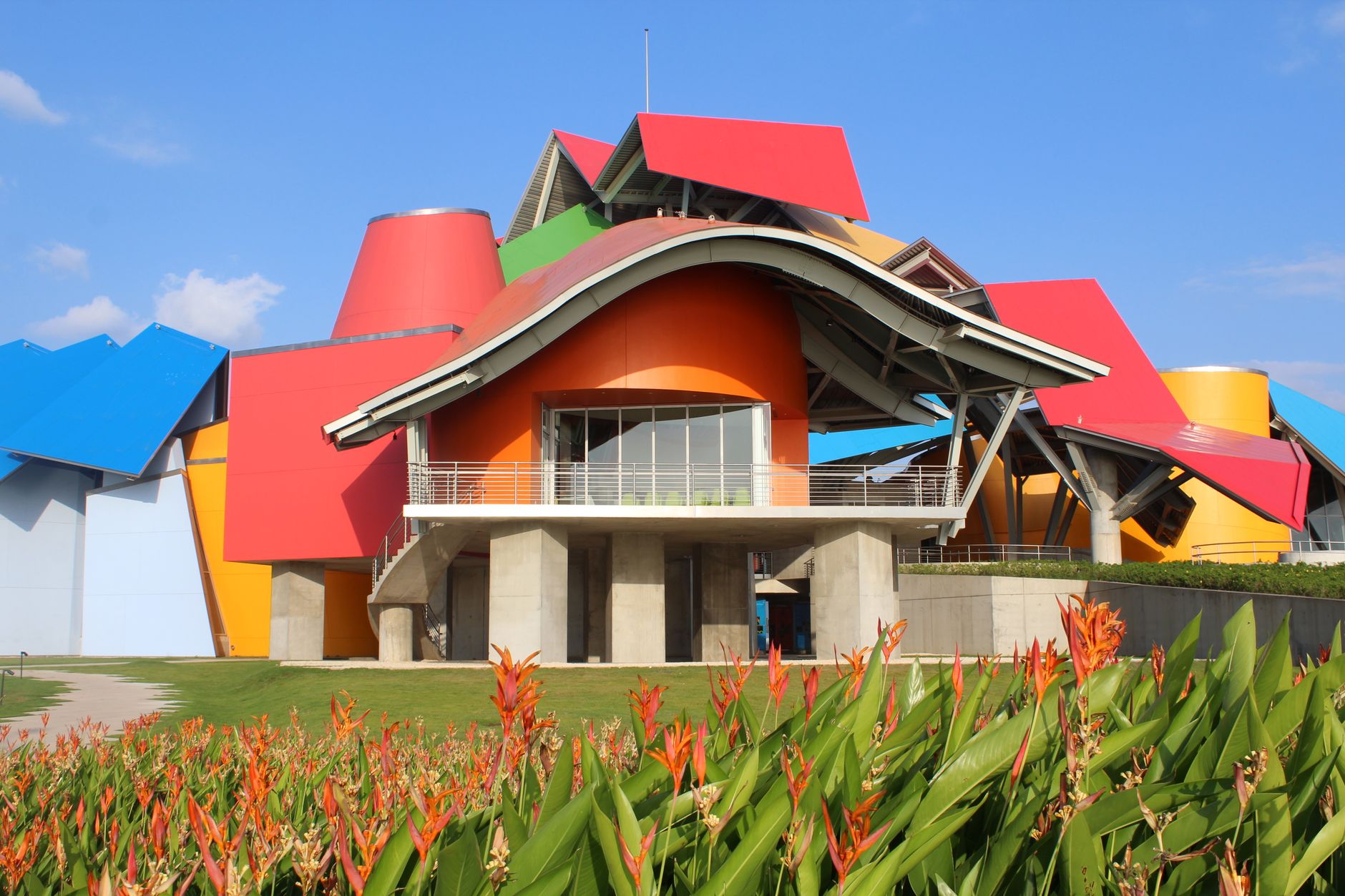
Housed within an avant-garde, brightly colored architectural masterpiece designed by Frank Gehry, the Biomuseo explores how the rise of the Panamanian isthmus changed life on Earth forever. Eight permanent galleries examine the geological collision of continents and the immense biological explosion that followed. Positioned at the entrance of the Panama Canal on the Amador Causeway, the museum seamlessly blends indoor scientific storytelling with outdoor botanical gardens showcasing native Panamanian flora.

11:00 AM - 5:00 PM (Thursday - Sunday)
Admission: $18
Insider Tip: Combine your visit with a late afternoon bicycle rental along the scenic Amador Causeway to watch ships queue for the canal.
Coiba National Park
nature
4.9

Coiba National Park

A protected marine paradise encompassing Isla Coiba and dozens of surrounding emerald islets, this former penal colony is often hailed as the 'GalĂĄpagos of Central America.' Because the island served as a high-security prison for decades, its surrounding waters and dense forests remained completely shielded from commercial overfishing and deforestation. Divers and snorkelers encounter pristine coral reefs teeming with whale sharks, manta rays, hammerhead sharks, and sea turtles in water of staggering clarity.

6:00 AM - 4:00 PM daily
Admission: $50 - $150 (boat tours)
Insider Tip: Book certified dive operators out of Santa Catalina well in advance; sea conditions and permits for the park require careful planning.
San Blas Islands (Guna Yala)
nature
4.7

San Blas Islands (Guna Yala)

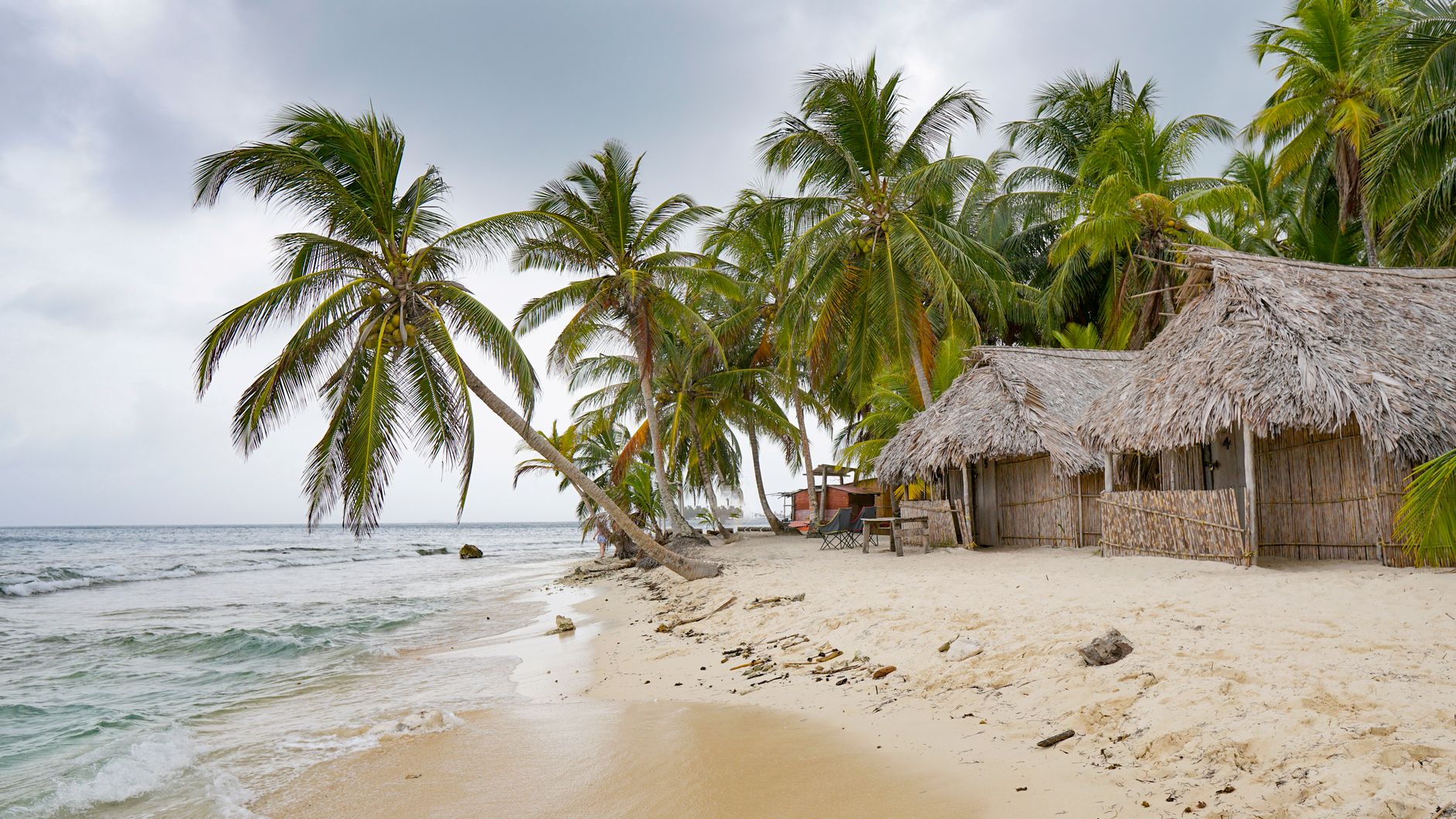
An autonomous archipelago of over 365 coral islands scattered across turquoise Caribbean waters, Guna Yala is fiercely protected and managed by the indigenous Guna nation. Life here moves at an unhurried, subsistence pace where coconut trees sway over powder-white beaches and rustic overwater huts. Visitors come to disconnect entirely from digital life, dine on freshly caught lobster prepared by local families, and sail through crystal-clear shallows untouched by modern commercial tourism.

Open 24/7
Admission: $$
Insider Tip: Bring your passport, cash for community entry fees and crafts, and manage expectations regarding rustic, eco-lodge style accommodations.
Area Guide

Where to Stay & Best Neighborhoods

Casco Viejo (San Felipe)

Best for: History enthusiasts, architecture lovers, nightlife seekers, and boutique hotel stays.

Vibe: Cobbled colonial alleys, pastel neoclassical facades, bohemian rooftop bars, and vibrant plazas.

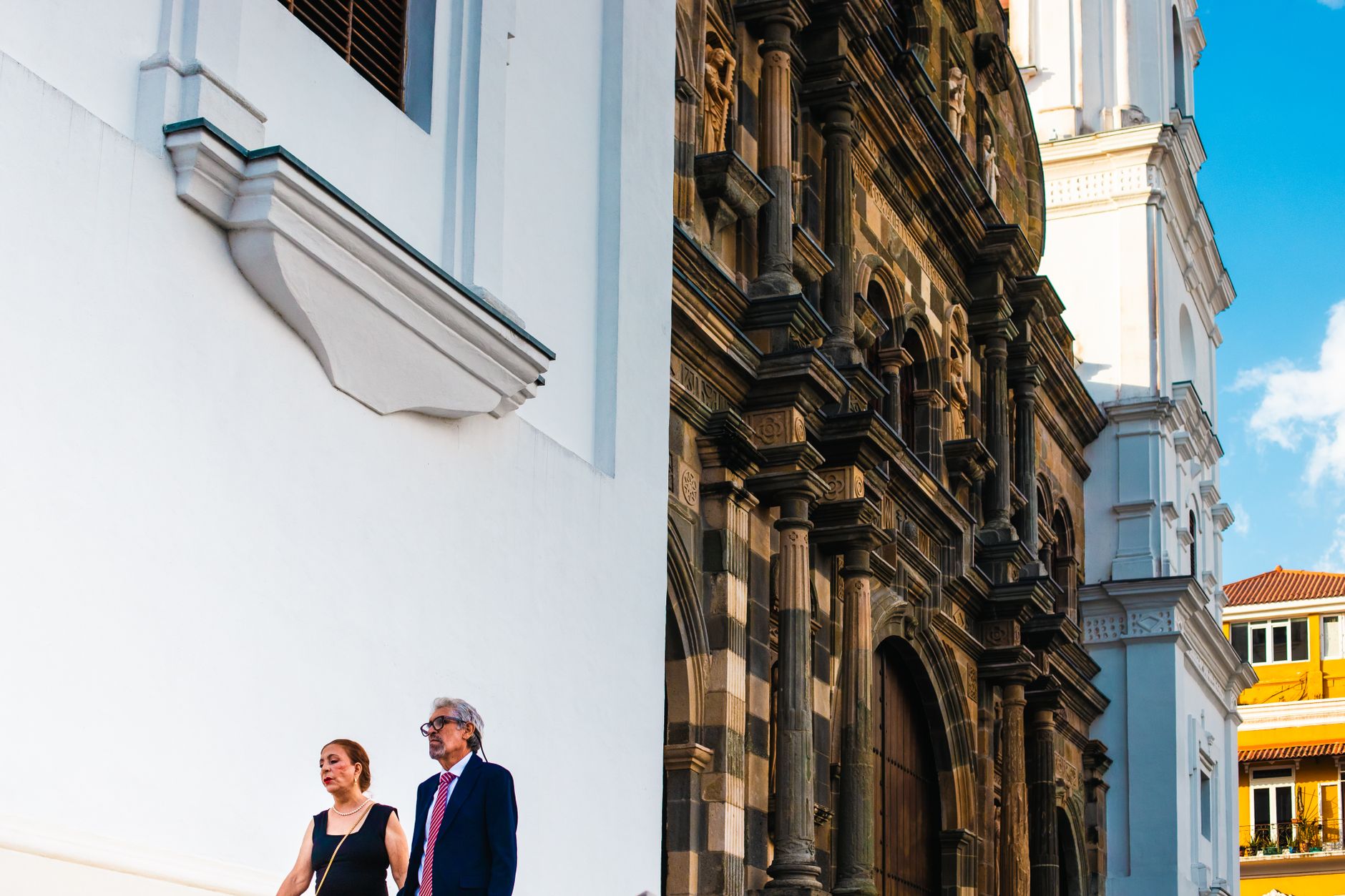
Constructed in 1673 after the destruction of the original Panama Viejo, Casco Viejo is Panama City’s historic heart. Walking through its grid of wrought-iron balconies and crumbling stone walls reveals a fascinating juxtaposition of aristocratic Spanish history, French canal-era influence, and modern artistic renewal. By day, explore sun-drenched plazas and artisan markets; by night, sip craft rum cocktails on atmospheric rooftops overlooking the glittering modern skyline across the bay.

El Cangrejo

Best for: Foodies, digital nomads, budget-conscious travelers seeking authentic urban neighborhood life.

Vibe: Eclectic, leafy urban neighborhood filled with cafes, international bistros, and mid-century architecture.

Centered around the lively Parque Andrés Bello, El Cangrejo serves as the cultural melting pot of Panama City. Shaded by giant mango trees, its walkable streets buzz with neighborhood bakeries, specialty coffee shops, and diverse dining ranging from traditional Panamanian fondas to authentic Middle Eastern and Korean restaurants. It offers an unpretentious, highly accessible slice of contemporary local life away from the high-rise financial district.

Bocas Town (Bocas del Toro)

Best for: Backpackers, surfers, marine life lovers, and water sports enthusiasts.

Vibe: Caribbean-Creepy-Chic, stilt houses over turquoise water, reggae beats, laid-back surf culture.

Perched on Isla ColĂłn, Bocas Town is the bohemian portal to the Bocas del Toro archipelago. Colorful Caribbean wooden architecture sits directly above calm turquoise channels where water taxis serve as local buses. The atmosphere is perpetually relaxed, fueled by fresh seafood, coconut-infused Afro-Caribbean cuisine, and a vibrant community of international surfers and marine conservationists.

Food & Drink Scene

What to Eat in Panama

Sancocho de Gallina

The undisputed national dish of Panama, this comforting, deeply nourishing chicken soup is slow-cooked with corn on the cob, yuca, otoe, and seasoned with culantro (recao verde), a pungent herb closely related to cilantro. Traditionally served as a cure for the weary traveler or a remedy after a long night of celebration, it is eaten piping hot alongside a mound of white rice.

🍮 Top spot: Trapiche (Panama City)

Ceviche Panameño

Freshly caught corvina (sea bass) or shrimp cured in sharp Key lime juice, mixed with finely diced red onions, aji chombo chili peppers, and celery, served with crispy, saltine crackers or patacones. It is a refreshing, citrusy staple of coastal dining.

🍮 Top spot: Mercado de Mariscos (Panama City)

Patacones con Ropa Vieja

Twice-fried green plantain discs smashed flat and fried until golden and crisp, topped with 'old clothes'—slow-braised, shredded flank steak simmered in a rich tomato, garlic, bell pepper, and onion sofrito. It represents the perfect harmony of crunch, salt, and savory tenderness.

🍮 Top spot: Fonda Lo Que Hay (Casco Viejo)
Excursions

Best Day Trips from Panama

SoberanĂ­a National Park & Pipeline Road

40 mins by car from Panama City

Escape the urban sprawl for pristine rainforests alive with toucans, howler monkeys, and exotic flora just a short drive from downtown Panama City.

Portobelo Colonial Forts & Afro-Caribbean Culture

2 hours by car from Panama City

Explore UNESCO-listed Spanish colonial fortifications where Sir Francis Drake met his end, and experience the unique Congo culture and vibrant festival history.

When to Go

Best Time to Visit & Seasonality

Editor’s Pick: The dry season, locally known as verano, runs from mid-December through April and is widely considered the prime time to visit. During these months, skies are reliably blue, rainfall is minimal, and outdoor adventures—from hiking VolcĂĄn BarĂș to sailing the San Blas Islands—are executed under ideal conditions. For those who prefer lush, emerald landscapes and fewer crowds, the green season (May through November) brings daily afternoon tropical downpours interspersed with brilliant morning sunshine, making it the supreme season for whitewater rafting, wildlife spotting, and witnessing sea turtle nesting.

Spring Overview

(March - May)
Moderate
Average Temperature & Climate25°C to 32°C (77°F to 90°F)

Transition from dry heat to the start of the green season with afternoon showers.

Crowd & Travel ConditionsModerate Tourist Traffic

Fewer lines and better deals.

✹ Seasonal Highlights:Great for bird migration viewing, lower tourist crowds, and blooming flora in Boquete.
Travel Smarter

Practical Travel Essentials

CurrencyBalboa (PAB) / US Dollar (USD)
LanguageSpanish (English widely spoken in tourism and business)
Time ZoneEastern Standard Time (UTC-5)

Visa & Entry

Citizens of the US, Canada, EU, UK, and Australia do not require a tourist visa for stays up to 90 or 180 days (depending on nationality). A valid passport with at least 6 months validity and proof of onward travel is mandatory.

Getting Around & Transit

Panama City boasts a modern, clean Metro subway system and reliable rideshare apps like Uber. For intercity travel, comfortable express buses connect major towns, while domestic flights operated by Air Panama service regional hubs like Bocas del Toro and Boquete (via David). Water taxis are essential in island regions.

Daily Budget Expectation

$70 - $180 USD per day depending on accommodation style and island excursions.

Safety & Health

Panama is generally one of the safest countries in Central America. Standard urban precautions apply in Panama City neighborhoods like El Chorrillo and parts of Colón. Remote jungle borders (specifically the Darién Gap) must be strictly avoided.

Local Etiquette & Customs

Always greet people with a polite 'Buenos dĂ­as' or 'Buenas tardes' before asking questions. Panamanians are warm, polite, and value modest dress when visiting religious sites or rural interior towns.

Questions & Answers

Frequently Asked Questions about Panama

Panama uses the Balboa (PAB), which is pegged 1:1 to the United States Dollar. US Dollar bills are used interchangeably everywhere, though Panamanian coins are minted in standard denominations.