2026 GuideVoyage Roams Best in Travel: Top 10 Bucket List Destinations
Read Rankings
Valletta
cityEurope
4.88 / 5.0

Valletta

A golden fortress of baroque splendor rising proudly from the deep blue Mediterranean.

Advertisement
Editorial Guide

About Valletta

Rising majestically from the deep blue waters of two natural harbors, Valletta is a monument to the military and artistic ambition of the Knights of St. John. Established in 1566 following the miraculous survival of the Great Siege against the Ottoman Empire, this UNESCO World Heritage city was conceived as a fortified masterpiece—'a city built by gentlemen for gentlemen.' Its honey-colored globigerina limestone walls glow with a warm, golden hue under the Mediterranean sun, framing a grid of steep, narrow streets that cascade down to the sea, punctuated by iconic, brightly painted wooden closed balconies known as gallariji.

Beneath the imposing military exterior lies an open-air museum of unmatched baroque richness. Every corner of Valletta whispers tales of grandmasters, corsairs, and artists, most notably Caravaggio, who sought asylum and left his mark here. The city's architecture is a theatrical stage set of grand auberges, monumental churches, and palatial residences that have stood virtually unchanged for over four centuries. Walking through Valletta is an exercise in time travel, where history is not merely preserved in museums but integrated into the fabric of daily life.

Valletta's unique geography shapes its atmospheric charm. Situated on the Sciberras Peninsula, the city is flanked by the Grand Harbour to the south and Marsamxett Harbour to the north. This maritime embrace means that almost every street corner offers a sudden, breathtaking glimpse of shimmering water, distant fortresses, or slowly gliding wooden boats. The sea breeze sweeps through the grid-patterned streets, designed by Renaissance architect Francesco Laparelli to provide natural air conditioning during the sweltering summer months.

Today, Valletta is experiencing a dazzling cultural renaissance. Once a sleepy administrative hub that emptied out after sunset, the city has transformed into a vibrant capital teeming with boutique hotels, contemporary art spaces, and a sophisticated culinary scene. Michelin-starred establishments rub shoulders with historic bakeries, and candlelit wine bars spill out onto baroque stone steps. It is a place where ancient limestone walls echo with the sounds of live jazz, and the slow, traditional pace of Maltese life blends seamlessly with a cosmopolitan energy.

Visual Impressions & Moments
Valletta photo 1
Valletta photo 2
Valletta photo 3
Valletta photo 4
Valletta photo 5
Valletta photo 6
Unmissable Moments

Top Things to Do in Valletta

Must-Do

Witness the Noon Gun Salute at Upper Barrakka Gardens

Gather along the stone balustrades of the Upper Barrakka Gardens just before midday to watch the ceremonial firing of the cannons by the Malta Heritage Society. Positioned on the Saluting Battery below, this historic ritual has marked the passage of time for centuries. The thunderous roar of the guns echoing across the deep limestone amphitheater of the Grand Harbour, with the Three Cities as a backdrop, is an unforgettable sensory experience. Afterward, take your time wandering through the terraced gardens, which offer the single most iconic viewpoint in the Maltese archipelago.

Culture

Get Lost in the Historic Labyrinth of Strait Street

Walk the narrow, atmospheric length of Strait Street, affectionately known to generations of British sailors as 'The Gut.' During the 19th and mid-20th centuries, this was the wild, neon-lit heart of Valletta's nightlife, packed with music halls, bars, and brothels. Today, it has been beautifully revitalized into a chic thoroughfare of boutique eateries, craft beer pubs, and intimate wine bars. The best time to visit is after dusk, when the street lights flicker on, live jazz or acoustic music spills out onto the cobblestones, and locals sit on cushions scattered across the steep stone steps to sip local Syrah.

Scenic

Sail the Grand Harbour in a Traditional Dgħajsa

Skip the modern tourist vessels and charter a traditional dgħajsa—a colorful, wooden water taxi that resembles a Venetian gondola but is unique to Malta. Board one of these historic vessels at the Valletta waterfront and let the boatman glide you across the calm, deep waters of the Grand Harbour. Seeing the sheer scale of Valletta’s golden bastions and the fortified peninsulas of Vittoriosa and Senglea from water level provides a profound appreciation for the city's military architecture. Opt for a late afternoon crossing when the setting sun turns the limestone fortresses into glowing amber.

Culinary

Indulge in a Subterranean Wine Tasting Experience

Valletta's unique geology means the city is built over an extensive network of hand-carved limestone cellars and tunnels. Descend into one of these atmospheric, vaulted subterranean spaces—many of which have been converted into sophisticated wine bars like Trabuxu or Bridge Bar. Spend an evening sampling exceptional Maltese wines, such as those made from the indigenous Gellewza (red) or Girgentina (white) grape varieties, paired with artisanal platters of local sheep's cheese (gbejniet), sun-dried tomatoes, and Maltese sourdough dipped in extra virgin olive oil.

Area Guide

Where to Stay & Best Neighborhoods

The Central Grid (Republic & Merchants Streets)

Best for: First-time visitors, shopping, architecture, and iconic historic monuments.

Vibe: Bustling, monumental, commercial, and grand.

This is the beating heart of Valletta, running along the spine of the Sciberras Peninsula. Framed by the monumental City Gate at one end and Fort St. Elmo at the other, this area is defined by grand palazzos, bustling open-air cafes, and street performers. During the day, it is packed with visitors exploring the Co-Cathedral and shopping along the pedestrianized avenues. By night, the crowds thin, leaving a romantic, illuminated stone stage perfect for a quiet walk.

The Lower East Side (Fort St. Elmo & Victoria Gate)

Best for: Photographers, travelers seeking local life, and dramatic harbor views.

Vibe: Quiet, residential, steep, and deeply authentic.

Stepping away from the main commercial streets down toward the Grand Harbour side of the peninsula reveals the Valletta of the locals. Here, laundry hangs on lines stretched between opposing wooden balconies, and steep, staircased streets descend sharply to the sea. This area is home to the majestic Victoria Gate, local band clubs, and quiet neighborhood grocery stores where Maltese is the only language spoken. It offers an evocative glimpse into the city's working-class soul.

The Waterfront & Marina District

Best for: Sunset dining, evening strolls, and architectural photography.

Vibe: Breezy, sophisticated, maritime, and leisurely.

Located at the foot of the bastions along the Grand Harbour, this area features a beautifully restored row of 18th-century baroque warehouses originally built by Grandmaster Pinto. Painted with vibrant colors that historically denoted the goods stored inside (yellow for wheat, blue for fish), the wharf is now a pedestrianized promenade lined with high-end restaurants, outdoor bars, and cafes. It is the perfect place to watch mega-yachts glide by against the backdrop of the ancient fortifications.

Food & Drink Scene

What to Eat in Valletta

Stuffat tal-Fenek (Traditional Maltese Rabbit Stew)

Considered Malta's national dish, this is a rich, slow-cooked stew where rabbit is marinated overnight in red wine, garlic, bay leaves, and local herbs, then simmered for hours with tomatoes, carrots, and potatoes until the meat falls off the bone. The resulting sauce is deeply savory and intensely aromatic, often served over a bed of pasta as a starter, followed by the tender meat as the main course.

🍴 Top spot: Nenu the Artisan Baker, St. Dominic Street

Pastizzi (Flaky Savory Pastries)

The ultimate Maltese street food, pastizzi are diamond-shaped pastries made from incredibly flaky, phyllo-like dough that is hand-stretched and rolled with lard. They are traditionally stuffed with either a rich, seasoned ricotta mixture (pastizzi tal-irkotta) or a savory paste of mushy peas, onions, and curry (pastizzi tal-pizelli). Baked in deep metal trays in stone ovens, they are served piping hot, greasy, and wonderfully crispy.

🍴 Top spot: Museum Cafe, Melita Street

Lampuki Pie (Seasonal Fish Pie)

Lampuki (also known as mahi-mahi or dolphinfish) migrate past the Maltese islands between August and November. During this autumn window, locals celebrate by baking Lampuki Pie (Torta tal-Lampuki). The fresh fish is pan-seared and combined with a rich, Mediterranean filling of spinach, olives, capers, tomatoes, walnuts, and sultanas, all encased in a shortcrust or puff pastry shell that balances sweet and savory notes.

🍴 Top spot: Rubino, Old Bakery Street
Excursions

Best Day Trips from Valletta

The Three Cities (Vittoriosa, Senglea, and Cospicua)

10 minutes by traditional dgħajsa or public ferry from the Valletta Waterfront.

Directly across the Grand Harbour lie the Three Cities, the original home of the Knights of St. John before Valletta was built. Vittoriosa (Birgu) is the highlight, featuring narrow medieval lanes, the imposing Fort St. Angelo, and the historic Inquisitor's Palace. Senglea offers the famous Gardjola Gardens with its iconic watchtower carved with an eye and an ear, symbolizing vigilance. Exploring these fortified towns offers a quieter, deeply historic alternative to Valletta.

The Silent City of Mdina & Rabat

30 minutes by taxi or 45 minutes by direct public bus (Route 51, 52, or 53).

Travel inland to Malta's ancient, medieval capital, Mdina. Perched on a high hill, this fortified, car-free city is a labyrinth of golden sandstone alleys, Norman palazzos, and dramatic bastions offering views across the entire island. Just outside Mdina's gates lies Rabat, a sprawling town famous for its early Christian catacombs, Roman villa ruins, and traditional bakeries. Walking through Mdina at dusk, when the day-trippers leave and the lanterns light up, is a magical experience.

When to Go

Best Time to Visit & Seasonality

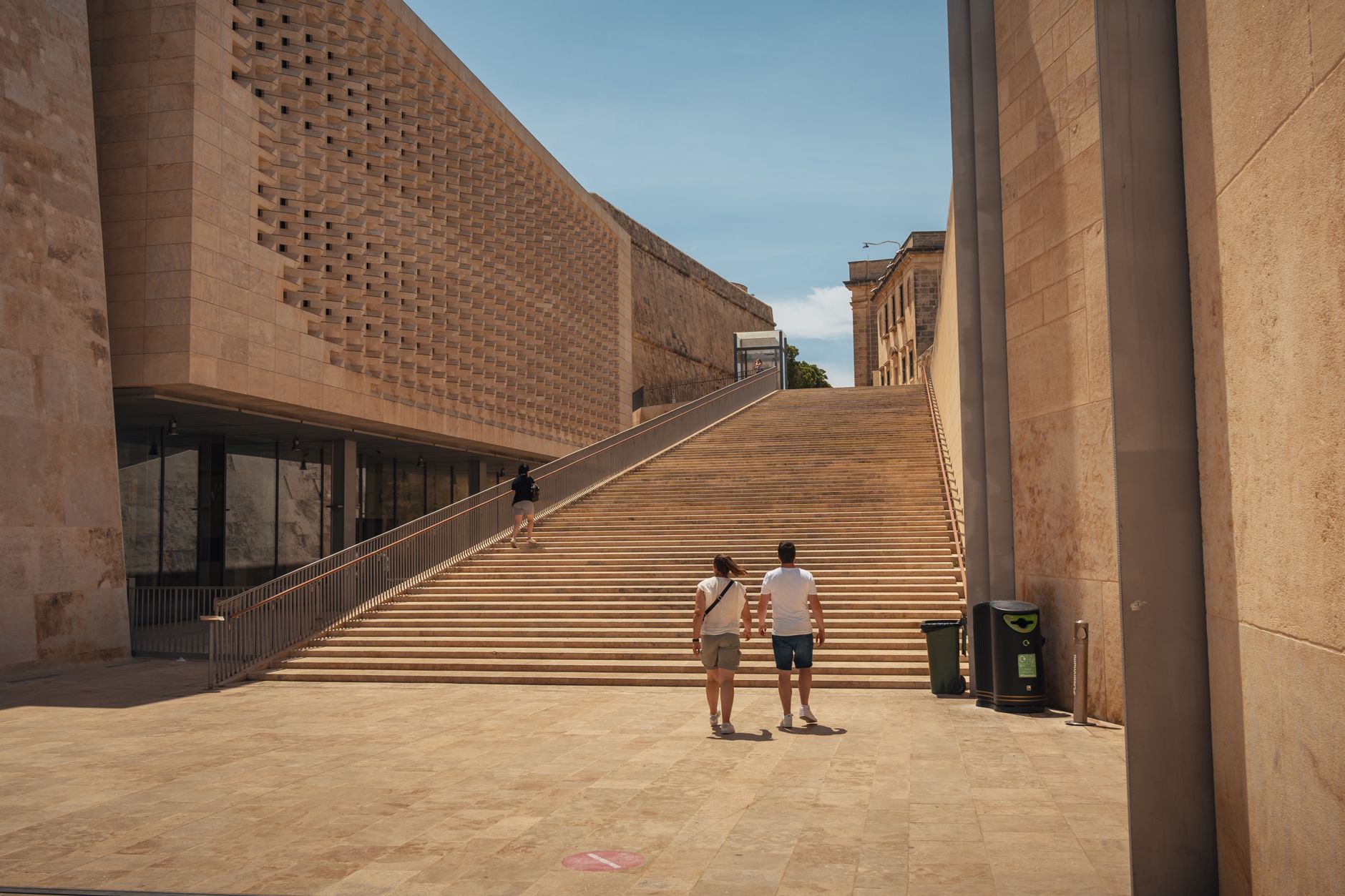
Editor’s Pick: The prime months to visit Valletta are from April to June and September to October. During these shoulder seasons, the weather is warm and sunny without the intense, baking heat of mid-summer, making the city's steep streets and stone staircases highly walkable. Additionally, these months avoid the peak crowds of the summer cruise ship season, allowing for a more intimate experience of the historic sites, while the sea remains warm enough for swimming in nearby rocky coves.

Spring Overview

(March - May)
Moderate
Average Temperature & Climate15°C - 22°C

Mild, sunny, and increasingly warm with minimal rainfall.

Crowd & Travel ConditionsModerate Tourist Traffic

Fewer lines and better deals.

✨ Seasonal Highlights:Witnessing the dramatic Easter pageants, the spectacular Malta International Fireworks Festival over the Grand Harbour, and exploring the city surrounded by blooming wildflowers.
Travel Smarter

Practical Travel Essentials

CurrencyEUR (€)
LanguageMaltese, English
Time ZoneCET (UTC+1) / CEST (UTC+2)

Visa & Entry

Malta is a member of the European Union and the Schengen Area. Citizens of the US, Canada, the UK, Australia, and New Zealand do not require a visa for tourist stays of up to 90 days within a 180-day period.

Getting Around & Transit

Valletta is completely pedestrian-friendly and small enough to walk end-to-end in 20 minutes. Cars are heavily restricted inside the city walls. Use the public ferries to cross to Sliema or the Three Cities, and use the public bus network from the main terminal just outside City Gate to explore the rest of the island.

Daily Budget Expectation

€120 - €220 (Covers mid-range boutique accommodation, dining at traditional and contemporary restaurants, museum entry fees, and public transport).

Safety & Health

Valletta is exceptionally safe, boasting one of the lowest crime rates of any European capital. Standard precautions should be taken against pickpocketing in crowded tourist areas, particularly at the busy main bus terminal.

Local Etiquette & Customs

Malta is a traditionally Catholic country. When entering churches, ensure your shoulders and knees are covered, and speak in hushed tones. Tipping of 5-10% is customary in restaurants if a service charge is not already included in the bill.

Questions & Answers

Frequently Asked Questions about Valletta

Two full days are ideal to explore Valletta's major historic sites, such as St. John's Co-Cathedral, Fort St. Elmo, and the palaces, while leaving time to enjoy the atmospheric dining scene. However, because Valletta is the transit hub of Malta, it serves as an excellent base for a 5-to-7-day trip to explore the entire archipelago.