🌟 Best in Travel 2026 is here!
Tuscany
regionEurope
4.95 / 5.0

Tuscany

Rolling hills, Renaissance masterpieces, and sun-drenched vineyards shaping timeless Italian romance.

Editorial Guide

About Tuscany

Tuscany stands as the undisputed cradle of the Renaissance, where rolling golden hills etched with cypress trees meet the rugged majesty of the Apennines and the azure waters of the Tyrrhenian Sea. The region’s history is written in stone and pigment, echoing through the medieval towers of San Gimignano, the marble facades of Florence’s duomos, and the austere palaces of Siena. It is a landscape shaped by centuries of agricultural mastery and artistic genius, where humanity and nature have forged a rare, enduring harmony.

Culturally, Tuscany is a celebration of the senses, rooted in the philosophy of slow living and artisanal excellence. From the hauntingly beautiful polyphonic chants echoing in ancient abbeys to the clinking glasses of world-class Chianti Classico poured in sun-dappled courtyards, local life revolves around the rhythms of the earth. Markets overflow with purple artichokes, fragrant truffles, and newly pressed olive oil, while neighborhood trattorias serve up centuries-old recipes anchored in simplicity and bold, unmasked flavors.

The geography of Tuscany is astonishingly diverse, shifting within a few hours’ drive from the jagged marble quarries of the Apuan Alps to the marshy wildlife havens of the Maremma coast. Valleys like the Val d'Orcia present vistas so perfectly composed they inspired the great Renaissance masters, featuring winding dirt tracks flanked by sentinel cypresses and farmhouses weathered by centuries of sun and rain. This is a region that invites aimless wandering, where every hilltop town conceals a piazza that feels like a private stage set.

Local life here is anchored in community, tradition, and an innate aesthetic sensibility. Whether watching elderly gentlemen debate politics in a shaded piazza in Lucca or witnessing the fierce, historic rivalry of the Palio in Siena, visitors quickly realize that Tuscany is not merely a destination to be consumed, but a living, breathing culture to be experienced. It is a place that urges you to slow your pace, taste deeply, and surrender to the timeless beauty of the Italian horizon.

Visual Impressions & Moments

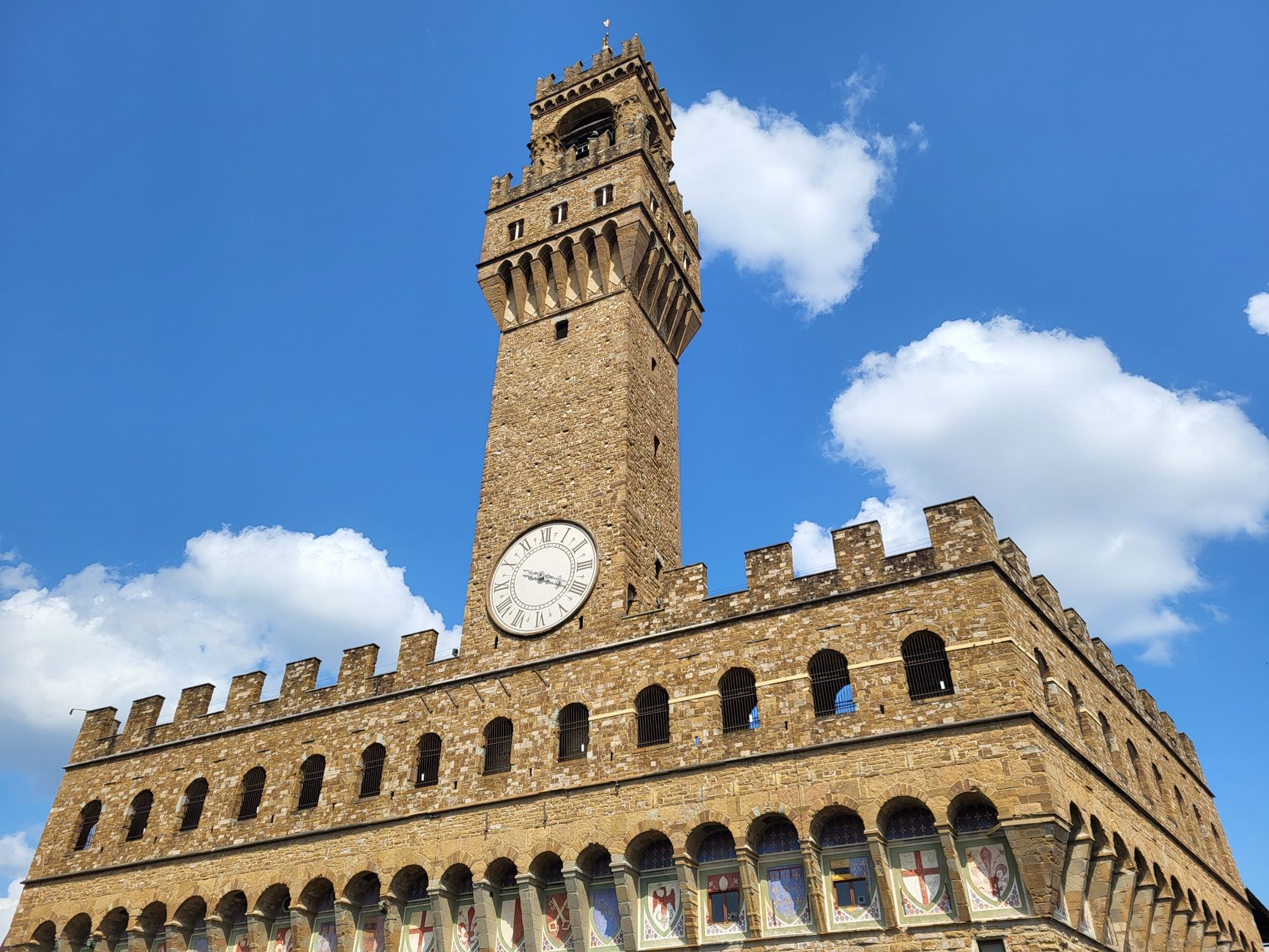
Tuscany photo 1
Tuscany photo 2
Tuscany photo 3
Tuscany photo 4
Tuscany photo 5
Tuscany photo 6
Unmissable Moments

Top Things to Do in Tuscany

Culinary

Sip Chianti Classico at Sunset in a Greve in Chianti Vineyard

Immerse yourself in the heartland of Tuscan winemaking by visiting a historic estate in the Chianti Hills. Stroll through rows of Sangiovese grapes before descending into vaulted cellars where centuries-old oak barrels age world-class vintages. Pair your tasting with locally cured pecorino cheese and freshly baked pane sciocco while the sun dips below the terraced hillsides, painting the sky in violet and amber. Insider tip: Book a private tasting with the winemaker to access rare reserve bottles not available for commercial export.

Must-Do

Climb Brunelleschi’s Dome in Florence for Skyline Views

Ascend the 463 steps of Florence's iconic Duomo, weaving between the double-shelled brick masonry designed by Filippo Brunelleschi. The challenging climb rewards you with breathtaking, up-close views of Giorgio Vasari’s breathtaking frescoed interior of the Last Judgment, followed by an unforgettable panoramic vista across the terracotta rooftops of Florence and the distant hills. Insider tip: Purchase your OPA Pass days in advance and book the earliest morning slot to avoid the midday bottleneck.

Culture

Wander the Medieval Towers and Alleys of San Gimignano

Step back into the 14th century by exploring the Manhattan of the Middle Ages, famous for its striking cluster of defensive stone towers piercing the skyline. Walk the cobblestone lanes of Piazza della Cisterna, admire exquisite Romanesque frescoes inside the Collegiata, and reward yourself with world-champion saffron gelato from Gelateria Dondoli. Insider tip: Arrive before 9 AM or stay past 6 PM when the day-trip tour buses have departed, leaving the atmospheric alleys remarkably tranquil.

Scenic

Soak in the Natural Thermal Waters of Saturnia

Unwind in the ethereal, sulfurous tiered travertine limestone pools of Cascate del Mulino in the southern Maremma region. The mineral-rich, 37.5°C (99.5°F) thermal waters cascade continuously from natural springs, offering a therapeutic sanctuary surrounded by open fields and rustic stone mills. Insider tip: Visit at dawn to experience the rising steam in absolute solitude, as the pools are completely open to the public 24/7.

Must-See Highlights

Top Places & Things to Do in Tuscany

Curated attractions and cultural landmarks with local insider advice.

Uffizi Gallery
culture
4.85

Uffizi Gallery

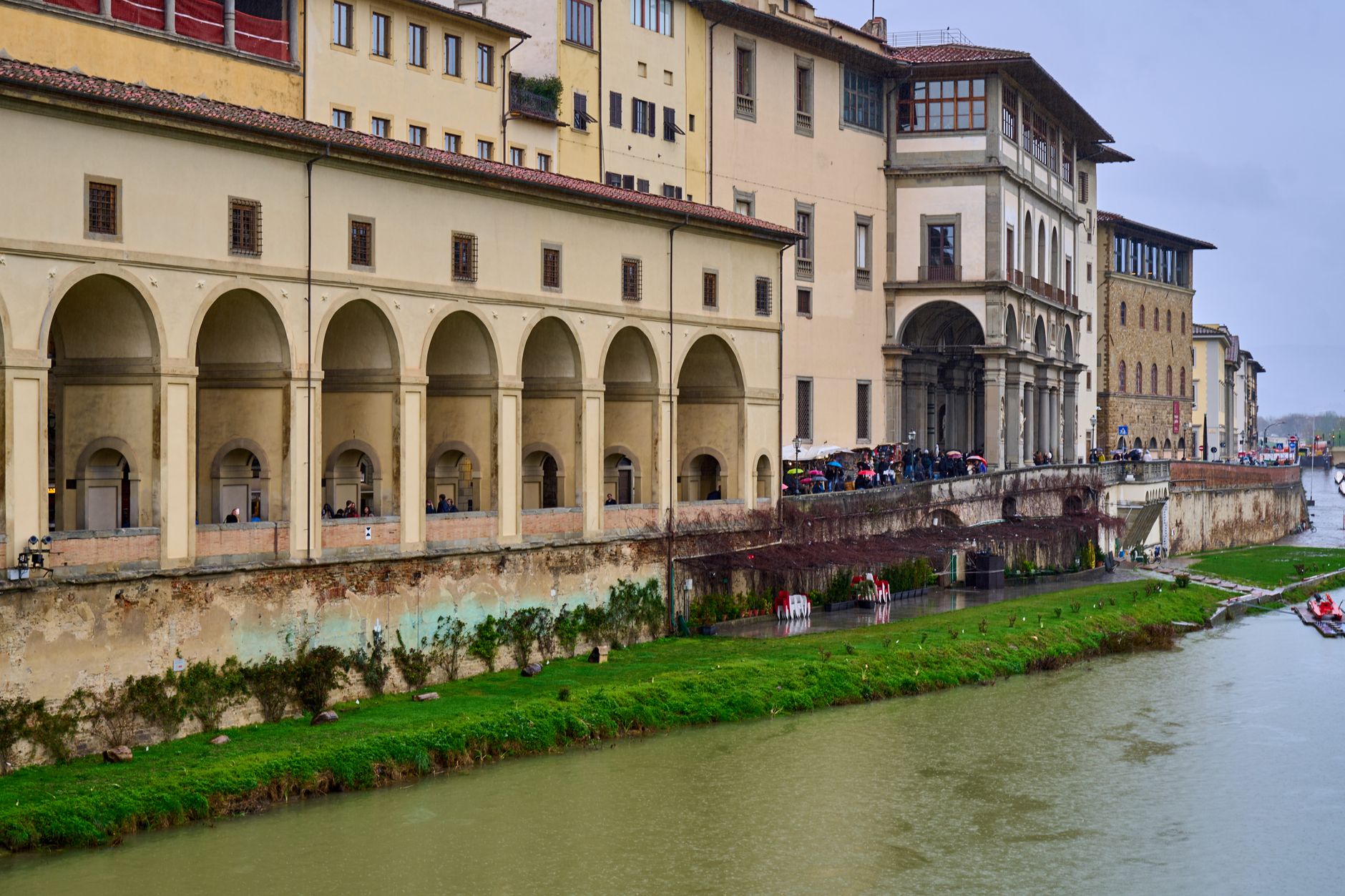
Housed in a grand 16th-century building designed by Giorgio Vasari, the Uffizi Gallery holds the world’s most astonishing collection of Renaissance art. Visitors wander through high-ceilinged halls face-to-face with legendary masterpieces that revolutionized Western visual culture, including Botticelli's 'The Birth of Venus' and 'Primavera', Leonardo da Vinci's 'Annunciation', and Michelangelo’s 'Doni Tondo'. The museum’s layout takes guests on an evolutionary journey from medieval Byzantine altarpieces to the exuberant heights of the High Renaissance and Mannerism. Large windows frame stunning views across the River Arno toward the Ponte Vecchio, ensuring the building itself feels as much a work of art as the treasures it protects.

Tuesday–Sunday 8:15 AM – 6:30 PM
Admission: €25
Insider Tip: Pre-book timed-entry tickets online weeks in advance to bypass multi-hour queues, and allocate at least three hours for a meaningful visit.
Piazza del Campo
attraction
4.9

Piazza del Campo

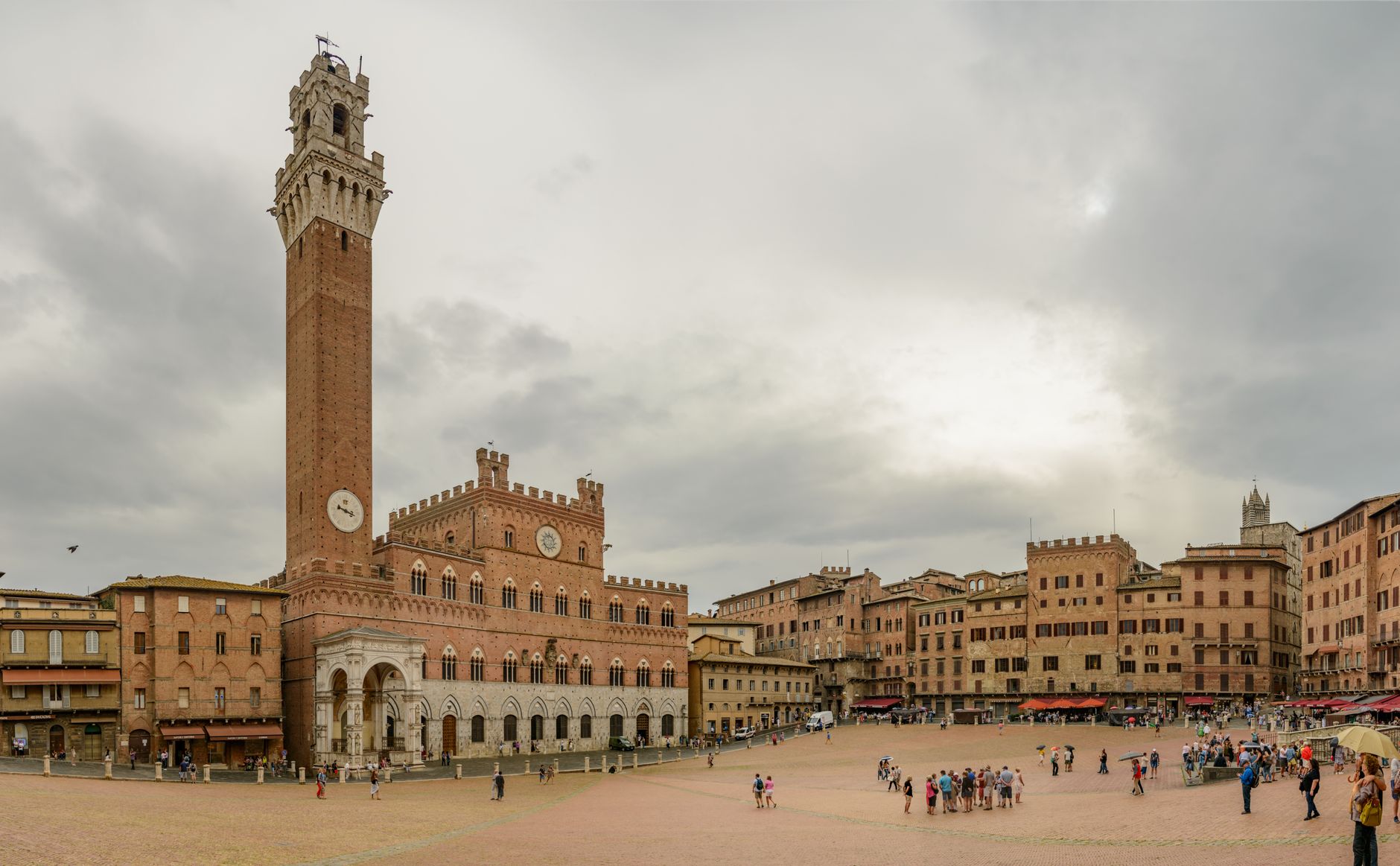
Renowned as one of Europe's greatest medieval squares, Siena's Piazza del Campo is celebrated for its distinctive shell-like contour and harmonious architectural framing. Divided into nine segments symbolizing the historic Council of Nine that governed Siena during its medieval golden age, the square slopes gently down toward the imposing Palazzo Pubblico and the soaring Torre del Mangia. It serves as the pulsing living room of the city where locals and travelers alike gather to converse, sip espresso at outdoor terraces, or recline directly on the warm terracotta paving stones. Twice a year, the square transforms into a thunderous dirt track for the Palio di Siena, keeping centuries of intense neighborhood rivalry fiercely alive.

Open 24/7
Admission: Free
Insider Tip: Grab a seat at a cafĂŠ for an aperitivo, but be prepared for tourist-inflated prices; alternatively, do as the locals do and sit on the steps of the Gaia Fountain.
Val d'Orcia Scenic Drive
nature
4.95

Val d'Orcia Scenic Drive

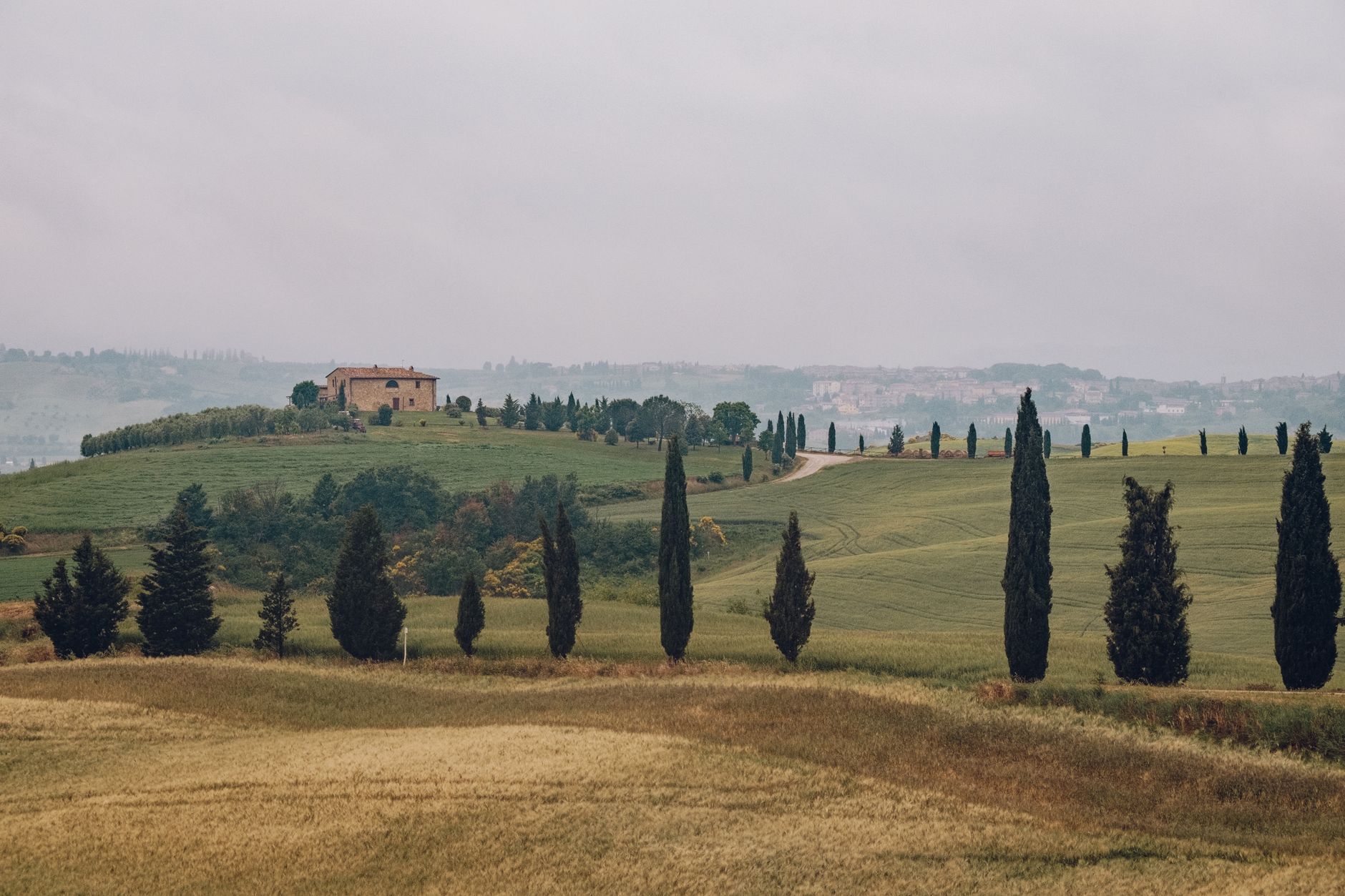
The Val d'Orcia is an extraordinary cultural landscape recognized as a UNESCO World Heritage site, defined by its harmonious agricultural management dating back to the Renaissance. Driving along the winding country roads—particularly the stretch between San Quirico d'Orcia and Pienza—reveals cinematic vistas of solitary stone farmhouses perched atop green hilltops, framed by meticulous rows of dark green cypress trees. Photographers and nature lovers flock here to capture iconic sights like the Chapel of Our Lady of Vitaleta and the winding driveway of Agriturismo Baccoleno. The landscape shifts in color dramatically across the year, from brilliant emerald green in spring to sun-baked gold in mid-summer and copper-brown during the autumn ploughing season.

Open 24/7
Admission: Free
Insider Tip: Rent a small car to comfortably navigate narrow gravel farm roads, and give yourself double the estimated travel time because you will constantly want to pull over for photos.
Chianti Classico Wine Region
food
4.9

Chianti Classico Wine Region

Stretching between Florence and Siena, the Chianti Classico wine region is a legendary expanse of oak and chestnut forests, olive groves, and meticulously tended hillside vineyards. Designated by the iconic Black Rooster (Gallo Nero) symbol, this hilly terrain produces some of the world's most revered red wines, anchored by the Sangiovese grape and characterized by notes of tart cherry, leather, and earthy spices. Visitors can tour historic castles like Brolio, explore charming wine villages like Radda and Castellina in Chianti, and enjoy intimate tastings paired with artisanal cheeses and cold cuts. Many wineries offer estate tours that delve into the strict aging requirements and historical evolution of this prestigious denomination.

Varies by estate; typically 10:00 AM – 6:00 PM
Admission: Variable
Insider Tip: Always book winery tastings in advance, and designate a non-drinking driver or hire a private wine-tour chauffeur, as local blood alcohol limits for driving are strictly zero.
Area Guide

Where to Stay & Best Neighborhoods

Historic Florence (Centro Storico)

Best for: Art lovers, museum enthusiasts, first-time visitors, and architecture buffs.

Vibe: Renaissance palaces, bustling artisan workshops, high fashion, and monumental piazzas.

Navigating the historic core of Florence feels like walking through an open-air museum where every corner reveals a masterwork of human achievement. Cobblestone streets echo with the hum of conversation outside historic cafes, leading you from the sprawling grandeur of Piazza del Duomo to the bustling stalls of San Lorenzo. It is a dense, highly walkable urban enclave where world-class art galleries sit steps away from leather artisans and traditional trattorias.

Val d'Orcia Countryside

Best for: Road-trippers, photographers, romantic getaways, and slow-travel enthusiasts.

Vibe: Rolling golden hills, cypress-lined drives, medieval stone hamlets, and solitary farmhouses.

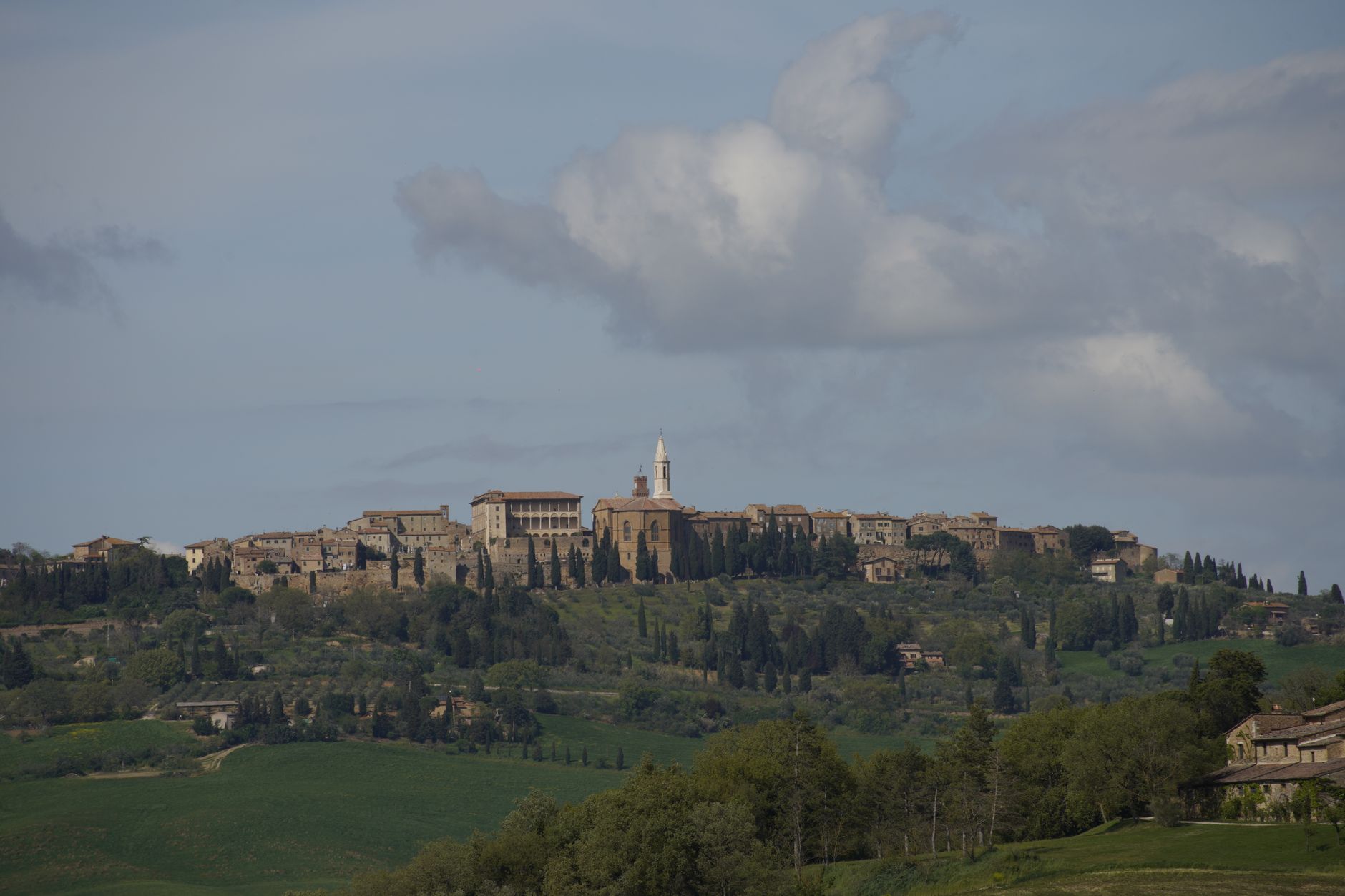
Spreading south of Siena, the Val d'Orcia is the quintessential postcard image of rural Tuscany. Villages like Pienza and Montalcino perch gracefully on hilltop ridges, overlooking vast, undulating agricultural landscapes that change color with the passing seasons. Staying in this region means waking up to birdsong, morning mist rolling over wheat fields, and days spent leisurely exploring family-run wine estates.

Lucca Walled City

Best for: Families, casual explorers, lovers of classical music, and those seeking a slower urban pace.

Vibe: Enclosed Renaissance fortifications, shady tree-lined promenades, elegant squares, and relaxed cycling culture.

Encased entirely by massive, intact 16th-century ramparts that have been converted into a lush park, Lucca offers a charmingly serene alternative to bustling Florence. Bicycles replace cars on top of the walls, while the city center boasts a wonderful network of quiet cobblestone lanes, medieval towers, and the elliptical charm of Piazza dell'Anfiteatro. It is an intensely romantic and welcoming city steeped in musical history as the birthplace of Giacomo Puccini.

Food & Drink Scene

What to Eat in Tuscany

Bistecca alla Fiorentina

A magnificent, thick-cut T-bone steak sourced exclusively from the ancient Chianina cattle breed, grilled over glowing chestnut embers. Traditionally cooked rare (al sangue)—crisp and charred on the outside while meltingly tender and crimson within—seasoned simply with coarse sea salt, cracked black pepper, and high-quality extra virgin olive oil.

🍴 Top spot: Trattoria Mario, Florence

Ribollita

A hearty, soul-warming peasant soup translated literally as 'reboiled.' Crafted from leftover stale rustic bread, cannellini beans, cavolo nero (black kale), winter cabbage, and root vegetables simmered for hours until it achieves a rich, stew-like consistency. It is traditionally drizzled with robust green olive oil just before serving.

🍴 Top spot: Osteria di Giovanni, Florence

Pecorino di Pienza with Truffle Honey

An artisanal sheep's milk cheese produced in the mineral-rich volcanic pastures of the Val d'Orcia. Aged in wooden casks or walnut leaves, it yields a crumbly texture and complex, nutty flavor profile that reaches sublime heights when paired with local acacia honey infused with fresh black truffle.

🍴 Top spot: Cugàtoia, Pienza
Excursions

Best Day Trips from Tuscany

Siena's Gothic Splendor and Piazza del Campo

1 hour 15 mins by bus or car from Florence

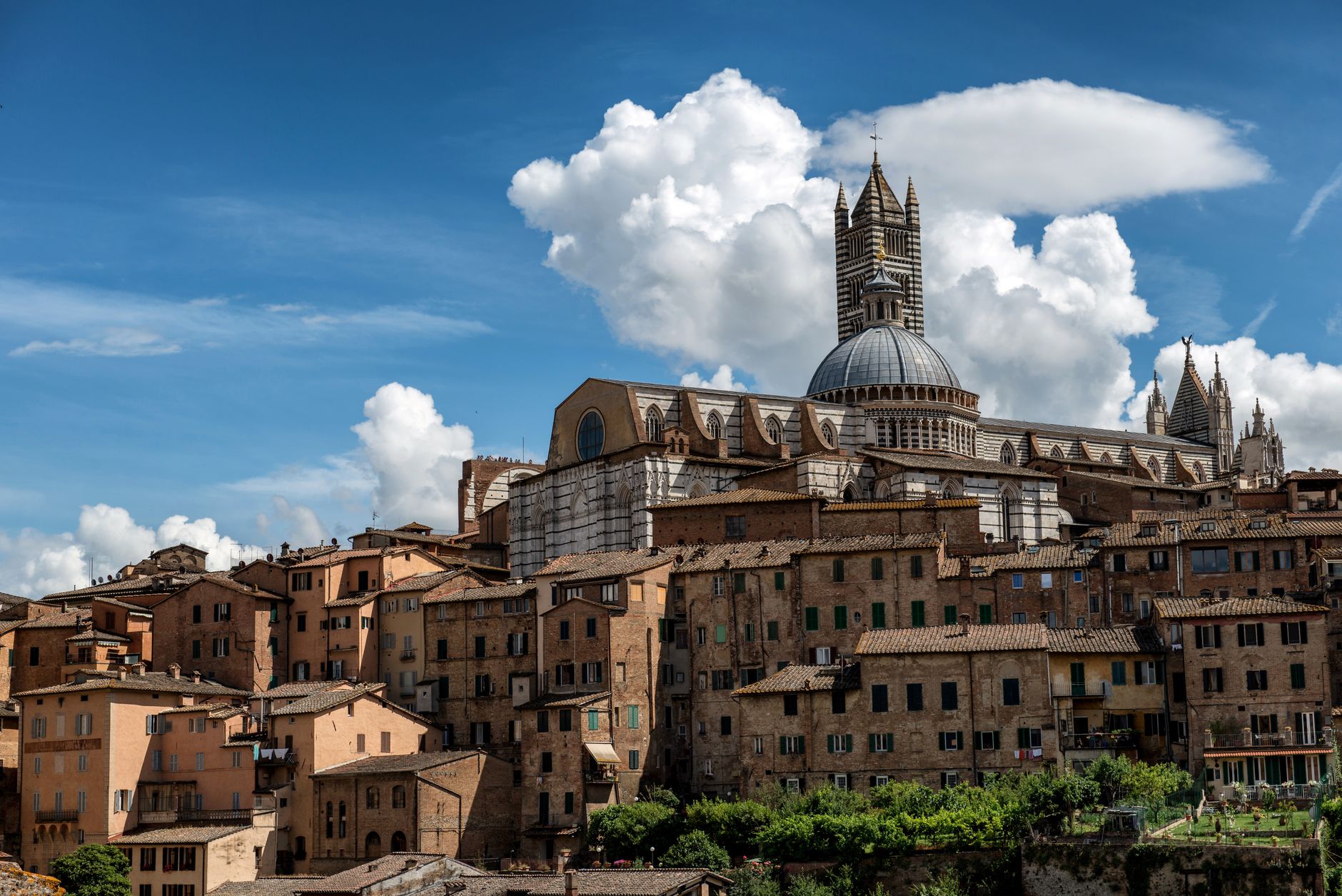
Journey into the heart of medieval Tuscany to explore Siena, Florence’s historic rival. Marvel at the zebra-striped marble cathedral, climb the soaring Torre del Mangia for panoramic views, and sit in the shell-shaped Piazza del Campo, the historic site of the famous Palio horse race.

Pisa’s Campo dei Miracoli

1 hour by regional train from Florence

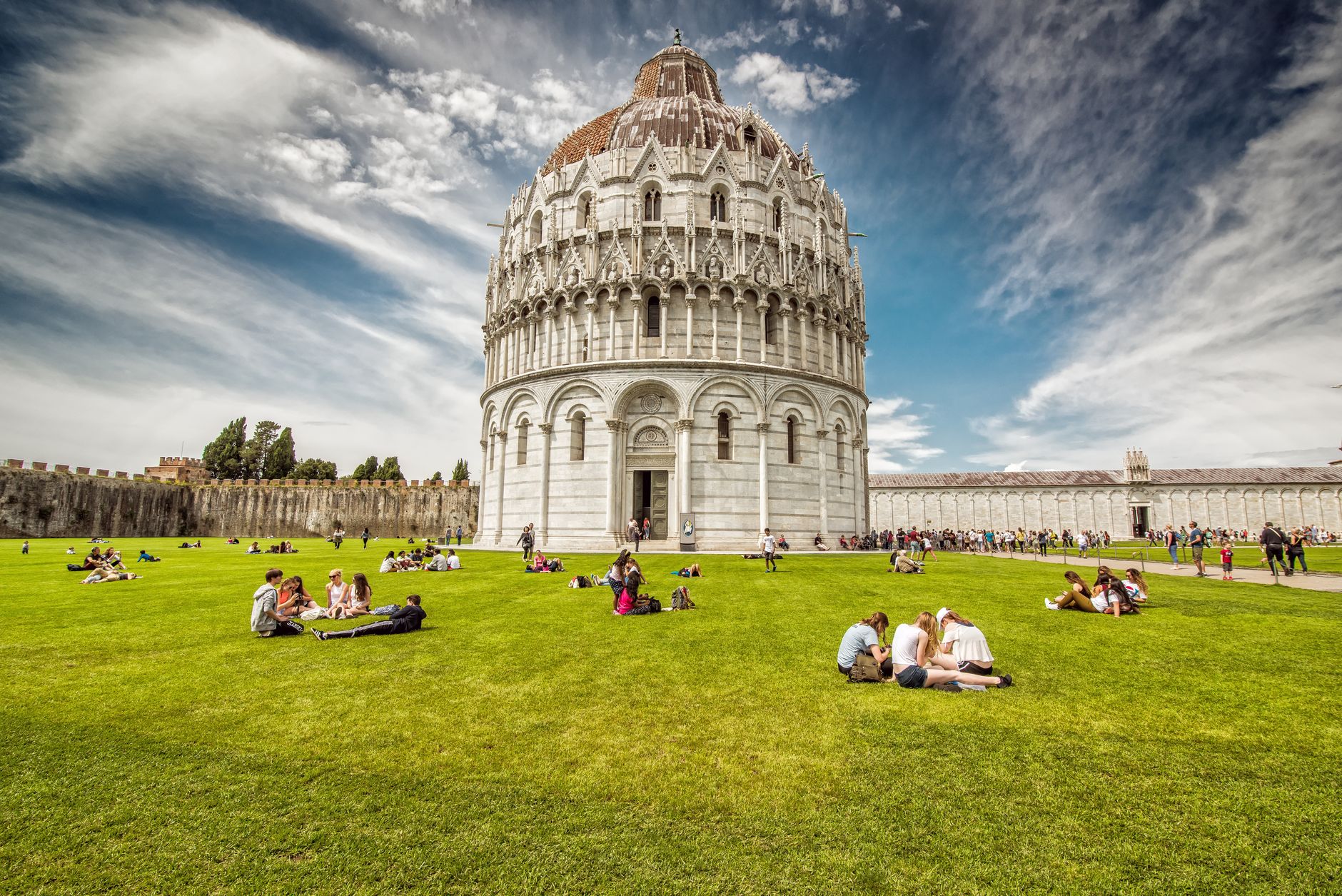
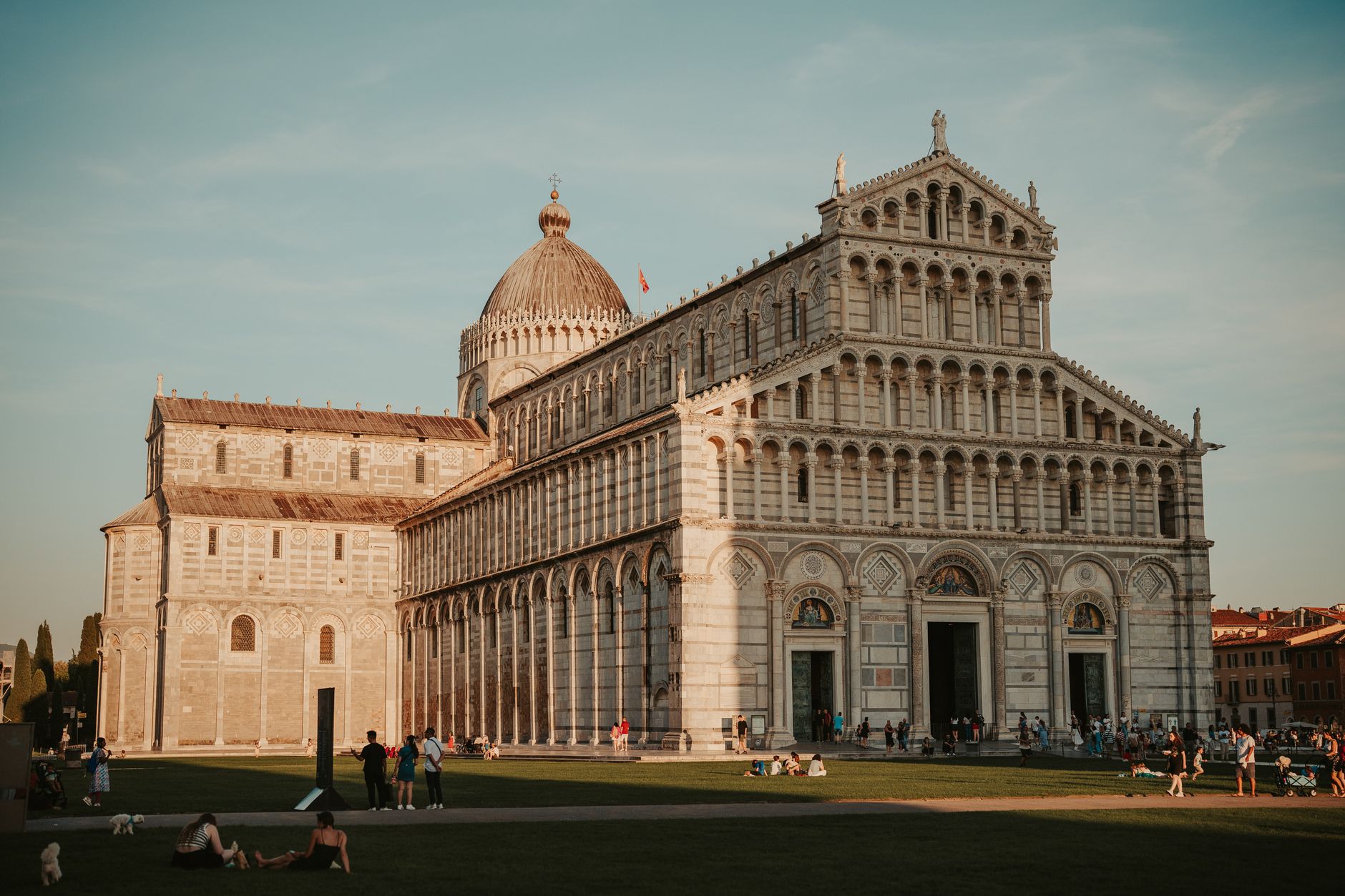
Witness one of the architectural wonders of the world at the Field of Miracles. Beyond photographing the iconic Leaning Tower, explore the magnificent white marble Duomo, the cavernous Baptistery boasting sublime acoustics, and the tranquil monastic cloisters of the Camposanto Monumentale.

When to Go

Best Time to Visit & Seasonality

Editor’s Pick: May, June, and September offer the ideal balance of warm, pleasant weather, blooming landscapes or harvest festivities, and manageable crowds before the intense July and August heat.

Spring Overview

(April to May)
Moderate
Average Temperature & Climate15°C to 22°C (59°F to 72°F)

Mild, breezy, and increasingly sunny with intermittent spring showers.

Crowd & Travel ConditionsModerate Tourist Traffic

Fewer lines and better deals.

✨ Seasonal Highlights:Wildflowers blanketing the Val d'Orcia, blooming iris gardens in Florence, and comfortable hiking conditions.
Travel Smarter

Practical Travel Essentials

CurrencyEUR (€)
LanguageItalian
Time ZoneCentral European Time (UTC+1, UTC+2 in summer)

Visa & Entry

Tuscany is part of Italy and the Schengen Area. Citizens of the US, Canada, Australia, and the UK do not need a visa for tourist stays up to 90 days within any 180-day period.

Getting Around & Transit

Florence has an efficient bus and tram network, but exploring the Tuscan countryside and hilltop towns essentially requires renting a car. Regional trains connect major cities like Florence, Pisa, Lucca, and Siena reliably.

Daily Budget Expectation

€100 - €250+ per day depending on travel style; budget travelers can manage on €70-€90 using hostels and casual paninis, while mid-range to luxury travelers spending on vineyard tours and fine dining will easily exceed €300+.

Safety & Health

High. Tuscany is very safe for travelers, though petty theft such as pickpocketing occurs in crowded tourist zones in Florence and around major train stations.

Local Etiquette & Customs

Always greet shopkeepers and servers with a polite 'Buongiorno' (Good morning) or 'Buonasera' (Good evening). Cappuccino is traditionally consumed only at breakfast and never after a heavy meal. Tipping is not mandatory or expected as service charges are typically included, though leaving a euro or two for exceptional service is appreciated.

Questions & Answers

Frequently Asked Questions about Tuscany

If you plan to stay exclusively in Florence, Pisa, or Lucca, you do not need a car and are better off using the train system. However, exploring the countryside, olive groves, and hilltop villages like those in Val d'Orcia or Chianti is significantly easier and more flexible with a rental car.