🌟 Best in Travel 2026 is here!
Egypt
countryAfrica
4.92 / 5.0

Egypt

A timeless voyage through monumental history, golden deserts, and the eternal Nile.

Editorial Guide

About Egypt

The sheer weight of antiquity is palpable from the moment you touch down in Egypt. The Nile River, a shimmering ribbon of life cutting through the hyper-arid Sahara, has served as the stage for one of humanity's greatest civilizations for over five millennia. To travel here is to walk among the colossal remnants of god-kings, where monumental stone temples, hidden tombs, and towering pyramids stand as defiant testaments to the human pursuit of immortality.

Beyond the archaeological wonders, Egypt is a sensory tapestry of vibrant modern life and deep-seated traditions. In Cairo, the air is thick with the aroma of roasting spices, exhaust, and sweet shisha smoke, punctuated by the rhythmic, overlapping calls to prayer echoing from a thousand minarets. Street life is a theatrical performance where horse-drawn carts share chaotic lanes with modern sedans, and old men play backgammon in historic cafes that have stood for centuries.

Traveling south along the Nile Valley reveals a slower, more contemplative rhythm. Luxor and Aswan transport visitors to a world of golden sandstone cliffs, emerald-green riverbanks, and traditional white-sailed feluccas drifting lazily under a cobalt sky. Here, the hospitality of the Nubian people and the warmth of Upper Egyptian culture offer an intimate, human counterbalance to the overwhelming scale of the ancient ruins.

To the east and west, the landscape transforms into dramatic extremes. The Sinai Peninsula and Red Sea coast offer world-class marine sanctuaries where vibrant coral reefs teem with life, contrasting sharply with the stark, sun-bleached mountains rising from the shore. Meanwhile, the Western Desert hides surreal geological wonders like the White Desert, where wind-sculpted chalk formations resemble an alien landscape under a canopy of infinitely bright desert stars.

Visual Impressions & Moments

Egypt photo 1
Egypt photo 2
Egypt photo 3
Egypt photo 4
Egypt photo 5
Egypt photo 6
Unmissable Moments

Top Things to Do in Egypt

Scenic

Sailing the Nile on a Traditional Felucca at Sunset

Board a traditional wooden, single-masted sailboat in Aswan as the late afternoon sun begins to dip. Feel the motorless silence of the river as the wind carries you past the granite boulders of the First Cataract and the lush, green banks of Elephantine Island. The optimal time is just before dusk, when the sky turns brilliant shades of amber, violet, and gold, reflecting off the glassy water. Tip: Hire a private felucca for two hours to enjoy a peaceful, unhurried journey away from the larger tour groups.

Must-Do

Descending into the Tomb of Seti I in the Valley of the Kings

While many tombs in Luxor's Valley of the Kings are breathtaking, the Tomb of Seti I (KV17) is the absolute pinnacle of ancient Egyptian art. Reaching deep into the limestone mountain, its walls are entirely covered in exquisitely preserved, raised-relief carvings and vibrant paints that look as fresh as the day they were applied 3,300 years ago. Go early in the morning when the site first opens at 6:00 AM to avoid the heat and crowds. It requires an extra ticket, but the sheer detail of the astronomical ceilings and underworld scenes is worth every penny.

Scenic

Drifting Over Luxor in a Hot Air Balloon at Sunrise

Ascend into the cool morning air just as the sun begins to peek over the East Bank of the Nile. From your aerial vantage point, watch the stark contrast of the lush green agricultural floodplains meeting the sterile, golden sands of the desert. Below you, the colossal Colossi of Memnon, the mortuary temple of Hatshepsut, and the sprawling complex of Medinet Habu are illuminated in soft, warm morning light. Book a reputable operator with strict safety standards, and dress in layers as the early morning desert air can be chilly.

Adventure

Scuba Diving the SS Thistlegorm and Ras Mohammed

The Red Sea off the Sinai Peninsula offers some of the most spectacular marine biodiversity on earth. Dive the legendary wreck of the SS Thistlegorm, a British Merchant Navy ship sunk during WWII, which still holds its cargo of motorbikes, trucks, and locomotives frozen in time. Combine this with a drift dive through the sheer walls of Ras Mohammed National Park, where the mixing of deep gulf waters attracts massive schools of barracuda, jackfish, and reef sharks amidst neon-hued soft corals.

Must-See Highlights

Top Places & Things to Do in Egypt

Curated attractions and cultural landmarks with local insider advice.

The Pyramids of Giza & The Great Sphinx
attraction
4.95

The Pyramids of Giza & The Great Sphinx

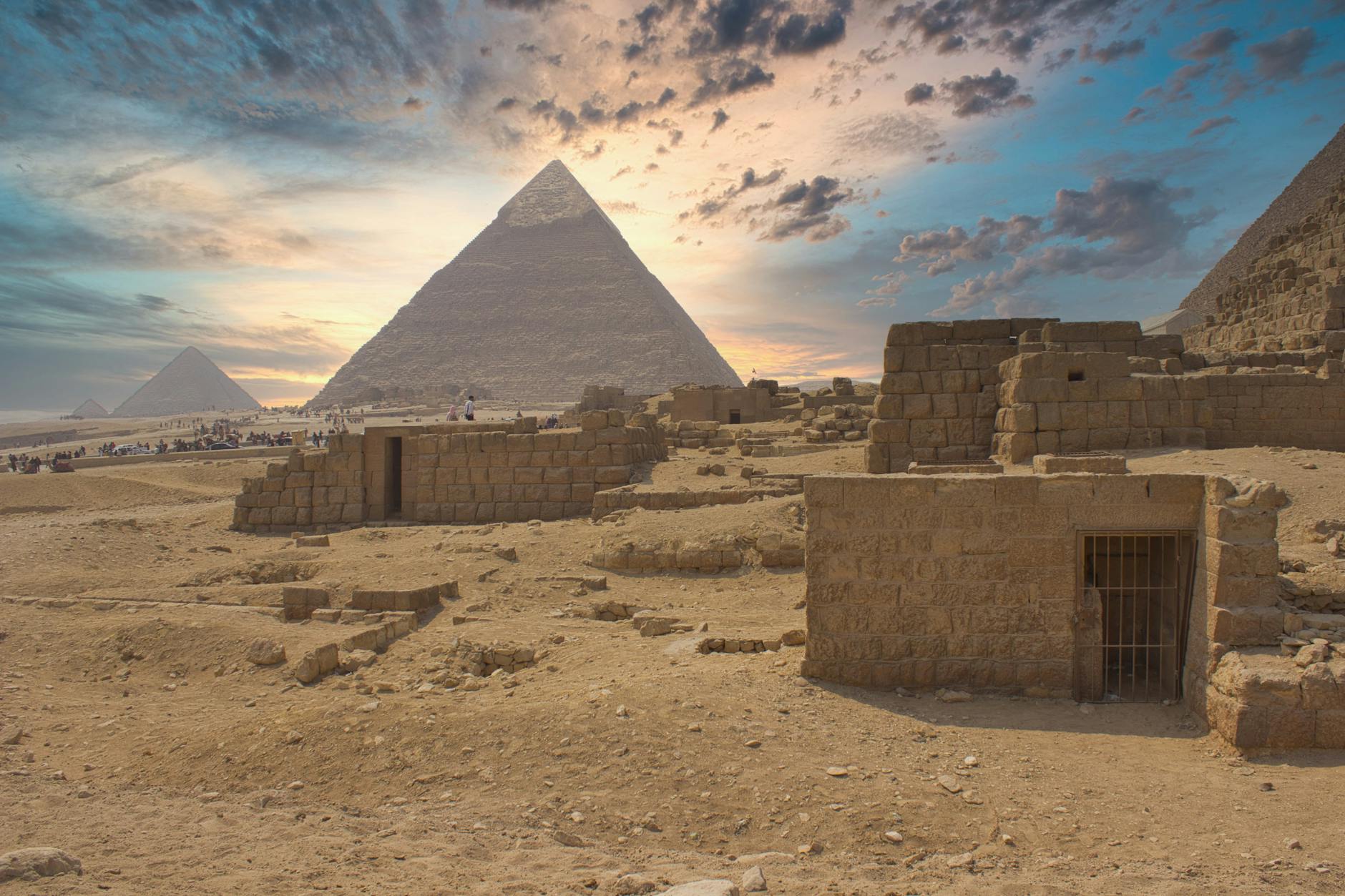
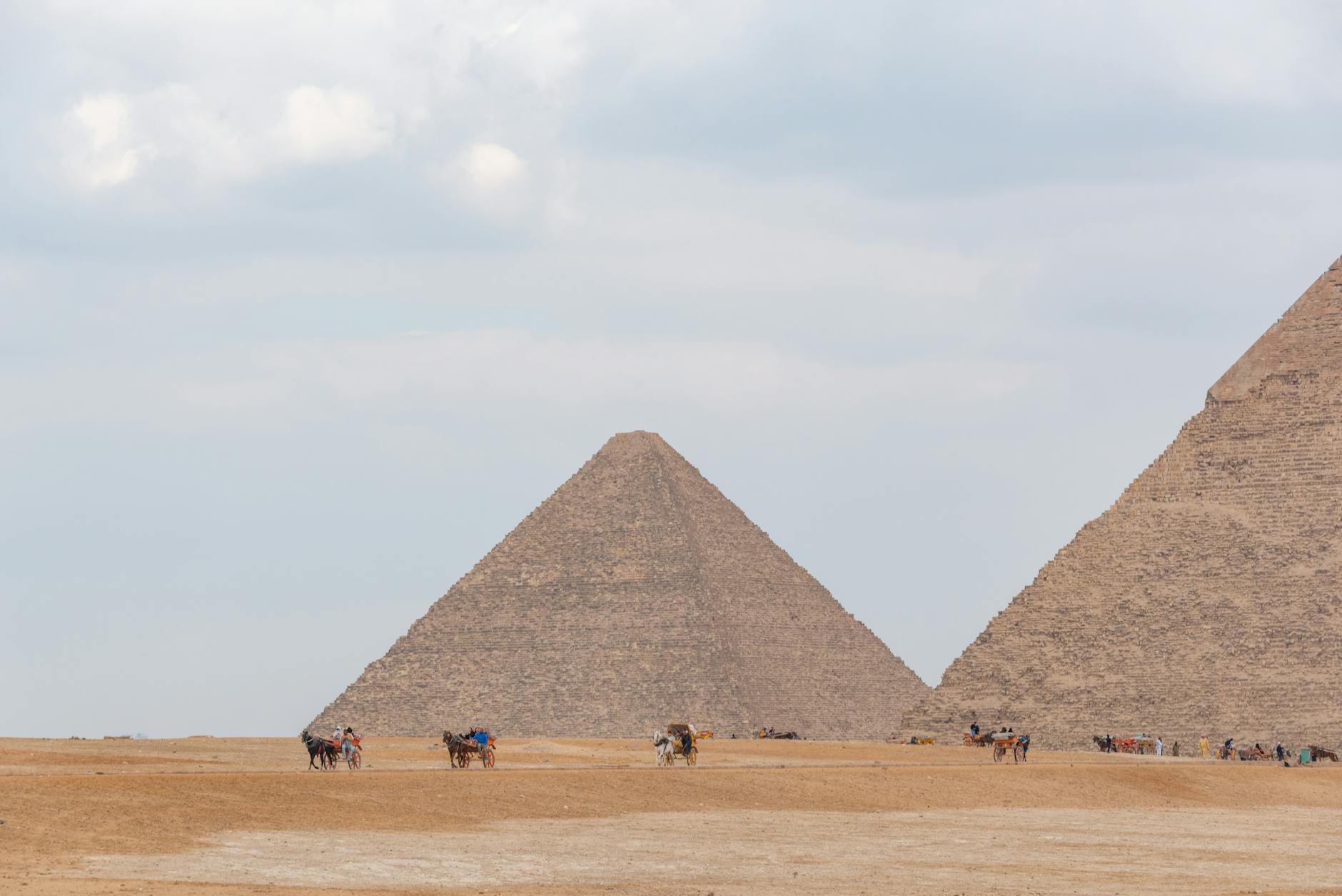
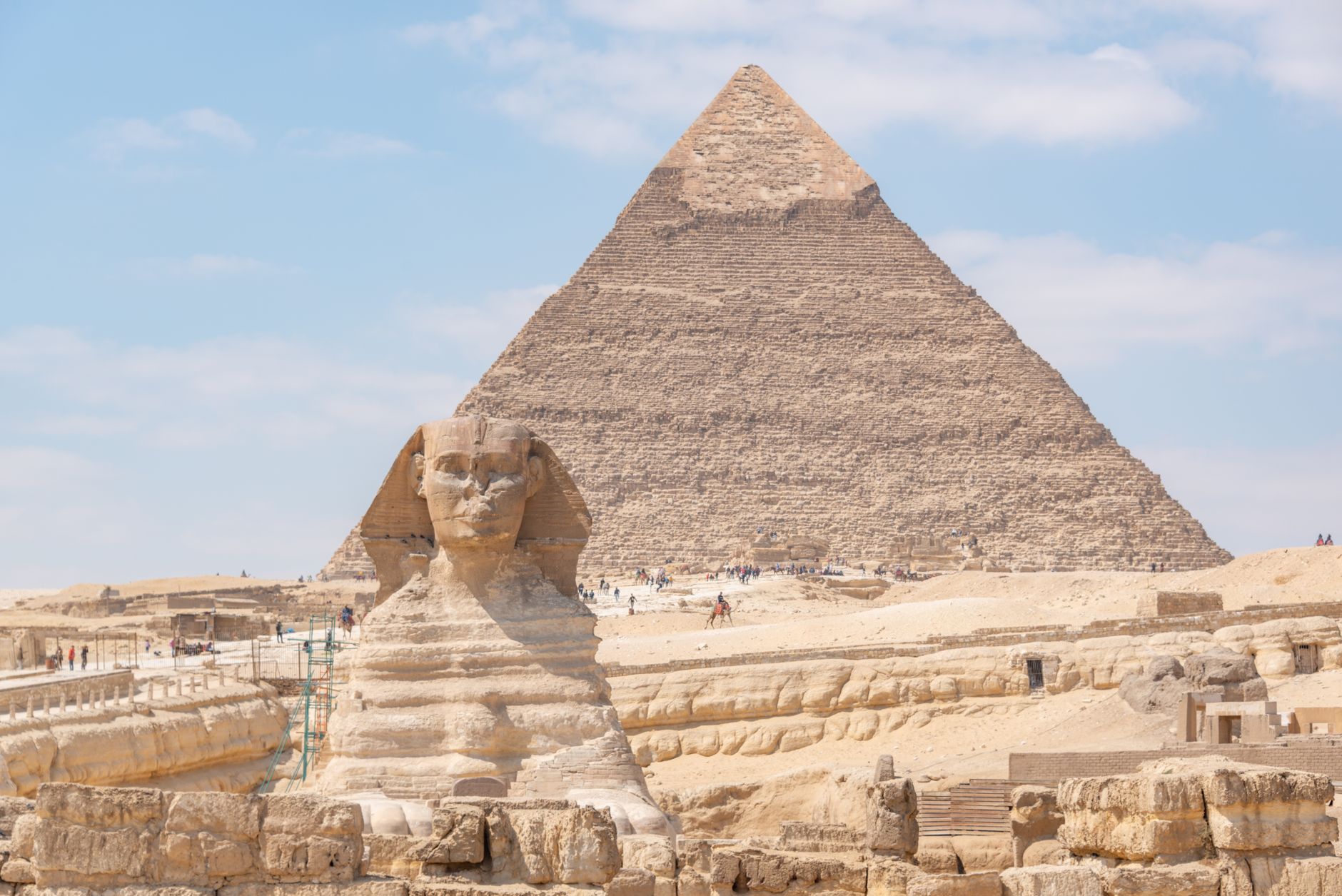
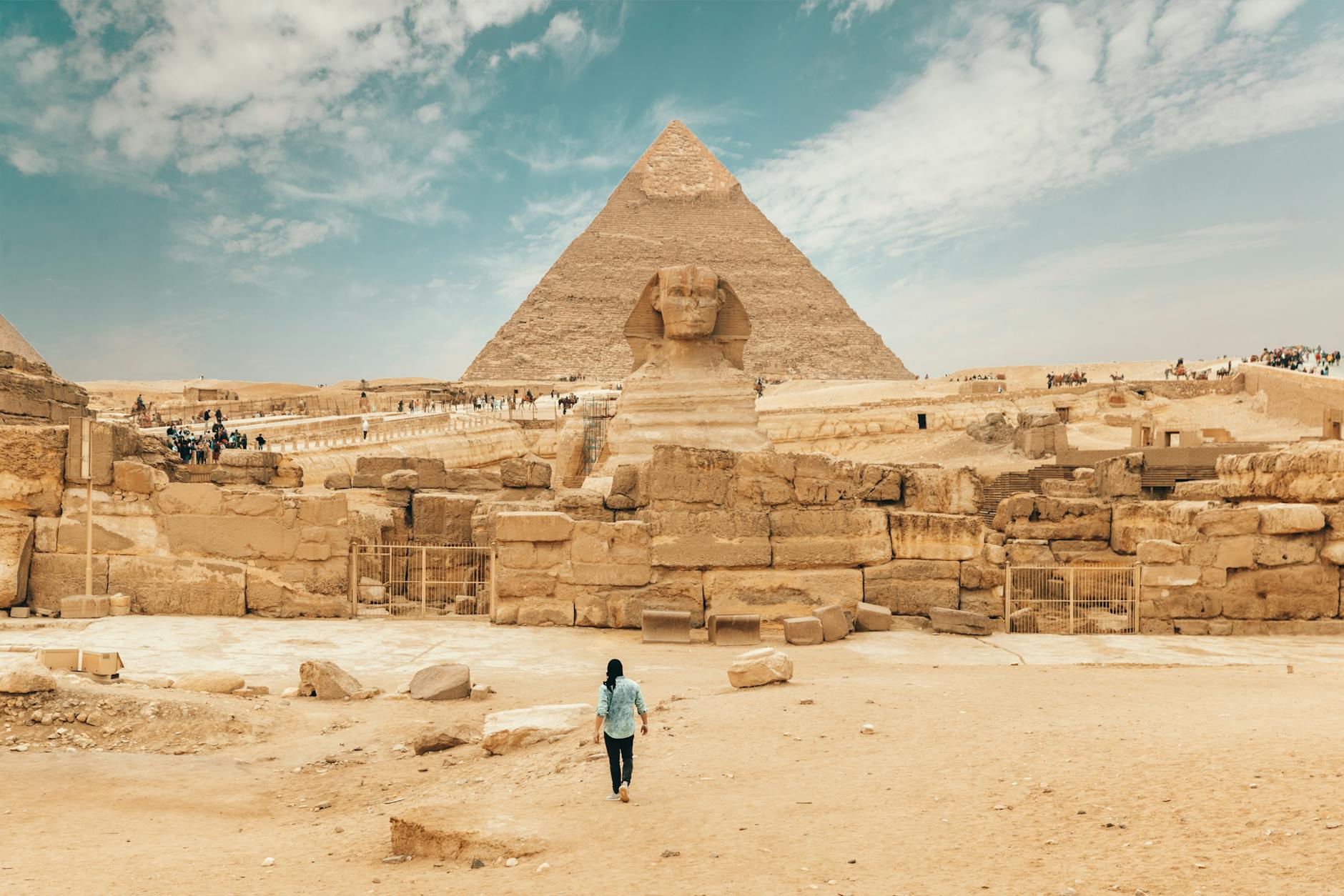
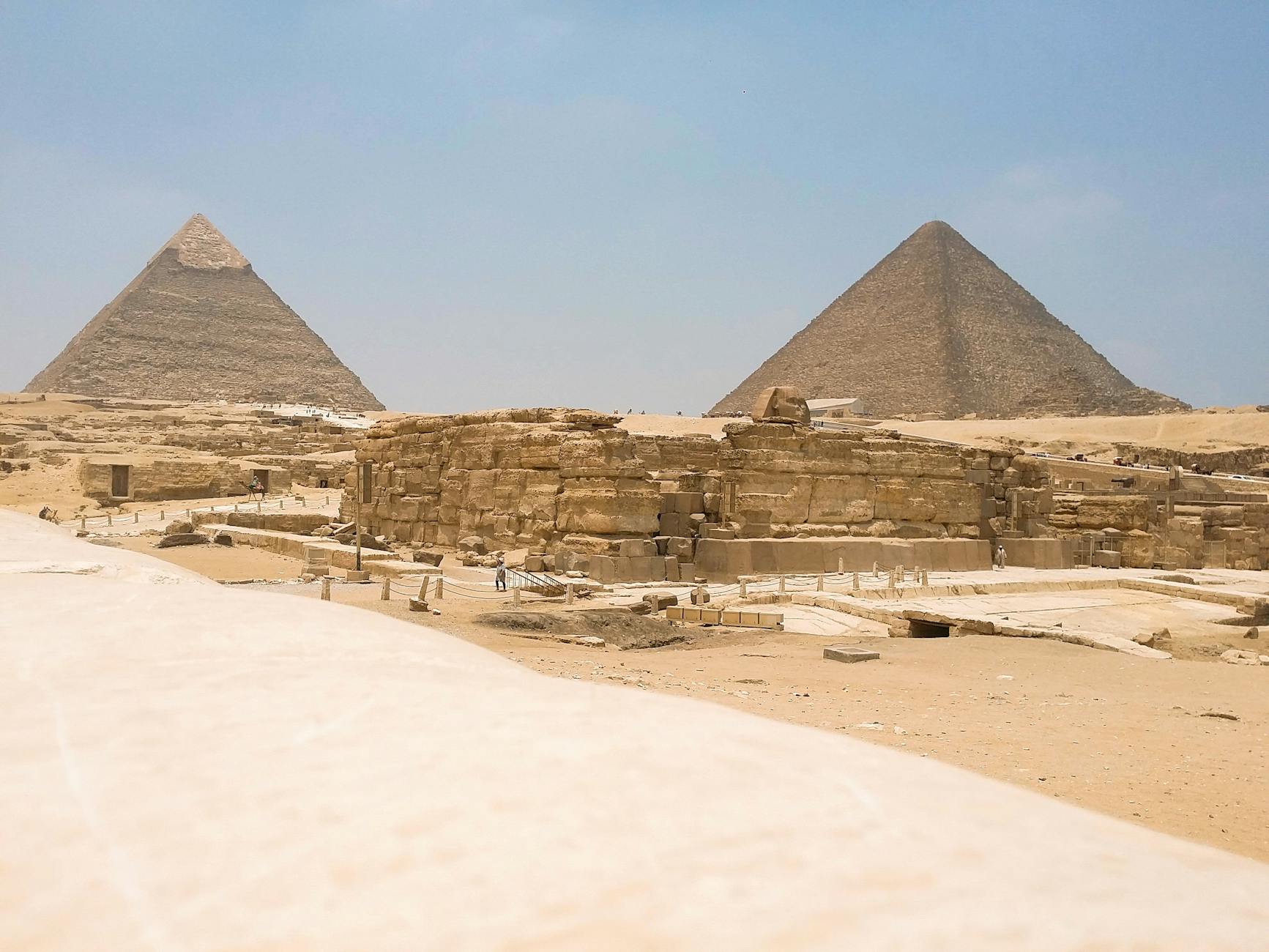
Standing as the sole surviving wonder of the ancient world, the Pyramids of Giza are an absolute marvel of human engineering. Built during the Fourth Dynasty of the Old Kingdom, these monumental tombs for the pharaohs Khufu, Khafre, and Menkaure have dominated the desert horizon for over 4,500 years. Standing at the base of the Great Pyramid of Khufu, the sheer scale of the individual limestone blocks—each weighing several tons—is humbling. Adjacent to the pyramids sits the enigmatic Great Sphinx, a colossal limestone statue with the body of a lion and the head of a king, carved directly out of the bedrock. Visitors can walk around the pyramid complex, enter the narrow, claustrophobic burial chambers deep inside the pyramids, or head to the panoramic viewpoint to capture the classic shot of all three pyramids rising from the desert sands.

7:00 AM - 5:00 PM daily (winter hours may vary)
Admission: EGP 540 (approx. USD 11) for entry to the complex; extra for entering inside the Great Pyramid
Insider Tip: Arrive precisely at 7:00 AM to beat the tour buses and the midday heat. Avoid the aggressive camel and horse carriage drivers inside the complex; if you wish to ride, negotiate and agree on a fixed price at the official ticket office beforehand.
The Temple of Philae
culture
4.88

The Temple of Philae

Rising majestically from the waters of the Nile, the Temple of Philae is an island sanctuary dedicated to Isis, the ancient Egyptian goddess of motherhood, magic, and healing. Built during the Ptolemaic dynasty, this elegant temple complex is one of the last bastions of ancient Egyptian religion, where hieroglyphs were carved long after Christianity had taken root elsewhere in the country. The temple's setting on Agilkia Island is incredibly romantic, reached only by a short, scenic boat ride. The architecture is a beautiful fusion of classical Egyptian design and Greco-Roman influences, featuring grand pylons, colonnaded courtyards, and the famous Kiosk of Trajan—a beautiful, roofless stone structure that stands as a sentinel at the edge of the water.

7:00 AM - 4:00 PM daily (with evening Light and Sound shows)
Admission: EGP 450 (excludes the cost of the boat ride to the island)
Insider Tip: The motorboat ride to the island is not included in the ticket price. You must negotiate fiercely with the boatmen at the marina. A fair price is usually around EGP 150-200 round-trip for the boat. Try visiting in the late afternoon to catch the golden hour light striking the temple walls.
The Valley of the Kings
culture
4.91

The Valley of the Kings

Hidden deep within the barren, sun-scorched limestone hills of Luxor's West Bank lies the Valley of the Kings, the final resting place of Egypt's New Kingdom pharaohs. For nearly 500 years, from the 16th to the 11th century BC, tombs were painstakingly excavated into the valley walls, designed to protect the mummified remains and immense treasures of rulers like Tutankhamun, Ramesses the Great, and Hatshepsut. The unassuming desert canyon belies the breathtaking artistry hidden underground. Descending into the tombs reveals long, sloping corridors adorned with stunning, colorful reliefs depicting scenes from the Book of the Dead, guiding the pharaoh on his perilous journey through the underworld. The preservation of the pigments, protected from light and moisture for millennia, is nothing short of miraculous.

6:00 AM - 5:00 PM daily
Admission: EGP 600 (includes entry to 3 tombs of your choice; King Tutankhamun and Seti I require extra tickets)
Insider Tip: Your standard ticket allows entry to three tombs. Highly recommended choices are the tombs of Ramesses III, Ramesses IV, and Merenptah. Bring a small pocket flashlight to illuminate the fine details of the reliefs, and carry plenty of water as the valley gets incredibly hot by mid-morning.
The Grand Egyptian Museum (GEM)
attraction
4.93

The Grand Egyptian Museum (GEM)

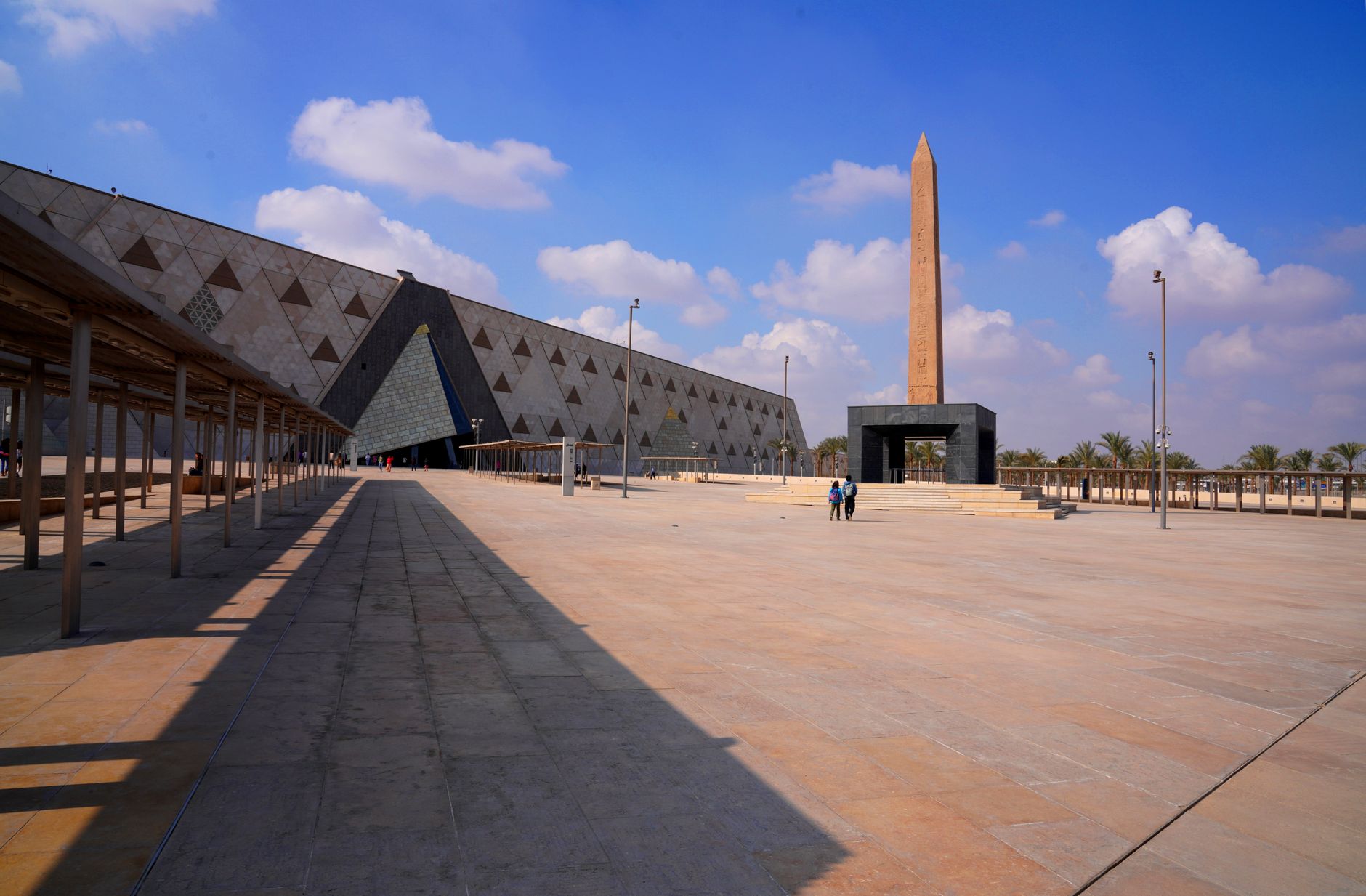
Situated on the edge of the Giza plateau, the Grand Egyptian Museum (GEM) is the largest archaeological museum complex in the world dedicated to a single civilization. This ultra-modern architectural masterpiece features a sweeping, translucent stone facade that aligns perfectly with the nearby Giza Pyramids. The interior is characterized by soaring atrium spaces, grand staircases, and massive glass walls offering panoramic views of the ancient monuments. The museum houses over 100,000 artifacts spanning thousands of years of Egyptian history. Its crowning jewel is the complete, unparalleled collection of King Tutankhamun's treasures, displayed together in their entirety for the very first time since their discovery in 1922. This includes his iconic solid gold death mask, elaborate sarcophagi, gilded chariots, and intimate personal belongings.

9:00 AM - 6:00 PM daily
Admission: EGP 1000 for international visitors (subject to change; check official website for updates)
Insider Tip: Book your tickets online well in advance, as daily entry numbers are strictly regulated. Opt for a guided tour of the Grand Hall and Great Staircase to fully appreciate the architectural symbolism and history behind the colossal statue of Ramses II that dominates the atrium.
Area Guide

Where to Stay & Best Neighborhoods

Islamic Cairo & Khan el-Khalili

Best for: History buffs, photographers, street food lovers, and souvenir shoppers.

Vibe: Chaotic, historic, aromatic, and deeply atmospheric.

Stepping into Islamic Cairo is like entering a medieval time capsule. This dense labyrinth of narrow alleys is packed with spectacular Mamluk-era mosques, historic madrassas, and ancient water fountains (sabils). The air is thick with the scent of cumin, cardamom, and roasting meats from street-side stalls. At its heart lies the Khan el-Khalili bazaar, a bustling market operating since the 14th century, where vendors sell everything from hand-hammered copper lanterns to alabaster statues and custom-blended perfumes.

The West Bank, Luxor

Best for: Archaeology enthusiasts, couples, and those seeking a quiet retreat.

Vibe: Mystical, rural, peaceful, and slow-paced.

In contrast to the bustling, modern city of Luxor on the East Bank, the West Bank is a tranquil agrarian landscape of sugarcane fields, small mudbrick villages, and towering limestone cliffs. This is the ancient land of the dead, where the pharaohs were buried to meet the setting sun. Walking or cycling through this area offers a glimpse into traditional Egyptian rural life, with the added wonder of world-class archaeological sites like the Ramesseum and the Valley of the Queens rising directly out of the agricultural fields.

Elephantine Island, Aswan

Best for: Cultural immersion, slow travelers, and families.

Vibe: Relaxed, colorful, Nubian-influenced, and car-free.

Situated in the middle of the Nile River at Aswan, Elephantine Island is home to vibrant, traditional Nubian villages characterized by brightly painted mudbrick houses, dusty lanes, and friendly locals. The island is entirely free of cars, making it an incredibly peaceful sanctuary. Visitors can stroll through palm groves, visit the ancient ruins of Abu at the southern tip, and enjoy traditional hibiscus tea at a riverside cafe while watching the feluccas glide past.

Food & Drink Scene

What to Eat in Egypt

Koshary

Egypt's ultimate comfort food and national dish is a carb-heavy masterpiece. It consists of a hearty base of lentils, long-grain rice, and macaroni, topped with chickpeas, garlic-infused vinegar, and a rich, spicy tomato sauce. The entire dish is finished with a generous handful of crispy, deep-fried onions. It is incredibly filling, cheap, and loved by Egyptians of all walks of life.

🍴 Top spot: Koshary Abou Tarek, Cairo (a legendary multi-story restaurant dedicated entirely to perfecting this single dish).

Ta'ameya (Egyptian Falafel)

Unlike Levant-style falafel made with chickpeas, Egyptian Ta'ameya is made exclusively from crushed fava beans mixed with a generous amount of fresh parsley, cilantro, dill, and leeks. This gives the interior a vibrant green color and an incredibly light, fluffy texture. It is coated in sesame seeds and deep-fried to a perfect, crunchy golden brown, typically served stuffed inside warm Aish Baladi (Egyptian flatbread) with tahini and pickles.

🍴 Top spot: Zooba, Cairo (for a high-quality, modern take) or any busy street cart with a long queue of locals at breakfast.

Molokhia

A deeply traditional, comforting green soup made from the finely minced leaves of the jute plant, cooked in a rich chicken, rabbit, or seafood broth. The defining feature of Molokhia is the 'Tasha'—a sizzling mixture of crushed garlic and ground coriander fried in ghee that is stirred into the soup at the very end of cooking. It has a uniquely viscous, slightly mucilaginous texture and is traditionally eaten with white rice or scooped up with flatbread.

🍴 Top spot: Abou El Sid, Cairo (known for serving authentic, classic Egyptian dishes in an atmosphere reminiscent of a mid-century Cairo salon).
Excursions

Best Day Trips from Egypt

The Colossal Rock-Cut Temples of Abu Simbel

3 hours each way by tourist bus from Aswan, or a 45-minute flight.

Located deep in the Nubian desert near the Sudanese border, Abu Simbel features two magnificent temples carved directly into a sandstone cliff by Ramses II in the 13th century BC. The Great Temple is guarded by four colossal, 20-meter-high statues of the pharaoh himself. The entire complex was miraculously moved block-by-block to higher ground in the 1960s to save it from the rising waters of Lake Nasser. The sight of these monumental figures reflecting in the desert sun is an unforgettable experience.

The Surreal Landscapes of the White Desert

4.5 hours by 4x4 vehicle from Cairo to Bahariya Oasis (the gateway).

A journey into the Western Desert reveals one of Egypt's most bizarre and beautiful natural wonders. The White Desert National Park is filled with massive, chalk-white rock formations that have been wind-carved over millennia into shapes resembling giant mushrooms, tents, and abstract sculptures. This contrasts dramatically with the surrounding golden sand dunes. A typical day trip includes visiting the nearby Black Desert, Crystal Mountain, and camping under a pristine, unpolluted night sky.

When to Go

Best Time to Visit & Seasonality

Editor’s Pick: The absolute best time to visit Egypt is during the cooler winter months from October to April. During this window, temperatures across the country are pleasant and comfortable for exploring exposed archaeological sites like the Pyramids of Giza and the Valley of the Kings, where daytime shade is virtually non-existent. December and January are the peak tourist months, meaning major sites will be crowded and accommodation prices will be at their highest. For the ideal balance of pleasant weather and manageable crowds, aim for the shoulder months of October, November, or March.

Spring Overview

(March - May)
Moderate
Average Temperature & Climate20°C - 35°C (68°F - 95°F)

Warm and mostly sunny, though prone to the occasional Khamsin wind which can blow dust and sandstorms across the desert plains.

Crowd & Travel ConditionsModerate Tourist Traffic

Fewer lines and better deals.

✨ Seasonal Highlights:Excellent time for cruising the Nile and exploring Luxor before the intense summer heat sets in. The coastal resorts of the Red Sea are also highly pleasant.
Travel Smarter

Practical Travel Essentials

CurrencyEgyptian Pound (EGP)
LanguageArabic
Time ZoneGMT+2

Visa & Entry

Most international travelers (including citizens of the US, Canada, EU, UK, and Australia) can easily obtain a 30-day single-entry tourist visa on arrival at major Egyptian airports for USD 25. It must be paid in cash (USD, EUR, or GBP). Alternatively, travelers can apply online for an e-Visa at least 7 days prior to departure through the official governmental portal.

Getting Around & Transit

For travel between major cities (Cairo, Luxor, Aswan), the most comfortable options are domestic flights or the tourist sleeper trains. Within Cairo, Uber is highly reliable, cheap, and eliminates the need to negotiate fares with traditional taxi drivers. In Luxor and Aswan, private drivers or pre-arranged hotel transfers are the most efficient way to hop between archaeological sites.

Daily Budget Expectation

Egypt offers exceptional value. A budget traveler can manage on USD 30-50 per day (using public transport, eating street food, and staying in hostels). A mid-range traveler can expect to spend USD 80-150 per day for 4-star hotels, sit-down meals, and private tour guides. Luxury travelers can easily spend upwards of USD 300-600+ per day for historic 5-star resorts, private Nile cruises, and high-end dining.

Safety & Health

Egypt is generally safe for tourists, with a heavy security presence at all major archaeological sites, hotels, and transit hubs. However, petty crime like pickpocketing is common in crowded markets. The most frequent issue travelers face is aggressive hassling from street vendors, camel drivers, and taxi touts. A firm, polite 'La, Shukran' (No, thank you) and walking away is the best response.

Local Etiquette & Customs

Egypt is a conservative, predominantly Muslim country. Dress modestly to show respect: both men and women should keep shoulders and knees covered, especially when visiting mosques or non-tourist areas. Loose, breathable linen clothing is ideal. Always ask permission before taking photos of locals, and avoid photographing military installations, police officers, or public infrastructure.

Questions & Answers

Frequently Asked Questions about Egypt

No, it is highly recommended to avoid drinking tap water in Egypt. Use bottled water for drinking, brushing your teeth, and making ice. Ensure the seal on bottled water is intact before consuming. Most reputable hotels and cruises provide complimentary bottled water daily.