About Yokohama & Kamakura
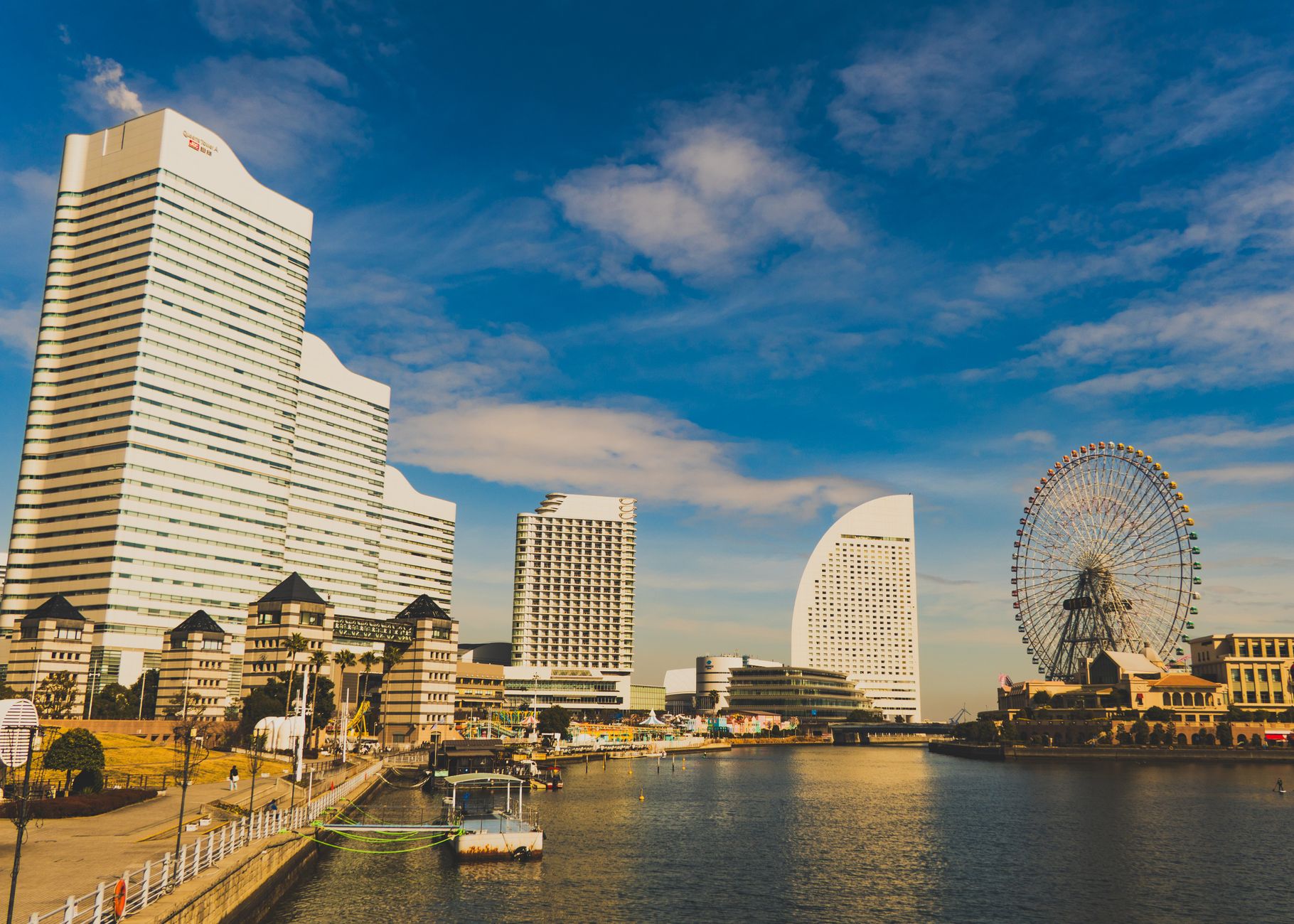
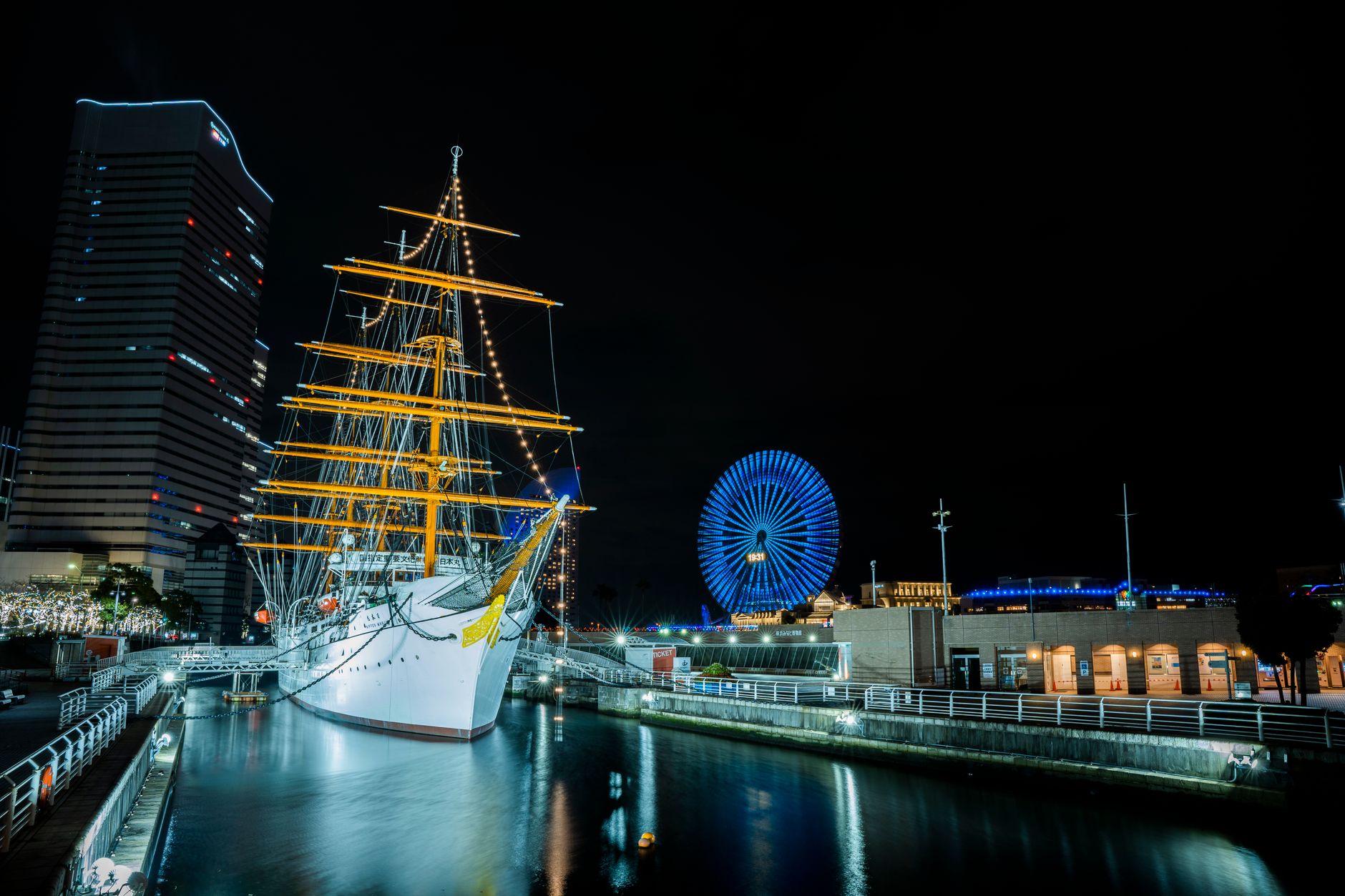
Yokohama and Kamakura offer a mesmerizing duality that brilliantly captures the sweep of Japanese history and cultural evolution. Just south of Tokyo, Yokohama unfurls as Japan’s grand gateway to the world—a gleaming, harbor-defining metropolis where red-brick Victorian warehouses meet futuristic Ferris wheels and the labyrinthine, lantern-lit alleys of one of the planet's largest Chinatowns. Its atmosphere is distinctly maritime, cosmopolitan, and breezy, shaped by late-19th-century trade and an embrace of international flavors and architecture.
Scarcely thirty minutes away by train, Kamakura provides a profound counterpoint. Nestled between verdant, mist-shrouded hills and the crashing waves of Sagami Bay, this former medieval capital of Japan is a sanctuary of Zen temples, towering bamboo groves, and ancient stone deities. Where Yokohama pulses with neon-lit urbanity and shipping cranes, Kamakura whispers through moss-covered gardens, incense-heavy temple halls, and coastal walks overlooking the deep blue Pacific.
Geographically, this dual destination forms an ideal corridor for travelers seeking to escape the sheer density of Tokyo without sacrificing convenience or cultural depth. The topography shifts dramatically from Yokohama's reclaimed industrial waterfronts and sweeping suspension bridges to Kamakura's dramatic valley cuts and ocean-facing bluffs, framed by the distant, snow-capped majesty of Mount Fuji on clear days.
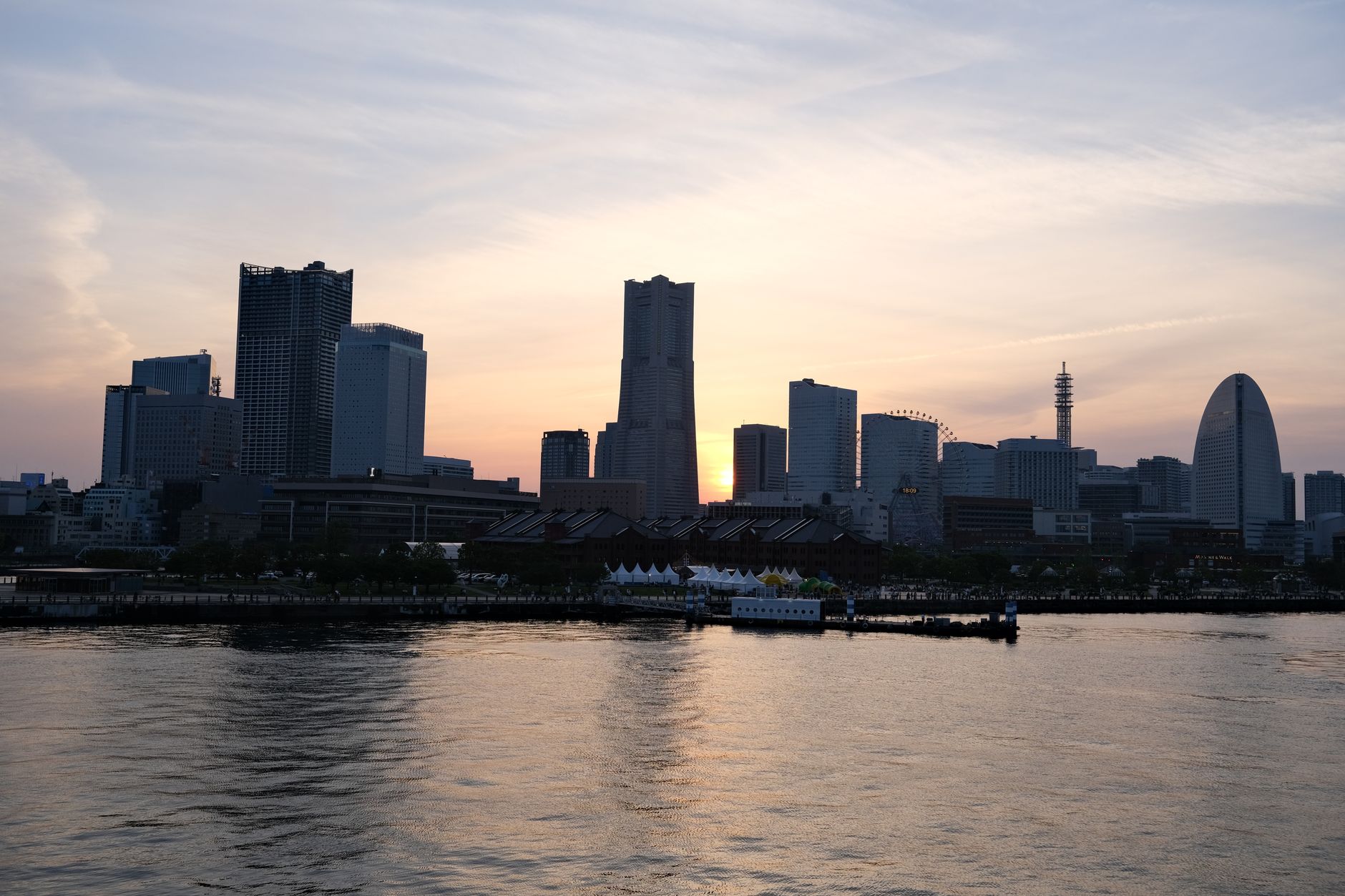
Local life here moves at a more contemplative yet vibrant pace compared to the capital. Yokohama residents proudly gather along the grand waterfront promenades of Minato Mirai to watch the sunset paint the harbor gold, while Kamakura locals surf at Yuigahama Beach at dawn before tending to centuries-old temple grounds. Together, these two neighboring entities present a masterclass in contrasts—blending the relentless forward march of Japanese innovation with the timeless, meditative elegance of the feudal past.
Visual Impressions & Moments