Redefining Safety in Latin America: What the Data Shows
For many travelers, the mere mention of Latin America conjures a dual image: one of breathtaking volcanic peaks, ancient ruins, and vibrant rhythms; the other of cautionary headlines and travel advisories. However, treating an entire continent and a half as a monolith does a profound disservice to the peaceful, stable, and incredibly welcoming nations within it.
According to the latest reports from the Global Peace Index (GPI) and security analyses from international travel risk firms, several Latin American nations consistently rank alongside European and North American destinations for safety, political stability, and low rates of violent crime.
Whether you are a solo female traveler plotting your first solo venture, a family seeking an eco-adventure, or a remote worker looking for a secure base, these five countries offer incredible experiences with peace of mind built right in. To start mapping out your logistics, you can customize your journey step-by-step using the Voyage Roams Trip Planner.
1. Uruguay: The Progressive Oasis of South America
Often called the "Switzerland of South America," Uruguay is consistently ranked as the safest and most politically stable country in Latin America. Nestled between Brazil and Argentina, this small nation punches far above its weight in social progressiveness, low corruption, and high quality of life.
Why It is Safe
Uruguay boasts a strong middle class, high literacy rates, and progressive social policies that foster a highly cohesive society. Violent crime is exceptionally rare, especially in areas frequented by travelers. Even in the capital city of Montevideo, you can comfortably walk through most neighborhoods at night, though standard urban awareness is always recommended.
What to Experience
- Montevideo: Wander the historic Ciudad Vieja (Old Town), enjoy a sizzling steak at the Mercado del Puerto, and walk along the Rambla, the city's beloved waterfront promenade.
- Colonia del Sacramento: A UNESCO World Heritage site, this romantic, cobblestoned Portuguese colonial town is just a short ferry ride from Buenos Aires.
- Punta del Este: The playground of South America's elite, offering pristine beaches, world-class dining, and spectacular modern art installations like La Mano.
Uruguayan Cultural Pro-Tip: To blend in like a local, purchase a leather-bound mate cup, a thermos, and some loose-leaf yerba mate. Carrying your mate setup under your arm while walking the Rambla at sunset is the ultimate Uruguayan social ritual.
Budget Snapshot
- Daily Budget (Mid-Range): $100–$150 USD per day.
- Accommodation: $40–$80 USD for a boutique guesthouse.
- Local Meal: $15–$25 USD for a traditional chivito (steak sandwich) or a meal at a local parrillada.
2. Costa Rica: The Eco-Adventure Sanctuary
Costa Rica famously abolished its military in 1948, redirecting national funds toward healthcare, education, and environmental conservation. This long-standing commitment to peace and sustainability has made it a beacon of safety and the undisputed capital of eco-tourism in Central America.
Why It is Safe
With a highly developed tourism infrastructure, Costa Rica is incredibly easy to navigate. Locals, known proudly as Ticos, are famously warm and helpful. The country is exceptionally safe for solo female travelers and families, with well-established shuttle networks, bilingual guides, and a culture centered around Pura Vida (the pure life). If you're planning your first trip here, check out our Comprehensive Guide to Costa Rica.
What to Experience
- Manuel Antonio National Park: Hike through lush rainforests where white-faced capuchin monkeys swing overhead, ending at postcard-perfect white-sand beaches.
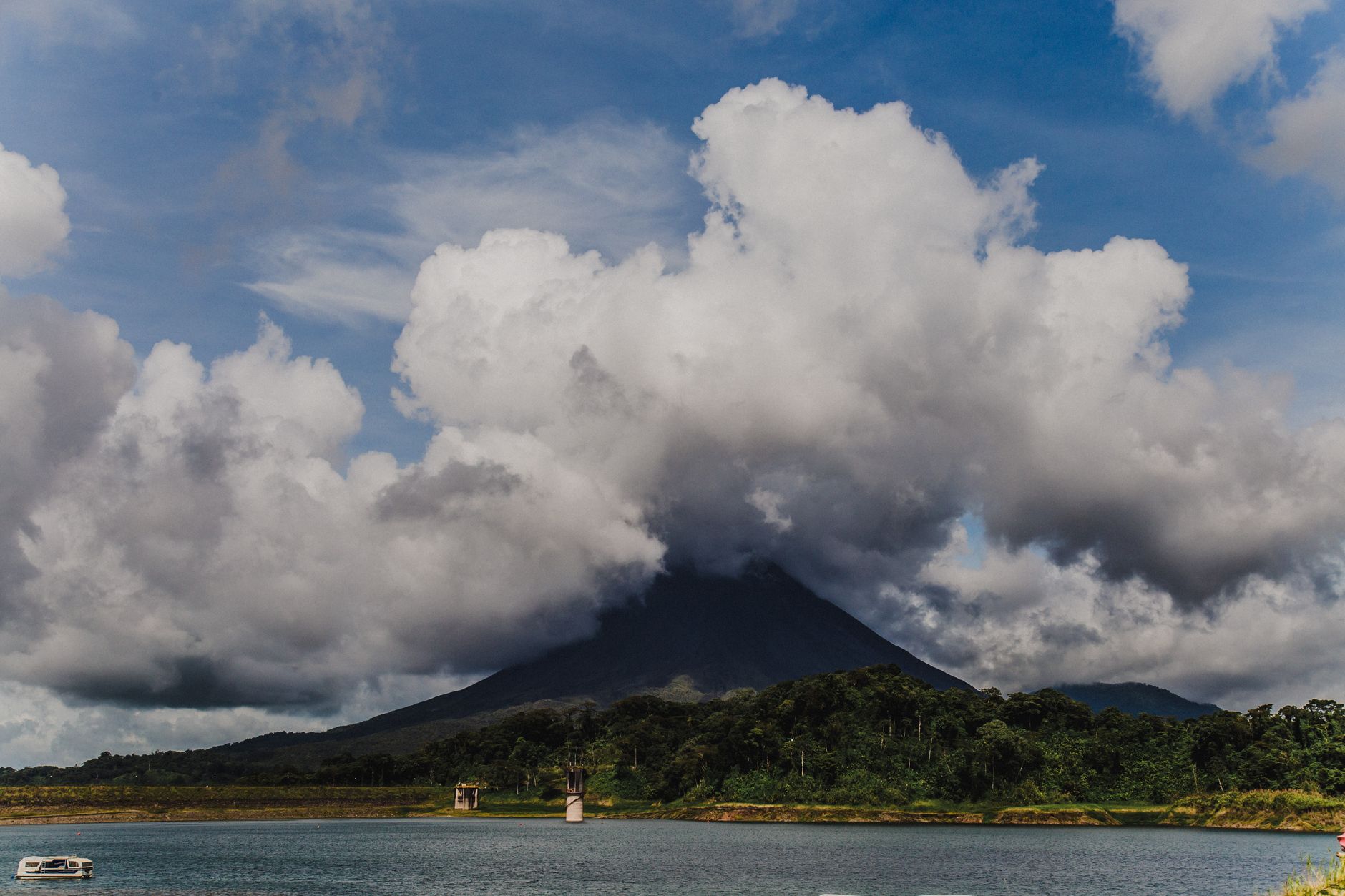
- Arenal Volcano: Soak in natural volcanic hot springs surrounded by tropical flora, then zipline through the cloud forest canopy.
- The Nicoya Peninsula: Explore one of the world's official "Blue Zones," where residents regularly live past 100, and learn to surf in the laid-back towns of Nosara or Santa Teresa.
Budget Snapshot
- Daily Budget (Mid-Range): $90–$140 USD per day.
- Accommodation: $50–$90 USD for an eco-lodge or jungle cabin.
- Local Meal: $6–$10 USD for a hearty casado (traditional plate of rice, beans, plantains, and protein) at a local soda (diner).
3. Chile: The Sophisticated Spine of the Andes
Stretching over 2,600 miles along the Pacific coast, Chile is a land of extreme contrasts—from the driest desert on Earth to towering glacial fjords. It also stands as one of the most economically prosperous and secure nations in South America.
Why It is Safe
Chile possesses highly professionalized police forces (known as Carabineros), modern highway infrastructure, and a very low rate of violent crime. While petty theft like pickpocketing can occur in crowded areas of Santiago or Valparaíso, physical safety is rarely a concern. It is an ideal destination for those who love high-altitude treks and rugged road trips. For a detailed route through the dramatic south, read our Tested Chile Patagonia Itinerary.
What to Experience
- The Atacama Desert: Stargaze in the clearest skies on Earth, visit surreal salt flats, and watch geysers erupt at dawn.
- Valparaíso: Explore this bohemian, UNESCO-listed port city famous for its colorful funiculars, vibrant street art, and coastal seafood.
- Torres del Paine National Park: Embark on the world-renowned "W" Trek to witness granite peaks rising dramatically over turquoise glacial lakes.
Budget Snapshot
- Daily Budget (Mid-Range): $110–$160 USD per day.
- Accommodation: $60–$100 USD for a modern hotel or cozy Patagonian hostal.
- Local Meal: $12–$20 USD for fresh seafood or a traditional pastel de choclo (corn casserole) paired with a glass of local Carmenère wine.
4. Panama: The Modern, Dollarized Crossroads
Connecting North and South America, Panama is a dynamic hub of global commerce, rich indigenous cultures, and pristine tropical archipelagos. Its modern skyline, strong economy, and unique geographical position make it one of the safest and most convenient destinations in Central America.
Why It is Safe
Panama uses the US Dollar as its official currency (locally called the Balboa), which eliminates currency exchange scams and provides economic stability. The country has a highly visible tourist police force (Policía de Turismo) in major destinations, and violent crime rarely impacts tourists. Panama is also located entirely outside of the Caribbean hurricane belt, making it a safe year-round choice.
What to Experience
- Panama City's Casco Viejo: Stroll through the historic colonial quarter, which features beautifully restored 17th-century buildings, trendy rooftop bars, and world-class coffee shops serving rare Geisha coffee.
- The San Blas Islands: Unplug completely in this self-governed indigenous Guna Yala territory, comprising over 300 pristine coral islands.
- Boquete: Escape to the cool highlands for birdwatching, coffee plantation tours, and hiking the Volcán Barú.
Safety Pro-Tip: When taking taxis in Panama City, always agree on the fare beforehand or use ride-sharing apps like Uber, which are widely available, safe, and highly regulated.
Budget Snapshot
- Daily Budget (Mid-Range): $85–$130 USD per day.
- Accommodation: $45–$85 USD for a stylish hotel in Casco Viejo or a highland cabin.
- Local Meal: $8–$15 USD for fresh ceviche at the Mercado de Mariscos or a traditional chicken sancocho soup.
5. Argentina: The Majestic and Welcoming Southern Giant
Despite navigating complex economic cycles, Argentina remains remarkably safe, welcoming, and culturally intoxicating. From the European elegance of Buenos Aires to the wild frontiers of Tierra del Fuego, it offers unparalleled travel experiences at an incredible value.
Why It is Safe
Argentines are incredibly warm, expressive, and deeply social people. Violent crime against tourists is extremely rare. While petty crime like phone-snatching can occur in busy areas of Buenos Aires, the country's vast interior—including the wine regions of Mendoza and the pristine wilderness of Patagonia—boasts exceptionally low crime rates. It is a premier destination for those seeking high-end culture on a budget; explore more options in our Budget Travel Guides.
What to Experience
- Buenos Aires: Experience a late-night tango show in San Telmo, browse the bookstores of Recoleta, and indulge in a traditional asado (barbecue).
- Mendoza: Rent a bicycle to tour world-famous Malbec vineyards set against the backdrop of the snow-capped Andes.
- Iguazú Falls: Stand in awe of the world's largest waterfall system, straddling the border between Argentina and Brazil.
Budget Snapshot
- Daily Budget (Mid-Range): $70–$110 USD per day (highly favorable exchange rates make this an incredibly affordable destination).
- Accommodation: $35–$70 USD for a boutique hotel or historic estancia.
- Local Meal: $15–$25 USD for a world-class ribeye steak, side dishes, and a bottle of premium Malbec wine.
Essential Safety Blueprint: Practical Tips for Latin America Travel
While these five countries are highly secure, practicing smart travel habits ensures your journey remains seamless and enjoyable. Keep this quick checklist in mind before you depart:
- 1Use Ride-Hailing Apps: Whenever possible, use apps like Uber or Cabify rather than hailing street taxis, especially at night or from airports.
- 2Keep Valuables Discreet: Avoid wearing flashy jewelry or pulling out expensive smartphones on crowded public transit.
- 3Diversify Your Money: Carry multiple cards and keep a small amount of local currency cash in a separate pocket for quick transactions.
- 4Get Travel Insurance: Always protect your trip against unexpected medical issues, delays, or lost baggage.
- 5Learn Basic Spanish: Even a few phrases like "Por favor" (please), "Gracias" (thank you), and "¿Me podría ayudar?" (Could you help me?) go a long way in building rapport with locals.
For more expert packing lists and safety advice tailored specifically for solo adventurers, browse our Solo Travel Guides.
Traveler's FAQ: Navigating Latin America Safely
Is tap water safe to drink in these countries?
In Costa Rica, Chile, and Uruguay, tap water is generally safe to drink in major cities and tourist hubs. In Panama and Argentina, it is safe in urban areas but bottled or filtered water is recommended in remote regions like San Blas or rural Patagonia.
What is the best way to get around safely?
For long distances, domestic flights are highly reliable. For regional travel, Costa Rica and Panama offer excellent private tourist shuttles (like Gray Line or Interbus). In Chile and Argentina, long-distance double-decker buses are exceptionally comfortable, safe, and affordable.
Can I travel safely as a solo female traveler?
Yes! All five countries listed are excellent for solo female travelers. Costa Rica and Uruguay, in particular, have highly respectful cultures and well-trodden backpacker trails, making it easy to meet fellow travelers.