Introduction to Cabin Geography
Every frequent flyer learns the hard way that not all airplane seats are created equal. Whether you are prepping for a cross-country hop or an epic international journey detailed in our Tested Itinerary Plan, securing the right real estate on board can make the difference between arriving refreshed or thoroughly exhausted. Before you map out your next adventure using the Voyage Roams Trip Planner, you need to master the unwritten rules of cabin geography.
Cultural Pro-Tip: Always check SeatGuru or AeroLOPA with your specific flight number and aircraft type before trusting the airline's automated seat map.
1. The Dreaded Row Ahead of the Emergency Exit
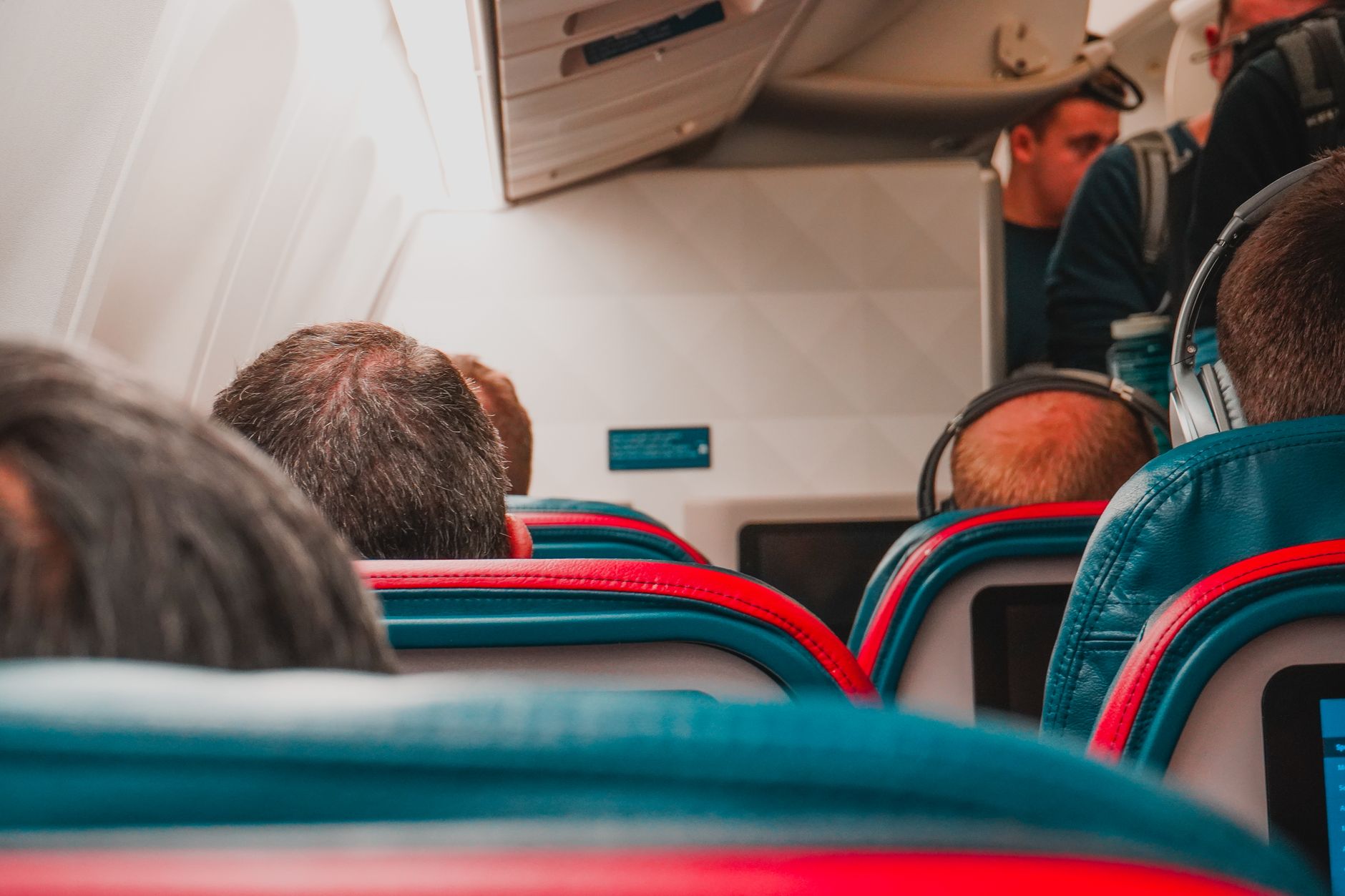
The rows immediately in front of emergency exit rows are notorious for one major flaw: fixed seatbacks. Because clearance must be maintained for passengers evacuating through the exit row behind you, these seats typically do not recline at all. Spending a ten-hour red-eye flight pinned in an upright position is a surefire way to ruin the start of your trip.
- The Fix: Pay close attention to aircraft configurations. Look for seats at least two rows ahead of the exit row to guarantee full recline capability.
2. The Galley and Lavatory Proximity Trap
Seats located directly adjacent to the galleys and bathrooms are high-traffic zones that guarantee a restless flight. You will experience constant foot traffic, the harsh glare of overhead lights turning on and off throughout the night, and the symphony of clinking carts, slamming doors, and chatting flight attendants.
Why Mid-Cabin Bulkheads Can Be Disappointing
While bulkhead rows offer extra legroom by eliminating the seat in front of you, they often come with distinct downsides:
- No under-seat storage for takeoff and landing.
- Fixed armrests housing tray tables, reducing total seat width.
- Proximity to bassinet attachments, increasing the likelihood of traveling with infants.
3. The Middle Seat Dilemma
Ask any seasoned traveler, and they will unanimously vote the middle seat as the worst torture in economy class. Deprived of both window views and aisle freedom, middle-seat passengers usually end up fighting for armrest space on both sides.
Secret Spot: If you are traveling as a couple on a wide-body aircraft with a 3-4-3 configuration, book the window and aisle seats in the middle block of four. If the flight isn't full, the middle seat often remains empty, giving you extra breathing room.
4. Misaligned Windows and Wall Seams
Airlines pack seats into configurations that rarely align perfectly with the fuselage windows. Booking a window seat only to find yourself staring at a blank plastic wall panel is a common heartbreak for photography enthusiasts and dreamers alike.
For more inspiration on how to make the most of your travels once you land, browse through our curated Budget Travel Guides to stretch your hard-earned money further.
5. Tail-End Turbulence and Engine Noise
Physics dictates that the rear of the aircraft experiences more turbulence than the front, acting like the tip of a whip during rough air. Furthermore, seats located directly behind or beside the jet engines suffer from a constant, low-frequency hum that can induce fatigue even on shorter flights.
Practical Takeaways for Choosing the Ultimate Seat
To ensure your next journey is as comfortable as possible, keep this quick checklist in mind:
- 1Check the Aircraft Type: Different configurations of the same plane model can have vastly different layouts.
- 2Avoid the Last Row: They rarely recline fully and are the last to deplane.
- 3Use Expert Tools: Cross-reference seat maps with specialized review sites before checking in.
- 4Pay for Peace of Mind: If legroom is paramount, spending a few extra dollars on preferred seating is often worth every penny.