10 Best Castles in Germany: Fairytale Fortresses and Imperial Palaces
Journey through centuries of royal intrigue, romantic architecture, and alpine vistas with our definitive guide to Germany's most breathtaking fortresses.

Introduction to Germany's Regal Heritage
Few landscapes evoke the imagination quite like the rolling hills, dense forests, and jagged alpine peaks of Germany, where more than 20,000 castles and palaces stand as silent witnesses to a turbulent, romantic past. Whether you are planning a sweeping road trip through Bavaria or seeking hidden medieval gems tucked away in river valleys, exploring these architectural masterpieces offers an unforgettable window into European history.
To help you curate the ultimate itinerary, we have traveled from the Rhine to the Romantic Road, consulting local historians and travel experts. Before you set off, make sure to check out our Comprehensive Guide for essential planning logistics, and use the Voyage Roams Trip Planner to map out your castle-hopping route seamlessly.
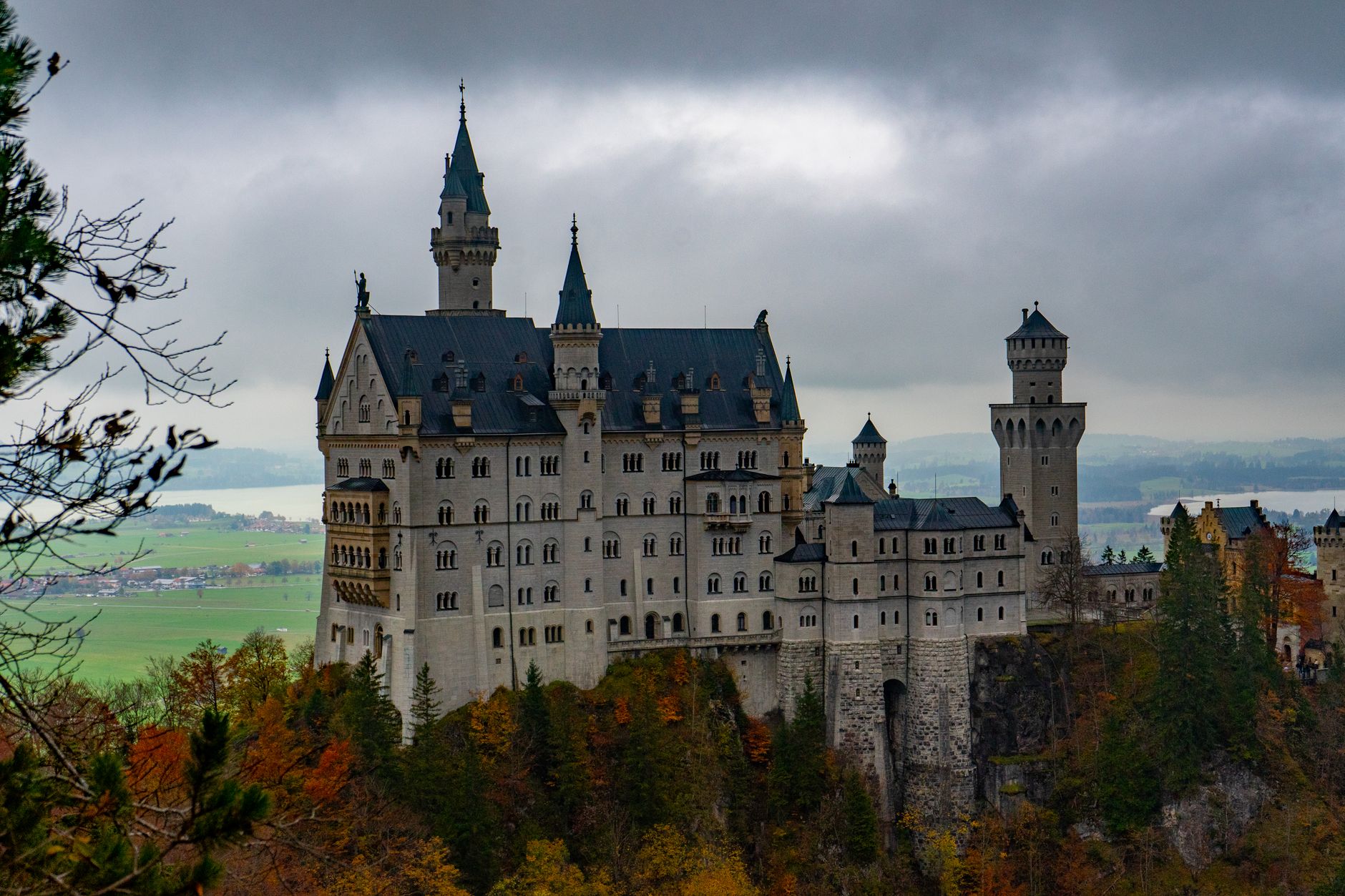
1. Neuschwanstein Castle (Schwangau)
Perched dramatically on a rugged precipice above the Alpsee lake, Neuschwanstein is arguably the most famous castle in the world. Commissioned by the eccentric King Ludwig II in 1869 as an artistic refuge and an homage to the operas of Richard Wagner, this soaring white-limestone fantasy directly inspired Walt Disney's Sleeping Beauty castle.
Cultural Pro-Tip: Do not miss the view from Marienbrücke (Mary's Bridge), suspended high over the Pöllat Gorge. Arrive at the ticket center at least 30 minutes before your scheduled slot, as the uphill hike from Hohenschwangau village takes a solid 30 to 40 minutes.
2. Eltz Castle (Wierschem)
Tucked away in a secluded side valley of the Moselle River, Burg Eltz is the holy grail for medieval enthusiasts. Remarkably, it has remained in the possession of the same family, the Eltz lineage, for over 33 centuries. Because it miraculously escaped destruction during regional wars, its timber-framed gables, stone turrets, and winding spiral staircases remain entirely authentic.
Why Eltz Captivates Travelers
- Untouched Architecture: Eight distinct residential towers showcase centuries of medieval design.
- Natural Moat: Surrounded on three sides by the Elzbach River and lush ancient forest.
- Art Treasures: The treasury houses priceless gold, silver, and porcelain artifacts.
3. Hohenzollern Castle (Baden-Württemberg)
Rising like a mirage above the Swabian Jura hills, Burg Hohenzollern is the ancestral seat of the imperial House of Hohenzollern, which produced the Prussian kings and German emperors. The current neo-Gothic structure, completed in 1867, commands sweeping 360-degree views that stretch all the way to the Black Forest on clear days.
For travelers looking to pair this historic marvel with regional culinary highlights and local wines, consult our curated Food & Drink Highlights to find the best taverns nearby.
4. Heidelberg Castle (Heidelberg)
Perched dramatically above the Neckar River, the red-sandstone ruins of Heidelberg Castle are the epitome of German Romanticism. While partially destroyed by wars and lightning strikes in the 17th and 18th centuries, its majestic Renaissance and Gothic fragments exude a haunting, poetic beauty.
- The Great Barrel (Großes Fass): Marvel at the world's largest wine barrel inside the cellars, holding a staggering 220,000 liters.
- The Gardens: Stroll through the Hortus Palatinus terraced gardens for panoramic views of Heidelberg's historic old town.
5. Schwerin Castle (Schwerin)
Floating on an island in Lake Schwerin, this fairy-tale palace often called the "Neuschwanstein of the North" serves as the seat of the Mecklenburg-Vorpommern state parliament. With its golden domes, ornate spires, and immaculate romantic gardens, it is a masterpiece of historicist architecture.
Secret Spot: Explore the castle's extensive orangery and the surrounding English landscape park, where hidden walking paths offer stunning reflections of the turrets across the tranquil lake waters.
6. Wartburg Castle (Eisenach)
Perched high above the Thuringian Forest, Wartburg Castle is deeply woven into the cultural fabric of Germany. Founded in 1067, it was here that Martin Luther translated the New Testament into German while in hiding. It is also famous as the historic site of the legendary Minnesänger contests immortalized in Wagner's opera Tannhäuser.
7. Lichtenstein Castle (Swabian Alps)
Often described as Württemberg's fairytale castle, Lichtenstein was built in the 1840s inspired by Wilhelm Hauff’s romantic novel Lichtenstein. Clinging precariously to a sheer cliff face 250 meters above the Echaz Valley, it can only be accessed via a dramatic stone bridge.
8. Linderhof Palace (Ettal)
Though technically a palace rather than a fortress, Linderhof was the only grand palace King Ludwig II lived to see completed. Nestled in the Graswang Valley, its opulent Rococo interiors contrast with fantastical exterior features like the Moorish Kiosk and the subterranean Venus Grotto, illuminated for Ludwig's private operatic performances.
9. Cochem Castle (Moselle Valley)
Dominating the vine-terraced slopes above the Moselle River, Reichsburg Cochem dates back nearly a millennium. Rebuilt in neo-Gothic splendor in the 19th century, it offers lively knight's banquets alongside daily guided tours of its opulent Renaissance and Baroque furniture collections.
10. Marburg Castle (Marburg)
Overlooking the medieval university town of Marburg, the Landgraves' Castle commands the skyline with its massive Gothic Great Hall. Steeped in the folklore of the Brothers Grimm, this hilltop fortress offers exceptional exhibits on cultural history and deep underground casemate tours.
Budget Breakdown for Castle Explorers
Touring Germany's architectural heritage doesn't have to break the bank. Here is an estimated daily budget for a mid-range traveler:
- 1Castle Admission: €12 – €25 per major castle (guided tours often required for interiors).
- 2Transportation: €35 – €60 per day for car rentals and fuel, or regional rail passes.
- 3Accommodation: €90 – €160 per night for cozy guesthouses (Gasthöfe).
- 4Dining: €35 – €60 per day for local bakeries, taverns, and hearty regional dinners.
For more money-saving strategies, explore our comprehensive Budget Travel Guides to stretch your euros further.
Practical Takeaways and Traveler's FAQ
- When is the best time to visit? Spring (May to June) and early autumn (September to October) offer pleasant weather, vibrant foliage, and significantly smaller crowds than the peak summer months.
- Should I book in advance? Yes! Popular sites like Neuschwanstein and Eltz Castle sell out weeks ahead during high season.
- Is a car necessary? While major castles like Heidelberg and Schwerin are easily reached by train, rural masterpieces such as Eltz, Hohenzollern, and Lichtenstein are best accessed via a scenic road trip.
Ready to Turn This Story Into Your Next Adventure?
Save places to your custom wishlist or map out a step-by-step day plan with Voyage Roams.
Elena Vance
Elena travels the globe reporting on cultural heritage, street food trails, and budget exploration for Voyage Roams.
Planning a trip to Germany?
Discover verified places to visit, neighborhood recommendations, seasonality charts, and tested budgets in our comprehensive Germany portal.