The Ultimate Berlin Neighborhoods Guide: Where to Stay, Eat, and Explore
From the bohemian coffee shops of Neukölln to the historic grandeur of Mitte, decode the German capital's vibrant micro-districts.


To truly understand Berlin, you have to abandon the idea of a single city center. The German capital is instead an archipelago of distinct, fiercely independent neighborhoods, each with its own architectural personality, subculture, and culinary identity. Whether you are planning your first trip using our Comprehensive Guide or mapping out a long weekend with a Tested Itinerary Plan, understanding Berlin's hyper-local geography is the key to unlocking the city.
Mitte: The Historic and Cultural Core
Stretching from Museum Island to the bustling plazas of Alexanderplatz, Mitte is the beating heart of Berlin's history. Once divided by the Berlin Wall, this district seamlessly stitches together Prussian grandeur, communist-era brutalism, and hyper-modern glass architecture.
Walk down the leafy boulevard of Unter den Linden, explore the avant-garde galleries tucked away in former industrial courtyards like Hackesche Höfe, and marvel at the neoclassical majesty of the Brandenburg Gate. While Mitte can occasionally feel polished or corporate, its side streets hide incredible culinary gems.
Cultural Pro-Tip: Skip the overpriced tourist cafes around Checkpoint Charlie. Instead, duck into the alleyways off Rosenthaler Platz for third-wave coffee shops and independent bookstores.
Kreuzberg: The Rebel Spirit and Culinary Melting Pot
Divided historically into Kreuzberg 36 (known for its counterculture, radical politics, and large Turkish community) and Kreuzberg 61 (quieter, leafier, and increasingly gentrified), this district pulses with creative energy.
Street art splashes across nearly every blank brick wall, Turkish bakeries scent the air with fresh börek, and the banks of the Landwehr Canal become an open-air living room for locals every warm evening. For food lovers, Kreuzberg is ground zero; dive deeper into local culinary scenes with our Food & Drink Highlights.
- Must-Visit Spot: Markthalle Neun for the Thursday Street Food Market.
- Best Walk: Along the Maybachufer canal towpath on a sunny afternoon.
- Nightlife: Legendary underground clubs and intimate natural wine bars.
Neukölln: Berlin's Raw, Creative Frontier
Just south of Kreuzberg lies Neukölln, specifically the hyper-vibrant pocket known as Rixdorf and the area surrounding Körnerpark. Once overlooked, Neukölln has evolved into the epicenter of Berlin's younger, international creative class.
It is gritty, unpolished, and intensely alive. You can sit in a tiny specialty roastery operating out of a former butcher shop, browse vintage clothing racks, and listen to impromptu jazz in hidden courtyards all in a single afternoon. If you are traveling on a tighter budget, Neukölln offers some of the most affordable street eats and hostel stays in the city—find more money-saving tips in our Budget Travel Guides.
Prenzlauer Berg: Historic Charm and Family-Friendly Bohemian Vibe
If Mitte is historical gravitas and Neukölln is gritty youth, Prenzlauer Berg is the refined older sibling. Miraculously surviving World War II largely intact, this neighborhood boasts miles of beautifully restored 19th-century stucco facades, gas lamps, and cobblestone streets.
Once a hotbed for East German dissidents and artists, it is now one of the city's most desirable residential zones. Tree-lined Kollwitzplatz hosts a legendary organic farmers market every Saturday, while Kastanienallee offers fantastic boutique shopping and people-watching.
Charlottenburg: West Berlin Elegance and Luxury Shopping
Cross over into what was once West Berlin, and the urban texture shifts dramatically. Charlottenburg exudes old-world European elegance, defined by grand boulevards like Kurfürstendamm (Ku'damm), upscale department stores like KaDeWe, and magnificent historic architecture.
Anchored by the stunning baroque Charlottenburg Palace, this district is quieter and more formal than its eastern counterparts. It is an ideal neighborhood for travelers seeking classic comfort, fine dining, and world-class museums.
Practical Takeaways for Exploring Berlin
Navigating Berlin's sprawling neighborhoods is remarkably seamless thanks to one of Europe's best public transit networks (the U-Bahn and S-Bahn). To help you organize your journey down to the last detail, try our interactive Voyage Roams Trip Planner.
- Transport Tip: Ditch single-ride tickets and grab a 24-hour AB day pass or a WelcomeCard for unlimited transit.
- Cash is Still King: While card acceptance has grown, many bakeries, bars, and kiosks still operate strictly on cash (nur Barzahlung).
- Sundays: Most grocery stores and retail shops are closed on Sundays, making it the ultimate day for exploring parks, flea markets, and museums.
Ready to Turn This Story Into Your Next Adventure?
Save places to your custom wishlist or map out a step-by-step day plan with Voyage Roams.
Elena Vance
Elena travels the globe reporting on cultural heritage, street food trails, and budget exploration for Voyage Roams.
Related Stories & Guides
 destinations
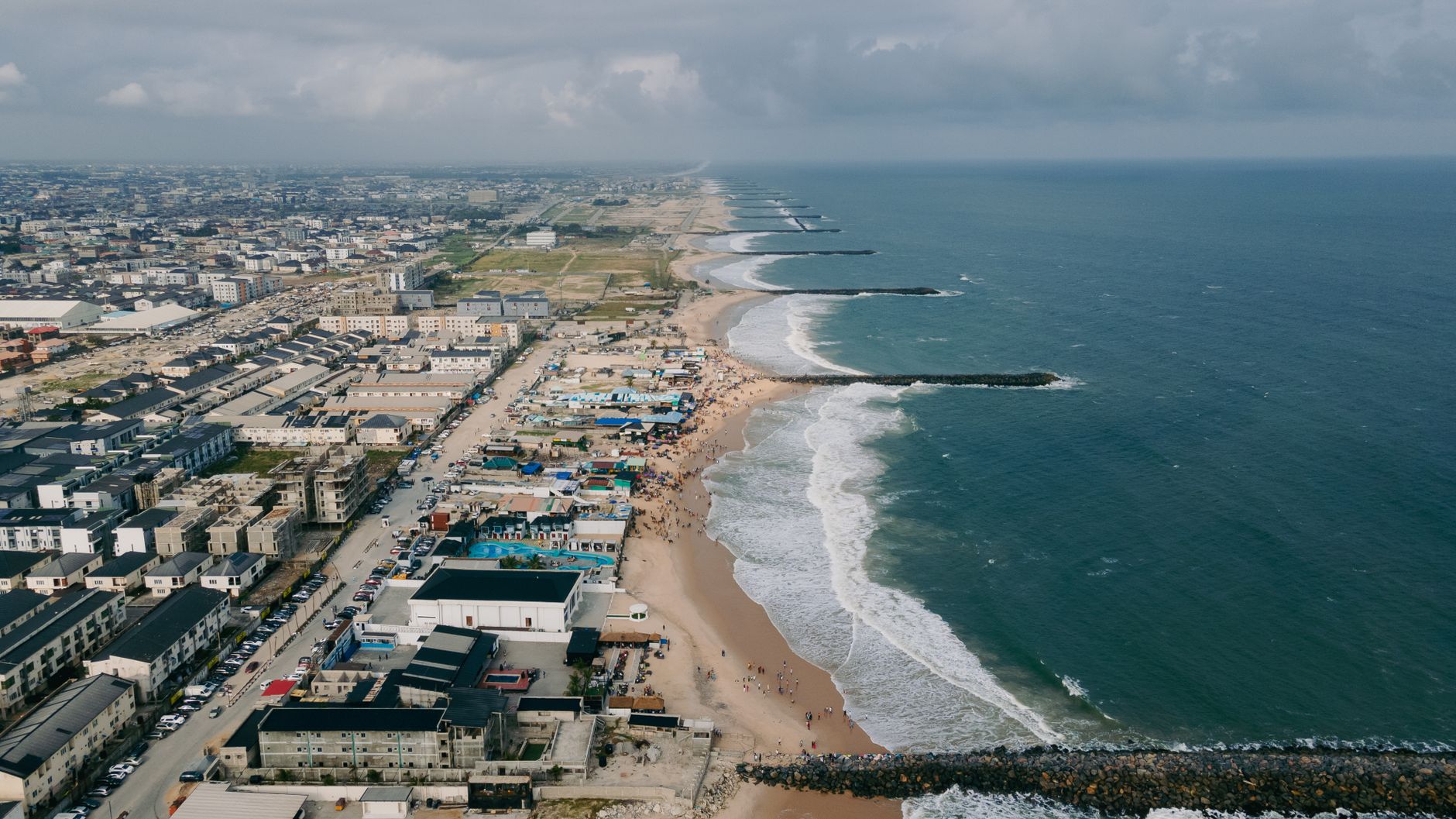
The Ultimate Guide to Nigeria's Best Beaches: From Lagos Lagoons to Atlantic Escapes
 destinations
Navigating the Floating City: The Ultimate Venice Transport Guide
 destinations