Best Time to Visit British Columbia: A Seasonal Guide
From powder days in Whistler to summer wine harvests in the Okanagan, discover the ultimate guide to BC's distinct seasons.

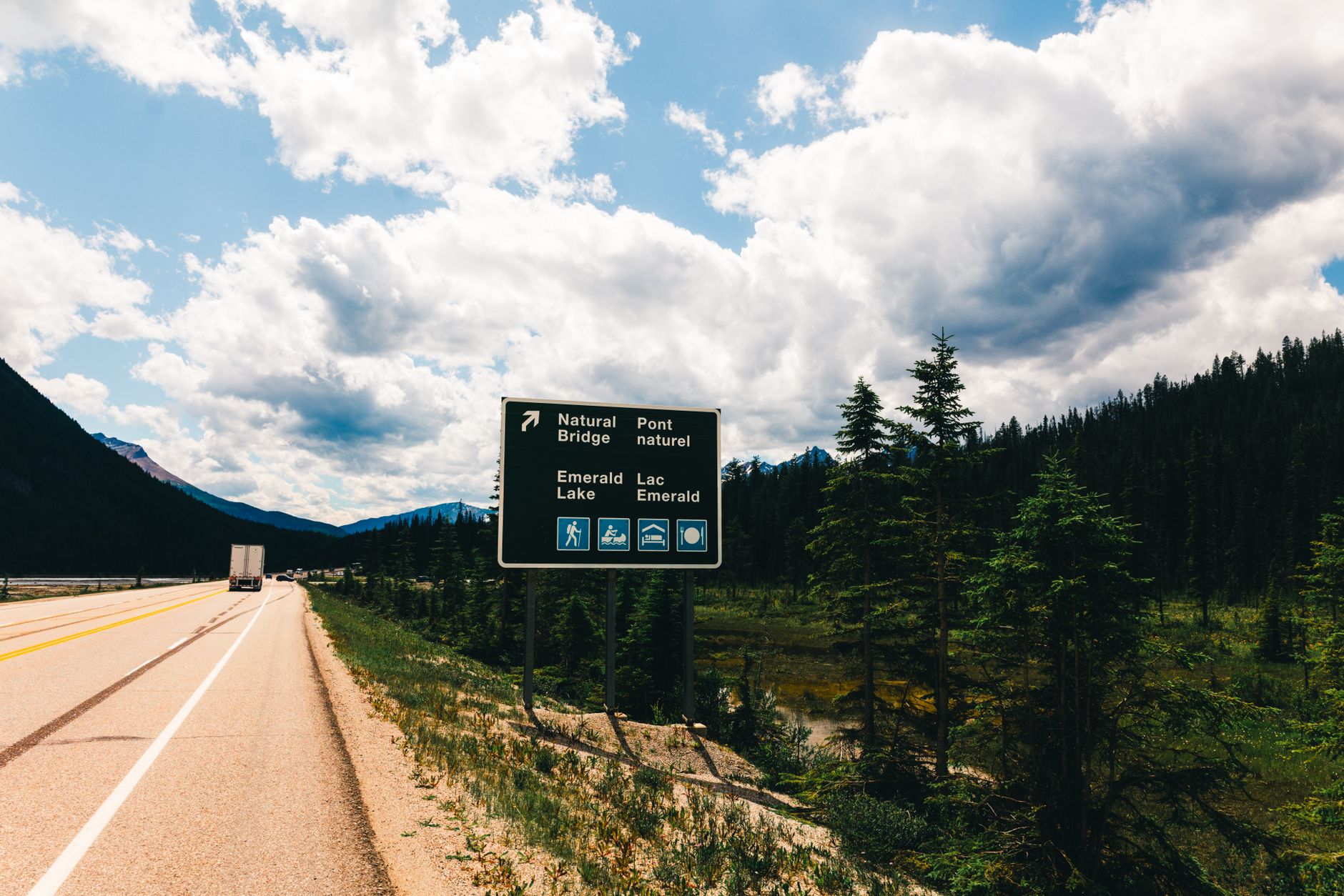
British Columbia is a land of staggering scale. Stretching from the rugged Pacific coastline of Vancouver Island to the towering peaks of the Canadian Rockies, this province is larger than France and Germany combined. Because of its vast geography, there is no single "best" time to visit British Columbia. Instead, the ideal time depends entirely on what you want to experience.
Whether you are chasing world-class powder on the ski slopes, seeking out the temperate rainforests of Tofino, or looking to sip Pinot Noir overlooking the Okanagan Lake, each season offers a distinct personality. This guide breaks down BC's seasons, weather patterns, regional microclimates, and budgets to help you plan your perfect Canadian getaway.
Summer (June to August): Peak Sunshine and Alpine Trails
Summer is undeniably the most popular time to visit British Columbia. By late June, the winter snows have finally melted from the high-altitude trails, opening up spectacular alpine hiking in places like Garibaldi Provincial Park and the Kootenay Rockies. Temperatures are warm and pleasant, ranging from 20°C to 30°C (68°F to 86°F), and rain is at its yearly minimum.
This is the prime season for classic Canadian road trips, lake-hopping, and patio dining in Vancouver. However, because summer is peak tourist season, you should expect premium prices for accommodation and car rentals, as well as crowded trails.
Where to Go & What to Do
- The Okanagan Valley: Experience Canada's premier wine country in full bloom. Rent a bike and cycle the Kettle Valley Rail Trail, stopping at world-class wineries along the way.
- Vancouver Island: Head to Strathcona Provincial Park for backcountry hiking, or spot Orcas and Humpbacks on a whale-watching tour out of Victoria or Telegraph Cove.
- The Sea-to-Sky Corridor: Hike the iconic Stawamus Chief in Squamish or explore the high-alpine meadows of Whistler.
Insider Pro-Tip: Wildfires have become a common occurrence in BC during July and August. Always check local air quality indices and active wildfire maps before heading out on backcountry hikes or road trips. Check out our curated Adventure Trails hub for alternative, low-risk summer hiking routes.
Autumn (September to November): Harvests, Foliage, and Wildlife
Autumn is many locals' favorite season. As the summer crowds thin out in September, a quiet calm settles over the province. The air turns crisp, the deciduous trees in Vancouver and the Okanagan turn brilliant shades of amber and crimson, and the larch trees in the Rockies dust the mountainsides in gold.
September offers some of the best weather of the year—warm, sunny days paired with cool nights. By October, the coastal regions begin to experience their infamous autumn rains, but this wet weather brings its own magic: the annual salmon run, which in turn attracts hundreds of bald eagles and grizzly bears to the coastal rivers.
Where to Go & What to Do
- The Great Bear Rainforest: Visit in September or October for once-in-a-lifetime opportunities to spot grizzly bears, black bears, and the elusive white Spirit Bear feeding on spawning salmon.
- The Okanagan Wine Harvest: Participate in the lively fall wine festivals and grape stomps. Discover more culinary travel ideas in our Food & Drink Highlights guide.
- The Kootenays: Hike among the golden alpine larches in places like Manning Park or the Purcells.
Winter (December to February): Powder Days and Winter Wonderlands
When the snow falls, British Columbia transforms into a world-class winter playground. BC is famous for its "champagne powder"—light, dry snow that is a dream for skiers and snowboarders.
While the coast (Vancouver and Victoria) remains relatively mild and rainy, the interior mountains receive meters of snow. Beyond skiing, winter in BC offers opportunities for snowshoeing, ice skating on frozen lakes, and soaking in natural hot springs surrounded by snow-covered pines.
Where to Go & What to Do
- Whistler Blackcomb: Ski North America's largest resort, then experience the world-class après-ski scene in Whistler Village. To make the most of your snow trip, follow our expertly crafted Tested Itinerary Plan.
- The Powder Highway: Embark on a legendary road trip through the Kootenay Rockies, hitting legendary powder havens like Revelstoke, Kicking Horse, and Fernie.
- The Sunshine Coast & Tofino: If you prefer storm-watching over skiing, head to the rugged west coast of Vancouver Island to watch massive Pacific winter swells crash against the rocky shoreline from the comfort of a cozy cabin.
Cultural Tip: If you're visiting Vancouver in January or February, don't miss the Dine Out Vancouver Festival, Canada's largest food and drink festival, offering discounted multi-course menus at hundreds of local restaurants.
Spring (March to May): Cherry Blossoms and Shoulder-Season Deals
Spring in British Columbia is a season of dramatic contrasts. It is one of the unique times of year where you can ski in the morning and golf or kayak in the afternoon—a phenomenon locals call "dual-sport days."
By April, Vancouver's streets are blanketed in pink cherry blossoms, while the mountain resorts are still enjoying late-season spring skiing. Spring is also the official start of the whale migration season along the west coast. Because this is a shoulder season, you can find excellent deals on flights and accommodation.
Where to Go & What to Do
- Vancouver: Stroll through the Queen Elizabeth Park or the UBC Botanical Garden to witness over 40,000 cherry trees in peak bloom.
- Tofino: Celebrate the Pacific Rim Whale Festival in March, marking the return of over 20,000 Gray whales migrating past the coast.
- The Fraser Valley: Visit the Abbotsford Tulip Festival in April, where millions of vibrant tulips bloom against a backdrop of snow-capped mountains.
To plan your spring escape, check out our Comprehensive Guide to navigating Canada's shoulder seasons.
Seasonal Budget & Crowds Breakdown
To help you decide when to book, here is a quick breakdown of average costs, accommodation availability, and crowd levels across the year:
| Season | Crowd Levels | Accommodation Rates | Best For |
|---|---|---|---|
| Summer (Jun-Aug) | Very High | Premium / Peak | Hiking, beaches, road trips, festivals |
| Autumn (Sep-Nov) | Medium to Low | Moderate / Deals available | Wine tasting, fall foliage, wildlife viewing |
| Winter (Dec-Feb) | High (Ski Resorts) | Peak (Resorts) / Low (Cities) | Skiing, snowboarding, hot springs, storm watching |
| Spring (Mar-May) | Low to Medium | Budget-friendly | Cherry blossoms, whale watching, spring skiing |
Traveler's FAQ & Practical Takeaways
1. When is the best time to see whales in British Columbia?
The best time for whale watching in BC is from May to October. During this period, Orcas, Humpbacks, and Minke whales feed in the nutrient-rich coastal waters.
2. When is the ski season in Whistler?
Whistler Blackcomb typically opens in late November and runs through to late May. The peak powder months with the most reliable snow cover are January and February.
3. How do I avoid the crowds and high prices?
Aim for the shoulder seasons: May (late spring) and September (early autumn). You will experience great weather, active wildlife, lower accommodation rates, and significantly fewer tourists.
4. What should I pack for a trip to BC?
Because BC has highly variable microclimates, packing in layers is essential.
- Spring/Summer: Light jacket, breathable hiking layers, sturdy trail shoes, swimwear, and sunscreen.
- Autumn/Winter: A high-quality waterproof rain jacket (essential for the coast), thermal base layers, a warm fleece or down jacket, gloves, and waterproof boots.
Ready to map out your ultimate British Columbia adventure? Use our interactive Voyage Roams Trip Planner to customize your itinerary, calculate driving times, and discover hidden gems along your route.
Ready to Turn This Story Into Your Next Adventure?
Save places to your custom wishlist or map out a step-by-step day plan with Voyage Roams.
Elena Vance
Elena travels the globe reporting on cultural heritage, street food trails, and budget exploration for Voyage Roams.
Planning a trip to Canada?
Discover verified places to visit, neighborhood recommendations, seasonality charts, and tested budgets in our comprehensive Canada portal.


