Best Time to Visit the Canary Islands: The Ultimate Seasonal Guide
Discover eternal spring across Spain's volcanic archipelago with our expert breakdown of weather, crowds, and microclimates.

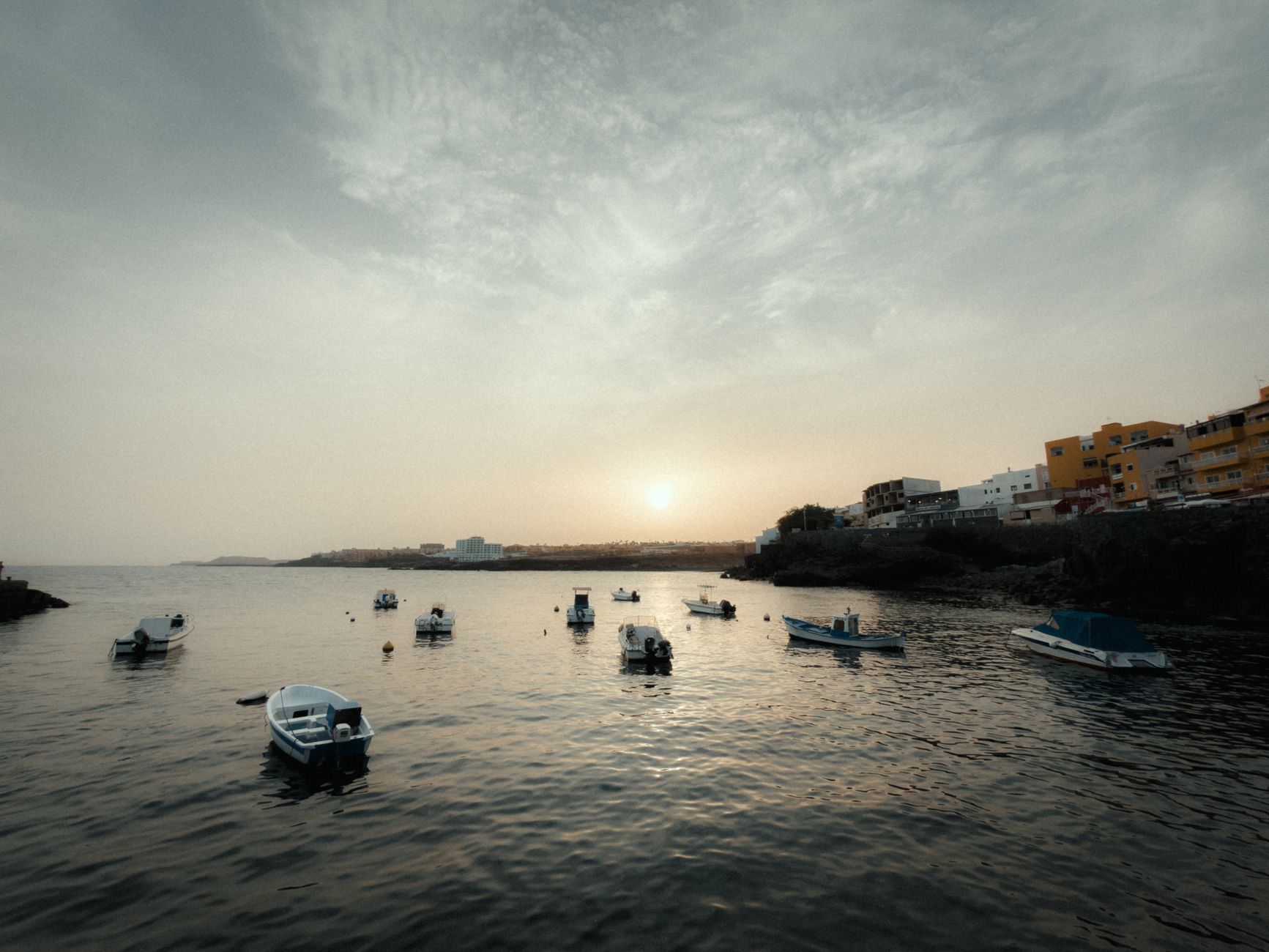
Introduction to Eternal Spring
Floating off the northwest coast of Africa, Spain's Canary Islands boast a rare meteorological phenomenon: an endless spring. Whether you are charting a course for our Comprehensive Guide or mapping out a multi-island route with the Voyage Roams Trip Planner, understanding the shifting moods of this archipelago is essential.
While mainland Europe shivers through winter or swelters in July, the Canaries maintain a comfortable year-round average of 20°C to 25°C (68°F to 77°F). However, because each island features towering volcanic peaks, dramatic elevation changes, and shifting Atlantic winds, the "best" time to visit depends entirely on what kind of traveler you are.
The High Season: Winter Sun (November to February)
When the rest of the Northern Hemisphere plunges into grey skies and freezing temperatures, the Canary Islands transform into Europe’s ultimate winter sanctuary. Tenerife, Gran Canaria, and Lanzarote experience a massive influx of sun-seekers trading snowboots for sandals.
- Weather: Daytime temperatures hover around 21°C (70°F). While northern coasts can see occasional passing showers, the southern resorts remain reliably sunny.
- Vibe: Bustling, vibrant, and festive—particularly around Christmas and New Year.
- Crowds & Costs: Flights and accommodations peak in price. Booking months in advance is non-negotiable if you want coastal villas.
Insider Pro-Tip: "If you visit during winter, do not skip the spectacular Three Kings' processions on January 5th. It is a culturally immersive experience that outshines standard holiday tourism."
For those looking to balance winter warmth with smart spending, consult our Budget Travel Guides for money-saving tactics during peak season.
Shoulder Season Bliss: Spring and Autumn (March to May & September to October)
For many seasoned travelers, the shoulder months represent the absolute sweet spot for exploring the archipelago. During spring (March to May), the landscapes burst into life with wildflowers blanketing the volcanic slopes of La Palma and La Gomera.
Why Spring Wins:
- Milder ocean temperatures begin to rise, perfect for coastal swimming.
- Hiking trails are crisp, clear, and far less crowded than in summer.
- Accommodation rates dip significantly compared to the winter holiday rush.
The Autumn Appeal:
September and October offer the warmest sea temperatures of the entire year, a residual gift from the summer sun. The summer holiday crowds have departed, leaving secluded coves and dramatic black-sand beaches gloriously peaceful.
If you are planning an active holiday, map out your journey using our expertly Tested Itinerary Plan to hit every seasonal highlight.
Summer Sunshine and Microclimates (June to August)
<div>
Summer in the Canaries brings reliable, blistering sunshine to the southern beaches, but it also brings school holiday crowds. Tenerife and Gran Canaria see families flocking to family-friendly resorts and waterparks.
However, summer is also when the trade winds (the Alisios) blow strongest. While the south is a sunbather's dream, the northern regions—like Anaga in Tenerife or parts of La Orotava—can experience a cloud canopy known locally as the mar de nubes (sea of clouds).
Summer Survival Checklist:
- 1Book early for peak islands: Tenerife and Gran Canaria book out fast in July and August.
- 2Head west for solitude: Consider quieter islands like El Hierro or La Gomera if you want to escape the mainland European holiday crowds.
- 3Embrace the microclimates: Pack a light windbreaker even in July; mountain elevations drop dramatically in temperature after sundown.
Culinary and Cultural Festivals Throughout the Year
No journey to the islands is complete without tasting the rich culinary heritage, from buttery local cheeses to papas arrugadas with mojo sauce. Explore more local flavors through our dedicated Food & Drink Highlights.
Key cultural markers across the calendar include:
- February/March: Santa Cruz de Tenerife Carnival, one of the largest and most dazzling street festivals in the world.
- May: Fiesta de la Cruz, celebrated with incredible floral decorations across towns like Los Realejos.
- September: Fiesta de la Virgen del Pino in Gran Canaria, a deeply spiritual and festive regional pilgrimage.
Traveler's FAQ & Practical Takeaways
Q: Which Canary Island is the warmest in winter?
A: The southern coasts of Tenerife, Gran Canaria, and Fuerteventura generally record the highest winter temperatures and most consistent sunshine hours.
Q: Do I need a rental car?
A: Absolutely. Public buses connect major towns, but exploring the dramatic volcanic craters, secret viewpoints, and rural villages requires the freedom of a vehicle.
Q: Is it windy year-round?
A: The eastern islands of Fuerteventura and Lanzarote are notably windier due to their flatter terrain, making them world-class hubs for windsurfing and kitesurfing, whereas western islands feature wind-sheltered valleys.
Ready to Turn This Story Into Your Next Adventure?
Save places to your custom wishlist or map out a step-by-step day plan with Voyage Roams.
Elena Vance
Elena travels the globe reporting on cultural heritage, street food trails, and budget exploration for Voyage Roams.
Planning a trip to Canary Islands?
Discover verified places to visit, neighborhood recommendations, seasonality charts, and tested budgets in our comprehensive Canary Islands portal.
Related Stories & Guides
 destinations
Best Time to Visit Singapore: The Ultimate Weather, Festival & Season Guide
 destinations
The Ultimate China First-Time Travel Guide: Ancient Traditions Meet Futuristic Wonders
 destinations