When is the Best Time to Visit Aruba? The Ultimate Year-Round Island Guide
Discover One Happy Island's microclimates, trade winds, and hidden seasonal rhythms for the ultimate Caribbean getaway.

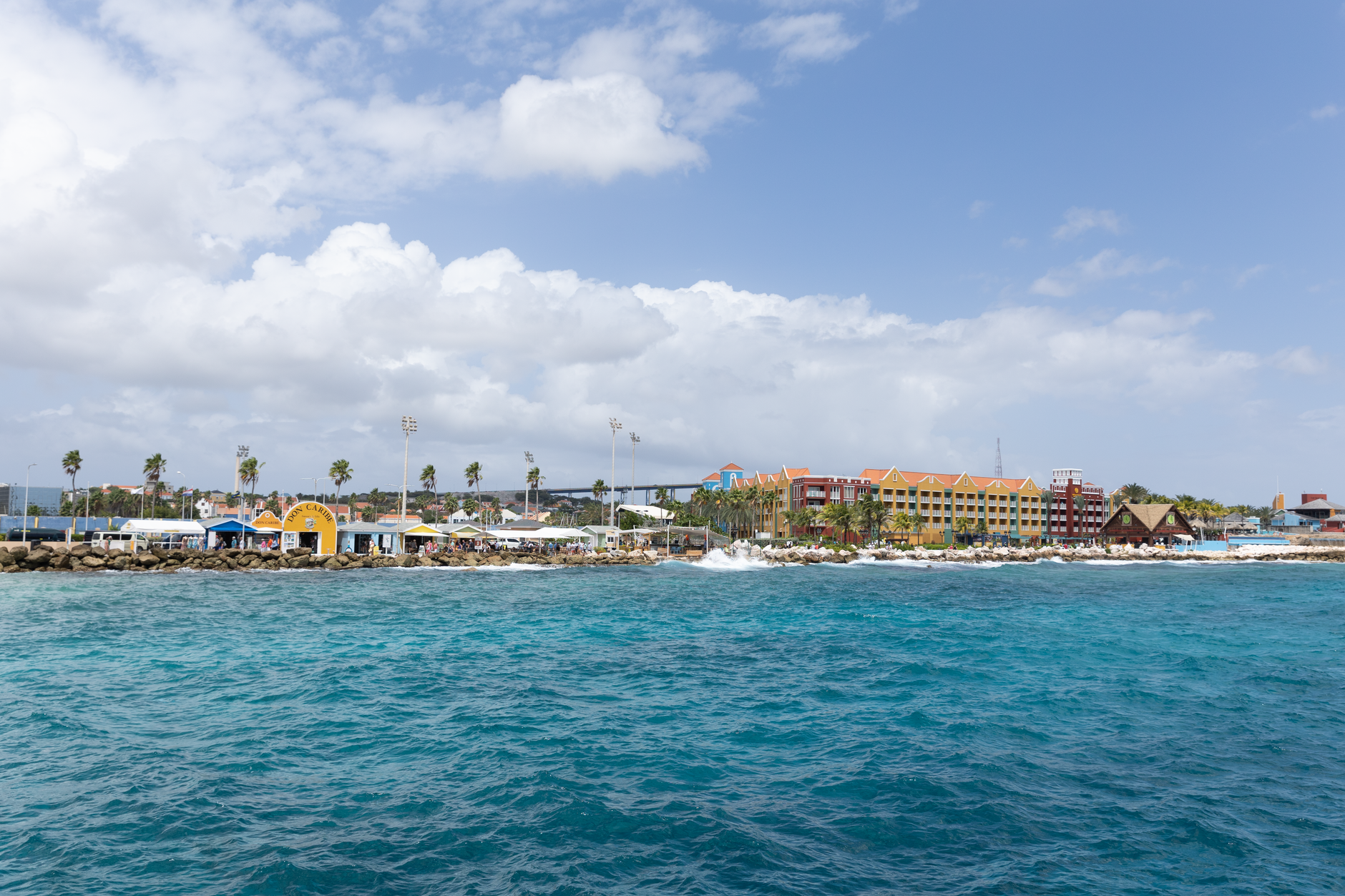
Aruba is famously known as "One Happy Island," and part of that enduring joy stems from its geography. Located safely outside the traditional Atlantic hurricane belt, this Dutch Caribbean gem boasts more sunny days than any other island in the region. But even within paradise, choosing when to go depends heavily on what kind of traveler you are—whether you are chasing empty stretches of Eagle Beach, seeking vibrant local festivals, or looking to maximize value.
Before booking your flights, explore our Comprehensive Guide to uncover essential local insights, or map out your days using the Voyage Roams Trip Planner.
Decoding Aruba's Weather: Wind, Sun, and Microclimates
Unlike tropical destinations that suffer from torrential, multi-week rainy seasons, Aruba's climate is arid and desert-like. Average temperatures hover around a blissful 82°F (28°C) year-round, tempered by reliable northeast trade winds that keep the humidity manageable.
- The Trade Winds: These steady breezes define the island's coastal environment. They peak between May and July, offering natural relief from the equatorial sun while creating world-class conditions for windsurfing and kiteboarding.
- Rainfall Patterns: When rain does fall—typically between October and January—it usually arrives in short, dramatic overnight showers or quick tropical squalls that quickly give way to brilliant sunshine.
Cultural Pro-Tip: Don't let the phrase "rainy season" deter you. Aruba's precipitation is among the lowest in the Caribbean, averaging under 20 inches annually. Even in November, you are virtually guaranteed hours of daily sunshine.
High Season (January to April): Peak Perfection
For travelers seeking guaranteed warmth and escape from harsh northern winters, the months between January and April represent the undisputed peak season. The island pulses with energy, luxury resorts operate at full capacity, and the social calendar overflows with events.
What to Expect
- Weather: Pristine skies, minimal rainfall, and brisk, refreshing trade winds.
- Vibe: Bustling, cosmopolitan, and social. Perfect for those who enjoy vibrant beach bars and lively nightlife.
- Drawbacks: Premium pricing on accommodations and flights, alongside crowded shores at popular hotspots like Palm Beach.
If you are planning a winter or early spring escape, make sure to review our meticulously Tested Itinerary Plan to secure restaurant reservations and activity slots well in advance.
Shoulder Season (April to August): The Sweet Spot
Ask any seasoned Caribbean traveler or local insider for the absolute best time to visit Aruba, and they will likely point you toward the shoulder months of late spring and summer.
During this window, the massive winter crowds depart, yet the weather remains exceptionally bright and warm. Ocean temperatures reach their annual peak, making this the ideal time for swimming, snorkeling, and exploring the crystalline waters of the Arikok National Park coastline.
For savvy travelers watching their wallets, this window frequently unlocks fantastic deals. Check out our curated Budget Travel Guides to learn how to stretch your vacation dollars further during these months.
Low Season (September to November): Quiet Sands and Local Culture
True tranquility seekers find their paradise in the autumn months. September and October mark the warmest period of the year, accompanied by lighter trade winds. While this is technically the tail end of the broader Atlantic hurricane season, Aruba's southern latitude largely shields it from major storms.
Travelers during these months are rewarded with:
- 1Uncrowded stretches of white sand where you can walk for miles in solitude.
- 2Substantial discounts on boutique hotels and luxury resorts alike.
- 3Authentic cultural immersion, including the lead-up to local culinary and music celebrations.
Culinary and Cultural Festivals Calendar
Aruba’s calendar is punctuated by incredible cultural events that can heavily influence your travel timing:
- January & February: Carnival (Karnaval): A dazzling, months-long celebration of music, elaborate costumes, street parades, and infectious Tumba rhythms that culminates in a massive grand parade just before Ash Wednesday.
- June: Aruba Soul Beach Music Festival: A premier regional event drawing international R&B and comedy superstars for a weekend of high-energy beach parties and star-studded concerts.
- October: Aruba International Triathlon & Annual Reef Care Project: Perfect for active travelers and eco-conscious visitors looking to combine sport with environmental stewardship.
To dive deeper into the island's vibrant culinary scene—from beachside shacks serving fresh catch to upscale fusion dining—browse our exclusive Food & Drink Highlights.
Traveler's FAQ & Practical Takeaways
- When is the cheapest time to visit Aruba?
The most budget-friendly months are generally September, October, and early November, when airlines and resorts drop their rates to attract travelers.
- Is Aruba prone to hurricanes?
Aruba sits safely south of the primary hurricane belt, making it one of the most storm-secure destinations in the Caribbean year-round.
- Do I need a rental car?
While public buses and taxis are readily available, renting a 4x4 vehicle for a few days is essential if you want to independently navigate the rugged terrain of Arikok National Park and its hidden natural pools.
Ready to Turn This Story Into Your Next Adventure?
Save places to your custom wishlist or map out a step-by-step day plan with Voyage Roams.
Elena Vance
Elena travels the globe reporting on cultural heritage, street food trails, and budget exploration for Voyage Roams.
Related Stories & Guides
 destinations
The Ultimate France Best Beaches Guide: From Côte d'Azur to Wild Atlantic Coves
 destinations
St. Lucia Pre-Travel Guide: Essential Tips, Pitons & Paradise
 destinations