Best Time to Visit Big Sur: A Complete Travel Guide
Uncover California's dramatic rugged coastline through seasonal shifts, weather patterns, and insider timing strategies.

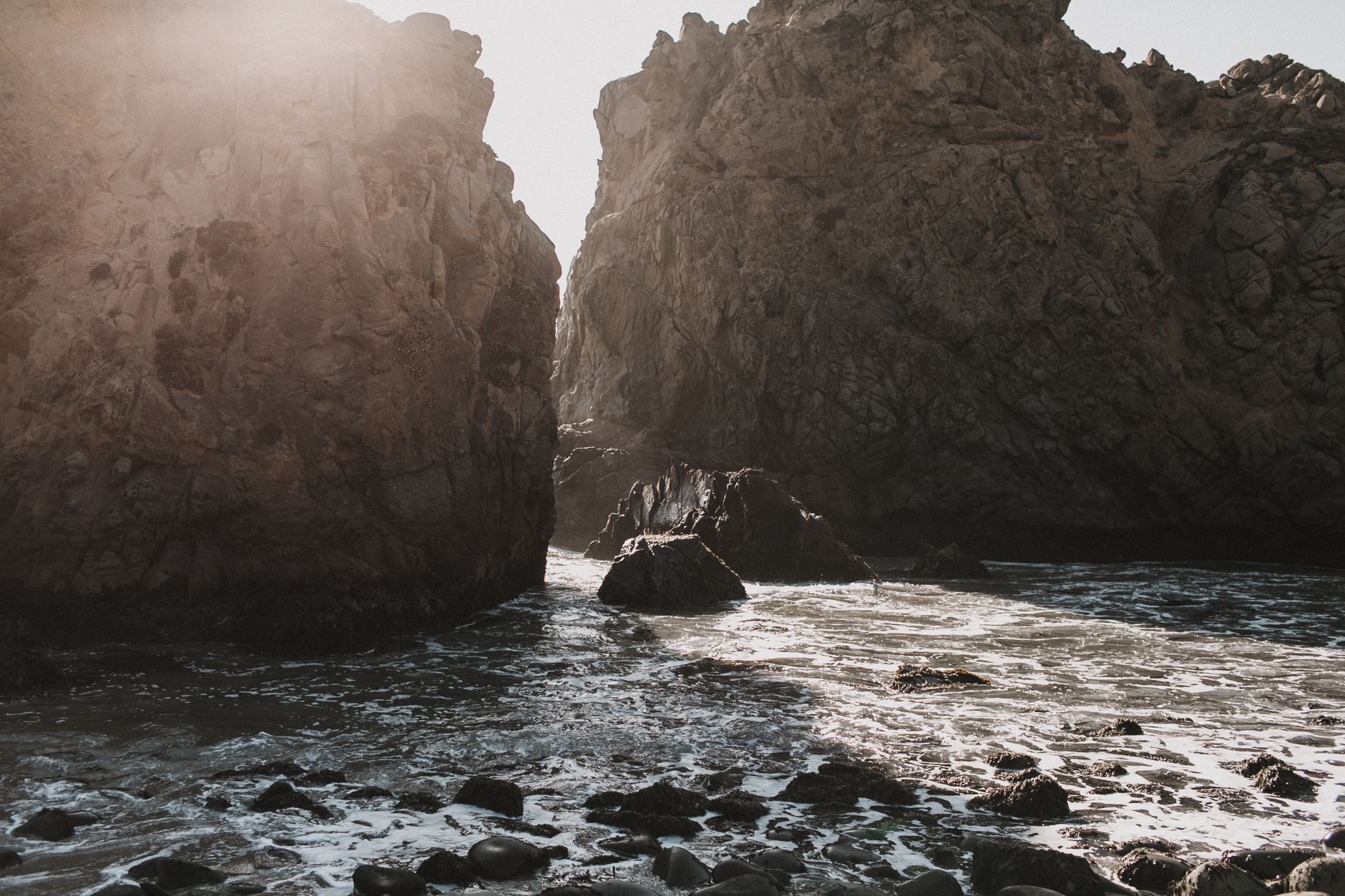
Introduction to Big Sur's Microclimates
There is a fleeting moment just as the coastal fog lifts over the Bixby Bridge, revealing a dizzying expanse of sapphire blue where the Santa Lucia Mountains plunge precipitously into the Pacific. Planning a journey to California’s most iconic stretch of coastline requires more than just picking a week on the calendar; it demands an understanding of Big Sur’s notoriously fickle microclimates.
Whether you are mapping out a weekend escape or integrating this coastal masterpiece into a longer Tested Itinerary Plan, timing is everything. From the wildflower explosions of spring to the golden light of autumn, this guide breaks down when and how to experience Big Sur at its absolute finest.
Spring (April to May): Wildflowers and Whale Migrations
For many travelers and seasoned photographers, spring is widely considered the best time to visit Big Sur. Winter rains have fully recharged the landscape, transforming the coastal hillsides into carpets of vibrant green dotted with California poppies, yellow mustard flowers, and wild irises.
- Weather: Daytime temperatures hover comfortably in the mid-60s°F (15-18°C).
- Wildlife: This is the tail end of the gray whale migration. Grab a pair of binoculars and scan the horizon from McWay Falls or the cliffs near Pfeiffer Big Sur State Park.
- Crowds: Significantly lower than the peak summer rush, though weekends remain popular.
Cultural Pro-Tip: Visit the historic Point Sur Lighthouse during spring tours. The surrounding headlands burst into a kaleidoscope of coastal blooms that make for unforgettable landscape photography.
Summer (June to August): The Paradox of Fog and Crowds
While summer is traditionally the peak season for American family vacations, Big Sur operates under its own meteorological rules. This is the height of Karl the Fog season—a coastal phenomenon where inland heat draws a thick, marine layer over the ocean, often blanketing Highway 1 until early afternoon.
Despite the overcast mornings, summer brings the highest volume of traffic. Parking at popular pullouts and trailheads like Julia Pfeiffer Burns State Park becomes fiercely competitive.
- Budget Consideration: Accommodation rates skyrocket during these months. If you are traveling on a strict budget, consult our Budget Travel Guides for smart ways to save on coastal lodging and camping.
Autumn (September to November): The Golden Window
Ask any local for their favorite season, and they will invariably point to autumn. Known locally as the "Secret Summer," September and October offer the warmest, clearest days of the entire year. The relentless summer fog vanishes, leaving behind crystal-clear skies, lingering warmth, and spectacular sunsets.
- Water Temperature: Ocean temperatures peak in September, making it a prime time for experienced surfers and kayakers.
- Food & Wine: Fall coincides with the grape harvest in nearby Carmel Valley and the Salinas Valley. Pair your coastal hikes with seasonal culinary highlights by exploring our Food & Drink Highlights for local farm-to-table recommendations.
Winter (December to March): Dramatic Storms and Solitude
Winter in Big Sur is not for the faint of heart, but it offers a profoundly transformative experience. Pacific storm systems roll in with cinematic fury, turning waterfalls like McWay Falls into roaring torrents and crashing waves into dramatic spectacles against the rugged cliffs.
- Elephant Seals: Head north toward San Simeon to witness hundreds of massive northern elephant seals congregating on the beaches to give birth and molt.
- Caution Required: Winter storms can occasionally trigger rockfalls and mudslides along Highway 1. Always check Caltrans road conditions before setting out.
Planning Your Trip: Practical Takeaways
To ensure your coastal adventure goes off without a hitch, utilize our interactive Voyage Roams Trip Planner to map out mileage, charging stations for electric vehicles, and offline trail maps.
Quick Summary Checklist:
- Best Overall Months: September and October (Clear skies, warm weather, fewer crowds).
- Best for Nature Lovers: April and May (Wildflowers and active wildlife).
- What to Pack: Layered clothing, sturdy hiking boots, a windbreaker, and seasickness remedies for winding roads.
For an expanded look at lodging, secret beaches, and deeper regional insights, browse our complete Comprehensive Guide.
Traveler's FAQ
Q: Is cell service reliable in Big Sur?
A: No. Cell service is notoriously sparse or entirely nonexistent throughout much of Big Sur. Download offline maps and guides before you leave Carmel or Monterey.
Q: How many days do I need in Big Sur?
A: While you can drive the length in a few hours, allocate at least 3 to 4 days to truly hike the trails, explore the redwoods, and soak in the pacing of the coast.
Ready to Turn This Story Into Your Next Adventure?
Save places to your custom wishlist or map out a step-by-step day plan with Voyage Roams.
Elena Vance
Elena travels the globe reporting on cultural heritage, street food trails, and budget exploration for Voyage Roams.
Related Stories & Guides
 destinations
Spain's Best Cities Guide: Where History, Tapas, and Modern Art Collide
 destinations
Best Time to Visit Chicago: The Ultimate Season-by-Season Guide
 destinations