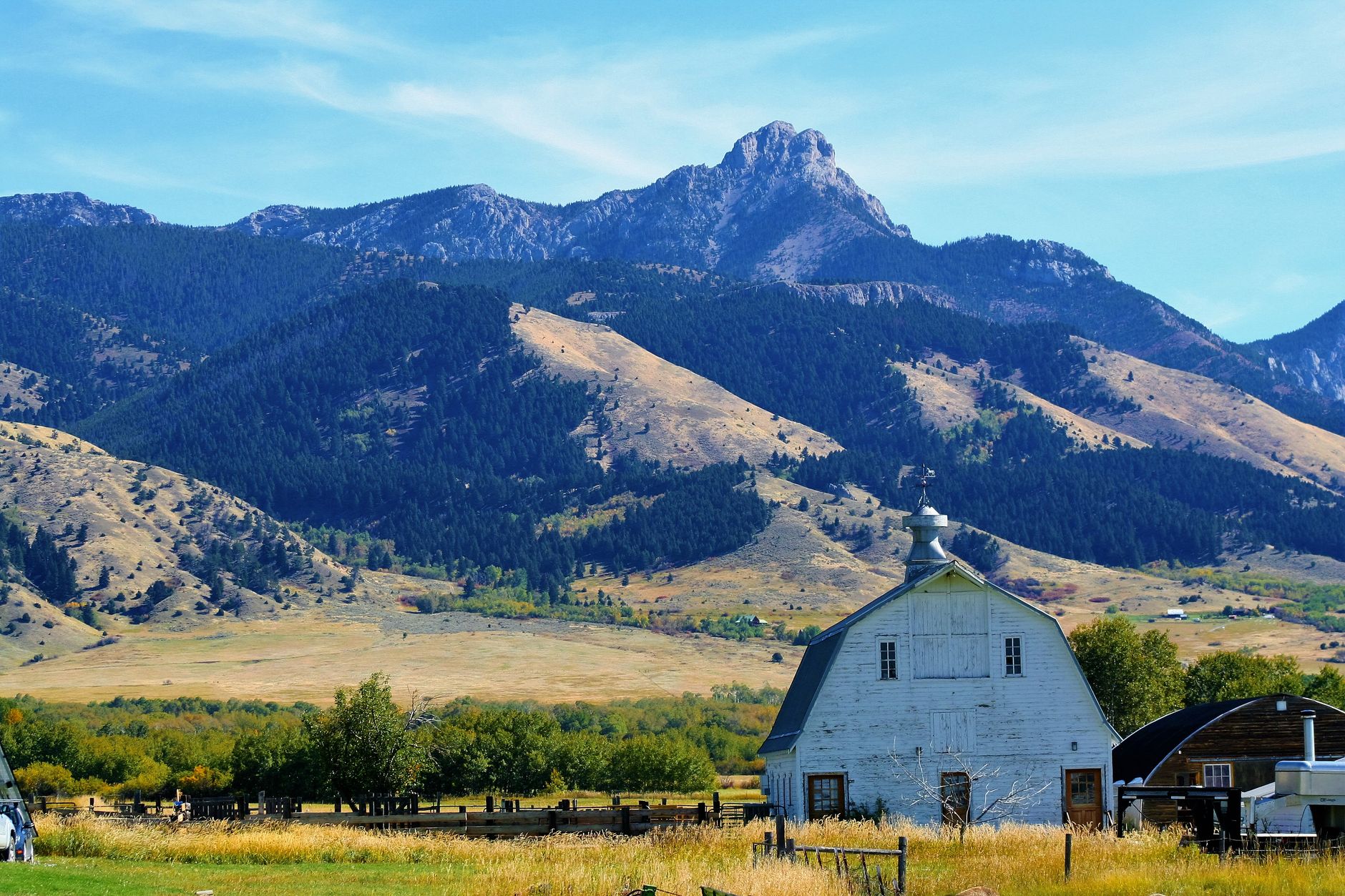
Nestled in the picturesque Gallatin Valley, Bozeman, Montana, is a rare breed of mountain town. It effortlessly balances rugged wilderness with a vibrant, culture-forward downtown. Whether you are aiming to carve powder on legendary ski slopes, cast a fly into pristine trout rivers, or hike through alpine wildflowers, timing your trip is everything. For a complete overview of the region, explore our Comprehensive Guide.
Spring (April to May): Awakening Wilderness and Solitude
Spring in Bozeman is a season of dramatic transitions. As the heavy mountain snow melts into rushing rivers, the valleys turn a brilliant, vibrant green. This is the ultimate shoulder season, making it the best time for travelers looking to avoid crowds and score deals on accommodations.
Wildlife viewing reaches a fever pitch in spring. Bison, elk, and grizzly bears emerge with their newborn calves, particularly in nearby Yellowstone National Park. However, be prepared for unpredictable weather: you might experience a 70-degree sunny afternoon followed by a sudden spring snow squall.
Cultural Pro-Tip: Spring runoff makes local rivers notoriously fast and muddy, so fly-fishing is best deferred to tailwaters or private spring creeks until early summer.
Summer (June to August): Peak Outdoor Adventure
Summer is unquestionably the most popular time to visit Bozeman, and for good reason. Daytime temperatures hover comfortably in the mid-80s, daylight stretches past 9:00 PM, and virtually every trail is clear of snow.
This is prime time for hikers, mountain bikers, and anglers. The Madison, Gallatin, and Yellowstone rivers offer world-class fly-fishing. To map out your days on the water and trails, consult our Tested Itinerary Plan.
- Hiking Highlights: Tackle the strenuous trek up Sacajawea Peak in the Bridger Mountains or enjoy a leisurely walk around Fairy Lake.
- Festivals: Downtown Bozeman comes alive with the Sweet Pea Festival of the Arts in August, celebrating local music, dance, and crafts.
Autumn (September to October): Golden Aspens and Elk Bugling
If you ask local residents when the best time to visit Bozeman is, many will whisper: September. The scorching summer crowds vanish, leaving behind crisp, clear mornings and golden aspen groves that set the hillsides ablaze with yellow and orange hues.
Elk bugling echoes through the mountain canyons during the autumn rut, and the cool weather is ideal for long hikes without overheating. Mornings can be chilly, so packing layers is essential. Food lovers will also revel in the harvest menus popping up across downtown eateries—read more in our Food & Drink Highlights.
Winter (November to March): A Powder Hound’s Paradise
When winter clamps its snowy grip on the Gallatin Valley, Bozeman transforms into a winter wonderland. Skiers and snowboarders flock to the area to tackle the legendary, powdery slopes of Bridger Bowl and the nearby Big Sky Resort.
Beyond downhill skiing, winter offers:
- Nordic Skiing: Miles of groomed tracks at Bohart Ranch and Crosscut Mountain Sports Center.
- Ice Climbing: Hyalite Canyon is internationally renowned for its frozen waterfalls and vertical ice routes.
- Hot Springs: Soak away the winter chill at Norris Hot Springs or Chico Hot Springs just a short drive away.
To manage your travel expenses during the peak winter sports season, check out our Budget Travel Guides for money-saving tips.
Traveler’s FAQ: Practical Takeaways
Q: What is the absolute cheapest time to visit Bozeman?
April and November are the true shoulder months. Flight and lodging prices drop significantly before the summer rush and winter ski season begin.
Q: Do I need a rental car?
Yes. While Bozeman Yellowstone International Airport (BZN) is well-connected, public transit outside of downtown is limited. A 4WD vehicle is especially recommended for winter and spring travel.
Ready to map out your dream trip? Use the interactive Voyage Roams Trip Planner to build a custom itinerary tailored to your travel style.