The Ultimate Guide: Best Time to Visit Canada for Every Traveler
From the blazing autumn foliage of the East to epic powder days in the Rockies, discover when to time your journey.

Planning a journey across the world's second-largest country requires careful timing. Canada's dramatic landscapes—spanning six time zones, towering mountain ranges, and rugged coastlines—transform entirely depending on the season. To help you map out your dream vacation, use the Voyage Roams Trip Planner to customize your route, and read on for our definitive seasonal breakdown.
Summer (June to August): Peak Season for Outdoor Exploration
Summer in Canada is nothing short of legendary. With long daylight hours and warm, pleasant temperatures, this is the premier window for hiking, wildlife viewing, and epic road trips. Banff and Jasper National Parks buzz with vibrant energy, and coastal drives like Nova Scotia's Cabot Trail shine under brilliant blue skies.
- Pros: All national park trails are open, wildlife is active, and festivals animate every major city.
- Cons: Peak pricing for accommodations, larger crowds at iconic viewpoints like Lake Louise.
Cultural Pro-Tip: July 1st marks Canada Day. While celebrations are joyous and full of fireworks, book your hotels and transport months in advance if you plan to be in major hubs like Ottawa or Toronto.
For inspiration on your summer routing, check out our Tested Itinerary Plan to hit all the right scenic viewpoints without the guesswork.
Autumn (September to November): Golden Landscapes and Harvests
For photographers, foodies, and solitude seekers, autumn is arguably the best time to visit Canada. By mid-September, the Canadian Rockies experience their first dusting of snow against amber-gold larch trees, while Eastern Canada—particularly Ontario and Quebec—ignites in fiery shades of crimson and orange.
- Pros: Significantly smaller crowds, stunning foliage, and crisp, comfortable weather for walking.
- Cons: Some high-altitude mountain passes begin closing by late October due to early snowfall.
If your palate craves local flavors, don't miss the region's culinary harvest. Dive deeper into our Food & Drink Highlights to discover Ontario icewine tastings and coastal seafood feasts.
Winter (December to March): A Wonderland of Snow and Ice
If you dream of powdery alpine slopes, cozy fireplace lounges, and sparkling snowscapes, Canadian winters are unmatched. Whistler-Blackcomb, Mont-Tremblant, and the Rockies offer world-class skiing and snowboarding. Meanwhile, cities like Quebec City transform into living winter fairy tales with their historic European-style holiday markets.
- Pros: Incredible winter sports, magical snow-covered scenery, and fewer summer tourists.
- Cons: Sub-zero temperatures require serious packing, and shorter daylight hours limit daily exploration windows.
Secret Spot: Head to Churchill, Manitoba in November for peak polar bear viewing before the deep freeze sets in.
For those seeking thrills on the snow, explore our curated Adventure Trails category for backcountry skiing and dog-sledding expeditions.
Spring (April to May): The Shoulder Season Awakening
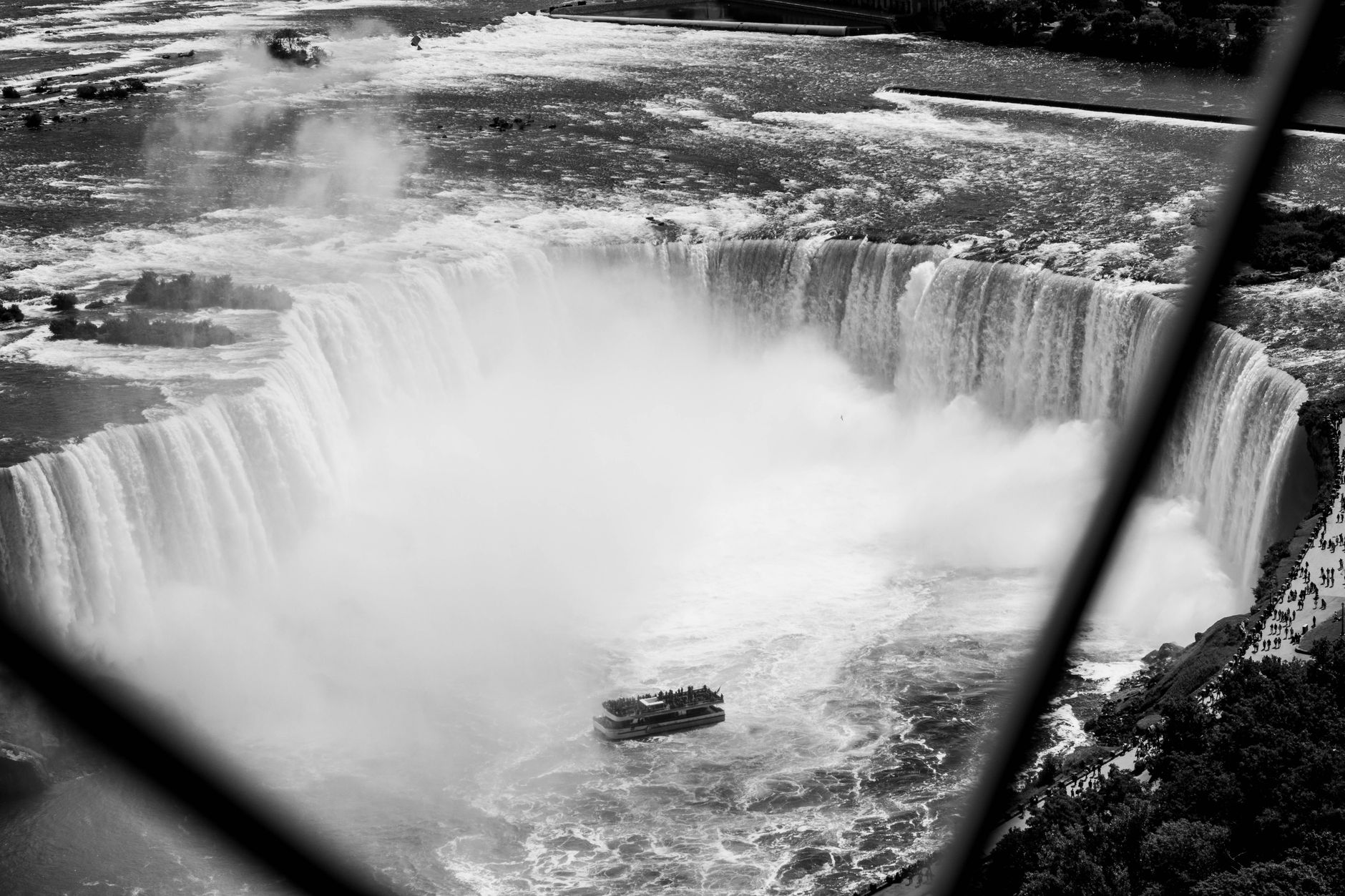
Spring is a season of transition across Canada. While April can still feel stubbornly wintery in the north, May brings rushing waterfalls fueled by melting snow, blooming cherry blossoms in Vancouver, and the reopening of seasonal roadside attractions.
- Pros: Lower travel costs, fewer crowds, and blossoming nature.
- Cons: Spring thaw can make certain hiking trails muddy or temporarily inaccessible.
Travelers looking to stretch their dollars will find great value during these shoulder months. Consult our Budget Travel Guides for smart ways to explore Canada without breaking the bank.
Month-by-Month Snapshot
To summarize your planning efforts, keep this quick reference guide in mind:
- 1January & February: Peak winter sports, Northern Lights viewing in the Yukon, and winter carnivals.
- 2March & April: Spring skiing in the west, maple syrup harvesting in the east.
- 3May & June: Blooming flora, rushing waterfalls, and the onset of comfortable hiking weather.
- 4July & August: Ultimate camping, national park road trips, and vibrant music festivals.
- 5September & October: Fall foliage, harvest festivals, and peaceful mountain trails.
- 6November: Quiet shoulder season, early ski openings, and cozy city breaks.
Traveler's FAQ & Practical Takeaways
- When is the absolute cheapest time to visit?
Late April to May and late October to November offer the best deals on flights and accommodations.
- When can I see the Northern Lights?
While visible year-round in northern territories, the long, dark nights between September and March provide the optimal viewing conditions.
- Do I need a visa?
Most international travelers require an Electronic Travel Authorization (eTA) or a visitor visa before boarding flights to Canada. Always check entry requirements well in advance of your trip.
For a broader look at what to expect across the country, read our comprehensive Comprehensive Guide to start crafting your unforgettable northern escape.
Ready to Turn This Story Into Your Next Adventure?
Save places to your custom wishlist or map out a step-by-step day plan with Voyage Roams.
Elena Vance
Elena travels the globe reporting on cultural heritage, street food trails, and budget exploration for Voyage Roams.
Planning a trip to Canada?
Discover verified places to visit, neighborhood recommendations, seasonality charts, and tested budgets in our comprehensive Canada portal.