When is the Best Time to Visit Peru? The Ultimate Season-by-Season Guide
From the high-altitude trails of the Andes to the misty Amazon basin, discover the optimal months to experience Peru's wonders.

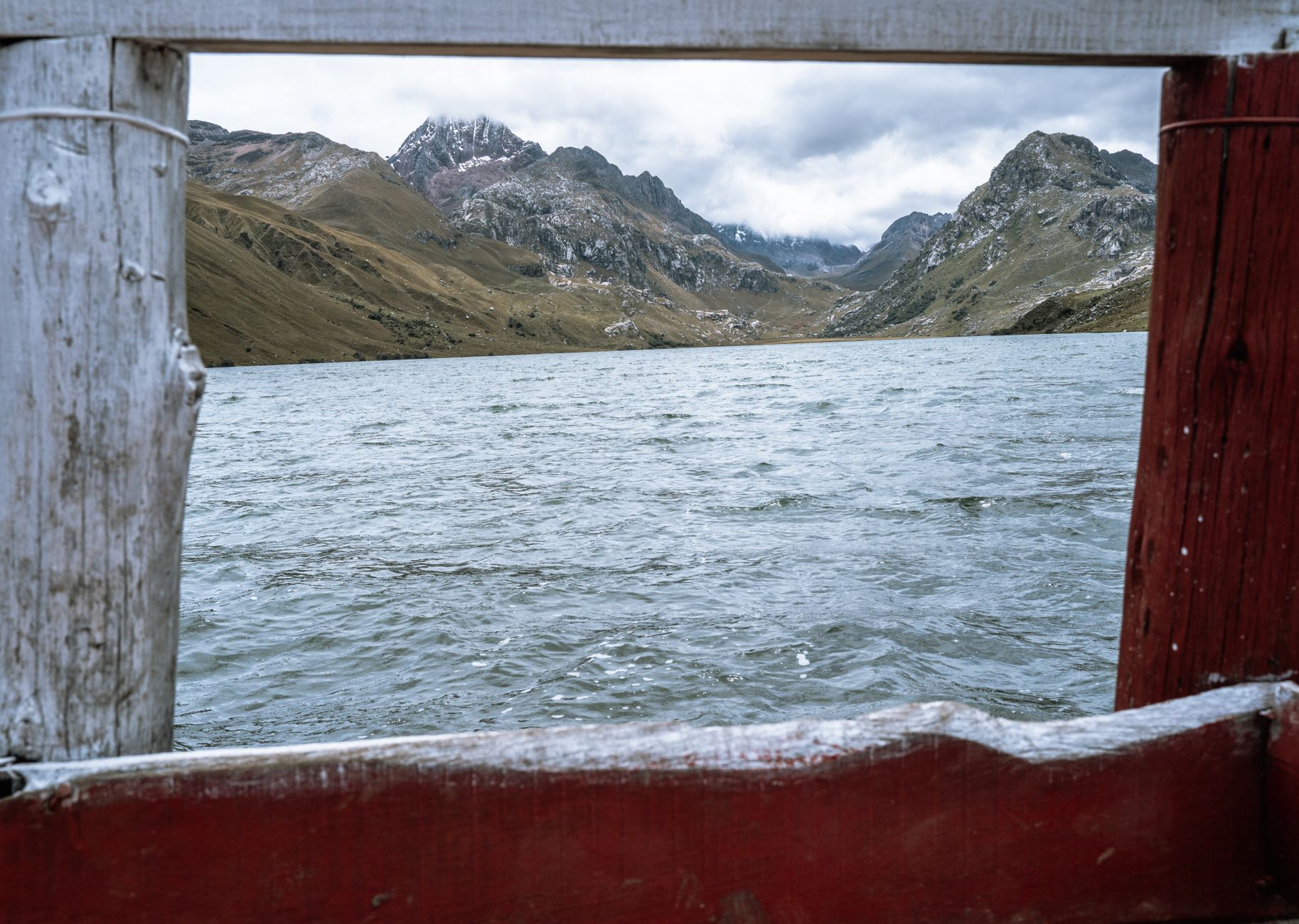
Introduction to Peru's Climate: A Microclimate Masterpiece
Peru is a land of dramatic topographical contrasts. Straddling the Equator and boasting the towering Andes mountain range right alongside a sweeping Pacific coastline and the vast Amazon basin, its weather defies simple generalizations. To plan the ultimate getaway using our Voyage Roams Trip Planner, understanding these distinct regional microclimates is the first crucial step.
While one region experiences torrential downpours, another might be basking in brilliant sunshine. Whether you are aiming to conquer the legendary Inca Trail or sample the world-class culinary scene in Lima, timing your visit correctly makes all the difference.
The Dry Season (May to September): Peak Trekking and Clear Skies
For most travelers, the dry season represents the absolute best time to visit Peru. Spanning from May through September, this period brings crisp, clear blue skies to the Andean highlands, making it prime time for iconic treks like Machu Picchu and the Ausangate Circuit. Daytime temperatures in Cusco and the Sacred Valley are comfortably warm, often hovering around 20°C (68°F).
However, because this is the high season, you must book permits, trains, and boutique accommodations months in advance. Nights in the high mountains can plummet below freezing, so packing thermal layers is non-negotiable.
Cultural Pro-Tip: Visit in June to witness Inti Raymi, the magnificent Inca Festival of the Sun in Cusco. It is a vibrant, deeply cultural spectacle, but expect massive crowds and inflated accommodation rates.
The Shoulder Months (April and October): The Sweet Spot
If you prefer to dodge the heavy tourist throngs while still enjoying favorable weather, look closely at the shoulder months of April and October. During these transition periods, the weather is a pleasant gamble—you might experience a brief afternoon shower, but you will be rewarded with lush green landscapes left over from the rains and significantly fewer crowds on the trails.
April brings the harvest season to the Andes, turning the hillsides into a patchwork of gold and emerald. October offers similar magic before the wet season fully takes hold. For detailed route ideas during these transitional months, consult our Tested Itinerary Plan.
The Wet Season (November to March): Lush Landscapes and Low Crowds
Often mischaracterized simply as the 'rainy season,' Peru's summer months from November to March offer a completely different, deeply rewarding perspective of the country. While afternoon downpours are common in the Andes, mornings often dawn bright and clear.
This is the premier season for wildlife viewing in the Amazon Rainforest, where high water levels make previously inaccessible tributaries navigable by boat. Furthermore, budget-conscious travelers will find incredible deals on flights and hotels. Be aware, however, that the Inca Trail closes every year in February for vital maintenance and conservation work.
For more money-saving strategies, explore our curated Budget Travel Guides.
Regional Breakdowns: Coast, Andes, and Amazon
When mapping out your Peruvian adventure, keep these geographical quirks in mind:
- The Coast & Lima: Lima is famously overcast from June to November (known locally as the garúa), wrapped in a moody coastal mist. If you want sunny beach days and clear skies in Paracas or Máncora, aim for the southern hemisphere summer between December and April.
- The Andes & Cusco: Strictly adhere to the May–September dry window for high-altitude trekking.
- The Amazon (Iquitos & Puerto Maldonado): Accessible year-round, but the wet season (Nov–Mar) brings higher water levels and active wildlife, while the dry season (Jun–Aug) offers slightly cooler temperatures and easier jungle trail navigation.
Practical Takeaways: Your Peruvian Season Planner
- Best for Trekking: June, July, and August.
- Best for Photography: April and May (lush valleys and dramatic skies).
- Best for Budget & Solitude: November, January, and March.
- Best for Foodies: Year-round! Lima’s culinary scene shines regardless of the weather. Read more in our Food & Drink Highlights.
Traveler's FAQ
Q: When is the Inca Trail closed?
A: The classic Inca Trail is closed every year for the entire month of February for environmental cleanup and trail maintenance. Alternative treks like the Salkantay Trek remain open.
Q: Is altitude sickness worse during certain months?
A: Altitude sickness (soroche) can happen year-round regardless of the weather. However, arriving in the dry season means you won't have to contend with slippery, rain-slicked trails while acclimatizing.
Ready to Turn This Story Into Your Next Adventure?
Save places to your custom wishlist or map out a step-by-step day plan with Voyage Roams.
Elena Vance
Elena travels the globe reporting on cultural heritage, street food trails, and budget exploration for Voyage Roams.
Planning a trip to Peru & Machu Picchu?
Discover verified places to visit, neighborhood recommendations, seasonality charts, and tested budgets in our comprehensive Peru & Machu Picchu portal.
Related Stories & Guides
 destinations
Best Time to Visit Milan: The Ultimate Season-by-Season Guide
 destinations
When is the Best Time to Visit the Bahamas? The Ultimate Seasonal Guide
 destinations