The Best Time to Visit Seville: A Season-by-Season Guide to Andalusian Magic
From the intoxicating scent of spring orange blossoms to the sun-baked secrets of midsummer, discover the perfect moment for your Andalusian escape.

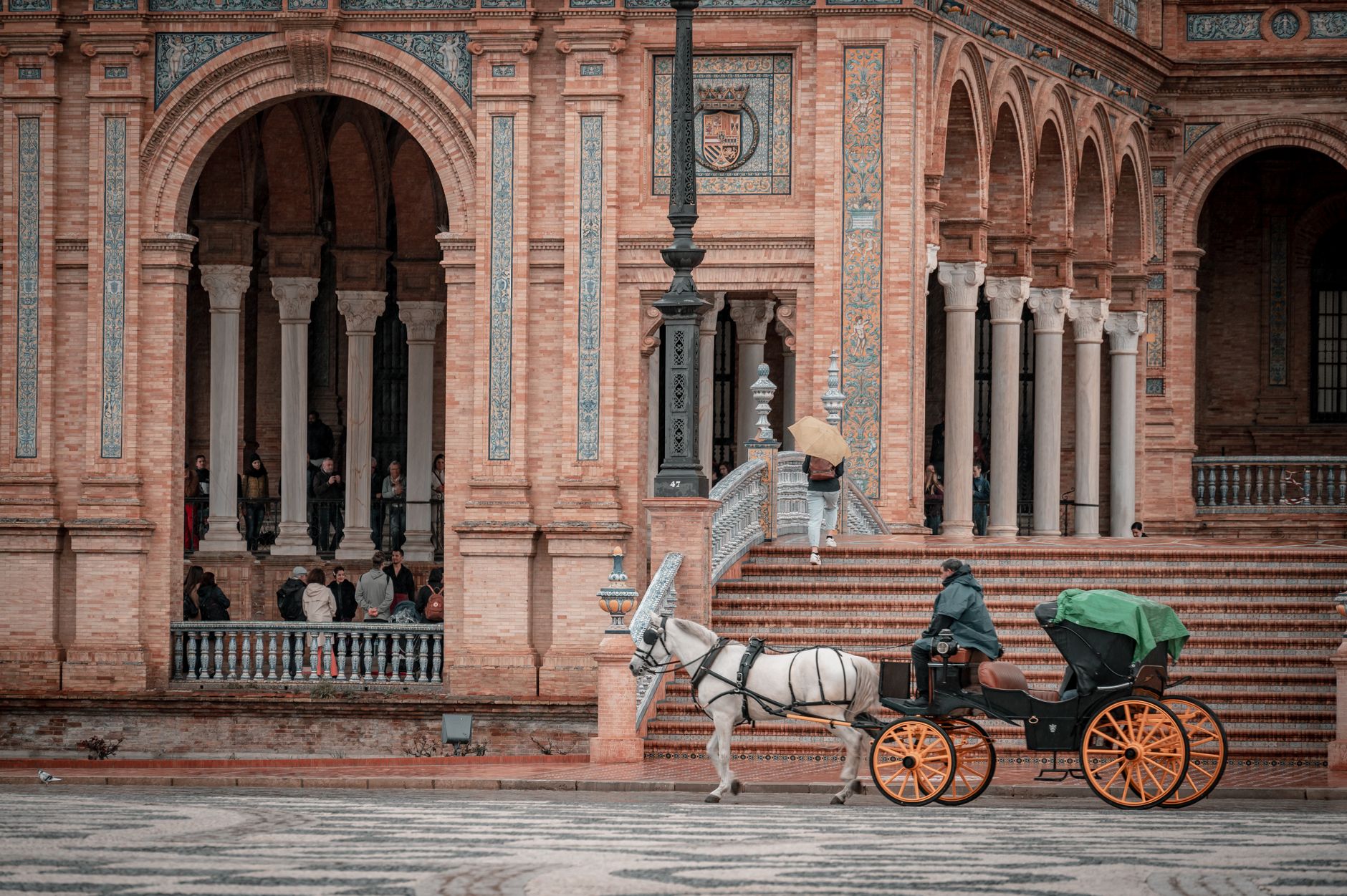
Introduction: The Rhythm of the Guadalquivir
Seville doesn't just experience seasons; it performs them. In the capital of Andalusia, the passage of time is marked not merely by falling leaves or rising temperatures, but by the scent of orange blossoms, the dramatic strum of flamenco guitars, and the clinking of sherry glasses under striped canvas tents.
Because Seville experiences some of the most dramatic weather contrasts in Europe, choosing when to visit is the single most important decision you will make. To help you navigate your journey, we've compiled this definitive guide, which pairs beautifully with our Comprehensive Guide to Spain and our step-by-step Tested Itinerary Plan for Seville.
Spring (March to May): Orange Blossoms and Festival Fever
Spring is, without question, Seville’s golden hour. During these months, the city shakes off its mild winter chill and erupts into a sensory masterpiece. The air is thick with azahar (orange blossom fragrance) from the city’s 40,000 bitter orange trees, and temperatures hover in a blissful 20°C to 26°C (68°F to 79°F) range.
However, spring is also when Seville is at its most crowded and expensive, driven by two world-famous events:
- 1Semana Santa (Holy Week): A deeply solemn, visually stunning week of religious processions featuring massive, hand-carried floats (pasos) and penitents in traditional pointed hoods.
- 2Feria de Abril (April Fair): Occurring two weeks after Easter, this is a week-long celebration of pure Andalusian joy. The sandy fairgrounds (Real de la Feria) fill with horse-drawn carriages, women in spectacular flamenco dresses, and private tents (casetas) where dry manzanilla sherry flows like water.
Cultural Pro-Tip: If you visit during spring, book your accommodation at least six to eight months in advance. If you want to experience the spring weather without the astronomical crowd prices, aim for the brief "sweet spot" weeks nestled between Easter and the start of the Feria.
Autumn (September to November): The Golden Shoulder Season
If you want the idyllic warmth of spring but want to avoid the eye-watering hotel rates and dense crowds, autumn is Seville’s best-kept secret. By late September, the scorching summer heat finally breaks, giving way to crisp mornings and balmy, golden afternoons ranging from 22°C to 28°C (71°F to 82°F).
Autumn is also a phenomenal time for cultural purists. In even-numbered years, the city hosts the Bienal de Flamenco, the world's most prestigious flamenco festival, filling historic courtyards and theaters with Spain's finest dancers and musicians.
This is also the harvest season. Indulge in seasonal tapas like wild mushrooms, chestnuts, and slow-cooked Iberian pork—explore our Food & Drink Highlights of Andalusia for the ultimate culinary map to accompany your autumn strolls.
Winter (December to February): The Cozy, Sun-Drenched Escape
While northern Europe shivers under gray skies, Seville in winter is a sun-drenched sanctuary. With daytime temperatures averaging a comfortable 16°C (61°F) and over six hours of daily sunshine, it is one of the continent's finest winter weekend destinations.
Winter in Seville offers unique charms:
- The Bitter Orange Harvest: In January and February, the city's trees hang heavy with bright, sour oranges, harvested by locals to make world-famous marmalade.
- Festive Lights: December brings spectacular Christmas light displays to the central pedestrian avenues, especially Calle Sierpes and Calle Tetuán.
- Unimpeded Sightseeing: You can wander through the breathtaking Real Alcázar and climb the Giralda tower without the crushing queues of the high season.
Best of all, winter is highly budget-friendly. Flights and boutique hotels drop to their lowest rates of the year, making it a dream destination for those tracking their expenses through our Budget Travel Guides.
Summer (June to August): Surviving the "Frying Pan of Europe"
There is no sugarcoating it: summer in Seville is intense. Known colloquially as la sartén de Andalucía (the frying pan of Andalusia), the city routinely sees afternoon temperatures climb past 40°C (104°F), occasionally peaking near 45°C (113°F).
During these months, the city adapts. Locals disappear indoors between 2:00 PM and 7:00 PM, shops close for extended siestas, and the streets empty. However, if you are a budget-conscious traveler who doesn't mind the heat, summer offers incredible hotel bargains.
How to Survive a Seville Summer:
- 1Embrace the Siesta: Do your sightseeing from 8:30 AM to 11:30 AM. Retreat to an air-conditioned hotel or museum during the peak heat.
- 2Head Upstairs: The city comes alive after dark. Spend your evenings on chic rooftop bars overlooking the illuminated Cathedral.
- 3Stay Hydrated: Carry water constantly, and seek out shade along the narrow, canopy-covered streets of the old Jewish Quarter.
Seville Seasonal Comparison Matrix
To help you visualize the year, here is a quick breakdown of what to expect in terms of climate, crowds, and cost:
| Season | Avg. Temperature | Crowd Levels | Budget Friendliness | Best For |
|---|---|---|---|---|
| Spring (Mar-May) | 20°C - 26°C | Very High | Low (Expensive) | Festivals, Orange Blossoms, Vibrant Energy |
| Summer (Jun-Aug) | 35°C - 42°C | Low | High (Very Cheap) | Budget Travelers, Rooftop Nightlife |
| Autumn (Sep-Nov) | 22°C - 30°C | Moderate | Medium | Sightseeing, Flamenco, Foodies |
| Winter (Dec-Feb) | 15°C - 18°C | Low | High (Cheap) | Crowd-free Monuments, Winter Sun |
Practical Takeaways & FAQ
What is the single best month to visit Seville?
October is widely considered the perfect month. The extreme summer heat has completely dissipated, autumn rains have not yet fully arrived, and hotel rates return to reasonable levels.
When is the cheapest time to visit?
January and February offer the cheapest flights and accommodation, alongside beautifully clear, cool blue skies.
How many days do I need in Seville?
To truly absorb the slow-paced Andalusian lifestyle, we recommend at least three full days. Use our interactive Voyage Roams Trip Planner to customize your daily walking routes and reserve skip-the-line tickets to the Cathedral and Alcázar in advance.
Ready to Turn This Story Into Your Next Adventure?
Save places to your custom wishlist or map out a step-by-step day plan with Voyage Roams.
Elena Vance
Elena travels the globe reporting on cultural heritage, street food trails, and budget exploration for Voyage Roams.
Planning a trip to Spain?
Discover verified places to visit, neighborhood recommendations, seasonality charts, and tested budgets in our comprehensive Spain portal.
Related Stories & Guides
 destinations
Things to Do in Bentonville AR: The Ultimate Cultural & Outdoor Guide
 destinations
Boston First-Timer's Guide: Walking Through American History and Charm
 destinations