Best Time to Visit South Africa: The Ultimate Season-by-Season Guide
From peak safari dry seasons to whale-watching along the Whale Coast, discover the ultimate timing for your South African adventure.

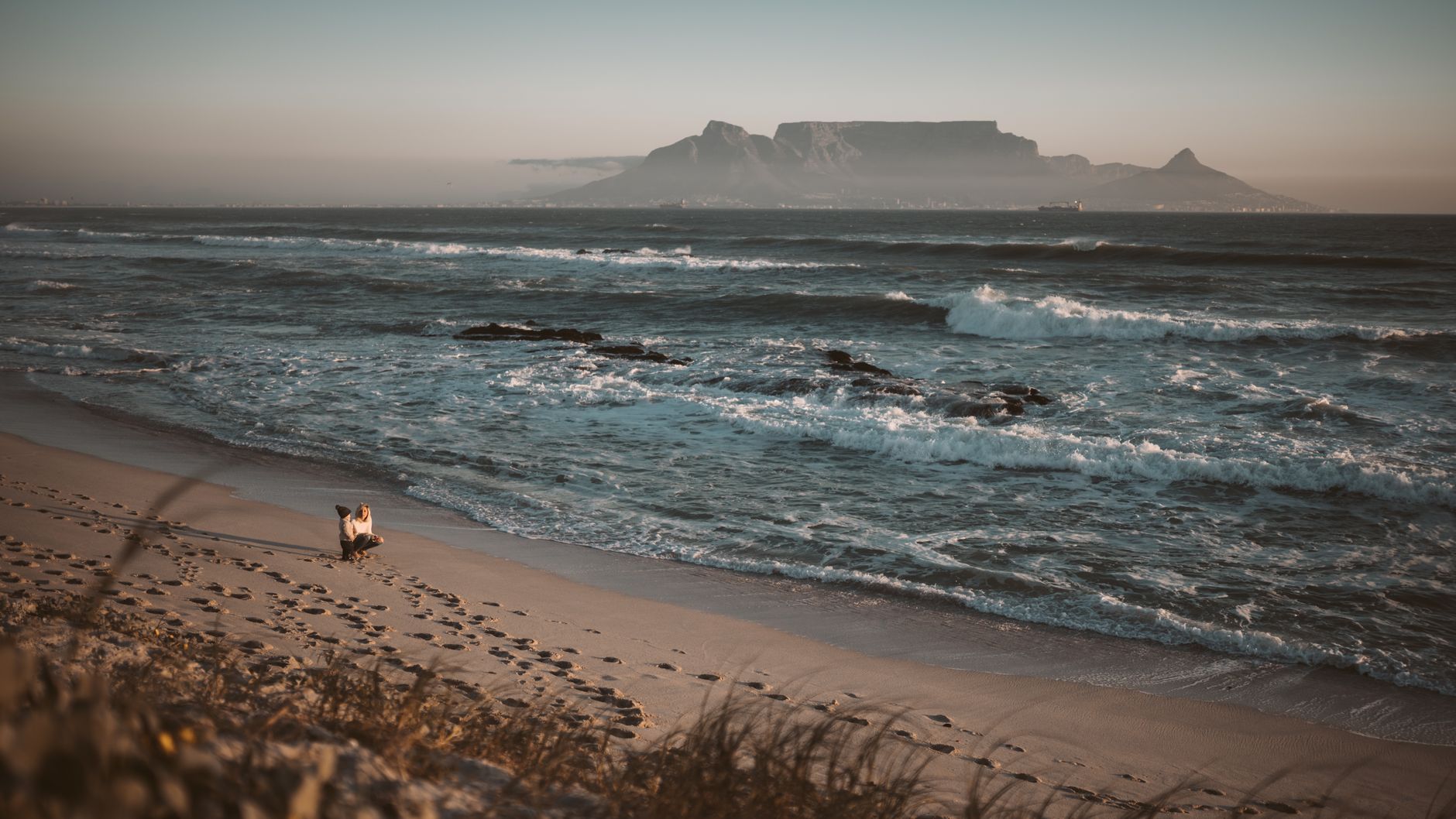
Introduction to South Africa's Seasons
South Africa is a country of staggering geographic diversity, stretching from the arid reaches of the Kalahari to the dramatic cliffs of the Cape Peninsula. Because it sits in the Southern Hemisphere, its seasons are reversed compared to North America and Europe. Deciding on the best time to visit South Africa entirely depends on what kind of adventure you are chasing—whether that is tracking the Big Five through Kruger National Park, chasing great whites off Gansbaai, or sipping world-class vintages in Stellenbosch.
To help map out your dream journey, dive into our Comprehensive Guide or experiment with dates using the Voyage Roams Trip Planner.
Wildlife Safaris: Dry Season vs. Green Season
For most travelers, spotting Africa's iconic wildlife is the ultimate priority. The timing of your safari dictates the landscape, visibility, and animal behavior you will encounter.
The Dry Winter (May to September)
Widely considered the best time for game viewing in Kruger National Park, Madikwe, and Hluhluwe-iMfolozi.
- Sparse Foliage: With deciduous trees dropping their leaves and grasses dying back, spotting predators like leopards and lions becomes significantly easier.
- Waterhole Gatherings: Animals congregate around shrinking rivers and artificial waterholes, offering predictable wildlife viewing.
- Cooler Mornings: Game drives start crisp and cold; pack heavy layers, gloves, and a beanie.
The Green Summer (November to March)
Often overlooked, the warmer wet season brings a different kind of magic, explored further in our Wildlife & Safari Stories.
- Baby Animals: This is the birthing season, resulting in high predator-prey interaction and impossibly cute newborns.
- Lush Landscapes: Photographers adore the vibrant green backdrops and dramatic afternoon thunderstorms.
- Migratory Birds: Birdwatchers will find an explosion of colorful migrant species arriving from Europe and North Africa.
Insider Pro-Tip: If you plan to visit Kruger during the dry winter school holidays (June/July), book your lodges up to a year in advance. For a more intimate, crowd-free experience during the green season, consider private reserves in the malaria-free Waterberg or Madikwe regions.
Cape Town and the Western Cape: Mediterranean Climates
While the northeast shines in winter, the southwest behaves quite differently. Cape Town experiences a classic Mediterranean climate with hot, dry summers and cool, wet winters.
Summer in the Cape (November to February)
- Beach Weather: Temperatures hover around 25°C to 30°C (77°F to 86°F), perfect for Camps Bay and Clifton beaches.
- Outdoor Lifestyle: Long daylight hours mean golden hours stretching past 8 PM, ideal for hiking Table Mountain or Lion's Head.
- The Wind: Be prepared for the legendary Cape Doctor—a fierce southeastern wind that can occasionally close the Table Mountain Aerial Cableway.
Winter in the Cape (June to August)
- Storm Watching: The Atlantic coast experiences dramatic, cinematic storms, making cozy wine-tasting rooms by roaring fireplaces deeply appealing.
- Lower Costs: Accommodation rates drop significantly, making this a prime window for budget-conscious travelers checking out our Budget Travel Guides.
Whale Watching and the Marine Seasons
South Africa's coastline serves as a marine highway for migrating oceanic giants. If marine life is on your itinerary, timing is everything.
- Southern Right Whales (June to November): The coastal town of Hermanus becomes the whale-watching capital of the world. Whales calve and breach mere meters from the rocky shorelines.
- Shark Cage Diving (April to October): Gansbaai offers year-round opportunities, but winter and spring often provide exceptional water visibility.
- The Sardine Run (June and July): A breathtaking marine spectacle off the Wild Coast where billions of sardines migrate north, drawing sharks, dolphins, gannets, and whales in a feeding frenzy.
Crafting Your Itinerary Across Seasons
Because South Africa spans multiple climate zones, creating a multi-week trip requires careful choreography. For instance, pairing a Cape Town city stay with a Kruger safari in June means balancing cool, crisp safari mornings with brisk, occasionally rainy days in the Mother City.
To see how expert travelers weave these regions together seamlessly, check out this Tested Itinerary Plan.
Traveler's FAQ & Practical Takeaways
Q: When is the absolute best overall month to visit South Africa?
A: September is often hailed as the "magic month." The weather in the Cape is warming up, whale watching is at its peak along the Garden Route, and Kruger National Park still offers excellent dry-season game viewing before the summer rains begin.
Q: Is malaria medication required?
A: Malaria is strictly limited to the northeastern lowveld—including Kruger National Park and surrounding private reserves. Cape Town, the Garden Route, and Madikwe are entirely malaria-free.
Q: How far in advance should I book safari lodges?
A: For peak dry season (July to October), book 9 to 12 months in advance. For shoulder seasons, 4 to 6 months is generally sufficient.
Ready to Turn This Story Into Your Next Adventure?
Save places to your custom wishlist or map out a step-by-step day plan with Voyage Roams.
Elena Vance
Elena travels the globe reporting on cultural heritage, street food trails, and budget exploration for Voyage Roams.
Related Stories & Guides
 destinations
The Ultimate US Beaches Travel Guide: Coastal Havens from Coast to Coast
 destinations
The Ultimate Las Vegas Strip Walking Guide: An Insider’s Route Map
 destinations