The Ultimate Budapest Thermal Baths Guide: History, Architecture, and Insider Rituals
Immerse yourself in the healing waters of Europe's spa capital, from neo-Baroque palaces to hidden steam-filled Ottoman relics.

Introduction to Budapest's Thermal Culture
Budapest is not merely a city built over thermal waters; it is a metropolis defined by them. With over a thousand natural springs bubbling beneath the limestone crust of the Buda Hills, the Hungarian capital has been a sanctuary for bathers since the Roman era. Today, visiting a thermal bath is not just a wellness routine—it is a deeply ingrained social ritual, a living piece of architecture, and an absolute must for any traveler.
Whether you are looking to recover after tackling our Tested Itinerary Plan or simply seeking a meditative soak amidst neo-Baroque splendor, understanding how to navigate the city's aquatic crown jewels requires a bit of local know-how. For a broader perspective on planning your trip, explore our Comprehensive Guide.
1. Széchenyi Thermal Bath: The Neo-Baroque Giant
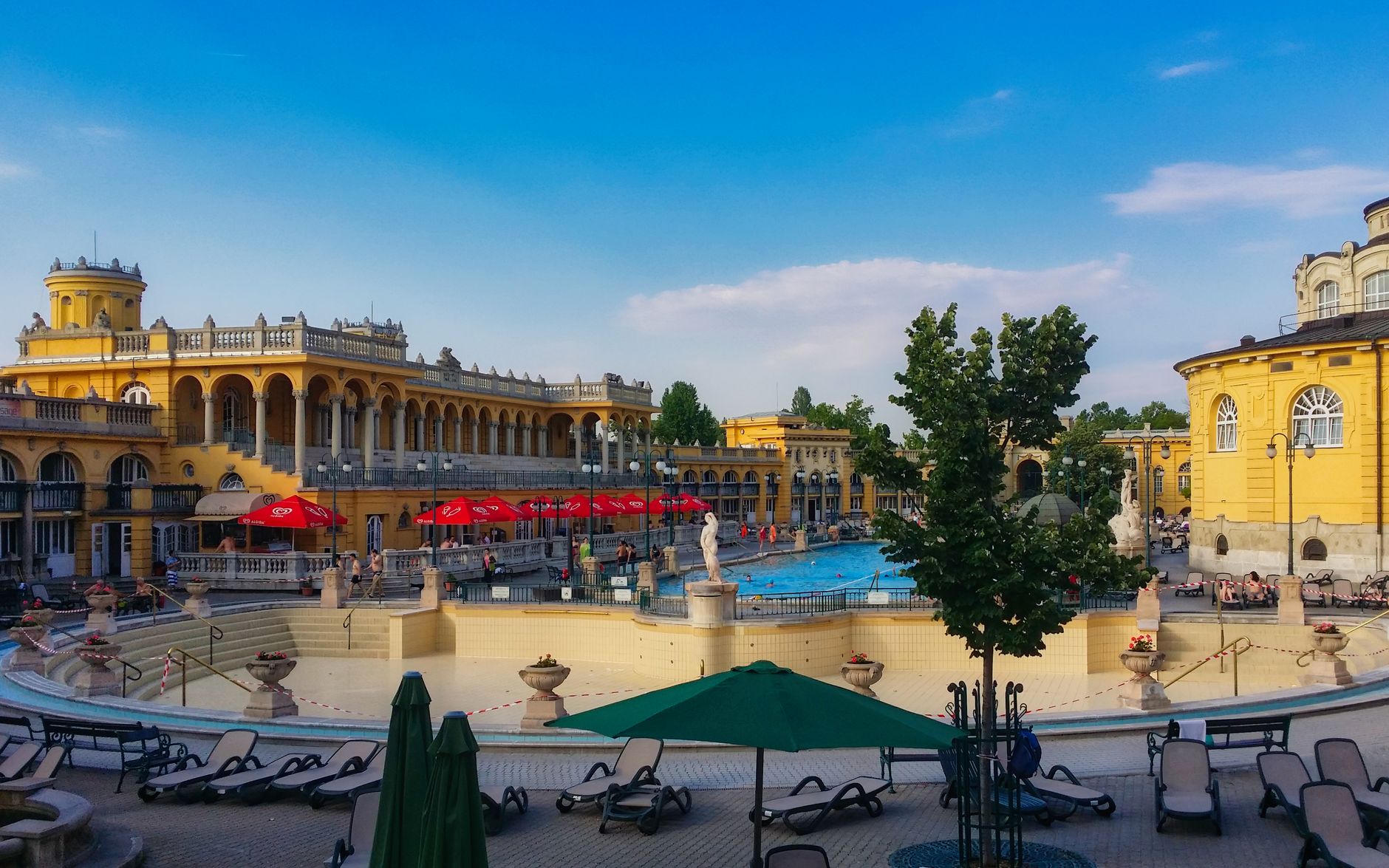
Located in the heart of City Park, Széchenyi is Europe's largest medicinal bath and easily the most photogenic. Completed in 1913, its bright yellow, palatial neo-Baroque facade frames three sprawling outdoor pools where locals play chess amidst billowing steam, even in the dead of winter.
- Highlights: Outdoor whirlpool corridors, interactive massage jets, and 15 indoor thermal pools of varying temperatures.
- Best Time to Visit: Arrive right at opening (6:00 AM) to experience the misty courtyards before the crowds descend.
Cultural Pro-Tip: Don't miss the famous Sparties (Spa Parties) held on Saturday nights, where Széchenyi transforms into an electronic music wonderland with laser shows and ambient projections.
2. Gellért Thermal Bath: Art Nouveau Elegance
If Széchenyi is grand and boisterous, Gellért is its sophisticated, artistic cousin. Tucked inside the historic Hotel Gellért at the foot of Gellért Hill, this bathhouse is a masterpiece of early 20th-century Art Nouveau design.
Stepping inside feels like entering an underwater cathedral. Expect turquoise Zsolnay mosaic tiles, stained glass skylights, carved marble columns, and tranquil indoor soaking pools that echo with the gentle sound of dripping mineral water.
- Highlights: The breathtaking main swimming hall, historical inhalation chambers, and outdoor terrace.
- Dress Code: While co-ed bathing is standard across almost all Budapest baths, Gellért requires traditional swimwear, and swim caps are strictly enforced in the main lap pool.
3. Rudas Baths: Ottoman Heritage and Rooftop Panoramas
For an authentic dive into 16th-century history, head to Rudas Baths. Built during the Turkish occupation of Buda, the core of Rudas features a magnificent octagonal pool capped by a 10-meter dome supported by eight stone pillars, with sunlight filtering through colorful glass apertures.
While the historic core retains a traditional, single-gender schedule on certain days (traditionally men-only or women-only), the modern wing adds contemporary wellness amenities.
- Highlights: The stunning rooftop hot tub overlooking the Danube River and the panoramic night bathing sessions.
- Insider Secret: Book a Friday or Saturday night ticket to soak under the stars on the rooftop while watching the bridges of Budapest illuminate the night sky.
4. Practical Etiquette and Essential Packing Checklist
Navigating the bathhouses can be intimidating for first-timers. Here is what you need to know to blend in like a local:
- Cabin vs. Locker: Always opt for a private cabin (kabin) instead of a basic locker. Cabins give you a secure private space to change and store your belongings.
- What to Pack:
- Quick-dry towel and lightweight flip-flops (mandatory for hygiene on wet stone floors).
- A proper swim cap if you plan to swim laps in the designated sports pools.
- Reusable water bottle—the thermal heat will dehydrate you quickly.
- Hydration and Rest: Limit your time in water above 38°C (100°F) to 20-minute intervals to avoid dizziness.
For more ways to stretch your travel funds while enjoying these experiences, check out our Budget Travel Guides.
5. Budget Breakdown and Ticket Strategies
Visiting Budapest's baths has become more popular, and ticket prices reflect their global fame. Planning ahead helps you save money and time.
- Standard Day Pass: Ranging from 9,000 to 11,000 HUF (approx. $25–$30 USD) depending on the bath and whether you choose a weekday or weekend.
- Cabin Surcharge: Usually an extra 1,000 to 1,500 HUF, which is well worth the peace of mind.
- Skip-the-Line: Always purchase your tickets online in advance through official websites to bypass the notorious morning queues.
To map out your daily expenses and build a personalized itinerary combining baths, dining, and sightseeing, use the interactive Voyage Roams Trip Planner.
Traveler's FAQ: Practical Takeaways
- Are the baths open year-round? Yes! In fact, soaking in steaming outdoor pools while snow falls around you is widely considered the ultimate Budapest experience.
- Can I drink alcohol inside? While some bars sell beer and cider on-site, heavy drinking is discouraged due to the dehydrating effects of high-mineral hot water.
- Are treatments included? Standard tickets grant access to pools and steam rooms only. Massages and private baths must be booked as add-ons well in advance.
- Is the water actually medicinal? Yes, the water is rich in calcium, magnesium, hydrogen-carbonate, and trace amounts of sulfate, historically prescribed for joint pain and circulatory health.
Ready to Turn This Story Into Your Next Adventure?
Save places to your custom wishlist or map out a step-by-step day plan with Voyage Roams.
Elena Vance
Elena travels the globe reporting on cultural heritage, street food trails, and budget exploration for Voyage Roams.
Related Stories & Guides
 destinations
The Ultimate Guide to the Best Places to Visit in the United States
 destinations
The Ultimate Italy Best Beaches Guide: Sun, Sand, and Azure Waters
 destinations