Introduction to Canadian Cuisine
When travelers think of Canada, pristine wilderness, towering mountains, and polite locals often come to mind. Yet, beneath the surface of this vast geographic expanse lies a rapidly evolving, diverse culinary landscape. Canadian cuisine is not a single monolith; rather, it is a mosaic of Indigenous traditions, European heritage, and vibrant immigrant cultures that continually reinvent the country's plate.
Whether you are planning your trip using our Voyage Roams Trip Planner or mapping out a cross-country route with our Tested Itinerary Plan, understanding Canada's culinary roots is essential for an immersive journey.
The Atlantic Provinces: Ocean Bounty and Comfort Classics
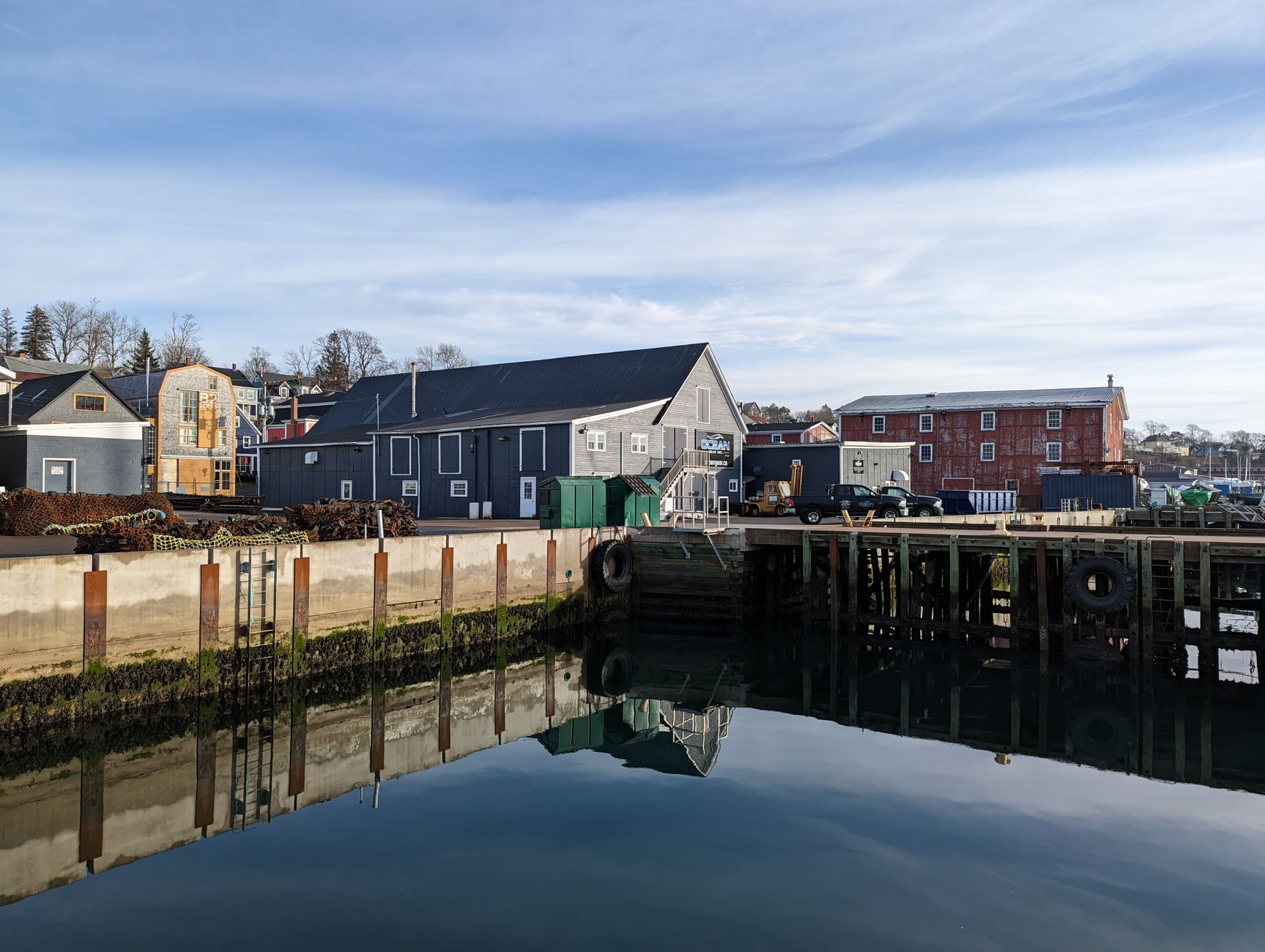
Beginning our journey on the rugged eastern shores, the Atlantic provinces offer some of the freshest seafood on the planet. Nova Scotia, New Brunswick, Prince Edward Island, and Newfoundland and Labrador boast freezing Atlantic waters that yield sweet, succulent crustaceans.
- Nova Scotia Lobster Suppers: Traditional community dinners featuring whole boiled lobster, melted butter, potato salad, and fresh rolls.
- PEI Mussels: Grown in the pristine, nutrient-rich estuaries of Prince Edward Island, steamed simply in white wine and garlic.
- Newfoundland Jiggs Dinner: A hearty salt-beef and root vegetable boiled dinner deeply rooted in outport heritage.
Cultural Pro-Tip: When in Newfoundland, don't leave without participating in a traditional 'Screech-In' ceremony, where you take a shot of local rum, kiss a cod, and become an honorary Newfoundlander.
To dive deeper into regional east coast flavors, explore our curated Food & Drink Highlights section.
Quebec: French Technique Meets Canadian Heart
Quebec’s culinary identity is a delicious collision of Old World French technique and harsh New World realities. The province’s gastronomic heartbeat is found in Montreal, where historic cobblestone streets play host to world-class restaurants and iconic comfort foods.
The Iconic Poutine
No Canadian food guide is complete without mentioning poutine. Born in rural Quebec in the late 1950s, this humble dish of French fries, fresh squeaky cheese curds, and hot brown gravy has transcended its diner origins to become a global phenomenon. For the absolute best traditional rendition, visit Montreal institutions like La Banquise or Dumpling & Poutine outposts.
Montreal Bagels and Smoked Meat
Beyond poutine, Montreal is fiercely proud of its wood-fired, honey-water-boiled bagels (St-Viateur vs. Fairmount is a lifelong local debate) and its legendary rye-stacked smoked meat from Schwartz's Deli.
The Prairies: Breadbasket of the Nation
Moving westward, the flat, fertile plains of Alberta, Saskatchewan, and Manitoba form Canada’s agricultural powerhouse. This is cattle country, renowned globally for world-class beef, alongside a rich tapestry of Ukrainian, Mennonite, and Indigenous influences.
- Alberta Beef: Raised on vast natural grasslands, AAA Alberta beef steaks are grilled to buttery perfection across Calgary and Edmonton steakhouses.
- Ukrainian Pierogies (Perogies): A prairie staple loaded with potato and cheddar, often pan-fried in butter with onions and crispy bacon.
- Bison and Game: For a taste of the ancient plains, sample locally sourced bison tartare or elk medallions.
For outdoor enthusiasts pairing these hearty meals with alpine hikes, check out our Adventure Trails coverage.
The Pacific Northwest and The North: Wild and Fusion
British Columbia’s coast and Canada’s northern territories offer ingredients harvested directly from ancient forests, rushing rivers, and icy seas. Vancouver stands as a beacon of modern Pacific Northwest cuisine, heavily influenced by vibrant Asian diaspora communities.
- Wild Pacific Salmon: Sockeye, Chinook, and Coho salmon prepared fresh, candied, or traditionally smoked over alder wood.
- Spot Prawns: A fleeting delicacy available only for a few weeks each spring, celebrated for their sweet, lobster-like texture.
- Bannock: A traditional Indigenous frybread found in various iterations from coast to coast, served warm with jam or honey.
Budget Breakdown for Food Travelers
Eating your way across Canada can fit various travel styles, whether you are seeking fine dining or street-side comfort food. Here is a quick budget breakdown per day:
- 1Budget Traveler ($30 - $50 CAD/day): Focus on local bakeries, food trucks, farmers' markets, and classic diners (poutine and bagels).
- 2Mid-Range Foodie ($80 - $150 CAD/day): Enjoy casual bistros, craft breweries with pub fare, and dim sum lunches.
- 3Fine Dining Connoisseur ($200+ CAD/day): Experience farm-to-table tasting menus, high-end seafood houses, and award-winning wine pairings in the Okanagan Valley.
For more money-saving tips, browse our dedicated Budget Travel Guides.
Traveler's FAQ & Practical Takeaways
- Tipping Culture: Tipping between 15% and 20% is standard practice in Canadian restaurants for good service.
- Reservations: For high-end restaurants in major hubs like Vancouver, Toronto, and Montreal, book reservations weeks—sometimes months—in advance.
- Dietary Restrictions: Canada’s major cities are exceptionally accommodating to vegetarian, vegan, gluten-free, and halal diets.