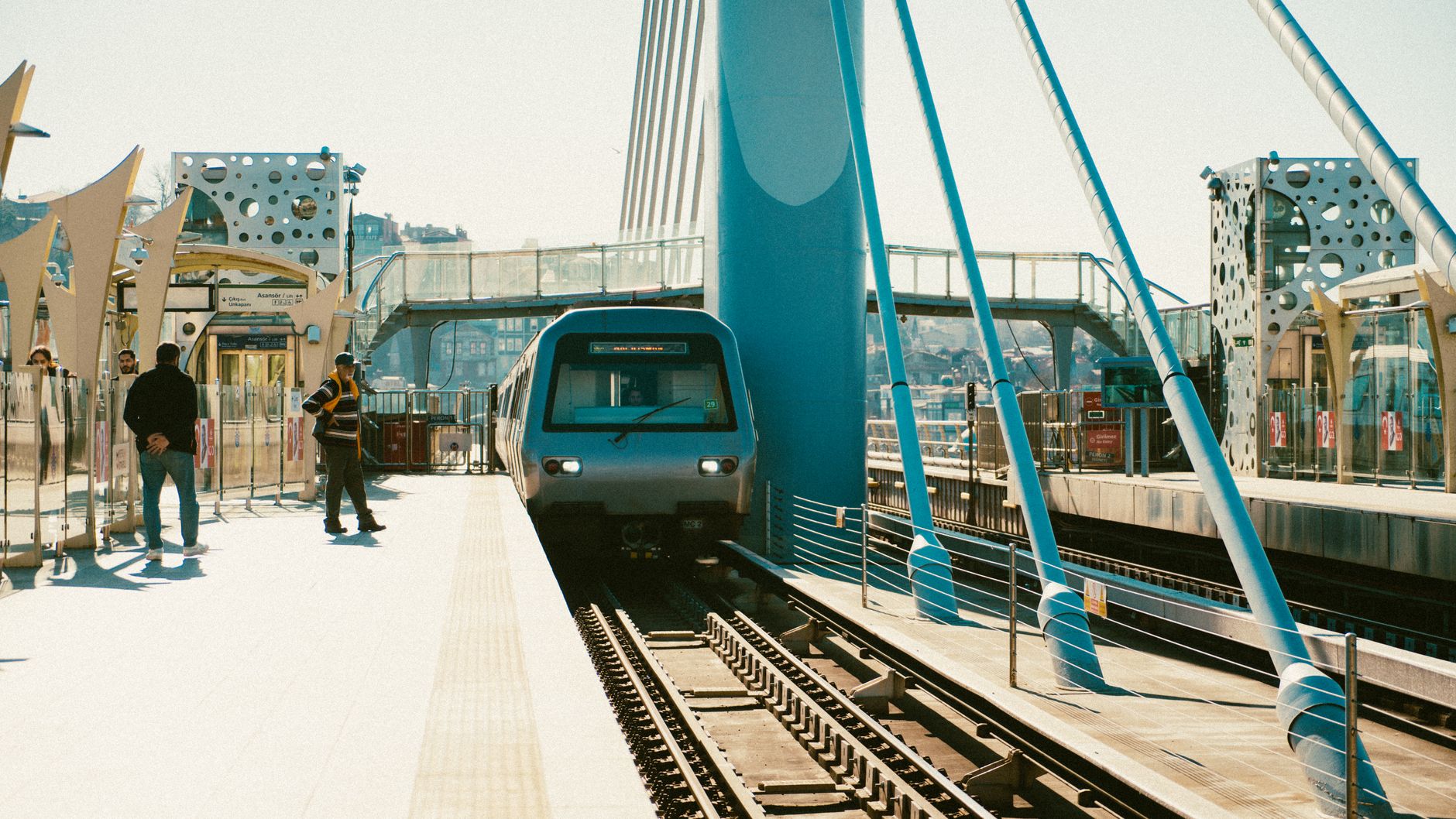
The Golden Rules of Global Transit Navigation
For the modern adventurer, the journey is rarely just about the destination; it is about the poetry of motion. Yet, navigating foreign public transport networks can feel like deciphering an ancient language under pressure. Whether you are catching a high-speed train across the Japanese Alps or boarding a ferry through the Greek Cyclades, understanding local transit systems is the single most effective way to save money, reduce stress, and travel sustainably.
Before you step foot out of your door, successful transit navigation relies on a few universal rules:
- 1Download offline maps: Never rely solely on cellular data. Download regional transit maps on Google Maps or specialized apps like Citymapper before arrival.
- 2Align your ticketing: Research whether a regional transit pass (like the Swiss Travel Pass or London's Oyster card system) offers better value than point-to-point tickets.
- 3Synchronize with localized apps: Many countries have dedicated national transit apps (such as Switzerland's SBB or Japan's Navitime) that are far more accurate than global mapping services.
To map out your entire journey seamlessly, utilize the interactive Voyage Roams Trip Planner, which syncs regional transport schedules with your daily sightseeing goals.
Cultural Pro-Tip: In many East Asian transit systems, such as in Tokyo or Seoul, eating, drinking, or speaking loudly on trains is considered a major social faux pas. Always observe local commuter etiquette to blend in seamlessly.
Europe's Rail Renaissance: Navigating Eurail and Nightjet Networks
Europe is experiencing a golden age of rail. With rising flight costs and a collective push toward sustainable travel, trains have recaptured the imaginations of travelers. The European rail network is highly integrated, but navigating it requires a strategic approach.
Eurail vs. Point-to-Point Tickets
The perpetual debate for European travelers is whether to purchase a Eurail Pass (or Interrail Pass for European residents) or buy individual point-to-point tickets.
- Choose Eurail if: Your travel dates are highly flexible, you plan to cover vast distances across multiple countries within a short timeframe, and you want the freedom to board regional trains on a whim.
- Choose Point-to-Point if: You have a fixed itinerary planned months in advance. High-speed rail networks (like France's TGV, Italy's Frecciarossa, and Spain's AVE) require mandatory seat reservations that incur extra fees even with a Eurail Pass. Booking these early directly through national operators (like SNCF, Trenitalia, or Renfe) often yields massive "early-bird" discounts.
The Rise of the Nightjet
Night trains are back. Austrian railways (ÖBB) has spearheaded this movement with their sleek Nightjet services, connecting major hubs like Vienna, Munich, Zurich, Paris, and Amsterdam. Sleeping on the train saves you the cost of a hotel night and maximizes your daytime exploration. For a complete breakdown of cross-border rail journeys, consult our Comprehensive Guide to European rail travel.
Asia's High-Speed Arteries: Mastering Japan's Shinkansen and China's Bullet Trains
Nowhere else on earth is precision transit as revered as in East Asia. Here, high-speed rail is not just a utility; it is a cultural marvel.
Japan's Legendary Shinkansen
Japan's bullet trains (Shinkansen) run with legendary punctuality, often measured in seconds of delay per year. Traveling at speeds up to 320 km/h (200 mph), they connect Tokyo to major hubs like Kyoto, Osaka, and Hiroshima.
- The JR Pass Restructuring: Following major price hikes, the nationwide Japan Rail (JR) Pass is no longer an automatic money-saver. To see if it is worth it for your specific route, map out your journey using our Tested Itinerary Plan, which offers pre-calculated cost comparisons.
- IC Cards: For local transport within Japanese cities, purchase a prepaid IC Card (Suica, Pasmo, or Icoca). You can easily load these onto your Apple Wallet or purchase physical cards at stations to tap-and-go on subways, buses, and even at convenience stores.
China's Mega-Network
China boasts the world's largest high-speed rail network, spanning over 45,000 kilometers. Booking tickets requires your passport number, and trains are treated with airport-style security. Always use reliable English-language booking platforms like Trip.com to secure your tickets up to 15 days in advance.
The Art of the Urban Metro: Decoding Tokyo, London, and New York
Once you arrive in a global metropolis, your primary mode of transit shifts to the urban metro. Each system has its own unique personality and payment structures.
| City | Primary Transit Card / Payment | Key Navigational Tip |
|---|---|---|
| Tokyo | Suica / Pasmo (or mobile IC) | Look at the alphanumeric station codes (e.g., M16 for Marunouchi Line) rather than trying to read complex kanji names. |
| London | Oyster Card / Contactless Pay | "Mind the Gap" and always tap out with the same card/device you tapped in with to avoid maximum fare penalties. |
| New York | OMNY / MetroCard | Subway lines are grouped by color but run as distinct letters/numbers. Pay close attention to "Express" vs. "Local" trains. |
Local Secret: In London, taking the Tube between Covent Garden and Leicester Square is a classic tourist trap. It takes longer to walk down the platforms and ride the escalators than it does to make the beautiful 4-minute walk above ground.
Budget Transit Hacks: How to Save Hundreds on Regional Routes
If you are traveling on a shoestring, you do not have to sacrifice convenience for cost. With a few tactical adjustments, you can slash your transportation budget in half.
1. Leverage Long-Distance Buses
While trains are faster, regional bus networks offer unbeatable prices. In Europe, FlixBus connects thousands of destinations for as little as €5. In North America, carriers like Megabus and RedCoach offer comfortable, Wi-Fi-equipped alternatives to expensive domestic flights.
2. The "Hidden City" Ticketing Strategy
For air travel, budget flyers sometimes utilize "hidden-city ticketing" via sites like Skiplagged—booking a flight with a layover in their actual destination and walking away at the transit point. Note: Only do this with carry-on luggage, and be aware of airline mileage program terms.
3. Travel During "Shoulder Hours"
Mid-day transit (between 10:00 AM and 3:00 PM) and late-night departures are significantly cheaper than peak morning commuter slots. Booking during these off-peak hours can save you up to 40% on intercity rail fares.
For more tactical savings tips, explore our dedicated Budget Travel Guides hub.
Traveler's FAQ: Practical Transit Takeaways
What should I do if I miss my train or bus connection?
If you booked a flexible ticket or have a rail pass, you can usually board the next available regional train. However, for high-speed or reserved services (like Eurostar or Shinkansen), you must visit the station's ticket counter immediately. Often, if the delay was caused by a preceding train in the same network, they will rebook you for free.
Is it safe to use night trains and overnight buses?
Generally, yes. However, keep your most valuable possessions (passport, wallet, phone, camera) in a small cross-body bag that stays on your person while you sleep. Avoid placing valuables in overhead racks or under-bus luggage compartments.
How early should I arrive at a train station for an international journey?
Unlike airports, which require 2-3 hours, most international train stations only require you to arrive 30 to 45 minutes before departure. The exception is the Eurostar (connecting London to Paris/Brussels), which requires passport control and security check-ins; for this, arrive at least 90 minutes early.
Transit Checklist for Smooth Arrivals:
- [ ] Download offline maps of the destination city.
- [ ] Take a screenshot of your digital ticket and barcode (in case of poor cell service).
- [ ] Keep local currency coins on hand for older ticket machines that do not accept international credit cards.
- [ ] Locate the official taxi stand or public transit link at the airport; avoid unauthorized airport solicitors.