The Central Park Detour Guide: Escape the Crowds and Discover Secret Green Sanctuaries
Trade the tourist grid for hidden grottos, secluded woodlands, and lesser-known historical pathways across Manhattan's famous green heart.

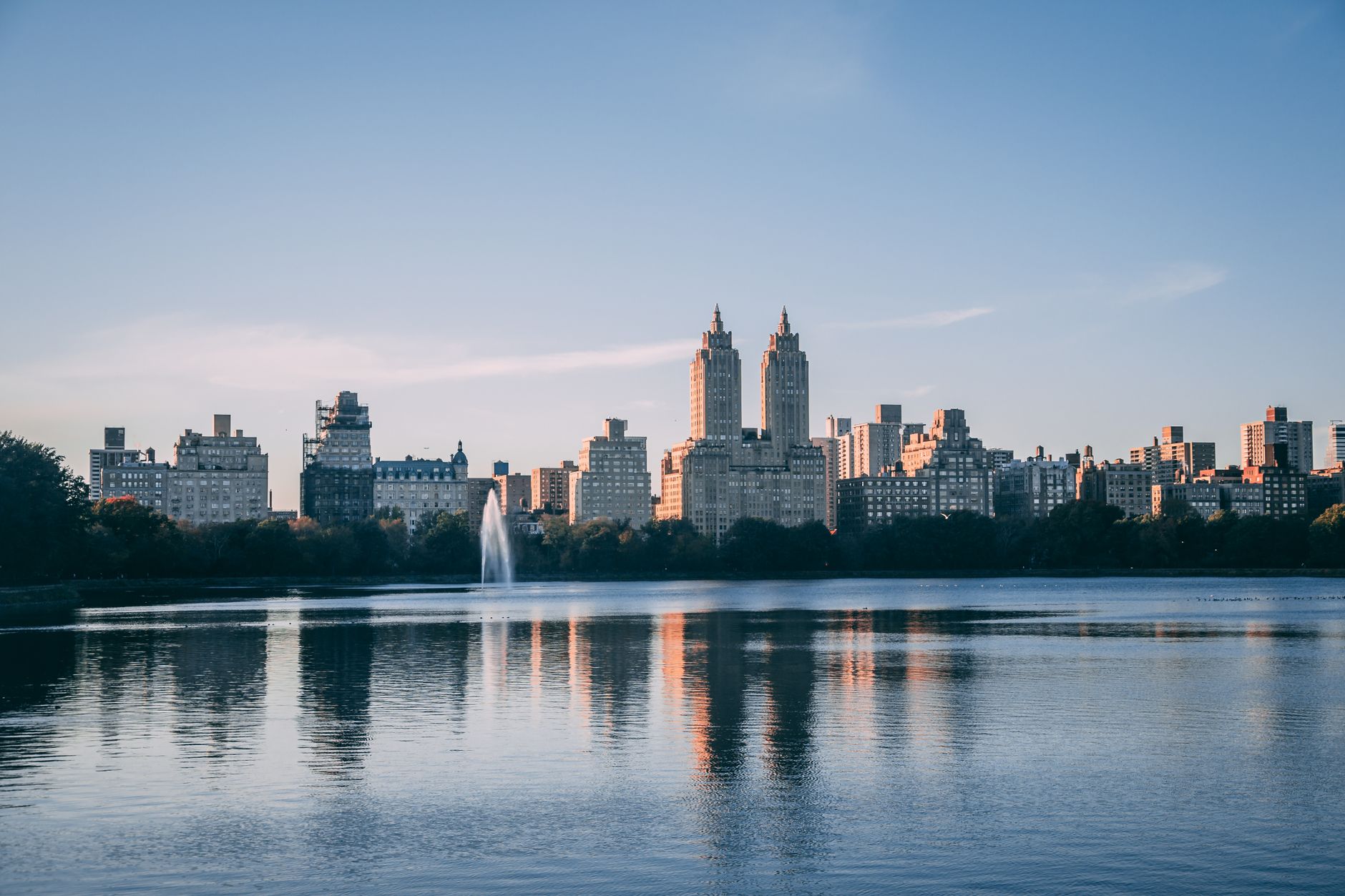
Introduction to Manhattan's Secret Green Heart
For most travelers, a stroll through Central Park involves the well-trodden asphalt of the Mall, a quick selfie at Bethesda Terrace, and a crowded loop around the Reservoir. But beyond the iconic movie backdrops lies an intricate web of hidden trails, forgotten historical ruins, and secluded ecological sanctuaries that most first-time visitors—and even lifelong New Yorkers—entirely miss.
Whether you are mapping out your first weekend using our Tested Itinerary Plan or looking to elevate your urban adventure with the Voyage Roams Trip Planner, taking an intentional detour off the main thoroughfares transforms a standard park walk into an immersive wilderness expedition.
1. The Ramble: A 38-Acre Labyrinth of Woodland Wonder
Stretching between 73rd and 79th Streets, The Ramble is an intentional illusion. Designed by Frederick Law Olmsted and Calvert Vaux as a wild, untamed Victorian garden, this 38-acre sanctuary is a masterclass in landscape architecture.
Navigating the Green Maze
Paved paths are intentionally sparse here. Instead, you will navigate a network of dirt tracks, stone steps, and rustic bridges built from cedar and oak.
Insider Tip: Stop by the Azalea Pond at dawn. It is one of the premier bird-watching spots in North America, where over 230 avian species have been recorded resting during their migratory journeys.
If you love exploring hidden natural corners within major urban landscapes, you might also enjoy browsing our curated Adventure Trails hub for more off-grid city escapes.
2. The North Woods and the Ravine: Adirondacks in the City
If you want to feel entirely removed from the gridiron noise of Manhattan, head north of 102nd Street. The North Woods is the largest of Central Park's three woodland zones, meticulously designed to mimic the rugged topography of upstate New York's Adirondacks.
- The Ravine: A deep gorge carved out by the prehistoric glaciers that shaped Manhattan, featuring the rushing waters of the Loch.
- Hoodoo Arch: A rustic stone bridge that frames the stream perfectly, offering an incredible photography backdrop without a single yellow cab in sight.
- Blockhouse: Built during the War of 1812 as part of a defensive fortification line for New York Harbor, this fieldstone outpost is the oldest structure standing in the park.
3. Conservatory Garden: The Quiet European Escape
Tucked away in the northeast corner at Fifth Avenue and 105th Street, the Conservatory Garden stands in stark, elegant contrast to the wild northern woodlands. Spanning six acres, it is Central Park’s only formal garden.
Divided into three distinct styles—English, French, and Italian—this gated sanctuary requires visitors to keep their voices hushed, making it a favorite spot for reading, sketching, and quiet reflection. The wrought-iron Vanderbilt Gate, salvaged from a demolished Fifth Avenue mansion, marks a grand entrance into a world of manicured yew hedges, crabapple trees, and seasonal tulip displays.
4. Architectural Marvels Off the Beaten Path
While Bethesda Fountain gets all the glory, the park is peppered with smaller architectural gems that reward the curious wanderer:
- 1The Dairy and Women's Pavilion: Originally designed in the 19th century to provide fresh milk to children, this Gothic-revival cottage now serves as a delightful visitor center.
- 2Shakespeare Garden: Planted exclusively with flora and trees mentioned in the works of the Bard, featuring bronze plaques with famous quotes.
- 3Belvedere Castle: Perched atop Vista Rock, this miniature Gothic castle offers panoramic views of the Ramble and the Great Lawn. For a deeper dive into the city's architectural and cultural history, explore our Comprehensive Guide.
5. Practical Takeaways & Budget Detours
Exploring the hidden corners of Central Park is entirely free, but a few local strategies will elevate your experience:
- Best Time to Visit: Arrive between 7:00 AM and 9:30 AM before the city fully wakes up.
- What to Pack: Sturdy walking shoes are non-negotiable for the unpaved trails of the Ramble and North Woods. Pack a reusable water bottle; refilling stations are available near major playgrounds.
- Food & Drink: Skip the overpriced concession stands. Grab a gourmet picnic basket from a nearby artisanal bakery on the Upper West Side and dine by the Harlem Meer. Discover more local culinary gems via our Food & Drink Highlights.
Traveler's FAQ
- Are the woodland areas safe to explore solo? Yes, during daylight hours, the Ramble and North Woods are heavily patrolled and frequented by bird-watchers and runners. However, it is always wise to stick to established dirt tracks.
- Can I bring pets? Dogs are welcome, though off-leash hours are restricted to early morning (before 9:00 AM) and late evening (after 9:00 PM) in designated zones.
Ready to Turn This Story Into Your Next Adventure?
Save places to your custom wishlist or map out a step-by-step day plan with Voyage Roams.
Elena Vance
Elena travels the globe reporting on cultural heritage, street food trails, and budget exploration for Voyage Roams.
Planning a trip to New York City?
Discover verified places to visit, neighborhood recommendations, seasonality charts, and tested budgets in our comprehensive New York City portal.
Related Stories & Guides
 destinations
The Best Time to Visit Croatia: A Season-by-Season Guide to the Adriatic Jewel
 destinations
The Ultimate Thailand Best Beaches Guide: Sun, Sand, and Secret Coves
 destinations