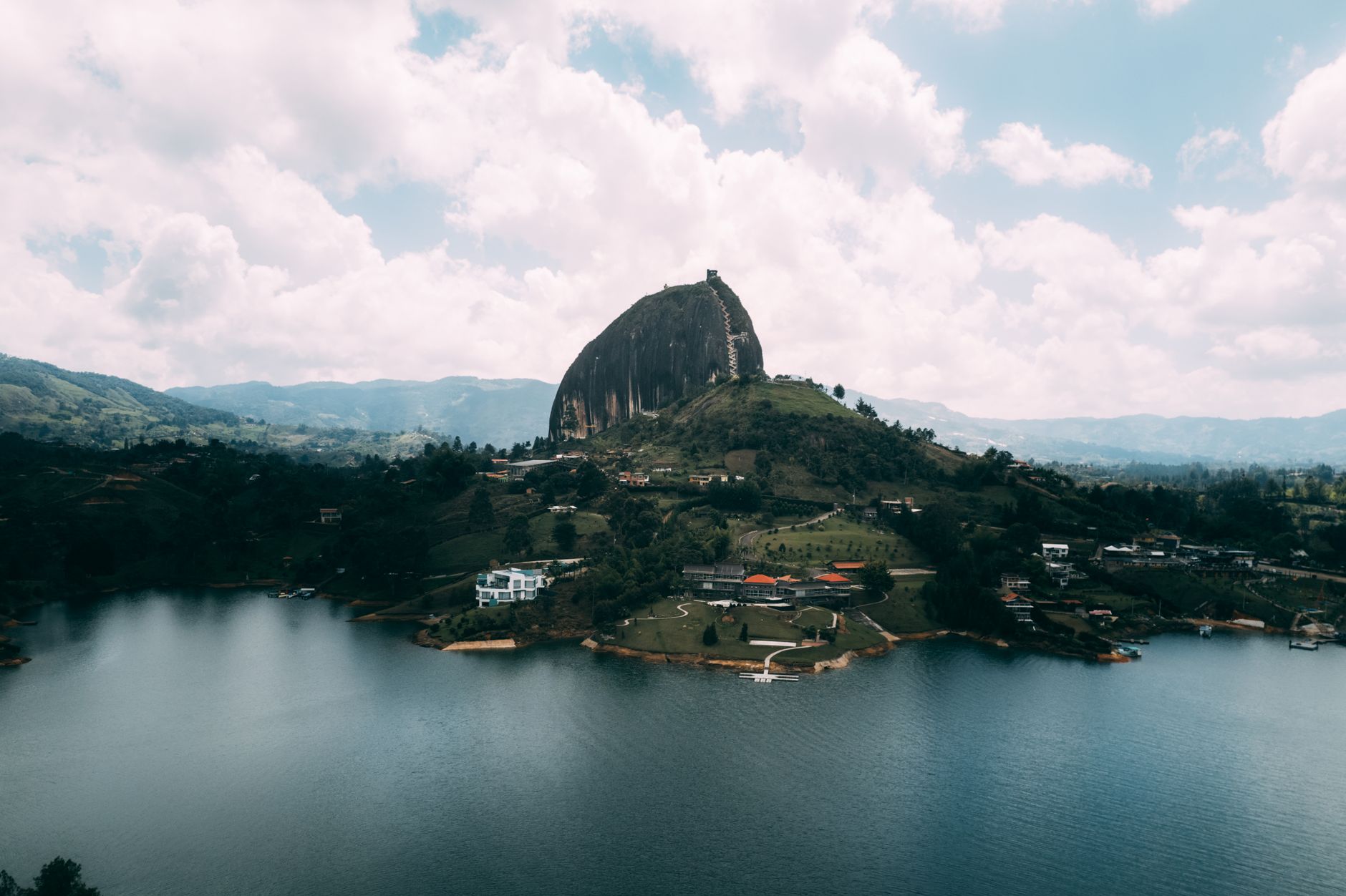

Colombia has rapidly evolved into one of the world's most sought-after destinations, drawing wanderlust-driven travelers with its snow-capped Andean peaks, lush Amazonian jungles, and vibrant Caribbean coastlines. Whether you are charting a course through our Comprehensive Guide or mapping out a multi-city route using the Voyage Roams Trip Planner, navigating this biodiverse nation requires a blend of street smarts and local insight.
1. Understanding Colombian Safety and Street Smarts
While Colombia's security has improved dramatically over the past two decades, common-sense precautions remain essential. Petty theft and opportunistic crimes, such as mobile phone snatches (known locally as cosquilleo), still occur in crowded urban areas and transit hubs.
- Do not flash valuables: Keep expensive cameras, jewelry, and smartphones out of sight when walking down busy streets.
- *Adopt the No Dar Papaya mindset:* A famous Colombian idiom that roughly translates to "don't give papaya"—meaning, do not put yourself in a vulnerable position where someone can easily take advantage of you.
- Use trusted transport: Avoid hailing random street cabs, especially at night. Instead, use official taxi apps like Cabify or InDrive, or ask your hotel reception to call a radio taxi.
Cultural Pro-Tip: If someone attempts to rob you, never resist. Material items can be replaced; your safety is always paramount.
2. Navigating Regional Transport: Planes, Buses, and Colectivos
Colombia's dramatic topography—split by three distinct Andean cordilleras—means that travel times can be deceptive. A distance of 200 kilometers might translate to a winding, six-hour bus journey.
- Domestic Flights: Budget airlines like Viva (historically), Wingo, LATAM, and Avianca offer affordable, lightning-fast connections between major hubs like Bogotá, Medellín, Cartagena, and Cali.
- Long-Distance Buses: For shorter hops or scenic routes (such as traversing the Coffee Triangle), luxury coach lines like Bolivariano offer comfortable reclining seats and onboard Wi-Fi.
- Urban Transit: Make the most of modern infrastructure by riding the TransMilenio in Bogotá or the iconic Metro and cable-car Metrocable systems in Medellín.
For structured journey ideas, check out our Tested Itinerary Plan to optimize your transit days.
3. Mastering the Colombian Peso and Budgeting
The local currency is the Colombian Peso (COP). Because exchange rates fluctuate, carrying a mix of cash and travel-friendly debit cards is ideal. For deeper insights on stretching your funds, consult our Budget Travel Guides.
Estimated Daily Budget Breakdown
| Expense Category | Budget Traveler (USD) | Mid-Range Traveler (USD) | Luxury Traveler (USD) |
|---|---|---|---|
| Accommodation | $10 - $25 (Hostels/Guesthouses) | $50 - $120 (Boutique Hotels) | $200+ (5-Star Resorts) |
| Food & Drink | $8 - $15 (Corrientazos/Street Food) | $25 - $50 (Local Restaurants) | $70+ (Fine Dining) |
| Transportation | $5 - $15 (Public Transit/Buses) | $20 - $50 (Flights/Taxis) | $100+ (Private Drivers) |
| Activities | $10 - $25 (Free Walking Tours/Hikes) | $30 - $70 (Guided Tours/Excursions) | $150+ (Private Excursions) |
4. Savoring the Culinary Landscape
Colombian cuisine is deeply regional, drawing from indigenous, Spanish, and African influences. From hearty mountain stews to ultra-fresh coastal seafood, eating your way through the country is a highlight in itself. Discover more flavor profiles via our Food & Drink Highlights.
- *Try the Corrientazo: The ultimate lunchtime deal found in traditional eateries (asaderos*), featuring a soup, a main protein (beef, chicken, or fish), rice, plantain, and a fresh juice.
- Embrace Arepas: These cornmeal cakes vary drastically by region—from the thick, cheese-stuffed arepa de choclo in Antioquia to the thin, crispy egg-filled arepa de huevo on the Caribbean coast.
- Coffee Culture: Skip the mass-produced beans and visit independent specialty cafes in Medellín, Bogotá, and Salento to sample single-origin microlots.
5. Respecting Local Etiquette and Culture
Colombians are exceptionally warm, polite, and proud of their heritage. A little linguistic effort goes a long way in forging genuine connections.
- Learn Basic Spanish: While English is spoken in high-end tourist hotels and agencies, knowing conversational Spanish is crucial for everyday travel, shopping, and navigating rural areas.
- Greetings Matter: Always greet shopkeepers, taxi drivers, and hosts with a cheerful "Buenos días" (Good morning), "Buenas tardes" (Good afternoon), or "Buenas noches" (Good evening) before launching into a request.
- Tipping Culture: Tipping (propina) is customary in sit-down restaurants, usually amounting to around 10%. Check your bill beforehand, as it is often added automatically (propina voluntaria).
Traveler's FAQ & Practical Takeaways
- Do I need a visa? Citizens of the US, Canada, EU, UK, and Australia generally do not need a visa for tourist stays up to 90 days, though you must receive an entry stamp (or digital equivalent) upon arrival.
- When is the best time to visit? Colombia's proximity to the equator means consistent temperatures year-round. The dry seasons (December to February and July to August) are ideal for trekking and coastal getaways.
- Should I drink the tap water? Tap water is generally safe to drink in major cities like Bogotá and Medellín, but sticking to filtered or bottled water in rural areas and coastal regions is recommended to avoid stomach bugs.