The Ultimate Croatia National Parks Guide: Emerald Lakes, Rugged Peaks, and Coastal Paradises
Dive deep into Croatia's eight breathtaking national parks, from the cascading waterfalls of Plitvice to the dramatic marine labyrinths of Kornati.

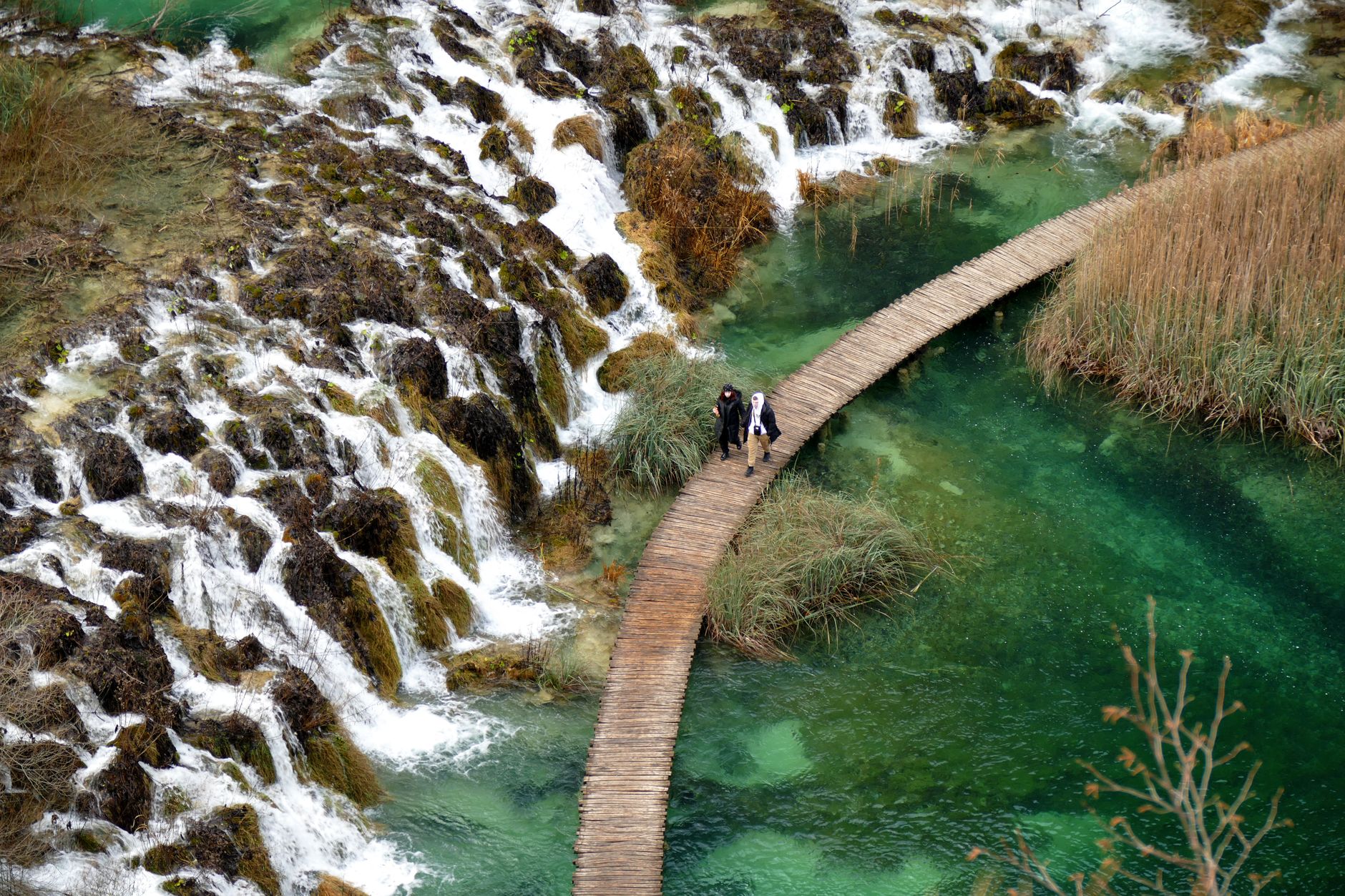
Croatia is far more than its sun-drenched Adriatic coastline and medieval walled cities. Inland and across its shimmering seas lie eight magnificent national parks, each protecting ecosystems of staggering biodiversity, dramatic geological formations, and profound natural beauty. Whether you are planning a multi-week expedition using our Tested Itinerary Plan or crafting your own route with the Voyage Roams Trip Planner, understanding these protected sanctuaries is essential for any traveler.
To help you navigate this diverse landscape, our Comprehensive Guide covers everything from seasonal nuances to conservation guidelines. Read on to explore the finest protected nature reserves in southeastern Europe.
1. Plitvice Lakes National Park: The Emerald Crown Jewel
As Croatia's oldest and most visited national park, Plitvice Lakes is a UNESCO World Heritage site that commands global attention for good reason. Sixteen terraced lakes, cascading into one another via a series of dramatic waterfalls and travertine barriers, create an otherworldly aquatic wonderland.
- Top Trails: Upper Lakes (Gornja Jezera) feature expansive vistas and roaring falls, while Lower Lakes (Donja Jezera) plunge into deep limestone canyons.
- Best Time to Visit: Arrive at the gates by 7:00 AM during shoulder season (May or September) to experience the wooden boardwalks in mist-shrouded solitude.
Cultural Pro-Tip: Do not attempt to see the entire park in a rushed afternoon. Opt for Route H, a four-to-six-hour trail combining boat rides, panoramic train segments, and immersive forest walking.
2. Krka National Park: Swimming in Cascade Country
Located further south in Dalmatia, Krka National Park centers around the emerald-green Krka River. Famous for its series of seven travertine waterfalls—culminating in the magnificent Skradinski Buk—Krka offers a more Mediterranean park experience compared to Plitvice.
Beyond the roaring falls, the park holds historical treasures like the 15th-century Franciscan monastery on Visovac Island, perfectly isolated in the middle of a glassy lake. For culinary travelers looking to pair nature with gastronomy, check out our curated Food & Drink Highlights to discover local Dalmatian wines and freshwater trout specialties near Skradin.
3. Paklenica National Park: A Climber's Paradise
For those seeking vertical adventure, Paklenica sits at the southern tip of the Velebit mountain range. Renowned across Europe for its striking karst canyons—Velika and Mala Paklenica—this park draws rock climbers, hikers, and mountaineers from across the globe.
- Velebit Hiking: The park serves as a primary gateway to the legendary Premužić Trail, a masterclass in dry-stone trail engineering that winds along jagged ridge lines.
- Adventure Trails: For adrenaline seekers, browse our dedicated Adventure Trails category for more rugged European trekking routes.
4. Kornati and Mljet: The Marine and Island Sanctuaries
Croatia's coastal and island parks offer a starkly different flavor of wilderness. Kornati National Park is a breathtaking labyrinth of 89 barren, sun-bleached islands, islets, and reefs rising from intensely blue Adriatic waters—a paradise for sailors and scuba divers.
Further south, Mljet National Park covers the western portion of the island of Mljet. Steeped in Odysseus mythos, it features two interconnected saltwater lakes (Veliko and Malo Jezero) with a tiny islet housing a 12th-century Benedictine monastery at its center. Rent a kayak or bicycle to circumnavigate the pine-forested shores.
5. Risnjak, Brijuni, and Northern Velebit: The Hidden Edges
The remaining three parks—Risnjak, Brijuni, and Northern Velebit—offer profound solitude away from the summer tourist crush.
- Risnjak: A heavily forested mountainous expanse in Gorski Kotar where brown bears, wolves, and lynx still roam.
- Brijuni: An archipelago off the Istrian coast blending rich Mediterranean flora with Roman ruins and a fascinating 20th-century political history.
- Northern Velebit: A botanical wonderland featuring the Hajdučki and Rožanski Kukovi strict reserves, characterized by dramatic needle-like rock formations and deep subterranean pits.
Traveler's FAQ & Budget Practicalities
How much do park entrance fees cost?
Prices vary significantly by season. Plitvice Lakes peak summer tickets can reach up to €40 ($43 USD), while shoulder and winter season rates drop by more than half. Buying tickets online in advance is mandatory for Plitvice and highly recommended for Krka.
Can I use public transit to visit the parks?
While Plitvice and Krka are easily accessible via daily buses from Zagreb, Zadar, and Split, exploring mountain parks like Northern Velebit or Paklenica practically requires a rental car. For budget-conscious travelers, our Budget Travel Guides provide actionable tips on renting efficient vehicles and staying at eco-friendly local guesthouses (sobe).
Ready to Turn This Story Into Your Next Adventure?
Save places to your custom wishlist or map out a step-by-step day plan with Voyage Roams.
Elena Vance
Elena travels the globe reporting on cultural heritage, street food trails, and budget exploration for Voyage Roams.
Planning a trip to Croatia?
Discover verified places to visit, neighborhood recommendations, seasonality charts, and tested budgets in our comprehensive Croatia portal.
Related Stories & Guides
 destinations
When to Go: The Ultimate Guide to the Best Time to Visit Havana
 destinations
Where to Stay in Wonderland: The Ultimate Guide to the Best Yellowstone National Park Hotels
 destinations