
Europe’s coastlines are a masterclass in geographical diversity. Far from being mere stretches of sand, they are living cultural landscapes where dramatic geology meets centuries-old maritime history. Whether you are looking for sheer, cliff-backed drama, quiet pine-scented coves, or vibrant beachside culture, the European continent offers some of the most spectacular shorelines on Earth.
To help you plan your next sun-soaked escape, we have compiled this definitive guide to Europe's best beaches, featuring insider secrets, cost breakdowns, and practical planning advice.
Before you pack your bags, make sure to use our interactive Voyage Roams Trip Planner to map out your route, secure accommodations, and build a customized daily itinerary.
1. The Sculpted Sandstone of the Algarve, Portugal
Portugal’s southernmost region is famous for its dramatic, wind-sculpted limestone cliffs, hidden sea caves, and golden sands. While the entire coastline is stunning, Praia da Marinha stands out as the crown jewel of the Algarve. Located near Carvoeiro, this beach is iconic for its double-arch rock formations and incredibly clear, emerald-green waters.
How to Experience It Like a Local
To truly appreciate this coast, skip the crowded sightseeing boats and rent a sea kayak early in the morning. This allows you to navigate the famous Benagil Cave before the tour fleets arrive. After a morning on the water, head to a clifftop tasca (tavern) to feast on amêijoas à bulhão pato (clams cooked in garlic, olive oil, and white wine).
Cultural Pro-Tip: Do not miss the Seven Hanging Valleys Trail. This 5.7-kilometer clifftop path connects Praia da Marinha to Praia de Vale Centeanes, offering jaw-dropping aerial views of the Atlantic arches. For more on exploring this region, read our Comprehensive Guide to Portugal.
2. The Electric Blue Waters of Lefkada, Greece
While the Aegean islands get most of the international spotlight, the Ionian Sea holds some of the most vibrant, milky-blue water you will ever witness. Porto Katsiki, located on the southwestern peninsula of Lefkada, is a prime example of this natural phenomenon.
Framed by a massive, sheer limestone cliff, the beach is reached by descending a dramatic flight of steps cut directly into the rock face. The contrast between the stark white stone, the lush green vegetation, and the electric-blue sea is nothing short of hypnotic.
Best Time to Visit and Logistics
Because Porto Katsiki faces west, it is the perfect spot for sunset. Arrive in the late afternoon when the day-tripper crowds begin to thin, and stay to watch the cliffs turn a deep amber hue. Combine this beach with stops at nearby Egremni and Kathisma beaches for a complete island tour.
To seamlessly weave this into a larger Greek island adventure, check out our Tested Itinerary Plan for Greece.
3. Sardinia’s Wild and Untamed Gulf of Orosei, Italy
Sardinia’s coastline is so spectacular that it is frequently compared to the Caribbean. However, the island's true magic lies in its rugged, inaccessible coves, particularly along the Gulf of Orosei. Here, you will find Cala Goloritzé, a UNESCO-protected beach defined by its striking 143-meter stone pinnacle (Monte Caroddi) rising dramatically above a cove of white limestone pebbles and neon-turquoise water.
The Journey is the Destination
Cala Goloritzé cannot be reached by car. You have two options:
- 1By Foot: A challenging 1.5-hour hike down through the wild Baccu Goloritzé ravine. The return hike uphill takes about 2 hours and requires sturdy footwear.
- 2By Water: Charter a private gommone (zodiac boat) from Cala Gonone, though note that motorboats are not allowed to dock directly on the beach; you must swim the final 100 meters to shore.
Adventure Pro-Tip: Because of its protected status, there are no facilities, beach bars, or trash cans at Cala Goloritzé. Pack at least 3 liters of water per person, plenty of snacks, and a high-quality dry bag for swimming your gear ashore. Find more rugged escapes in our Adventure Trails Hub.
4. The Rising Star: Albania's Riviera
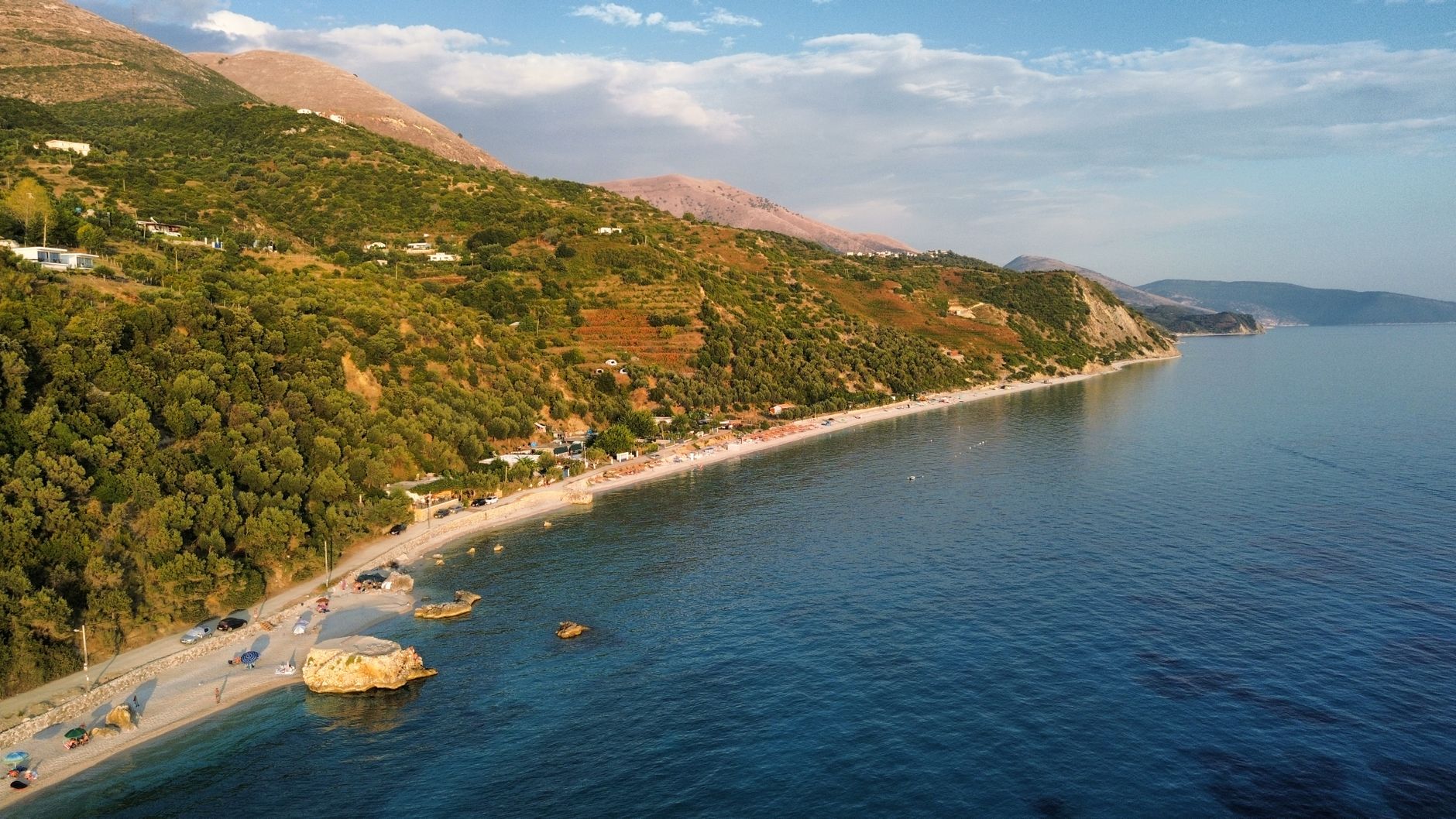
For travelers seeking pristine Mediterranean waters without the hefty price tag of the Amalfi Coast or the French Riviera, Albania is Europe's ultimate coastal frontier. The village of Ksamil, located within the Butrint National Park, features a series of shallow, sandy coves overlooking three small, emerald islands that can be easily reached by swimming or kayaking.
Why Ksamil is a Game-Changer
Ksamil offers the soft sand and crystal-clear, calm waters typical of high-end Greek resorts, but at a fraction of the cost. A pair of beach loungers and an umbrella here will typically cost you less than €10 for the day, and a fresh seafood lunch right on the water is incredibly affordable.
To discover more wallet-friendly European secrets, explore our dedicated Budget Travel Guides.
5. Cost Comparison: European Beach Regions
To help you budget for your next coastal getaway, here is a realistic breakdown of daily costs (average per person, including mid-range accommodation, meals, transport, and beach rentals) across our top coastal regions:
| Destination | Daily Budget (Mid-Range) | Sunbed & Umbrella Rental | Local Meal (Seafood + Drink) |
|---|---|---|---|
| Algarve, Portugal | €90 - €130 | €15 - €20 | €18 - €25 |
| Lefkada, Greece | €100 - €150 | €10 - €25 | €15 - €22 |
| Sardinia, Italy | €140 - €220 | €25 - €50 | €25 - €40 |
| Ksamil, Albania | €45 - €75 | €8 - €12 | €10 - €15 |
6. The Ultimate Coastal Packing & Planning Guide
To make the most of Europe's diverse beaches, packing the right gear is essential. Many of the continent's most beautiful coves are rocky, pebbled, or require a hike to access.
Essential Coastal Gear Checklist:
- Water Shoes: Absolutely critical for pebbled beaches like those in Croatia, Greece, and Italy.
- Reef-Safe Sunscreen: Protect Europe’s fragile marine ecosystems by choosing mineral-based sun protection.
- Microfiber Towel: Lightweight, quick-drying, and easy to pack into a hiking daypack.
- Dry Bag: Essential for boat transfers and swimming ashore to secluded coves.
Practical Takeaways & FAQ
Q: When is the best time to visit European beaches?
A: The peak season is July and August, but this brings intense heat, high prices, and massive crowds. The absolute best time to visit is the shoulder season: late May to June or September to early October, when the sea is warm but the crowds have dispersed.
Q: Are European beaches free to access?
A: It depends on the country. In Portugal and Greece, public access is legally protected, though beach clubs may lease parts of the sand. In Italy, many prime beaches are dominated by private stabilimenti (beach clubs) where you must pay for entry and loungers, though free public zones (spiaggia libera) always exist if you look for them.