Mastering the NYC Subway: The Ultimate New York City Transit Guide
Navigate the boroughs like a seasoned local with our comprehensive guide to the MTA, buses, ferries, and subterranean secrets.

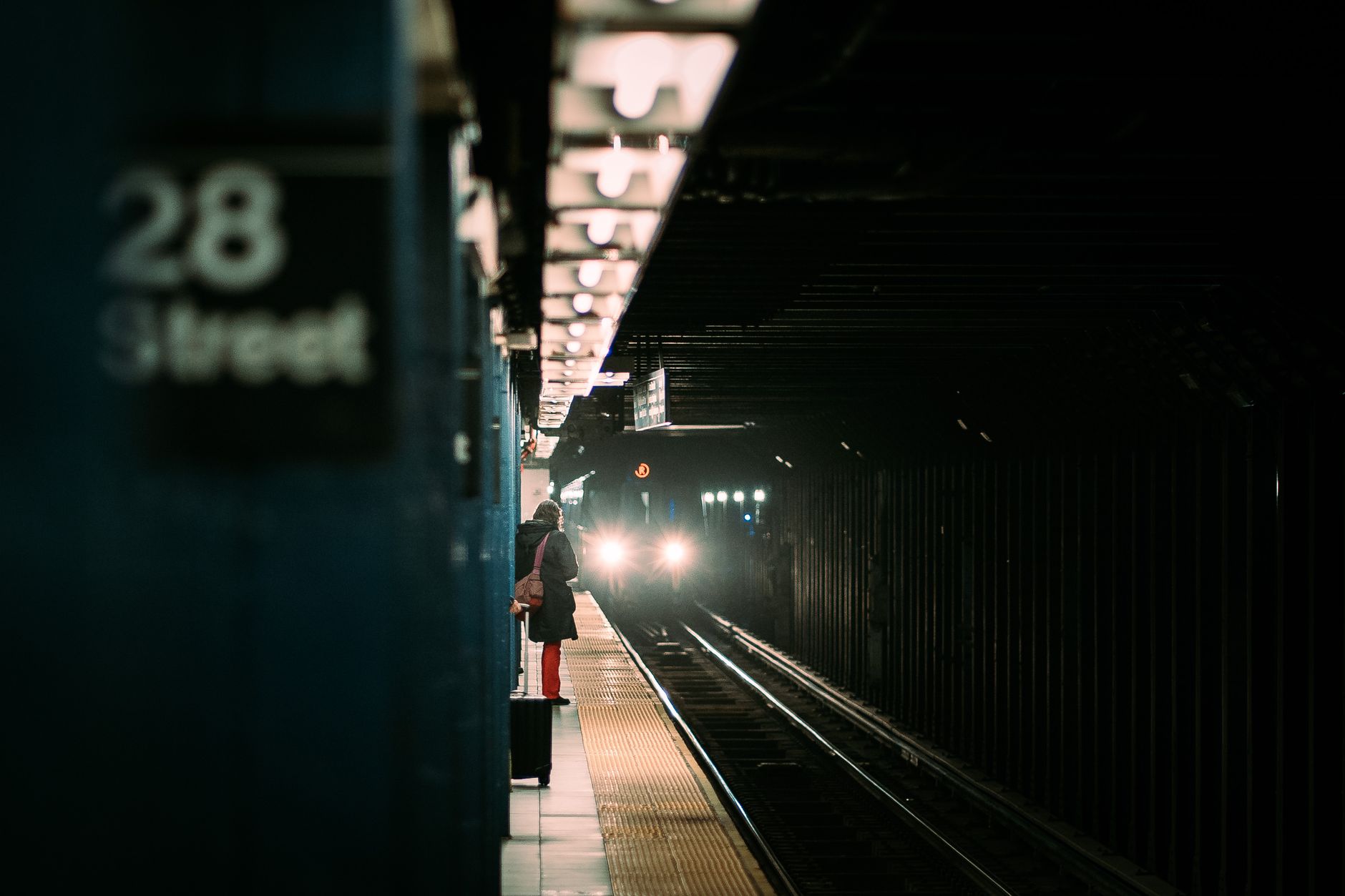
Navigating the concrete canyons of New York City can feel overwhelming, but mastering its legendary transit system is your golden ticket to the metropolis. Whether you are planning a weekend escape using our Tested Itinerary Plan or diving deep into our Comprehensive Guide, understanding how to move through the five boroughs is essential for every traveler.
1. Decoding the MTA: Subways, Trains, and Tunnels
The Metropolitan Transportation Authority (MTA) operates 24 hours a day, 365 days a year, making the subway the absolute lifeblood of NYC. Trains are designated by letters (like the A, C, E) and numbers (like the 1, 2, 3), and they run along distinct colored lines.
- Express vs. Local: Always check the station board before boarding. Local trains stop at every station, while express trains skip several stops—saving you precious time on cross-town or borough-to-borough journeys.
- Uptown vs. Downtown: Before swiping your fare, confirm your direction. 'Uptown & The Bronx' generally runs north, while 'Downtown & Brooklyn' runs south.
Insider Tip: Always look at the electronic countdown clocks hanging from the station ceiling. If a train is delayed or rerouted, announcements will flash on screen and play over the PA system—keep your ears open!
2. Fares, OMNY, and Budget Travel Strategies
MTA has fully modernized its fare system with OMNY (One Metro New York), replacing the iconic yellow MetroCard. You can simply tap your contactless credit card, smartphone, or smartwatch directly at the turnstile.
- Fare Cost: A single subway or bus ride costs $2.90.
- The Auto-Pay Cap: After your 12th paid tap using the exact same device or card within a Monday–Sunday week, all subsequent rides for the remainder of that week are completely free.
- Free Transfers: You get one free transfer between subway and bus lines within two hours of your initial tap, provided you use OMNY or a MetroCard.
For more ways to stretch your dollars across the city, check out our curated Budget Travel Guides for smart dining and transit hacks.
3. Navigating Beyond the Rails: Buses and Ferries
While the subway gets most of the glory, NYC's surface transit offers scenic and highly efficient alternatives.
The Bus Network
Buses are fantastic for cross-town travel (where the subway is notoriously limited) and for taking in street-level neighborhood views. Select Bus Service (SBS) routes require you to pay at the curbside machine before boarding, as proof-of-payment tickets are randomly checked by inspectors.
NYC Ferry
For unbeatable views of the Manhattan skyline without paying for a pricey tourist cruise, the NYC Ferry is an incredible budget hack. Standard tickets cost just $4.00, and routes connect Wall Street, Long Island City, Brooklyn, and the Rockaways.
4. Apps and Digital Tools Every Commuter Needs
Never rely on memory or paper maps alone. Equip your smartphone with these essential transit companions:
- 1Citymapper or Google Maps: Unmatched for real-time routing, step-by-step walking instructions, and live delay notifications.
- 2MYmta Official App: Provides real-time arrivals, elevator/escalator status updates across stations, and service change alerts.
- 3The [Voyage Roams Trip Planner](/planner): Map out your multi-borough daily excursions seamlessly before you even step foot on the platform.
5. Transit Etiquette: Unwritten Rules of the Underground
New Yorkers move fast, and respecting local transit etiquette ensures a smooth, stress-free ride.
- Stand Right, Walk Left: On escalators, always stand on the right side if you are riding, and walk up the left side if you are in a rush.
- Step Into the Car: When boarding a crowded train, step completely inside rather than lingering right by the doors to let others enter.
- Be Ready: Have your OMNY tap device or card ready in your hand before you reach the turnstile to prevent bottlenecking commuters behind you.
Practical Takeaways & Traveler's FAQ
- Is the subway safe at night? Yes, millions ride daily. However, late at night (after midnight), train frequencies drop significantly. It is best to wait near the station booth or middle of the platform where security cameras and crowds are centered.
- Can I use cash? Yes, you can purchase single-ride OMNY cards or reloadable cards using cash at station ticket vending machines, though contactless card tapping is significantly faster.
- Are stations accessible? The MTA is actively retrofitting stations with elevators, but many historic stops still feature multiple flights of stairs. Always check the accessibility status on the MYmta app if you are traveling with luggage or strollers.
Ready to Turn This Story Into Your Next Adventure?
Save places to your custom wishlist or map out a step-by-step day plan with Voyage Roams.
Elena Vance
Elena travels the globe reporting on cultural heritage, street food trails, and budget exploration for Voyage Roams.
Planning a trip to New York City?
Discover verified places to visit, neighborhood recommendations, seasonality charts, and tested budgets in our comprehensive New York City portal.
Related Stories & Guides
 destinations
Spain's Best Cities Guide: Where History, Tapas, and Modern Art Collide
 destinations
Best Time to Visit Chicago: The Ultimate Season-by-Season Guide
 destinations