Into the Abyssal Depths: The Ultimate Son Doong Cave Expedition Guide
Conquer the world's largest natural cave in Phong Nha-Kẻ Bàng National Park with our expert-backed expedition blueprint.

Introduction to Phong Nha's Subterranean Titan
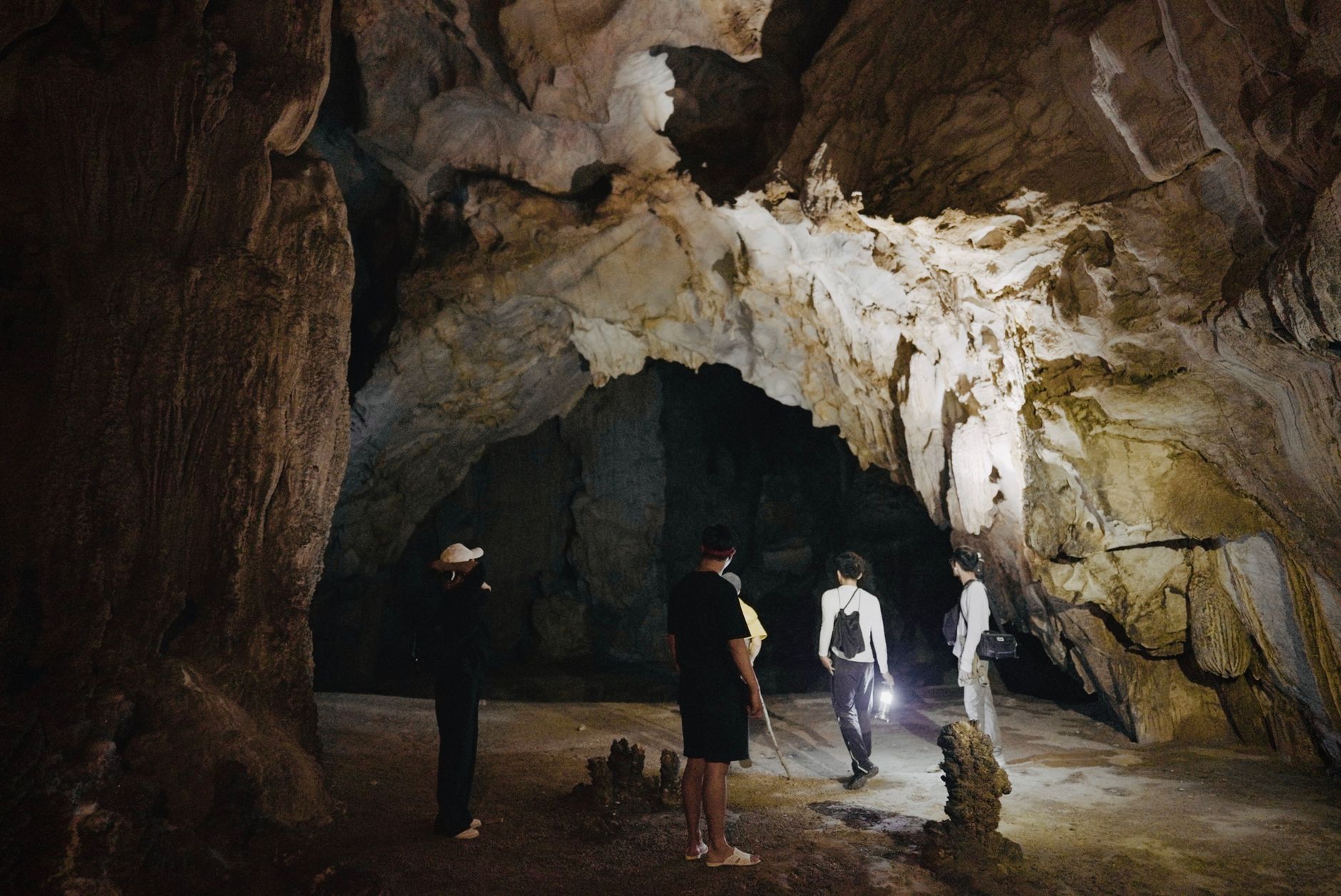
Hidden deep within the jungle-clad limestone karsts of Phong Nha-Kẻ Bàng National Park in central Vietnam lies a world so vast it possesses its own weather system, river networks, and jungle ecosystems. Son Doong Cave—meaning 'Mountain River Cave'—is the largest natural cave passage in the world by volume. Discovered by a local logger in 1990 and first explored by British cavers in 2009, this subterranean titan stretches over nine kilometers, reaching heights of up to 200 meters and widths of 150 meters.
Embarking on a journey into this ancient limestone cathedral is not merely a hike; it is an epochal expedition. To prepare for this magnitude of adventure, consult our Tested Itinerary Plan to seamlessly weave this trek into a broader Vietnamese holiday, or lean on the Voyage Roams Trip Planner to map out your logistics.
Expedition Logistics & Booking Realities
Because of the extreme fragility of Son Doong's pristine ecosystem and strict conservation mandates by the Vietnamese government, access is tightly regulated. Only one operator, Oxalis Adventure, holds the exclusive permit to guide tours into the cave.
- Permit Limits: Roughly 1,000 permits are issued per calendar year, making this one of the most exclusive adventures on Earth.
- Booking Window: Expeditions usually open for booking a year in advance and sell out within hours.
- Seasonality: The expedition season runs strictly from January through August. The cave closes from September to December due to heavy monsoon rains that flood the subterranean passages.
Cultural Pro-Tip: Do not attempt to book unauthorized tours or independent descents. Local authorities heavily penalize illegal entry, and the technical gear, safety ropes, and expert local guides are absolute prerequisites for survival in this extreme environment.
Physical Preparation & Fitness Requirements
Do not underestimate the physical demands of the Son Doong expedition. Over four days and three nights, participants trek approximately 17 kilometers through dense jungle terrain and rugged riverbeds, climb 800 meters of cumulative elevation change, and navigate slippery boulder fields.
The Training Checklist
- Cardiovascular Endurance: Build stamina through weekly long-distance running, cycling, or stair-climbing sessions.
- Ankle Stability: Practice uneven terrain hiking. You will be walking across jagged limestone blocks for hours.
- Grip & Upper Body Strength: Incorporate basic pull-ups and core workouts; you'll use fixed ropes and ladders during various technical sections.
For additional advice on getting your body expedition-ready, check out our curated Adventure Trails category hub.
What to Pack for the Underground Jungle
Packing for Son Doong requires precision. You will carry a light daypack with water, a headlamp, and a waterproof shell, while your main gear bag is portered to camp.
- 1High-Traction Trekking Shoes: Avoid brand-new footwear. Your shoes must have aggressive rubber outsoles because limestone becomes ice-slick when wet.
- 2Fast-Drying Technical Layers: Synthetic materials are essential. You will wade through underground rivers and sweat profusely in the humid jungle.
- 3Heavy-Duty Headlamps: You will rely entirely on battery-powered illumination inside total darkness.
- 4Dry Bags: Protect cameras, electronics, and spare clothing against flash humidity and river crossings.
Inside the Cave: Day-by-Day Highlights
Each day within Son Doong reveals staggering geographical anomalies that defy imagination.
- Day 1: The Descent to Hang En: Trek through the jungle to Hang En, the world's third-largest cave, where you will camp on a sandy beach beneath millions of darting swiftlets.
- Day 2: Entering the Titan: Wade through the subterranean river entrance of Son Doong. Navigate the 'Hand of Dog' stalagmite and set up camp inside the colossal cavern illuminated by the first massive doline (sinkhole).
- Day 3: The Garden of Edam: Ascend through 'Watch Out for Dinos,' a collapsed sinkhole where sunlight penetrates deep underground, fostering a lush, primeval jungle ecosystem. Scale the 'Great Wall of Vietnam'—a 90-meter calcite wall—with the assistance of safety harnesses and ladders.
- Day 4: Ascent & Celebration: Exit the cave via a different upper passage, reflect on your monumental feat with your fellow trekkers, and return to basecamp.
To dive deeper into the country's broader landscape and cultural nuances, read through our Comprehensive Guide.
Budget Breakdown & Financial Planning
A trip of this magnitude requires a substantial financial commitment, but the all-inclusive nature of the expedition simplifies budgeting.
- Expedition Cost: The standard 4-day, 3-night tour with Oxalis costs approximately $3,000 USD per person.
- International & Domestic Flights: Factor in flights to Hanoi or Ho Chi Minh City, plus a domestic connection to Dong Hoi airport ($100 - $300 USD).
- Pre- and Post-Trek Accommodation: Plan for 2-3 nights in Phong Nha village or nearby Nhat Le beach ($40 - $150 USD total).
- Tips & Gratuities: It is customary to tip your massive support crew—including safety experts, jungle porters, cave researchers, and chefs ($150 - $250 USD recommended).
Explore more cost-conscious ways to experience Southeast Asia by browsing our Budget Travel Guides.
Traveler's FAQ & Practical Takeaways
How difficult is the Son Doong cave trek?
It is rated as extremely challenging. Previous multi-day trekking experience and a rigorous pre-trip fitness regimen are mandatory.
Are there dangerous animals inside the cave?
While you may encounter cave-adapted translucent spiders, white crabs, and darting bats or swiftlets, there are no dangerous predators residing inside the cave depths.
Can I charge my electronic devices?
Electricity at camp is extremely limited. Bring extra camera batteries, portable power banks, and solar chargers to keep your gear operational.
Is safe drinking water provided?
Yes, expedition staff boil and filter natural spring water throughout the trek to keep all participants hydrated safely.
Ready to Turn This Story Into Your Next Adventure?
Save places to your custom wishlist or map out a step-by-step day plan with Voyage Roams.
Elena Vance
Elena travels the globe reporting on cultural heritage, street food trails, and budget exploration for Voyage Roams.