Valle de Guadalupe Wine and Food Guide: Mexico's Culinary Oasis
Discover the rugged hills, world-class neo-Baja cuisine, and bold varietals redefining Mexico's premier wine country.

Introduction to Baja's Wine Country
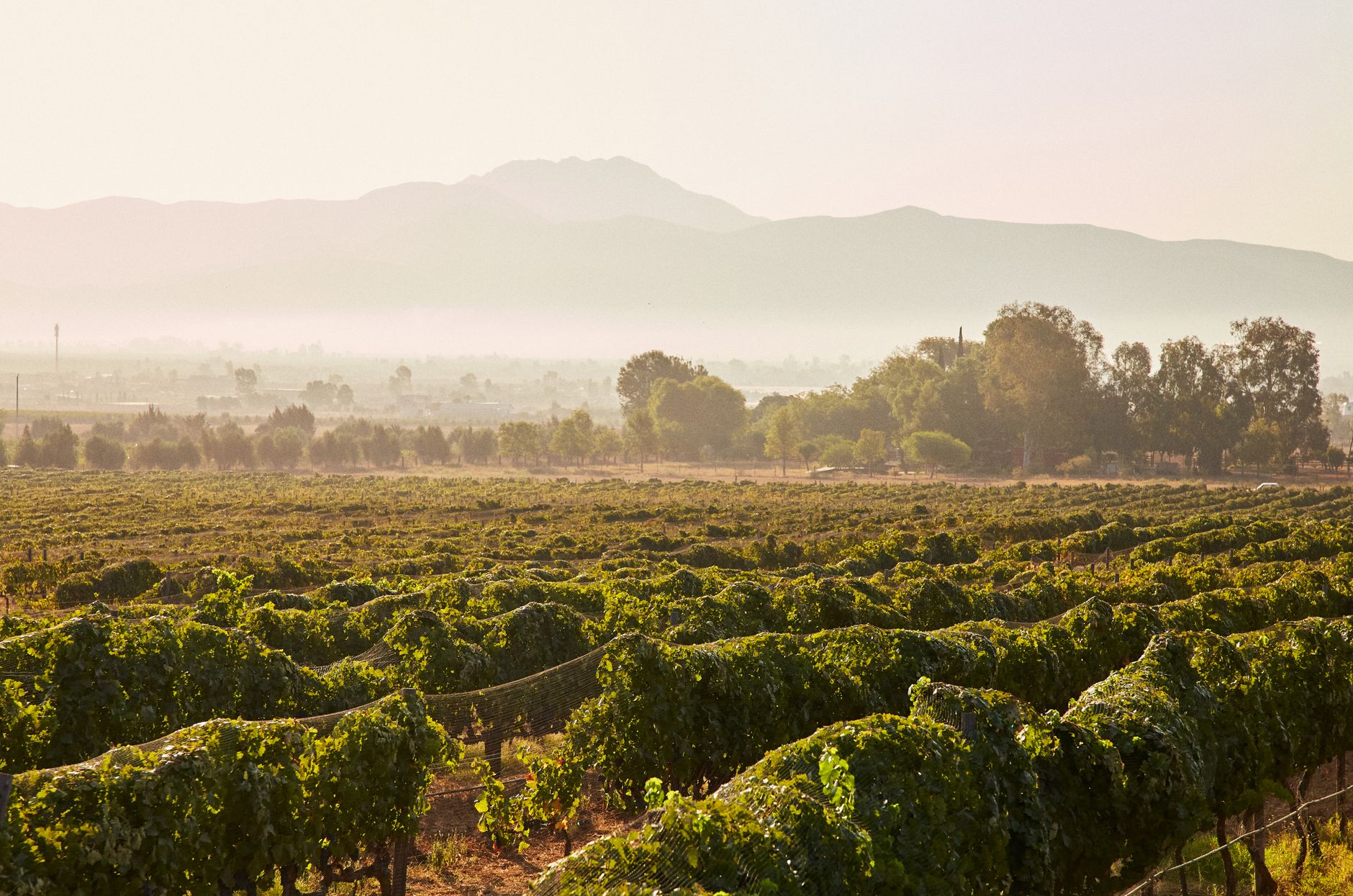
Just a short drive south of the border, nestled between rugged granite mountains and the cooling breezes of the Pacific Ocean, lies the Valle de Guadalupe. Often hailed as the Napa Valley of Mexico, this arid yet fertile valley has quietly transformed into one of the most exciting epicurean destinations in the world. As you plan your escape, consult our Comprehensive Guide to get a foundational overview of the region.
Winemaking here dates back to the Spanish missionaries of the 18th century, but today's renaissance is driven by a passionate generation of winemakers experimenting with Mediterranean varietals like Nebbiolo, Tempranillo, and Grenache. Coupled with the revolutionary "Baja Med" culinary movement pioneered by local chefs, the valley offers a sensory feast unlike anywhere else.
Vineyards and Varietals Worth Tasting
The terroir of the Valle de Guadalupe—characterized by hot days, cool maritime nights, and granitic soil—yields remarkably complex and food-friendly wines. When mapping out your tastings, be sure to balance architectural masterpieces with rustic, family-run estates.
- Monte Xanic: One of the pioneering modern wineries, known for crisp Sauvignon Blancs and structured Cabernet Sauvignons.
- Adobe Guadalupe: A boutique winery blending holistic winemaking with boutique hospitality, famous for its red blends named after archangels.
- Casa de Piedra: Helmed by visionary winemaker Hugo D'Acosta, focusing on expressive, terroir-driven expressions.
Insider Tip: Most high-end wineries require advanced reservations for tastings. Always book at least two weeks ahead, especially for weekend visits, and consider hiring a private driver so everyone in your party can indulge safely.
The Baja Med Culinary Revolution
You cannot discuss the Valle de Guadalupe without highlighting its food. The culinary philosophy here, coined Baja Med, marries traditional Mexican ingredients with Mediterranean and Asian cooking techniques, utilizing hyper-local seafood from the nearby coast and organic produce grown right in the valley's soil.
Dining destinations range from casual roadside food trucks serving the best fish tacos of your life to internationally acclaimed open-air restaurants.
- Fauna: Consistently ranked among Latin America's best restaurants, offering an inventive, zero-waste tasting menu.
- Animalón: Dining underneath the branches of a 200-year-old oak tree creates a magical backdrop for avant-garde cuisine.
- La Cocina de Doña Esthela: A legendary, rustic breakfast spot famous for its shredded lamb machaca and fluffy corn tortillas.
For a structured approach to tackling the best bites and pours, take a look at our Tested Itinerary Plan.
Where to Stay: Architectural Havens and Glamping
Accommodation in the Valle is as much a part of the experience as the wine. The hospitality design leans heavily into sustainable, minimalist architecture that frames the stunning natural landscape.
- Hotel Encuentro Guadalupe: Minimalist eco-pods perched dramatically on a rocky hillside, featuring private fire pits and sweeping valley views.
- Bruma Casa Eight: A masterclass in luxury design seamlessly integrated with an active winery and organic farm.
To ensure your trip stays aligned with your financial goals, browse our collection of Budget Travel Guides for smart ways to save on Baja road trips.
Getting Around and Practical Logistics
Navigating the Valle de Guadalupe requires a bit of logistical planning. The main roads are paved, but many of the vineyards are accessed via dusty, unpaved dirt roads.
- 1Crossing the Border: If driving from San Diego, prepare for wait times at the San Ysidro or Otay Mesa ports of entry. Consider securing a SENTRI pass or crossing via the Cross Border Xpress (CBX) if flying into Tijuana.
- 2Transportation: Renting a robust vehicle is recommended. Alternatively, hire a bilingual driver in Ensenada or Tijuana for a stress-free tasting day.
- 3Best Time to Visit: Spring (April to June) brings blooming flowers and pleasant weather, while late summer (August to October) is the thrilling harvest season (La Vendimia).
If you want to tailor your journey effortlessly, use the interactive Voyage Roams Trip Planner to build a custom itinerary.
Traveler's FAQ & Practical Takeaways
- Do I need pesos, or are US dollars accepted? While many upscale wineries and restaurants accept US dollars and credit cards, carrying Mexican pesos is essential for tipping, roadside food stands, and smaller artisanal shops.
- Is it safe to drink the tap water? Stick to bottled or filtered water provided by your hotel and restaurants.
- What should I pack? Layering is key. Days can be intensely warm and sunny, but temperatures drop rapidly once the sun sets behind the mountains.
Ready to Turn This Story Into Your Next Adventure?
Save places to your custom wishlist or map out a step-by-step day plan with Voyage Roams.
Elena Vance
Elena travels the globe reporting on cultural heritage, street food trails, and budget exploration for Voyage Roams.
Planning a trip to Mexico?
Discover verified places to visit, neighborhood recommendations, seasonality charts, and tested budgets in our comprehensive Mexico portal.
Related Stories & Guides
 food drink
The Sonoran Culinary Revival: A Comprehensive Tucson Food Guide
 food drink
The Ultimate Colombian Food Guide: Flavors, Traditions, and Culinary Itineraries
 food drink