Dreaming of Arizona’s breathtaking landscapes, from the Sonoran Desert’s iconic saguaros to the Grand Canyon’s majesty? Choosing the “perfect” time to visit isn’t just about glancing at a calendar. It’s about aligning your desires and priorities with Arizona’s incredibly diverse seasons.
In my experience, what makes a trip “best” is entirely subjective. Are you chasing solitude, seeking adventure, or perhaps hunting for the best possible deals? This comprehensive guide cuts through the noise to help you pinpoint your ideal travel window for 2025-2026.
We’ll dive deep into everything you need to know: weather patterns, navigating tourist crowds, understanding cost factors, and matching your interests to the calendar. From the mildest winters to the intense monsoon summers, Arizona truly is a land of surprising contrasts.
Let’s quickly preview Arizona’s seasons: Spring (March-May) offers peak weather, peak crowds, highest costs, and is prime for outdoor activities and desert blooms. Summer (June-August) brings extreme desert heat, pleasant high country, lightest crowds in the south, best deals, and monsoon season. Fall (September-November) provides cooling temperatures, beautiful foliage in the north, moderate crowds, and good value. Winter (December-February) features a mild south, snowy north, is popular with “snowbirds,” has a holiday buzz, and varied costs.
Arizona’s climate isn’t a monolith. It’s a complex tapestry woven from elevation changes and geographical features, leading to distinct microclimates. Understanding these is crucial for planning.
Key Factors Influencing Your Arizona Travel Dates
Weather Patterns Across Arizona’s Vast Landscape
Here, expect scorching summers with daily highs often exceeding 100°F (38°C) from June through September. Winters are wonderfully mild, offering sunny days in the 60s and 70s (°F), making it a popular escape for those fleeing colder climates.
Sedona and Prescott sit at higher elevations, granting them a true four-season climate. Summers are noticeably milder than the desert, with daytime highs typically in the 80s and 90s (°F), while winters bring crisp air and occasional snowfall.
Up north, think mountain climate. Winters are cold and snowy, especially in Flagstaff, which is a popular ski destination. Summers are delightfully cool, with daytime temperatures rarely climbing above the 80s (°F), making it a perfect refuge from the desert heat.
Many people hear “hot” and picture oppressive humidity. In the Arizona desert, the summer heat is often a dry heat, which feels different. While still intense, the low humidity can make 100°F feel more tolerable than 90°F in a humid climate, though hydration remains paramount.
Crowds can significantly impact your experience. Knowing when to expect busy times versus quieter periods is key for a more enjoyable trip.
Navigating Tourist Crowds: When Arizona Buzzes & When It’s Serene
Unsurprisingly, the periods of mildest weather — Spring (March-May) and Fall (October-November) — draw the largest crowds. Attractions, hotels, and popular hiking trails will be bustling, and reservations become essential.
My favorite times, the “shoulder seasons,” offer a fantastic balance. Think late February, early June, and late September. The weather is still very pleasant, but the intense crowds haven’t quite peaked or have started to thin out. You get more space to breathe.
Summer (June-August) in the desert cities is undoubtedly off-peak. While sweltering, it offers solitude for those willing to brave the heat, along with exceptional deals. Northern Arizona, however, sees moderate crowds during this time as people escape the heat.
Your travel dates directly impact your wallet. Understanding seasonal pricing can help you save hundreds, if not thousands, on your Arizona adventure.
The Cost Factor: Maximizing Your Budget (or Splurging Wisely)
As a rule of thumb, when demand for comfortable weather is high (Spring, late Fall, Winter in the south), prices skyrocket. Spring (March-April) and Winter (January-February) in southern Arizona represent the highest prices for hotels and flights. Conversely, Summer (June-August) offers the steepest discounts, especially in Phoenix and Tucson.
Expect guided tours, hot air balloon rides, and popular experiences to be at their premium during peak seasons. Some operators may offer slight discounts during shoulder seasons or special promotions in the summer to attract visitors.
Rental car availability can tighten and prices increase significantly during peak demand, especially around major events like Spring Training. Booking both your car and accommodations well in advance (6-12 months for peak season) is crucial to lock in better rates. You can find competitive deals on Booking.com.
Arizona is an adventurer’s paradise and a cultural hub. Aligning your visit with your passions ensures an unforgettable experience.
Activities & Events: Matching Your Interests to the Calendar
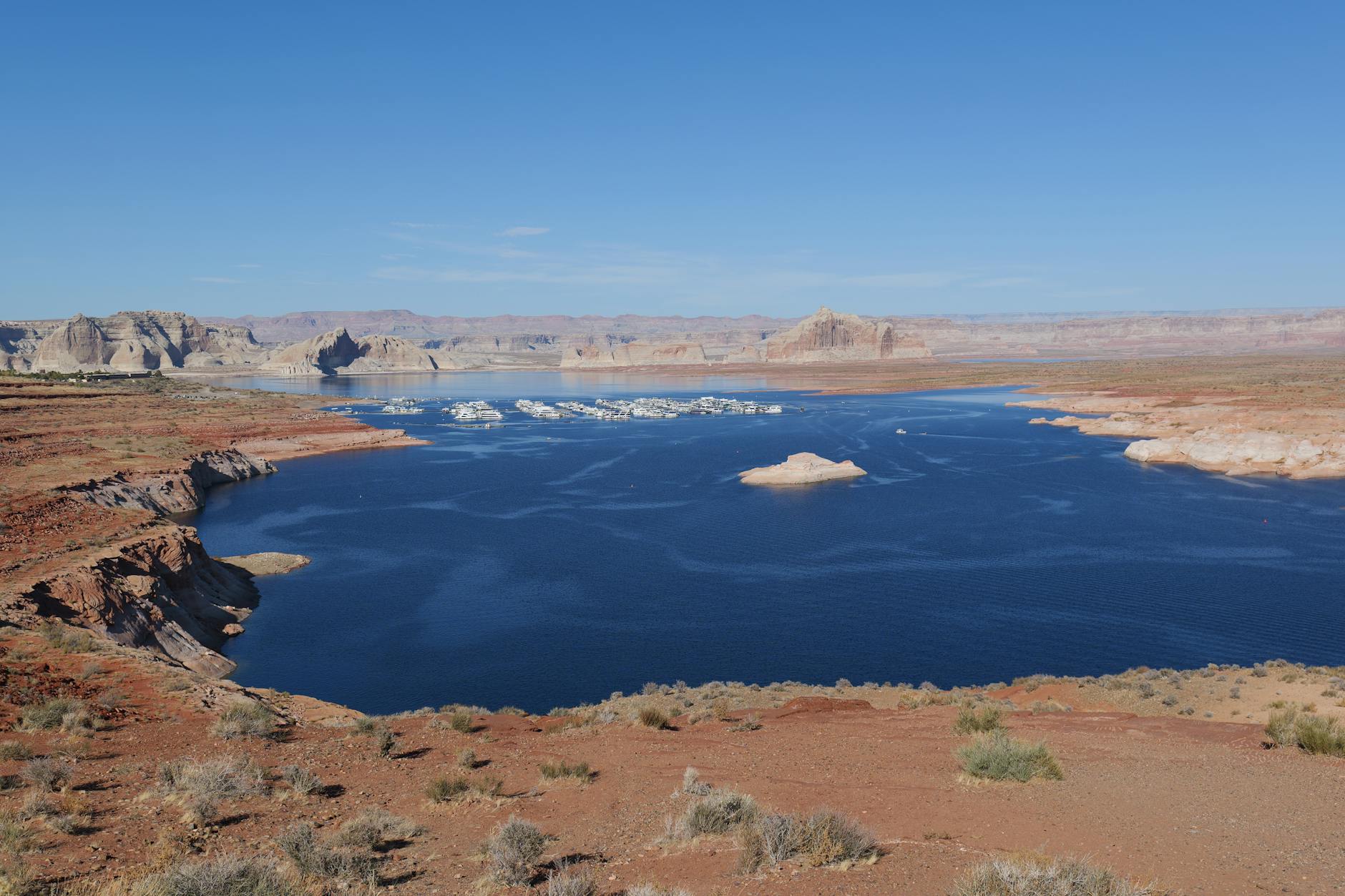
For hiking and biking, the best times are Spring, Fall, and Winter in the desert. Summer is ideal for high-elevation trails in Northern Arizona. Water sports on lakes and rivers are best from mid-spring to early fall, prime for Lake Havasu, Lake Powell, and other aquatic playgrounds.
Beyond the natural beauty, Arizona hosts incredible events. Cactus League Spring Training (February-March) brings baseball fans. Native American cultural festivals occur year-round. Art walks, rodeos, and music festivals are scattered throughout the year, often thriving in the milder months.
Witnessing the desert bloom in Spring (late March-April) is a bucket-list experience. The dramatic Monsoon storms (July-August) offer a different kind of natural spectacle, transforming the sky with lightning and bringing brief, intense downpours.
If comfortable weather is your top priority, Spring is usually considered the quintessential “best time.”
Arizona by Season: Pros, Cons & What to Expect (Expert Insights)
Spring (March – May): The Golden Window
Expect glorious, sunny days with temperatures ranging from the 70s to low 90s (°F) in the desert. Northern Arizona thaws, becoming perfect for exploration. The desert bursts into a riot of wildflowers, typically from late March to mid-April, depending on winter rains.
This is when everyone wants to be here. Major attractions like the Grand Canyon, Sedona, and desert hiking trails will be bustling. Phoenix and Scottsdale are particularly packed with Spring Training fans and vacationers.
Be prepared for premium pricing. Hotels, flights, and rental cars reach their annual highs. Booking well in advance is not just recommended; it’s essential to avoid disappointment and exorbitant last-minute rates.
This is prime time for almost everything. Hit the trails, chase wildflower superblooms, catch a MLB Spring Training game, or enjoy a round of golf on world-class courses.
Phoenix and Scottsdale are electric with activity. Sedona’s red rock trails are sublime. The North Rim of the Grand Canyon typically reopens in May, but the South Rim is magnificent all spring.
Expert Tip: “In my experience, you should book at least 6-9 months in advance for Spring accommodations, especially if your dates coincide with popular events like Spring Training. If you wait, you’ll pay a significant premium or find yourself scrambling.”
FAQ: Desert wildflowers typically bloom from late March to mid-April, though this can vary year to year based on winter rainfall. Some years see spectacular “superblooms.”
Summer (June – August): The Heat & Hidden Gems
Don’t write off summer immediately! While undeniably hot, it offers unique advantages for a certain type of traveler.
The Southern Arizona deserts truly bake, with daily temperatures consistently over 100°F (38°C). However, the high country (Flagstaff, Grand Canyon, Payson) enjoys a delightful reprieve, with highs often in the 80s (°F). Late June through September marks monsoon season – expect dramatic afternoon thunderstorms.
This is the leanest season for tourists in the desert cities, offering a chance for more solitary exploration if you time it right. Northern Arizona sees moderate crowds during this time as people escape the heat.
If budget is your primary concern, summer is your friend. You’ll find the most significant savings on resort stays, flights, and even some activities in the southern half of the state. Check out GetYourGuide for summer activity deals.
Embrace resort life and splash in the pool. Plan desert hikes for sunrise or sunset. Head north to enjoy the cooler temperatures of the Grand Canyon, Sedona, or Flagstaff. Lake Havasu and Lake Powell are perfect for water sports.
The Grand Canyon remains a popular destination, so book early. Flagstaff is a cool haven. Phoenix resorts roll out incredible deals, making luxury stays surprisingly affordable.
Monsoon season brings intense, but often brief, afternoon thunderstorms. These are vital for the desert ecosystem but can cause flash flooding, especially in washes and canyons. Always check weather forecasts and avoid hiking in slot canyons during this time. The dramatic skies and lightning shows are truly spectacular, though.
FAQ: In the southern desert areas (Phoenix, Tucson), yes, it is extremely hot. However, Northern Arizona (Grand Canyon, Flagstaff, Sedona) experiences much milder temperatures, making it a popular escape. There are also great indoor activities and early morning/late evening options in the desert.
FAQ: Monsoon season typically runs from late June through September. It brings intense afternoon thunderstorms and the risk of flash floods, especially in canyons and washes. Travel can be affected by sudden downpours, but the storms are usually brief, and the dramatic lightning displays are a sight to behold. Always check weather alerts.
Expert Tip: “Embrace the early mornings in the desert during summer. The light is soft, the air is freshest, and it’s magical for photography. Then, head indoors for a spa treatment or up north to cooler elevations.”
Fall (September – November): The Shoulder Season Sweet Spot
Fall is another contender for the “best time,” especially if you appreciate crisp air and vibrant colors.
Temperatures begin to cool significantly in September, making desert activities enjoyable again. October and November offer wonderfully mild days statewide. Northern Arizona (Flagstaff, Sedona, Prescott) puts on a spectacular display of fall foliage, peaking mid-October.
Crowds start to pick up as the weather improves, but generally aren’t as intense as the peak of Spring. You’ll find a pleasant buzz without feeling overwhelmed.
Prices gradually increase throughout the fall. October, particularly, can see higher rates, especially in areas known for fall foliage. Booking a few months ahead is wise.
Fall is perfect for exploring. Enjoy hiking and mountain biking on perfectly temperate trails. Take scenic drives through the northern forests to witness the changing leaves. Outdoor festivals celebrating art, music, and food thrive in this weather.
Sedona’s red rocks, framed by golden leaves, are a photographer’s dream. The desert cities offer pleasant daytime temperatures. The Grand Canyon is magnificent, with fewer extreme temperatures than summer or winter.
Expert Tip: “October offers a fantastic blend of pleasant weather and slightly fewer crowds than March, making it ideal for multi-region trips that include both the desert and the high country.”
FAQ: Shoulder seasons are the periods just before or after the peak tourist seasons. In Arizona, this means late February/early March, early June, and late September/early October. They offer a sweet spot of good weather, fewer crowds, and often better prices than peak season, providing excellent value.
Winter (December – February): Sunshine, Snow & Snowbirds
Arizona in winter is a tale of two states: sunny desert escapes and snowy mountain adventures.
Southern Arizona boasts incredibly mild, sunny winters, with daytime temperatures often in the 60s and 70s (°F) – perfect for escaping the cold. Northern Arizona, however, transforms into a winter wonderland, with heavy snowfall ideal for skiing and snowboarding.
The southern deserts swell with “snowbirds” (winter visitors) from colder climates, making Phoenix, Scottsdale, and Tucson bustling. Ski resorts in Flagstaff and Greer are also popular.
Expect higher prices for accommodations and flights in Southern Arizona due to snowbird demand and holiday travel. Northern Arizona can be more moderate, unless you’re staying at a ski resort during peak weekends.
Golf courses are in pristine condition. Enjoy comfortable desert hikes. Hit the slopes at Arizona Snowbowl near Flagstaff or Sunrise Park Resort. Experience festive holiday events. The cooler temperatures make exploring National Parks like Saguaro or Petrified Forest a joy.
Phoenix and Scottsdale shine with perfect winter weather. A dusting of snow at the Grand Canyon during the holidays is truly magical. Flagstaff offers excellent skiing. Tucson’s art and culinary scene comes alive.
FAQ: Absolutely! Northern Arizona, including Flagstaff, the Grand Canyon (especially the South Rim), Prescott, and Sedona, regularly receives snow during winter (December to February). Flagstaff is a popular destination for skiing and other snow play.
FAQ: Yes, definitely! While Northern Arizona offers skiing, the southern desert regions (Phoenix, Scottsdale, Tucson) provide abundant sunshine, mild temperatures, and perfect conditions for golfing, hiking, outdoor dining, and exploring cultural attractions without the need for skis.
Expert Tip: “Don’t forget Northern Arizona transforms into a winter wonderland! You can literally ski in the morning near Flagstaff and enjoy a desert hike in the afternoon near Phoenix. It’s a unique Arizona experience you won’t find just anywhere.”
To give you the most precise planning power, let’s break down each month, highlighting what to expect for your 2025-2026 journey.
Arizona Month-by-Month: A Detailed Breakdown (2025-2026 Planning)
January
Mild south, snow north. Best for golf, desert hiking, skiing. A perfect escape from winter cold. Find more tips for winter travel in Arizona.
February
Excellent weather, Cactus League Spring Training begins, increasing crowds and prices. Book far in advance.
March
Peak season! Wildflowers begin to bloom, ideal hiking conditions, high prices, full crowds. Don’t underestimate booking lead times.
April
Continued peak, perfect weather, last chance for spring desert blooms. Grand Canyon’s North Rim typically prepares to open.
May
Transition month. Deserts heating up, pleasant north. Good deals begin to emerge in the south.
June
Hot desert, comfortable north. Summer savings kick in. Start of monsoon season risk. Plan early morning activities in the south.
July
Hottest desert, northern escape. Best value for southern resorts. Monsoon activity peaks. Ideal for indoor activities and water sports.
August
Continues hot, monsoon activity peaks. Northern respite remains popular. Best for extreme budget travelers willing to brave the desert heat.
September
Desert cooling, fall foliage starts north. Shoulder season begins. A great time for outdoor adventures.
October
Near-perfect weather statewide, fall festivals, rising prices, moderate crowds. Prime time for scenic drives and hiking. Discover more about fall foliage in Arizona.
November
Excellent desert weather, pre-holiday calm, still great hiking. Good time for a balanced trip before peak winter prices.
December
Mild south, festive north. Holiday crowds & prices, winter activities.
Arizona is vast, and the “best time” truly depends on where you want to go.
Regional Spotlight: Tailoring Your Visit to Arizona’s Diverse Destinations
Phoenix & Scottsdale
These vibrant cities are fantastic in Spring, Fall, and Winter for outdoor activities, dining, and culture. Summer offers incredible resort deals, making luxury accessible for pool-focused relaxation.
The optimal golfing season in Phoenix and Scottsdale is from October through May, with courses in peak condition and ideal weather.
Luxury resorts and spas are a year-round indulgence. Summer offers discounted rates, making it a perfect time for pampering indoors.
The culinary and nightlife scene thrives most robustly during the peak tourist seasons of Spring and Winter, with outdoor patios buzzing.
Grand Canyon National Park
The Grand Canyon is iconic year-round, but access and experience vary.
The South Rim is open 24/7, 365 days a year. The North Rim closes seasonally from mid-October to mid-May due to snow.
For serious hikers tackling the Rim-to-Rim trail, the ideal windows are late April-May and mid-September-October to avoid extreme heat or cold. Find a comprehensive Grand Canyon hiking guide on our site.
Visit popular viewpoints like Mather Point or Yavapai early in the morning or late in the afternoon. Consider visiting in late Fall or early Spring for slightly fewer crowds than peak summer.
FAQ: The South Rim is open year-round. For pleasant hiking weather and fewer extremes, Spring (April-May) and Fall (September-October) are ideal. Summer offers full access but can be very crowded, while winter provides a serene, snowy beauty with fewer visitors (but limited services on the North Rim).
FAQ: To avoid crowds, visit during the shoulder seasons (late Fall, early Spring), go early in the morning or late in the afternoon, explore lesser-known viewpoints, and consider hiking shorter trails instead of just sticking to the rim.
Sedona
Known for its spiritual vortexes and stunning red rock formations.
Spring and Fall offer the best weather for exploring Sedona’s vortex sites and extensive hiking trails. The desert is alive with energy.
Both are spectacular. Spring (March-April) brings desert blooms and green growth against the red rocks. Fall (October) bathes the region in vibrant golds and oranges as the deciduous trees change.
Sedona hosts numerous art festivals and cultural events throughout the year, with a strong emphasis on outdoor activities in the mild seasons.
Flagstaff & Northern Arizona (Monument Valley, Petrified Forest)
A cooler, mountainous retreat.
Winter (December-February) is prime time for skiing and snowboarding at Arizona Snowbowl. Flagstaff transforms into a winter playground.
Summer (June-August) offers a welcome escape from desert heat, with perfect temperatures for hiking through pine forests. Fall (October) is stunning for foliage hikes.
Flagstaff is a Dark Sky City, making it an incredible destination for stargazing year-round, especially on clear, moonless nights.
Tucson & Southern Arizona (Saguaro National Park, Tombstone)
Rich in desert ecology and Old West history.
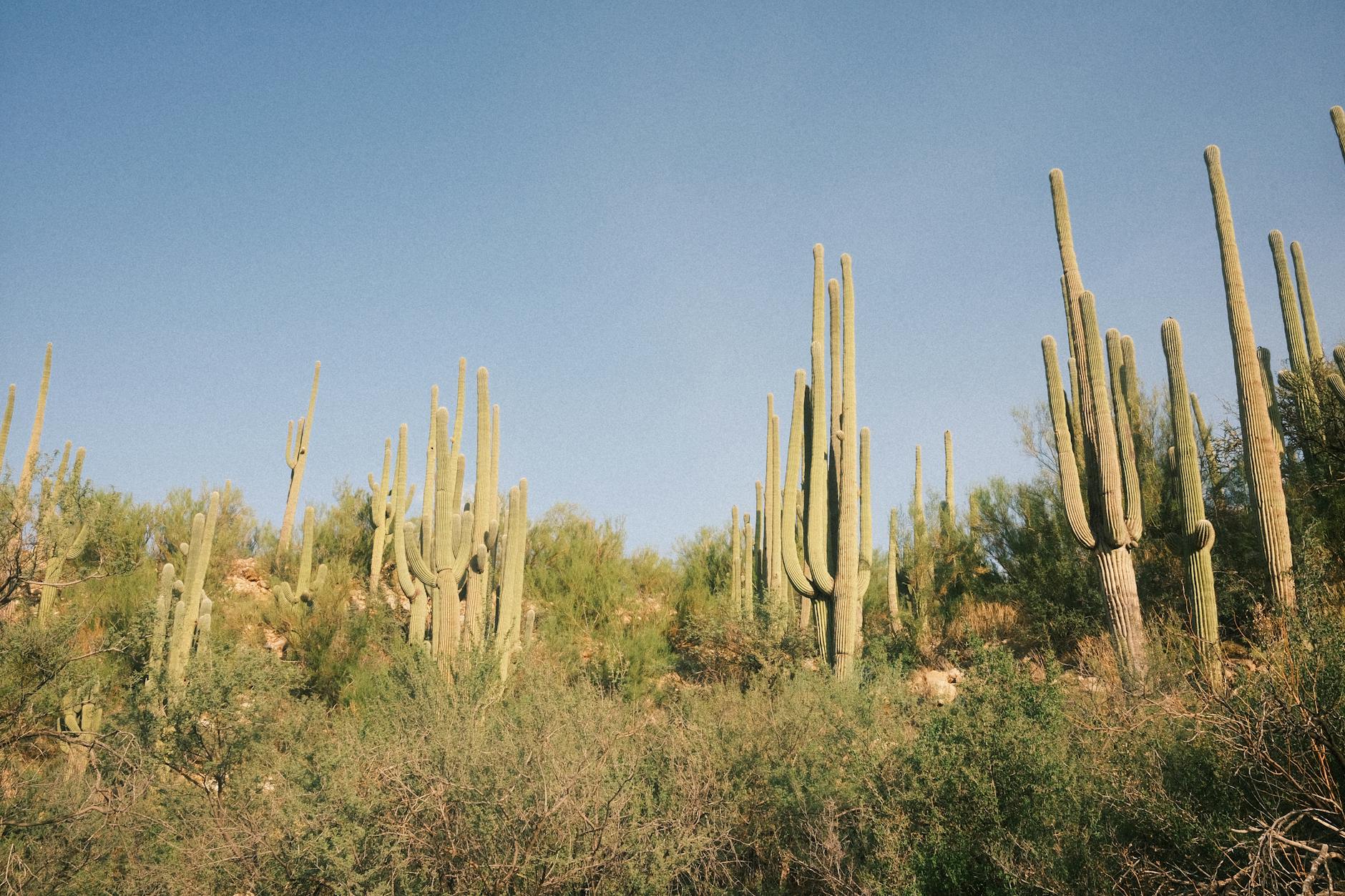
Spring (March-April) is best for seeing saguaro cacti bloom and observing desert wildlife. Fall and Winter also offer pleasant wildlife viewing.
Tucson, a UNESCO City of Gastronomy, is best explored culturally and culinarily in the milder seasons (Fall, Winter, Spring) when outdoor dining is a joy.
The diverse ecosystems around Tucson make it a top destination for birdwatching, particularly during migration seasons in Spring and Fall.
Colorado River & Lakes (Lake Havasu, Lake Powell)
For those who crave aquatic adventures.
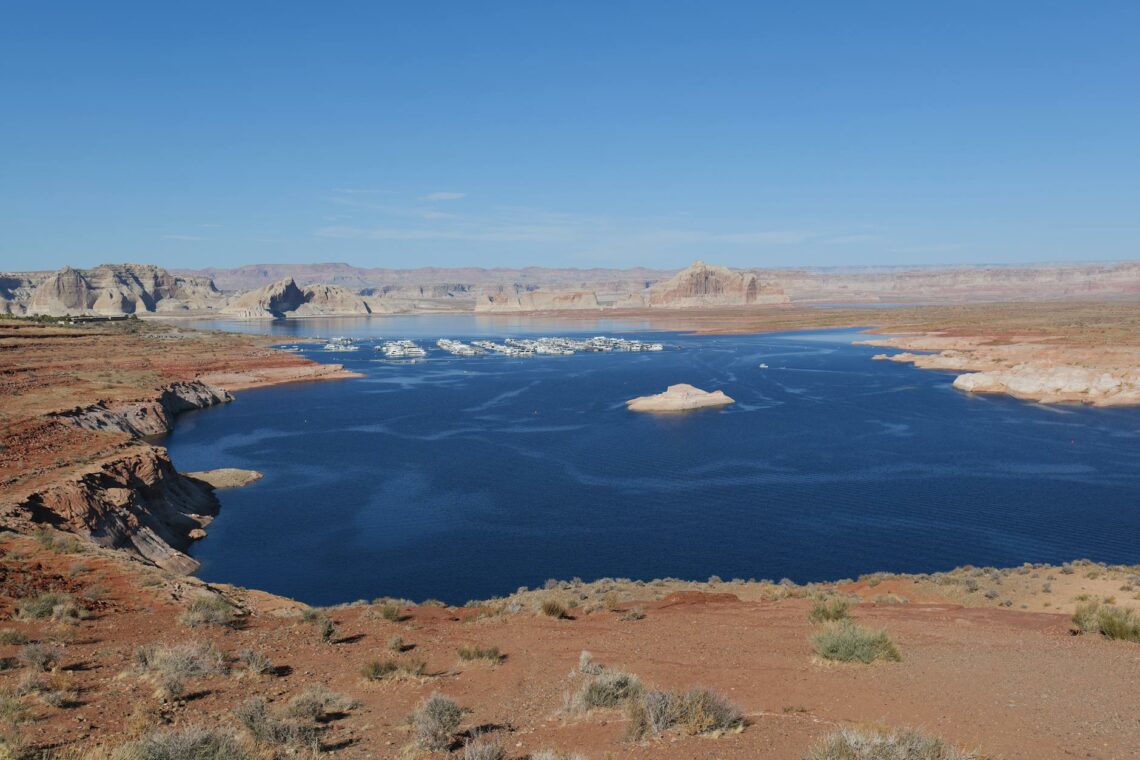
Late Spring through early Fall (May-September) is the prime window for boating, swimming, jet-skiing, and other water sports when the air and water temperatures are warm.
These water bodies offer a refreshing way to combat the summer desert heat, making them popular destinations even in July and August.
Your ideal Arizona trip is unique to you. Here’s how to tailor your visit.
Planning for Specific Interests & Traveler Types
For Budget Travelers
Summer offers the best hotel and flight deals in the desert. During peak season, consider staying just outside major cities, booking far in advance, or visiting attractions during off-peak hours.
For Avoiding Crowds
Target shoulder seasons (late Feb/early Mar, early June, late Sep/early Oct). Visit popular spots at sunrise. Explore less-frequented trails or state parks instead of only national parks.
For Outdoor Enthusiasts (Hiking, Biking)
Spring and Fall are prime for desert and central Arizona trails. Summer is ideal for high-elevation trails in the north. Always carry plenty of water and inform someone of your route. Read our essential Arizona hiking safety tips.
For Families with Kids
Spring, Fall, and Winter offer excellent conditions for families, with zoos, museums, and outdoor play. In summer, focus on water parks, indoor attractions, and northern escapes.
For Photographers
Spring for wildflowers, Fall for foliage, and Summer for dramatic monsoon skies. Year-round, Arizona’s dark skies are perfect for astrophotography. Early morning and late afternoon light are always golden.
For Golfers
October through May offers ideal conditions. Book tee times well in advance, especially during “snowbird” season. Summer often brings lower green fees, but prepare for the heat.
For Stargazers
Arizona is home to many Dark Sky Communities. Fall and Winter often provide the clearest, crispest nights. Always check moon phases; a new moon offers the darkest skies.
For History & Culture Buffs
The milder months (Fall, Winter, Spring) are perfect for exploring Arizona’s rich history at museums, historical sites like Tombstone, and Native American cultural centers. Many outdoor events also happen then.
Smart planning is the cornerstone of a successful Arizona adventure.
Preparing for Your Trip: Essential Tips for 2025-2026
Booking Ahead: When to Secure Flights, Hotels & Tours
Don’t underestimate the demand for Arizona travel, especially during peak seasons.
For prime dates in Spring (March-April) or winter (Jan-Feb) in Southern Arizona, aim to book flights and accommodations 6-12 months out. This is especially true for popular resorts and near major events.
For slightly more flexibility in shoulder seasons (late Feb, early June, late Sep, early Nov), a 3-6 month lead time is usually sufficient to secure good options at reasonable prices.
During the hottest summer months, you might find decent deals even 1-3 months out, especially for last-minute desert resort stays.
FAQ: For peak seasons like Spring (March-April) and winter in the south (January-February), I recommend booking flights and accommodations 6-12 months in advance. This ensures availability and often better pricing.
What to Pack for Each Season (Quick Reference Cheat Sheet)
Arizona’s diverse climates mean your packing list will change significantly.
Dress in layers. Days are warm, but evenings can be cool. Bring light jackets, long-sleeved shirts, comfortable hiking shoes, and sun protection.
Think linen, cotton, and moisture-wicking materials. A wide-brimmed hat, sunglasses, high SPF sunscreen, and a reusable water bottle are non-negotiables.
For the south, light layers are fine. For northern Arizona, pack warm winter coats, hats, gloves, waterproof boots, and thermal layers, especially if you plan on snow activities.
Health & Safety Considerations
Your well-being is paramount in any adventure.
This cannot be stressed enough. Drink more water than you think you need, even in cooler weather. Always wear sunscreen, a hat, and sunglasses.
During monsoon season, never drive through flooded roads or washes. “Turn around, don’t drown.” Be aware that visibility can drop dramatically during heavy downpours.
Arizona is home to diverse wildlife. Maintain a respectful distance, especially from venomous creatures. Always check shoes before putting them on and be aware of your surroundings on trails.
Inform someone of your hiking plans. Carry a map, first-aid kit, and sufficient water. Start early to avoid the midday sun and know your limits.
Let’s debunk some common misconceptions about traveling to Arizona.
Arizona Travel Myths vs. Facts
Myth 1: Arizona is always hot.
Fact: This is one of the biggest misconceptions! While the southern deserts experience intense heat, Northern Arizona (Flagstaff, Grand Canyon, Sedona) enjoys all four seasons, including cold winters with abundant snow and pleasantly cool summers. It’s truly a state of diverse climates.
Myth 2: There’s nothing to do in Arizona in the summer.
Fact: While southern Arizona can be challenging in summer, it offers unique advantages. Think incredible resort deals, fewer crowds, and a gateway to the high country’s cooler temperatures. Plus, water sports and dramatic monsoon storms offer distinct summer experiences.
Myth 3: You can only see the Grand Canyon in summer.
Fact: The Grand Canyon’s South Rim is open year-round! Each season offers a distinct beauty. Winter brings snow and serenity. Spring and Fall offer pleasant hiking weather. Summer is popular, but also crowded. You can visit anytime.
Here are answers to some of the most common questions about visiting Arizona, often reiterating points covered throughout this guide.
Frequently Asked Questions (FAQs)
Is Arizona too hot in July and August?
In the southern desert areas (Phoenix, Tucson), yes, it is extremely hot. However, Northern Arizona (Grand Canyon, Flagstaff, Sedona) experiences much milder temperatures, making it a popular escape. There are also great indoor activities and early morning/late evening options in the desert.
When is Arizona’s monsoon season, and how does it affect travel?
Monsoon season typically runs from late June through September. It brings intense afternoon thunderstorms and the risk of flash floods, especially in canyons and washes. Travel can be affected by sudden downpours, but the storms are usually brief, and the dramatic lightning displays are a sight to behold. Always check weather alerts.
What’s the cheapest time to visit Arizona?
The cheapest time to visit Arizona, especially the southern desert regions, is typically summer (June-August), when hotel and flight prices drop significantly due to the heat.
Is it possible to see snow in Arizona? If so, when and where?
Absolutely! Northern Arizona, including Flagstaff, the Grand Canyon (especially the South Rim), Prescott, and Sedona, regularly receives snow during winter (December to February). Flagstaff is a popular destination for skiing and other snow play.
What is the best time to visit the Grand Canyon?
The South Rim is open year-round. For pleasant hiking weather and fewer extremes, Spring (April-May) and Fall (September-October) are ideal. Summer offers full access but can be very crowded, while winter provides a serene, snowy beauty with fewer visitors (but limited services on the North Rim).
When are the desert wildflowers in bloom?
Desert wildflowers typically bloom from late March to mid-April, though this can vary year to year based on winter rainfall. Some years see spectacular “superblooms.”
How far in advance should I book my Arizona trip for peak season?
For peak seasons like Spring (March-April) and winter in the south (January-February), I recommend booking flights and accommodations 6-12 months in advance. This ensures availability and often better pricing.
What are the biggest events or festivals in Arizona?
Key events include Cactus League Spring Training (Feb-Mar), the Tucson Gem & Mineral Show (Feb), and numerous art and music festivals throughout the year, especially in spring and fall.
Is Arizona a good winter destination for non-skiers?
Yes, definitely! While Northern Arizona offers skiing, the southern desert regions (Phoenix, Scottsdale, Tucson) provide abundant sunshine, mild temperatures, and perfect conditions for golfing, hiking, outdoor dining, and exploring cultural attractions without the need for skis.
What’s the best time for hiking in Sedona or Phoenix?
The best time for hiking in Sedona, Phoenix, and other desert regions is Spring (March-May), Fall (September-November), and Winter (December-February), when temperatures are mild and pleasant.
What is a “shoulder season” in Arizona, and why should I consider it?
Shoulder seasons are the periods just before or after the peak tourist seasons. In Arizona, this means late February/early March, early June, and late September/early October. They offer a sweet spot of good weather, fewer crowds, and often better prices than peak season, providing excellent value.
How do I avoid crowds at popular attractions like the Grand Canyon?
To avoid crowds, visit during the shoulder seasons (late Fall, early Spring), go early in the morning or late in the afternoon, explore lesser-known viewpoints, and consider hiking shorter trails instead of just sticking to the rim.
Ultimately, the “best time to visit Arizona” is a deeply personal decision, dictated by your priorities and what you hope to experience.
Final Takeaway: Choosing Your Best Arizona Adventure
Quick Decision Guide:
- Prioritize Perfect Weather (and don’t mind crowds/cost): Aim for Spring (March-May) or Fall (October-November).
- Prioritize Budget & Fewer Crowds (and can handle heat or go north): Consider Summer (June-August), especially for desert deals.
- Prioritize Snow Sports & Festive Atmosphere: Plan a Winter (December-February) trip to Northern Arizona.
- Prioritize Specific Events (like Spring Training or a festival): Align your dates precisely with the event calendar, and book far in advance.
Arizona offers a truly diverse and unforgettable experience in every season. By understanding these trade-offs, you’re now equipped to pinpoint the perfect window for your journey.
Don’t just dream about it – start planning your unforgettable Arizona adventure today! Let the red rocks, saguaros, and Grand Canyon call to you.