Kyoto Travel Guide 2026: 55 Tips to Beat Crowds & Fines

Kyoto isn’t the same city it was three years ago. If you show up in 2026 expecting to wing it, you’ll likely find yourself stuck in a two-hour bus queue or facing a fine for walking down the wrong alley. In my experience, Kyoto has shifted from a see-everything destination to a strategy-first city where the local government has rolled out aggressive new measures to protect residents, and as a visitor, your job is to adapt.

To succeed in 2026, you must book your accommodation at least six months in advance through platforms like Booking.com, download the Go taxi app immediately, and forget the standard 206 bus as it is now primarily for locals. Use luggage forwarding services and strictly respect the No Entry signs in Gion, as they are now legally enforced by the city.

Navigating the 2026 Overtourism Regulations

The biggest change in 2026 is the strict enforcement of local-only zones across the historic districts. Kyoto is no longer a free-for-all for photographers, and understanding where you can and cannot walk is essential for a stress-free trip.

kyoto, japan street sign
Photo by Tien Nguyen

The Gion Private Alley Ban

Most people get this wrong. While the main Hanamikoji street remains open, dozens of side streets in Gion are now strictly off-limits to tourists. Look for the red-and-white signs; if you step into these private alleys to take a selfie, you risk a ¥30,000 fine. In my experience, locals are tired of the paparazzi behavior, so keep your camera down until you’re on a main thoroughfare.

The Empty-Handed Travel Mandate

Kyoto city buses are now effectively no-suitcase zones. Drivers can and will refuse entry if you are carrying large luggage. Instead, use the Hands-Free Kyoto service. You can drop your bags at Kyoto Station and have them delivered to your hotel by 5:00 PM for a small fee. This isn’t just a tip; it’s a necessity for 2026 to ensure you can actually use the public transport system.

Real-Time Crowd Tracking

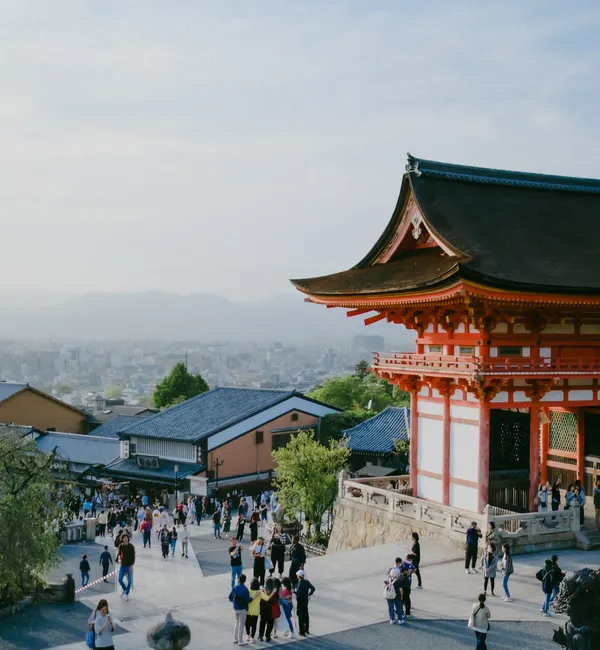
Don’t guess how busy Kiyomizu-dera is. Use the Kyoto Tourism AI Heatmap. This official tool provides a 5-level congestion forecast for every major district. I always check this at 8:00 AM to decide whether to head to Arashiyama or pivot to a quieter neighborhood like Ohara. Planning around these peaks is the best way to enjoy the city’s serenity.

Transport Logistics: The New Tourist Express System

The days of the ¥700 one-day bus pass are over as the city has pivoted to a model that separates tourists from daily commuters. This change was designed to alleviate the pressure on local residents who rely on the bus network for work and school.

kyoto, japan city bus
Photo by Faruk Tokluoğlu

The S-Bus (Sightseeing Limited Express)

Most travelers still pile onto the standard city buses, but in 2026, you should look for the S-Bus (S1, S2, S3). These are new, higher-capacity buses that skip minor stops and run directly between Kyoto Station and major hubs like Ginkaku-ji and Kiyomizu-dera. They cost slightly more but save you roughly 40 minutes of transit time compared to the local lines.

Mobile Suica vs. Physical Cards

The physical IC card shortage of 2024 has largely persisted into 2026, making digital options the gold standard. If you have an iPhone, add a Suica or Pasmo card directly to your Apple Wallet. You can top it up with your credit card instantly. If you are on Android, look for the Welcome Suica cards at the airport, but be prepared for them to be sold out.

Timing and Seasonal Realities

Everyone wants to see the cherry blossoms, but that’s when Kyoto is at its most crowded and expensive. If you want to experience the soul of the city without the crushing weight of millions of other visitors, you need to rethink your calendar.

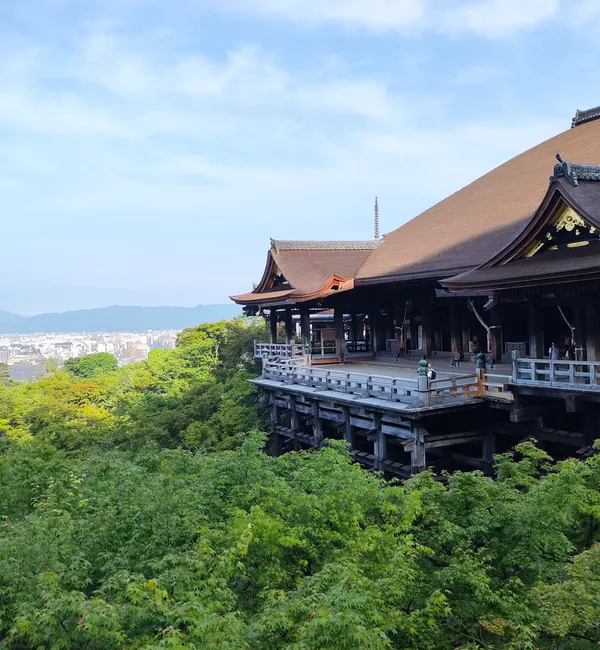
kyoto, japan green maple
Photo by Satoshi Hirayama

The Green Maple Pro-Tip

Instead of April, visit in late May or June during the Aomomiji (Green Maple) season. The temples are covered in vibrant, lush moss and neon-green leaves, the crowds are significantly thinner, and the photography is arguably better. You can find more details on seasonal timing in our guide on the best time to visit Japan.

Surviving the Summer Heat

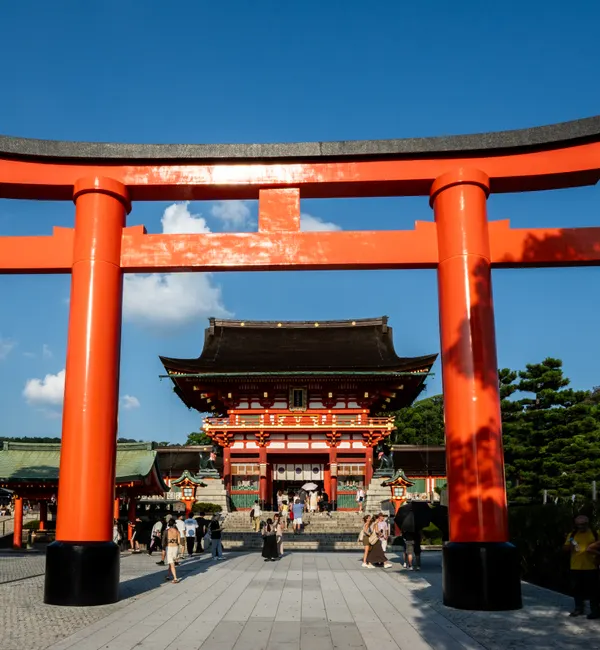
Kyoto in July and August is essentially a sauna. I’ve seen many travelers struggle near Fushimi Inari due to the humidity. Carry a UV umbrella just like the locals do and invest in cooling neck rings found at BiC Camera. These small adjustments make exploring the outdoor shrines much more manageable during the peak of summer.

The Hidden Geography: Neighborhoods Beyond Gion

If you stay in the Golden Triangle of Gion, Kiyomizu, and Kawaramachi, you will feel the effects of overtourism daily. To find the real Kyoto in 2026, you must venture further north or west to discover the tranquil atmosphere the city is famous for.

kyoto, japan moss garden
Photo by Satoshi Hirayama
  • North Kyoto (Ohara): A 45-minute bus ride takes you to a misty valley of moss gardens at Sanzen-in. It feels like a different century entirely.
  • West Kyoto (Adashino Nenbutsu-ji): While everyone goes to the Arashiyama Bamboo Grove, walk 15 minutes further to find Adashino Nenbutsu-ji, which has its own empty bamboo path and 8,000 stone statues.
  • Okazaki District: This museum district is wide, airy, and perfect for families. It offers a much-needed break from the narrow, crowded streets of Higashiyama.

Cultural Etiquette 2.0

Respect is the currency of Kyoto, and in 2026, the locals are more sensitive than ever to tourist behavior. Learning a few simple customs will not only make you a better guest but will also open doors to more authentic experiences.

kyoto, japan temple stamp
Photo by caleb charles

The Goshuin Guide

Instead of buying mass-produced plastic souvenirs, buy a Goshuin-cho (stamp book). For a small donation, a monk will hand-calligraph the temple’s seal into your book. It is a sacred art form and the most meaningful memento you can own from your travels through the best places to visit in Japan.

Photography Ethics

No Photo signs are not suggestions; they are strictly enforced rules. Many temples, like Kennin-ji, have designated areas where cameras are banned to preserve the spiritual atmosphere. Always look for signage before you aim your lens, and never photograph a Geisha or Maiko without explicit permission, which is rarely given on the street.

Money, Tech, and Connectivity

While Japan is slowly moving away from its cash-heavy past, Kyoto still maintains a foot in both worlds. Navigating the payment landscape requires a mix of digital tools and physical currency.

kyoto, japan mobile payment
Photo by Tien Nguyen

Is Japan Cashless in 2026?

Mostly, but not entirely. You can use your phone for 90% of transactions in convenience stores and shopping malls. However, small shrines, traditional craft shops, and old-school ramen stalls still require yen. Keep at least ¥10,000 in your wallet at all times for these situations and emergencies.

eSIM vs. Pocket WiFi

The days of carrying a bulky Pocket WiFi device are largely over. In Kyoto’s narrow stone streets, a local eSIM provides much more consistent 5G coverage and doesn’t require an extra battery pack. It allows you to stay connected to translation apps and maps without any hassle.

Dining: Reservations are No Longer Optional

In 2026, the concept of the walk-in is effectively dead in Kyoto’s popular districts. If you haven’t planned your meals in advance, you may find yourself eating at convenience stores more often than you’d like.

kyoto, japan kaiseki dining
Photo by Gu Ko

The 3-Month Rule

If you want to experience Kaiseki or high-end Sushi, you must use platforms like TableCheck or AutoReserve 60 to 90 days out. For more flexible options, consider checking Agoda for hotel-based dining which often has better availability for guests.

Dietary Preferences

Kyoto is the best city in Japan for vegans because of Shojin Ryori (traditional monk food). Look for Tofu Ryori spots in Arashiyama for an incredible plant-based meal. Nishiki Market, while famous, is often overcrowded, so I recommend exploring the side streets of Pontocho for a better atmosphere.

The Mistake List: What to Stop Doing in 2026

Avoiding common tourist traps and errors will significantly improve your mood and your budget. Many visitors fall into the same patterns, but a few timing adjustments can change your entire perspective of the city.

kyoto, japan shrine night
Photo by Guohua Song
  • Don’t visit Fushimi Inari at 10 AM: It becomes a bottleneck of selfie sticks. Go at 6:30 AM for sunrise or 9:00 PM for a night hike. It is open 24/7 and feels truly magical under the moonlight.
  • Don’t rely solely on Google Maps: Google often misses the specific timing for the new Tourist Express buses. Use the Japan Transit Planner (Jorudan) for more accurate local data.
  • Don’t wear brand-new shoes: You will likely walk over 20,000 steps a day. Wear broken-in sneakers that are easy to slip on and off for temple visits.

Practical Gear Checklist

Packing the right items can make the difference between a smooth day of sightseeing and constant small frustrations. Kyoto’s unique environment requires a few specific additions to your travel kit.

kyoto, japan coin purse
Photo by Ngeow Shen Sin

Essential Items

You will accumulate many small coins from cash transactions, so buying a beautiful silk coin purse in Gion is both practical and a great first-day souvenir. Additionally, a 10,000mAh power bank is essential; between navigation and photography, your phone battery will likely be drained by mid-afternoon. Finally, carry a Furoshiki cloth to wrap any gifts or snacks, as Japan has strict plastic bag taxes and emphasizes sustainability.

Frequently Asked Questions (FAQ)

Travelers often have similar concerns when planning their trip to the ancient capital. Here are the most common questions answered for the 2026 travel landscape.

kyoto, japan traveler map
Photo by Emanuele Ricciardi

How many days do I need in Kyoto in 2026?

Four days is the absolute minimum to see the highlights without burning out. Dedicate one day each to Higashiyama, Arashiyama, the North/Central districts, and the Fushimi Inari/Uji area.

Can I see Geisha in Gion?

You might see them walking to their appointments. Do not stop them, do not touch their kimonos, and do not block their path. Treat them like any other professional on their way to work.

Is the tap water safe to drink?

Yes, the tap water in Kyoto is among the cleanest in the country. Use the mymizu app to find free water refill stations throughout the city to stay hydrated.

Final Actionable Summary: Your 2026 Master Plan

To ensure your trip is a success, follow a structured timeline for your preparations. Kyoto is rewarding, but it no longer rewards the spontaneous traveler.

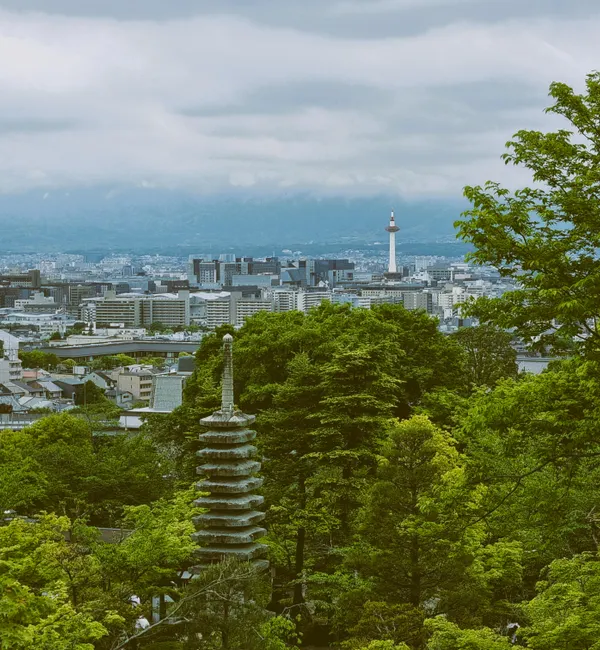
kyoto, japan pagoda view
Photo by Ver vaeck

Three months before you depart, ensure your hotels are booked in Shimogyo-ku or near Kyoto Station for the best access. One week before, install your taxi apps and set up your digital IC cards. On the morning of your adventures, check the AI Heatmap and aim to be at your first shrine by 7:30 AM. By following these steps, you won’t just see Kyoto—you will truly experience its timeless beauty.

Similar Posts

Leave a Reply