Introduction to Kyoto's Sacred Landscape
Kyoto is not merely a city; it is a living museum of sacred architecture, Zen philosophy, and imperial history. With over 1,600 Buddhist temples and Shinto shrines nestled against the misty backdrop of the Higashiyama and Arashiyama mountains, navigating Japan's ancient capital requires intention. Whether you are planning your first trip using our Comprehensive Guide or drafting a custom route with the Voyage Roams Trip Planner, understanding the subtle differences between temples (tera) and shrines (jinja) will deepen your appreciation for this UNESCO-listed metropolis.
1. Fushimi Inari Shrine: The Endless Vermillion Torii
No journey to Kyoto is complete without walking beneath the hypnotic vermillion tunnels of Fushimi Inari Shrine. Dedicated to the Shinto god of rice and agriculture, Inari, this sprawling mountainside sanctuary features over 10,000 vibrant torii gates donated by businesses and individuals seeking prosperity.
Cultural Pro-Tip: Skip the crowded midday rush. Arrive by 6:30 AM to experience the misty mountain trails in absolute solitude, catching the soft morning light filtering through the cedar trees.
For a broader look at regional cultural highlights, check out our curated Food & Drink Highlights after your morning hike.
2. Kinkaku-ji: The Dazzling Golden Pavilion
Perched dramatically over a mirror-like pond, Kinkaku-ji (The Golden Pavilion) is arguably Kyoto's most iconic landmark. The top two floors of this Zen temple are entirely covered in brilliant gold leaf, reflecting gloriously across Kyoko-chi (Mirror Pond) regardless of the season—whether framed by spring cherry blossoms or winter snow.
Architectural Highlights of Kinkaku-ji
- Shinden-zukuri Style: The first floor reflects the palatial residential style of the 11th-century aristocracy.
- Samurai Style (Buke-zukuri): The second floor embodies the austere aesthetic of warrior leaders.
- Zen Style (Zen-shu): The top floor features traditional Chinese Zen temple architecture.
3. Kiyomizu-dera: Architectural Marvel of the Higashiyama Slopes
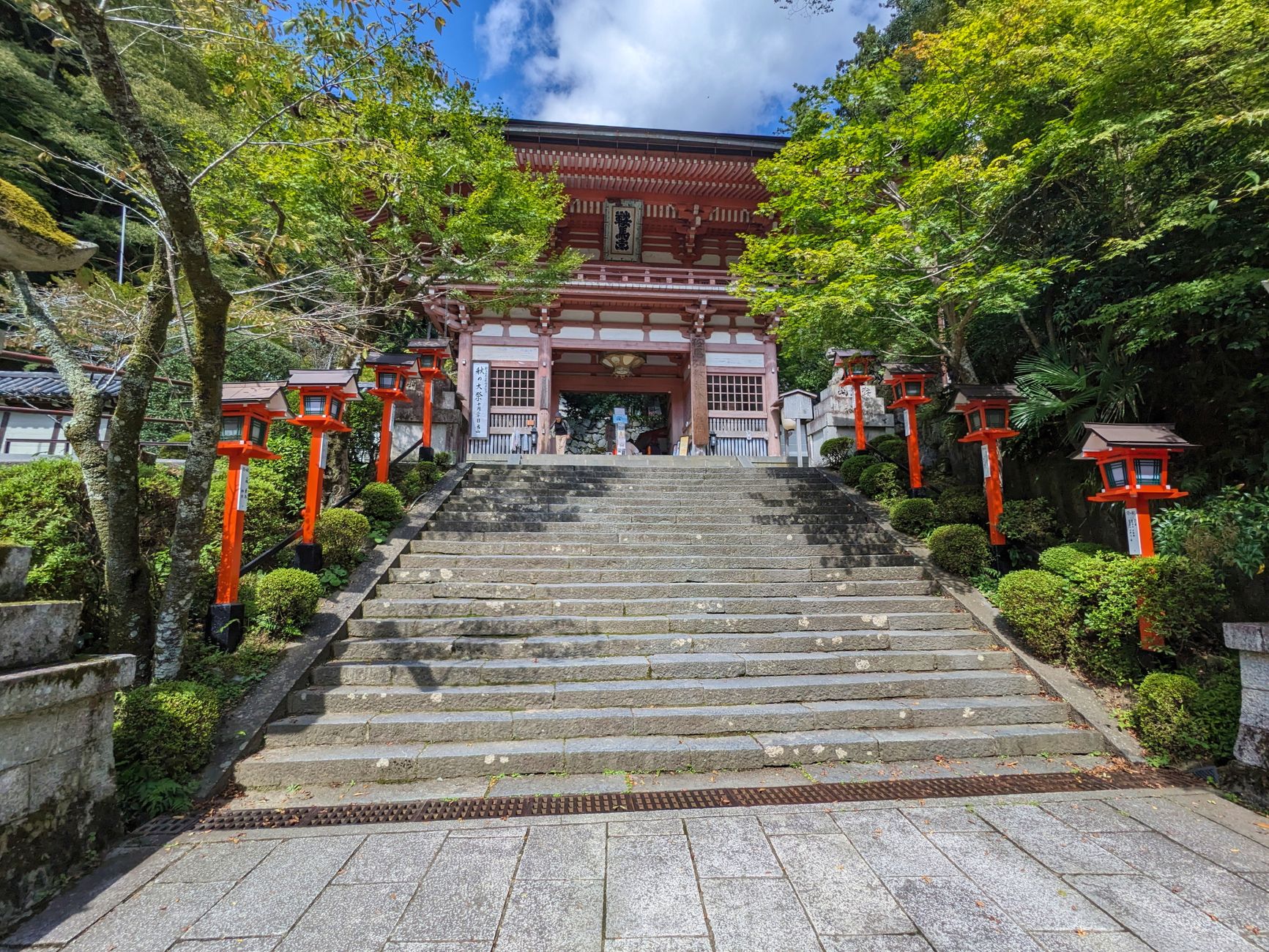
Founded in 778 C.E., Kiyomizu-dera ("Pure Water Temple") stands majestically on the slopes of Mount Otowa in eastern Kyoto. Its massive wooden stage—constructed entirely without a single nail—extends out over the hillside, offering sweeping panoramic views of Kyoto's skyline framed by maple and cherry trees.
- Step 1: Pay your respects at the main hall housing the eleven-faced goddess of mercy, Kannon.
- Step 2: Line up at the Otowa Waterfall to drink from one of three sacred streams, granting health, longevity, or success in studies.
- Step 3: Browse the traditional pottery shops along Sannenzaka and Ninenzaka preservation districts.
4. Ryoan-ji: The Masterpiece of Zen Rock Gardens
For travelers seeking profound tranquility, Ryoan-ji offers the quintessential Japanese Zen experience. Its famous karesansui (dry landscape garden) consists of fifteen carefully placed rocks arranged on a bed of meticulously raked white gravel in such a way that from any vantage point on the veranda, at least one rock is always hidden from the viewer.
For travelers looking to experience these historic sights without breaking the bank, our Budget Travel Guides offer invaluable money-saving tips for Japan.
Traveler's Practical Takeaways & FAQ
How many temples should I visit per day?
To avoid temple fatigue, limit your itinerary to two or three major sites per day, balancing sprawling complexes with intimate Zen gardens. Use our Tested Itinerary Plan for a balanced three-day approach.
What is the etiquette for visiting temples and shrines?
- Purification: At Shinto shrines, cleanse your hands and mouth at the temizuya water basin before praying.
- Footwear: Always remove your shoes when stepping onto tatami mats inside temple halls.
- Photography: Respect "No Photography" signs inside sacred halls; flash photography is generally prohibited.