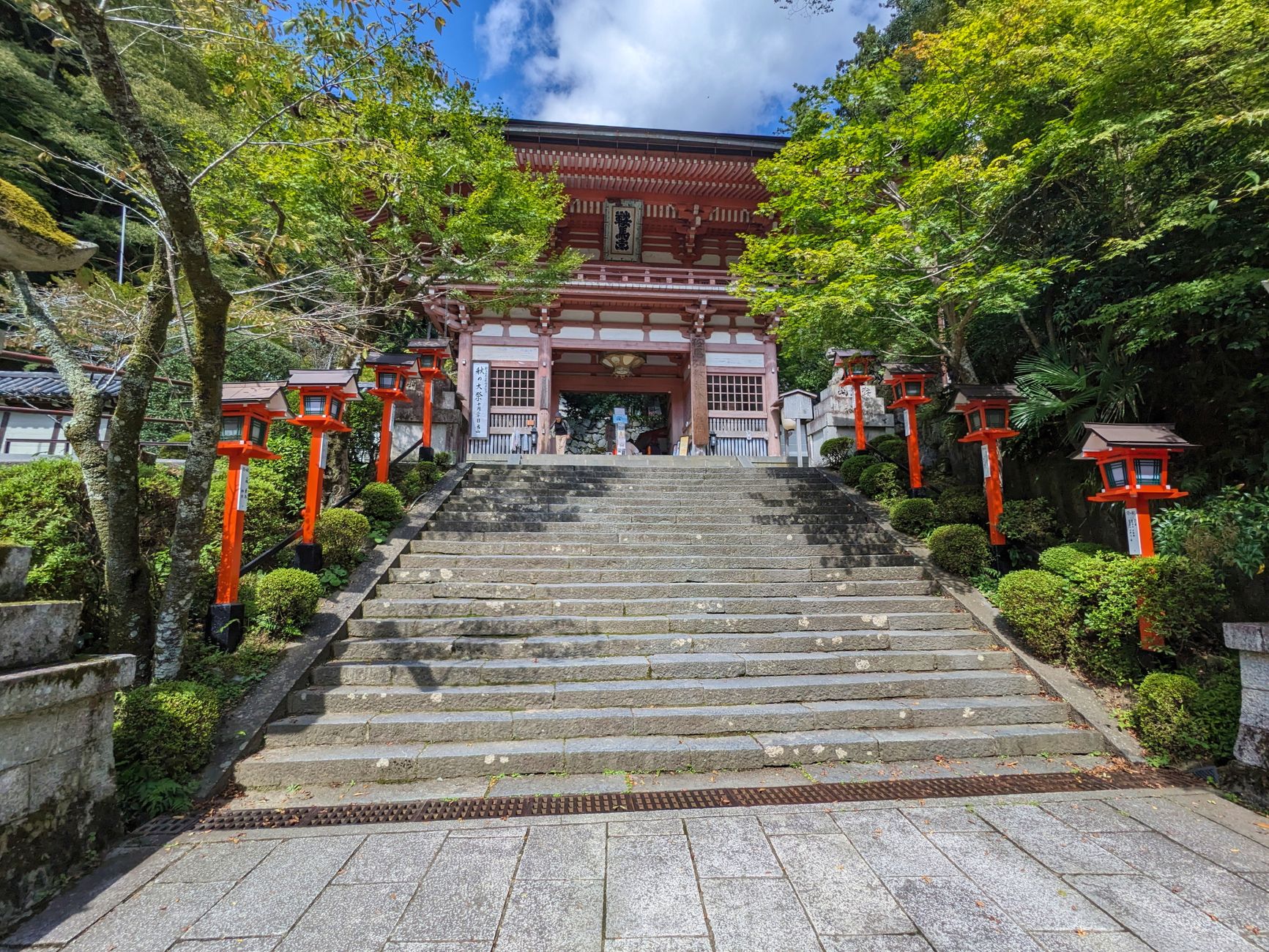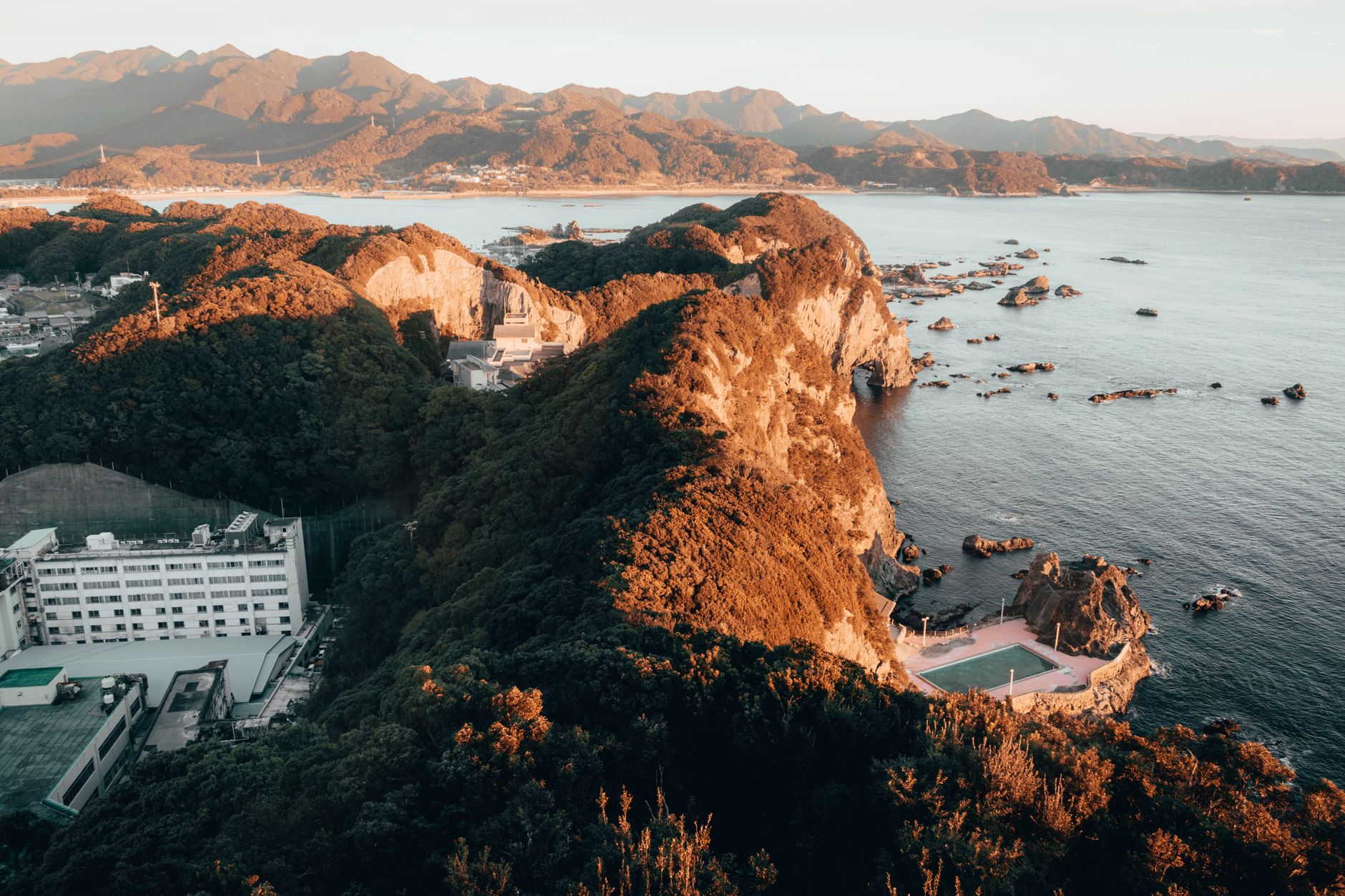
Introduction to Kyoto's Sacred Landscape
Kyoto is not merely a city; it is a living museum of spiritual devotion, architectural genius, and horticultural mastery. With over 2,000 temples and shrines nestled against the misty backdrop of the surrounding mountains, navigating Japan's ancient capital can feel overwhelming. Whether you are planning your first trip or returning to uncover deeper cultural layers, our Comprehensive Guide provides the foundational insights you need.
To help you organize your journey through centuries of history, start by mapping out your must-see landmarks using the Voyage Roams Trip Planner. Prioritizing locations by geographic clusters will save you hours of transit time and allow you to experience these sacred spaces in their most tranquil states.
1. Fushimi Inari Taisha: The Endless Vermillion Gates
No journey to Kyoto is complete without walking beneath the mesmerizing tunnels of thousands of bright orange torii gates at Fushimi Inari Taisha. Dedicated to Inari, the Shinto god of rice, agriculture, and commerce, this sprawling mountainside shrine is open 24 hours a day and remains completely free to enter.
Cultural Pro-Tip: While the main lower courtyards draw massive tour groups by 9:00 AM, the upper hiking trails toward Yotsutsuji intersection offer serene bamboo groves and moss-covered fox statues. Rise before dawn for an ethereal sunrise hike.
For a structured approach to pairing this shrine with other southern highlights, consult our expertly Tested Itinerary Plan.
2. Kinkaku-Ji: The Dazzling Golden Pavilion
Officially named Rokuon-ji, the Golden Pavilion is perhaps Kyoto's most iconic architectural postcard. The top two floors of this Zen temple are entirely covered in brilliant gold leaf, casting a breathtaking reflection across the mirror-like pond (Kyoko-chi) that surrounds it.
- Best Time to Visit: Arrive right at the 9:00 AM opening time, or aim for late afternoon when the slanting sunlight sets the gold leaf aglow.
- Garden Circuit: After viewing the pavilion, follow the designated walking path through the Muromachi-style strolling garden, which incorporates borrowed scenery from the nearby hills.
3. Kiyomizu-dera: Wooden Masterpiece Atop the Hills
Perched dramatically on the slopes of Mount Otowa in eastern Kyoto, Kiyomizu-dera is famous for its massive wooden stage built entirely without the use of a single nail. The veranda offers panoramic views over cherry blossoms in spring and fiery maple leaves in autumn.
After marveling at the main hall, descend to the base of the hall to drink from the Otowa Waterfall. Each of the three separate streams is believed to bestow a different blessing: health, educational success, or a prosperous love life. Be sure to pick up regional culinary treats along the steep, historic stone paths of Ninenzaka and Sannenzaka as you explore further.
4. Arashiyama Bamboo Grove and Tenryu-ji Zen Temple
Tucked away in the western district of Arashiyama, Tenryu-ji stands as one of Kyoto's premier Zen temples, boasting a stunning 14th-century landscape garden that has survived centuries of fires and wars largely intact.
Directly adjacent to the temple grounds lies the world-famous Arashiyama Bamboo Grove. Walking through these towering green stalks as the wind rustles the canopy creates a meditative soundscape unlike anywhere else on earth. For travelers looking to stretch their yen while exploring these natural wonders, check out our curated Budget Travel Guides for money-saving tips on public transit passes and affordable temple entry fees.
5. Ryoan-ji: The Pinnacle of Zen Rock Gardens
For an exercise in profound contemplation, visit Ryoan-ji, home to Japan's most famous rock garden (karesansui). Fifteen meticulously placed rocks are arranged on a bed of raked white gravel in such a manner that from any vantage point on the wooden veranda, at least one rock is always hidden from the viewer's sight.
Secret Spot: Step away from the main rock garden to explore the expansive temple grounds behind it. You will discover a tranquil walking path around a water lily pond and a historic stone water basin inscribed with a clever Zen philosophical riddle.
Practical Traveler's FAQ
- What is the difference between a temple and a shrine?
Temples (tera) are Buddhist institutions characterized by pagodas, incense burners, and statues of Buddha. Shrines (jinga or gu) are Shinto sacred spaces marked by large entrance gates (torii) and hand-purification troughs (chozuya).
- How much budget should I allocate for temple fees?
Most temples and shrines charge small admission fees ranging from 400 to 600 yen ($3–$4 USD) per site. Budget roughly 2,000 to 3,000 yen daily if you plan to visit multiple paid enclosures.
- What is the proper etiquette when visiting?
Always remove your shoes when stepping onto polished wooden temple floors, silence your mobile devices, and refrain from touching historic artifacts or sacred statues.