When to Go: The Ultimate Guide to the Best Time to Visit Malta
From golden shoulder seasons to sun-drenched Mediterranean summers, discover the ideal month for your Maltese escape.

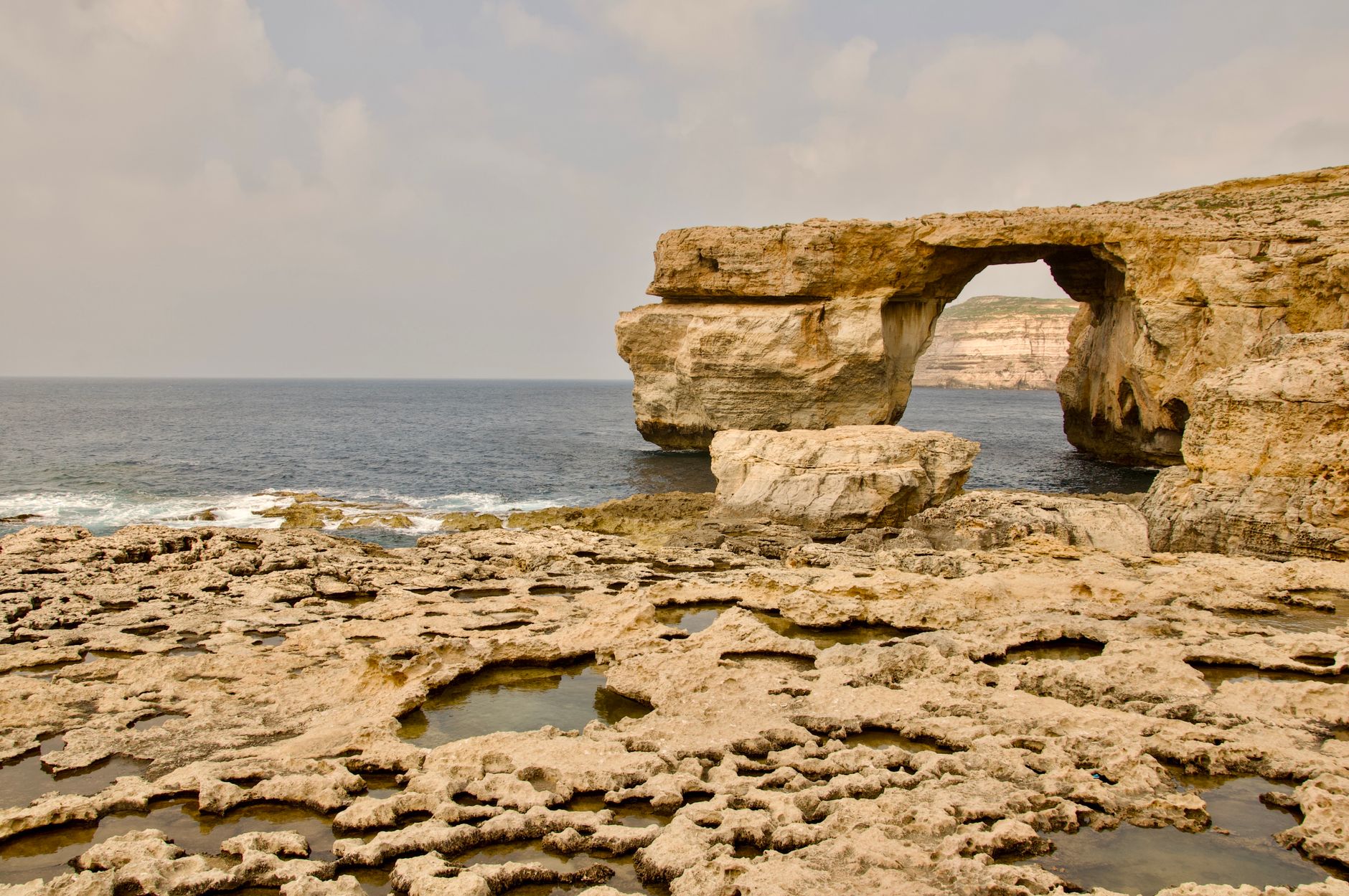
Floating in the turquoise embrace of the Mediterranean Sea, the Maltese archipelago is a masterclass in contrasts. Baroque architecture rises above ancient harbors, prehistoric temples stand silent against coastal winds, and over 300 days of annual sunshine bathe the limestone cliffs in a golden glow. But choosing when to go can completely transform your experience of this historic island nation.
Whether you are plotting a deep dive into our Comprehensive Guide, mapping out a multi-day coastal route using our Tested Itinerary Plan, or seeking inspiration via our Adventure Trails, timing is everything. Here is your definitive seasonal breakdown to finding the best time to visit Malta.
Spring (April to June): The Gold Standard for Sightseeing
If you ask any seasoned travel journalist or local historian, spring is hands-down the best time to visit Malta. As the winter chill fades, temperatures hover in a delightful 20°C to 25°C (68°F to 77°F) range. The countryside bursts into a kaleidoscopic riot of wildflowers, making it prime time for hikers tackling the rugged coastal paths of Gozo and Comino.
Crucially, spring precedes the heavy European summer holiday rush. You can wander the honey-colored alleys of Valletta or explore the silent medieval streets of Mdina without elbowing through crowds. Sea temperatures begin to warm up by late May, though they remain brisk enough to invigorate rather than relax.
Cultural Pro-Tip: Visit in April to witness Holy Week (Il-Ġimgħa Mqaddsa). The solemn yet spectacular processions, band marches, and traditional village feasts offer an unmatched window into Maltese heritage.
Summer (July to August): Festivals, Heat, and Coastal Vibes
Malta in July and August is unapologetically vibrant, hot, and dry. Temperatures regularly soar above 30°C (86°F), and the sun beats down relentlessly across the archipelago. This is peak season for beach lovers, yacht charters, and festival-goers.
Days are spent diving into the crystalline waters of the Blue Lagoon, lounging at trendy lidos in Sliema, or sipping local Kinnie at a seaside taverna. Summer is also the undisputed season of the Festa—weekend village celebrations honoring patron saints with brass bands, elaborate street decorations, and deafening, colorful fireworks.
- Pros: Incredible nightlife, vibrant beach clubs, lively outdoor concerts, and guaranteed beach weather.
- Cons: Scorching midday heat, packed tourist sites, and significantly inflated accommodation and flight rates.
For those traveling on a shoestring during this high-demand period, consult our expert Budget Travel Guides to keep your expenses in check.
Autumn (September to November): Warm Seas and Slow Travel
As the September breeze sweeps away the August stifling heat, Malta enters its most romantic chapter. The sea remains wonderfully warm well into October—often lingering around 23°C (73°F)—making it the absolute prime window for swimming, snorkeling, and scuba diving around the island's famous wrecks.
Tourism numbers dip dramatically, giving you breathing room at major attractions like the Hypogeum of Ħal-Saflieni and the Megalithic Temples. It is also the grape-harvesting season, rendering local wine tastings in Dwejra or Siġġiewi an absolute must-do for culinary explorers. Dive deeper into local gastronomy with our curated Food & Drink Highlights.
Winter (December to March): Mild Escapes and Cultural Immersion
While Northern Europe shivers, Malta enjoys one of the mildest winters on the continent. Daytime temperatures average a comfortable 15°C (59°F). While it is generally too cool for sunbathing, winter is arguably the most authentic time to experience daily Maltese life.
Rainfall increases during these months, turning the dry hillsides into vibrant green pastures, perfect for photography and leisurely walks. Accommodation rates plummet to their lowest annual levels, and cozying up in a traditional Valletta wine bar amid historic ramparts is an experience unto itself.
Crafting Your Ideal Maltese Itinerary
No matter which season calls to you, mapping out your daily logistics requires careful planning—especially if you want to island-hop between Malta, Gozo, and Comino.
- 1Define Your Focus: Prioritize whether you want a beach-heavy summer trip or a culture-rich shoulder-season exploration.
- 2Book Accommodations Early: If visiting in peak summer or during shoulder-season festivals, secure boutique hotels in Valletta or farmhouses in Gozo months in advance.
- 3Use Smart Tools: Tailor your daily pace and route by testing different options on the Voyage Roams Trip Planner.
Traveler's FAQ & Practical Takeaways
- When is the absolute cheapest time to visit Malta?
January and February offer the lowest rates on flights and boutique accommodations, though some resort-town facilities may be closed for the off-season.
- Do I need a car in Malta?
Renting a car offers the ultimate flexibility for exploring remote coastal cliffs, but Malta also boasts an extensive, highly affordable public bus network.
- Is English widely spoken?
Yes! Maltese and English are the two official languages, making navigation and cultural exchange effortless for international travelers.
Ready to Turn This Story Into Your Next Adventure?
Save places to your custom wishlist or map out a step-by-step day plan with Voyage Roams.
Elena Vance
Elena travels the globe reporting on cultural heritage, street food trails, and budget exploration for Voyage Roams.
Related Stories & Guides
 destinations
Norway Best Places to Visit Guide: Fjords, Lights, and Coastal Wonders
 destinations
The Ultimate Lake Tahoe Beaches Guide: Crystal Waters and Alpine Shores
 destinations