When to Go: The Ultimate Guide to the Best Time to Visit Yellowstone
Discover America's first national park across every season—from peak wildlife viewing in spring to snow-draped winter wonderlands.

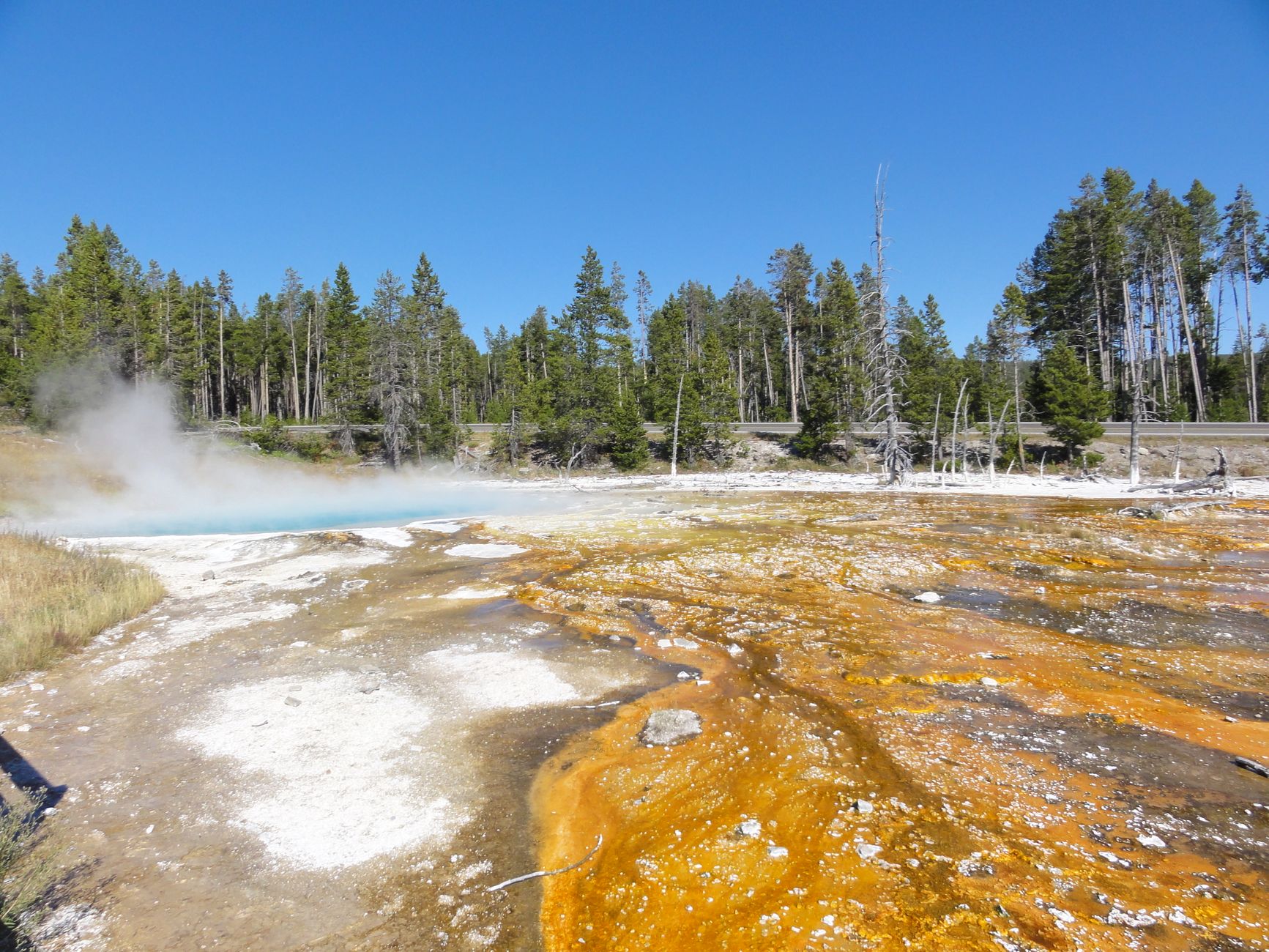
Introduction to Yellowstone's Rhythms
Spanning nearly 3,500 square miles across Wyoming, Montana, and Idaho, Yellowstone National Park is a chameleon of a destination. Choosing the best time to visit Yellowstone depends entirely on what you want to experience: do you envision misty morning geyser basins free of summer crowds, or are you chasing the iconic rumble of the American bison rut?
Because of its extreme elevation—ranging from 5,286 feet to 11,358 feet—the park experiences wildly shifting seasons. To help you map out your ultimate journey, dive into our Comprehensive Guide or plan your route ahead using the Voyage Roams Trip Planner.
Spring (April to May): Wildlife Awakening and Rushing Waterfalls
Spring in Yellowstone is a season of dramatic contrasts. While lower elevations begin to green up and thaw, higher mountain passes remain buried in snow. For wildlife enthusiasts, this is arguably the golden hour.
- Bison Calving: Head to the Lamar Valley in April and May to spot newborn bison calves, affectionately known locally as "red dogs."
- Grizzly Bear Activity: Bears emerge from hibernation, often bringing their cubs down to lower elevations where forage is accessible.
- Roaring Waterfalls: Runoff from melting snow packs transforms the Yellowstone River and its dramatic canyons into thundering spectacles.
Cultural Pro-Tip: Spring weather is notoriously fickle. Pack heavy layers, microspikes for muddy trails, and polarized sunglasses to cut through the high-altitude glare on lingering snowpack.
Summer (June to August): Full Access and Family Adventures
Summer is the undisputed peak season. All park entrances are fully open, visitor centers are humming, and the weather is reliably warm, with daytime temperatures hovering in the 75°F to 80°F range.
- Endless Daylight: Long daylight hours give you ample time to explore boardwalks around Old Faithful and the Grand Prismatic Spring well into the evening.
- Ranger Programs: Educational talks, junior ranger badges, and guided geology walks are in full swing.
- Navigating Crowds: Popular hubs like Mammoth Hot Springs and West Yellowstone experience significant traffic congestion. To escape the gridlock, consult our Tested Itinerary Plan for secret backcountry routes.
Autumn (September to October): Golden Aspens and the Bison Rut
Ask seasoned travelers and photographers about the best time to visit Yellowstone, and many will whisper: September.
- The Elk Rut: In September and early October, the haunting, bugling calls of bull elk echo through the misty valleys of Mammoth Hot Springs as they compete for harems.
- Golden Foliage: Groves of aspen trees turn a brilliant, shimmering gold against evergreen pines, offering breathtaking landscape photography.
- Crisp Air: Temperatures drop sharply at night, often dipping below freezing, but daytime hiking conditions are pristine and invigorating.
Winter (December to March): Frost, Steam, and Snowcoaches
When winter blankets the Greater Yellowstone Ecosystem, the park transforms into a surreal, silent snowglobe. Most interior roads close to standard vehicles in early November, reopening only to specialized over-snow vehicles like snowcoaches and snowmobiles.
- Geothermal Contrasts: Sub-zero temperatures create dramatic plumes of steam rising from Norris Geyser Basin and Grand Prismatic Spring, contrasting sharply against snow-draped landscapes.
- Wolves on Snow: Winter is the premier time for tracking wolves in the Lamar Valley, as their dark coats stand out starkly against white snowdrifts.
For travelers looking to keep expenses in check during off-peak transitions, check out our Budget Travel Guides for smart shoulder-season hacks.
Budget Breakdown Across the Seasons
Your travel expenses will vary significantly depending on when you decide to go:
- 1Summer (Peak): Highest lodging rates inside and outside the park, mandatory advance bookings (often 6-12 months out), and peak rental car prices.
- 2Shoulder Seasons (May & September): Moderate accommodation rates, easier last-minute bookings, and more flexible park access.
- 3Winter (Specialized): While park entrance fees remain standard, specialized snowcoach tours, guided wolf-tracking excursions, and winter gear rentals add a premium to your daily budget.
Practical Takeaways for Your Yellowstone Journey
- Book Early: If visiting between June and August, secure lodging or campsites up to a year in advance.
- Download Offline Maps: Cell service is notoriously spotty or nonexistent throughout 90% of the park.
- Respect Wildlife: Always maintain a safe distance—at least 25 yards from bison and elk, and 100 yards from bears and wolves.
Whether you crave the fiery blooms of summer or the quiet majesty of a winter frost, Yellowstone rewards the prepared traveler in every single season.
Ready to Turn This Story Into Your Next Adventure?
Save places to your custom wishlist or map out a step-by-step day plan with Voyage Roams.
Elena Vance
Elena travels the globe reporting on cultural heritage, street food trails, and budget exploration for Voyage Roams.
Related Stories & Guides
 destinations
The Best Places to Travel in October: Shoulder-Season Escapes and Autumn Wonders
 destinations
The Ultimate Guide to Train Travel in Canada: Scenic Routes & Practical Tips
 destinations